Artwork
Communion of St Petronilla
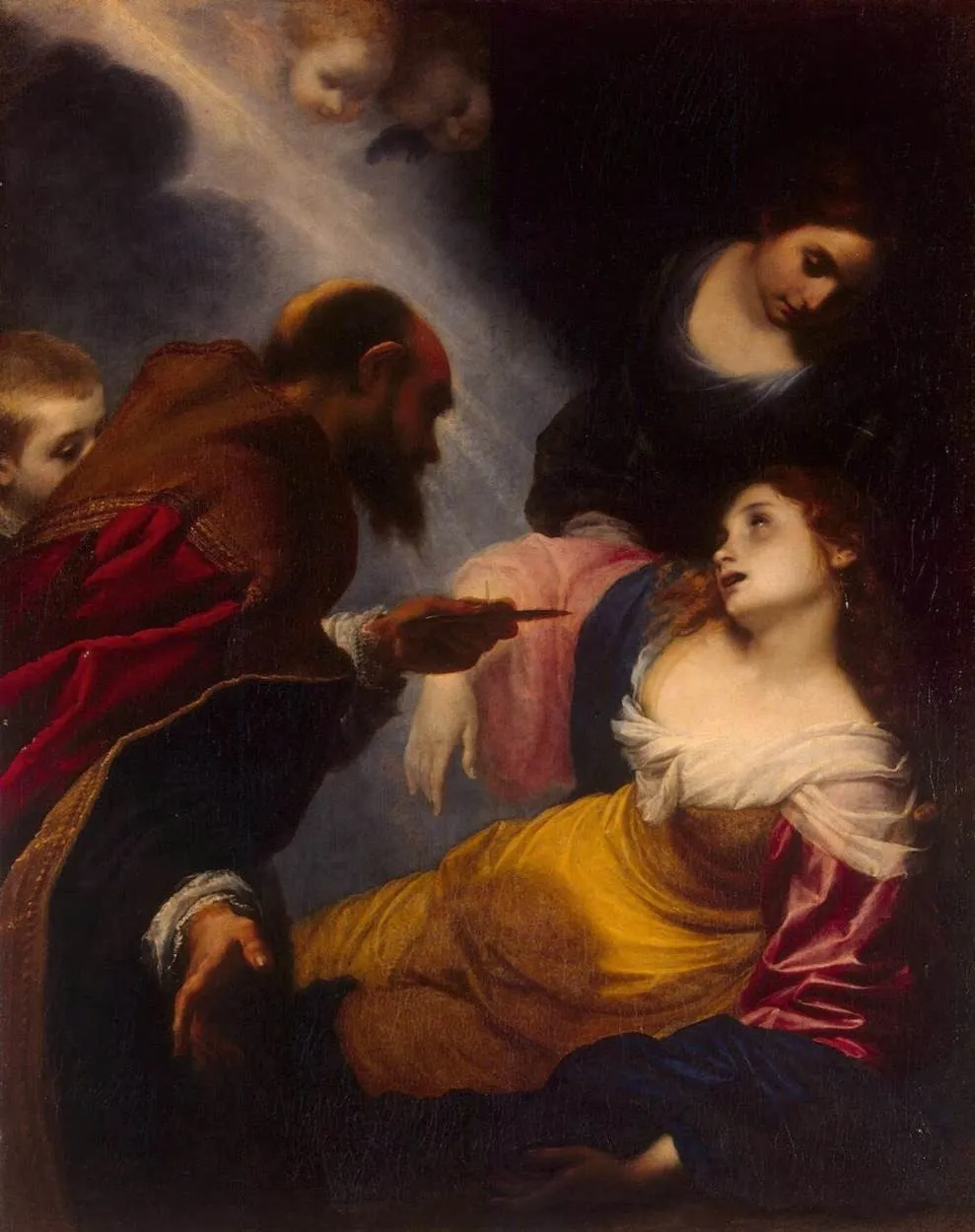
Communion of St Petronilla is an oil painting by the Early Baroque Italian artist Simone Pignoni. It dates from 1650 and is held in the collection of the Hermitage Museum.
About this work
Overview
The scene unfolds in a confined, celestial space, with figures arranged to guide the viewer’s attention toward the central figure.
Painted around 1650 by Simone Pignoni, this oil on canvas depicts a moment of spiritual revelation centered on Saint Petronilla. The work is part of the State Hermitage Museum’s collection in Saint Petersburg. Its composition emphasizes dramatic contrast and emotional intensity, characteristic of mid-17th-century Italian religious art. The scene unfolds in a confined, celestial space, with figures arranged to guide the viewer’s attention toward the central figure.
Subject & Meaning
The painting illustrates Saint Petronilla, traditionally regarded as the daughter of Saint Peter, receiving divine communion. She lies recumbent, gesturing urgently toward a celestial presence above, suggesting a moment of sacred revelation. Surrounding figures include clergy and an angelic form, each reacting to the event. The composition conveys a transition between earthly and divine realms, emphasizing the saint’s role as a conduit of spiritual grace.
Technique & Style
Pignoni employs chiaroscuro to isolate the saint’s luminous yellow and white garments against a deep, turbulent sky. The lighting sculpts her form with sharp contrasts, heightening the emotional gravity of the scene. Brushwork is controlled yet expressive, particularly in the rendering of fabric folds and the ethereal glow around the hovering figure. The dark, swirling clouds create a sense of divine movement, reinforcing the supernatural nature of the moment.
History & Provenance
The painting entered the State Hermitage Museum’s collection in the 19th century, likely acquired during a period of expanded European art acquisitions. Its attribution to Simone Pignoni, a lesser-known Florentine painter active in the mid-1600s, reflects the museum’s interest in regional Baroque traditions. Little is documented about its early ownership, but its style aligns with devotional works produced for private chapels or religious institutions in Tuscany.
Context
Created during the height of the Counter-Reformation, the painting reflects the Catholic Church’s emphasis on visual piety and saintly intercession. Petronilla, though not a biblical figure, was venerated in Rome and associated with purity and divine favor. Pignoni’s depiction follows conventions of sacred narrative painting popular in central Italy, where emotional immediacy and luminous detail were used to inspire devotion among viewers.
Legacy
Though not widely exhibited outside Russia, the painting remains a representative example of Pignoni’s devotional style and the broader Baroque tradition of intimate religious scenes. It contributes to scholarly understanding of how regional artists interpreted saintly themes with personal expressiveness. Its preservation in the Hermitage ensures continued access for study, offering insight into the visual language of 17th-century Italian spirituality.
Artist & collection

 The Last Communion of Saint Mary of Egypt
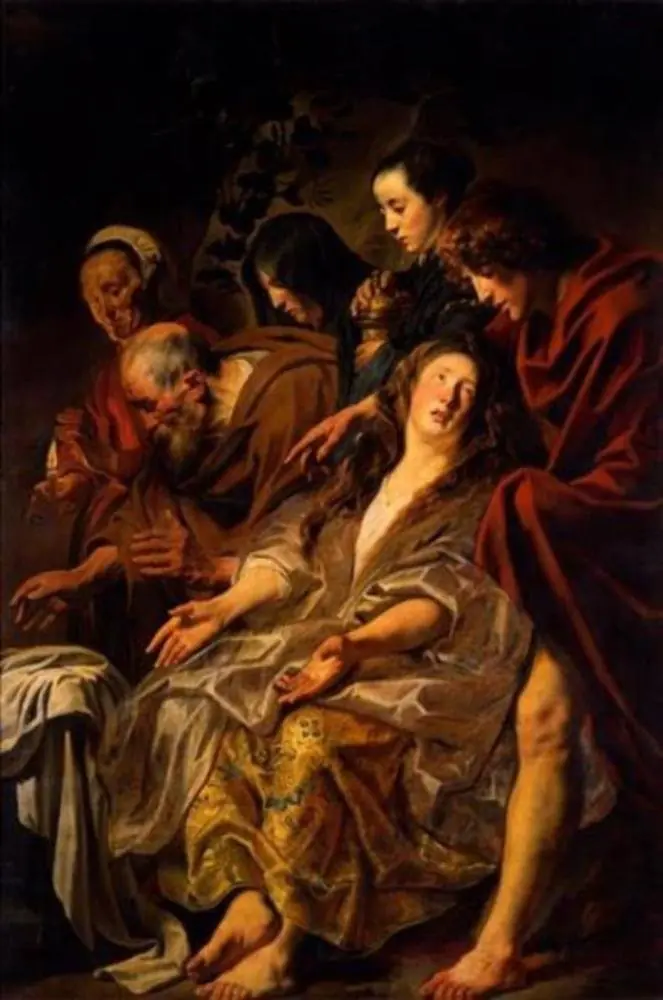 Die Angehörigen Christi am Grabe
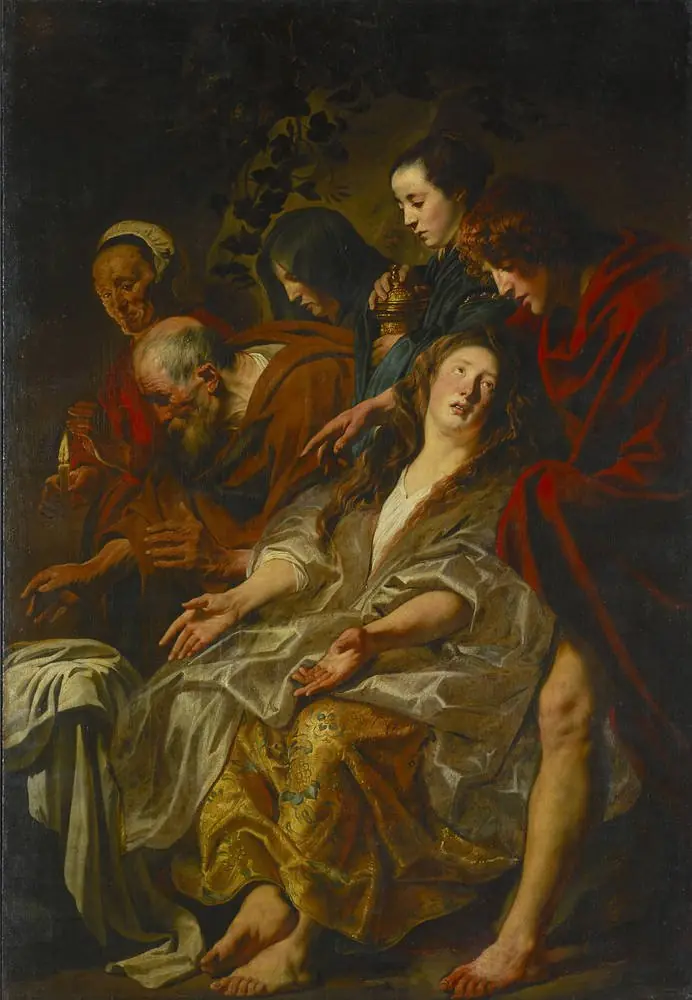 The relatives of Christ at the tomb
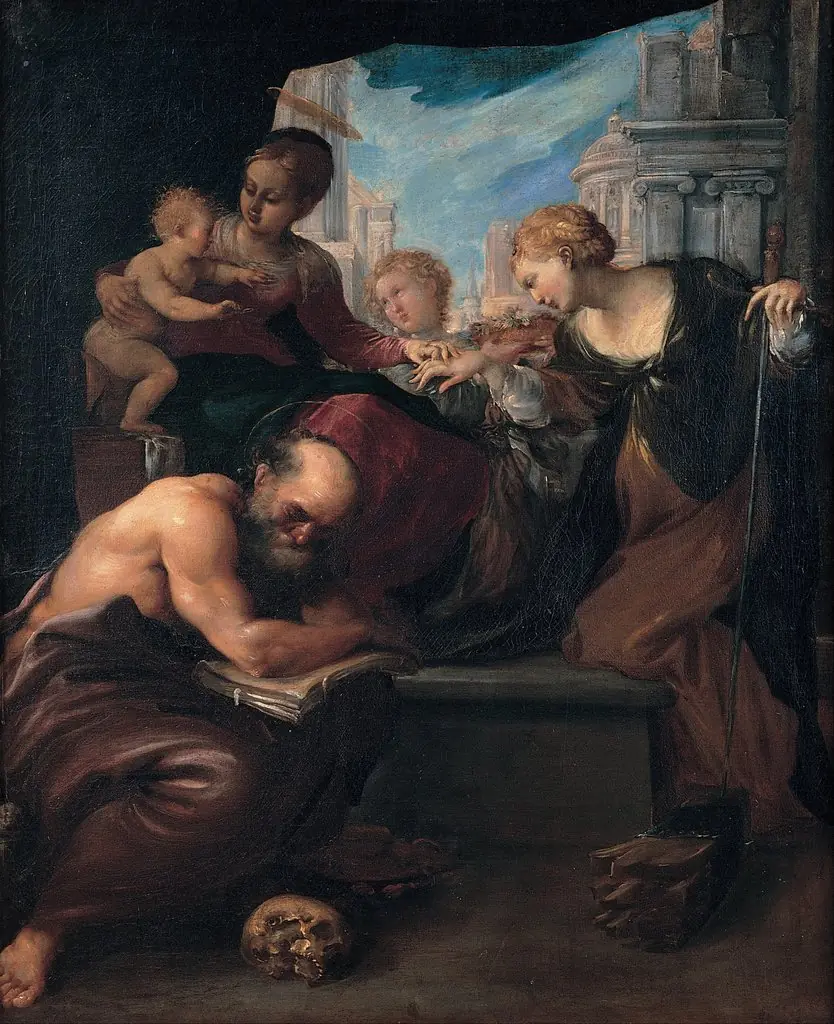 Mystic marriage of Saint Catherine
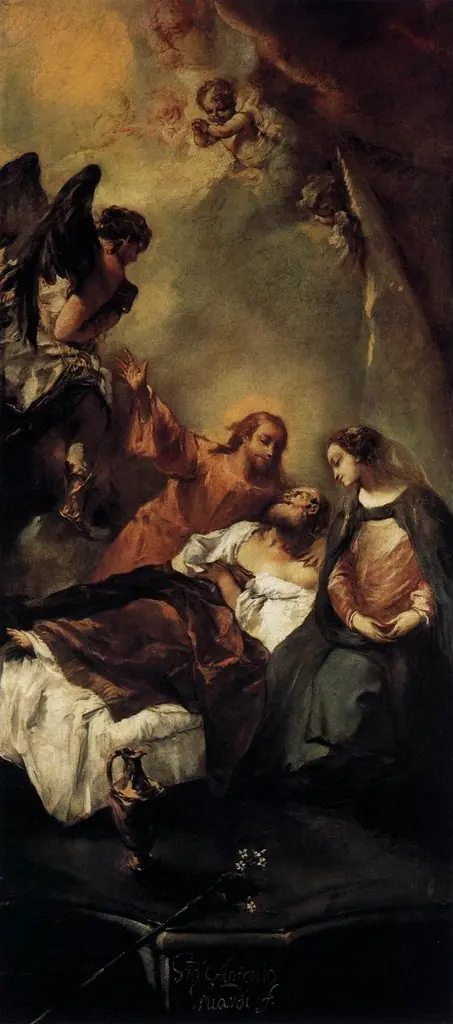 Death of Saint Joseph
 Madonna of the Cat
 Cristo e la Maddalena
 The Holy Family
 Verheissung der drei Engel an Abraham
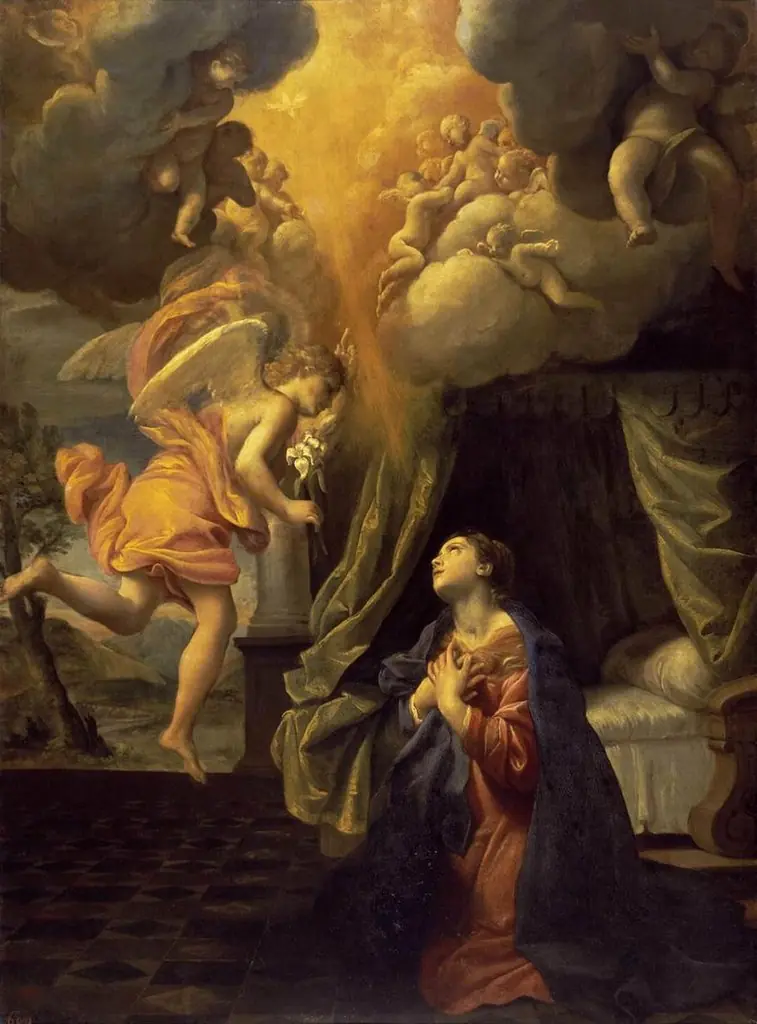 The Annunciation
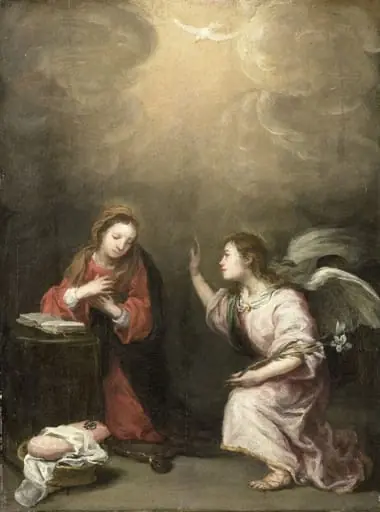 The Annunciation
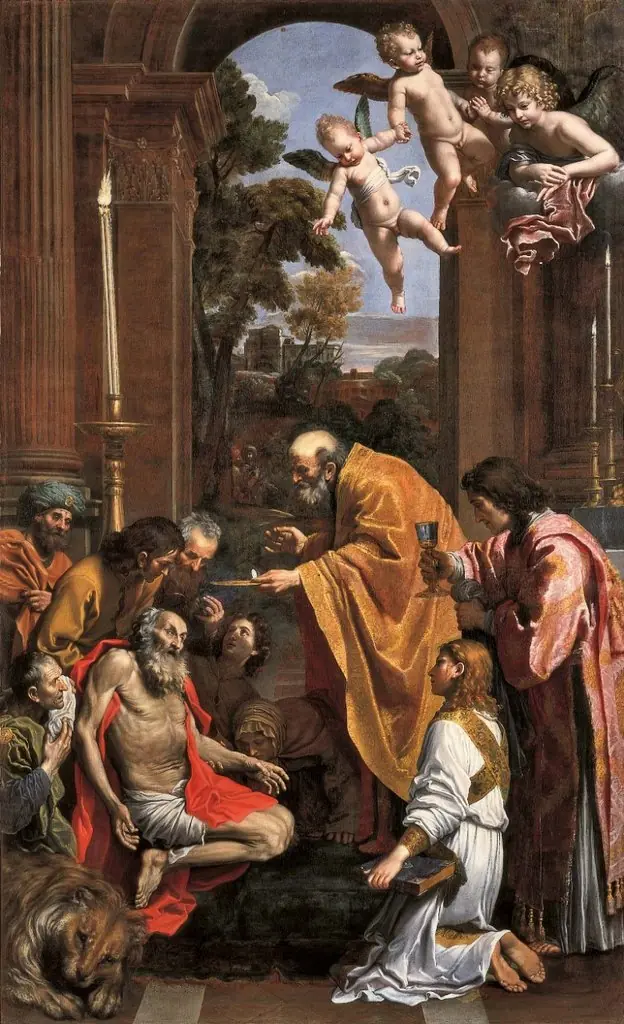 Communion of Saint Jerome