Artwork
The Knight's Esquire (L'Ecuyer)
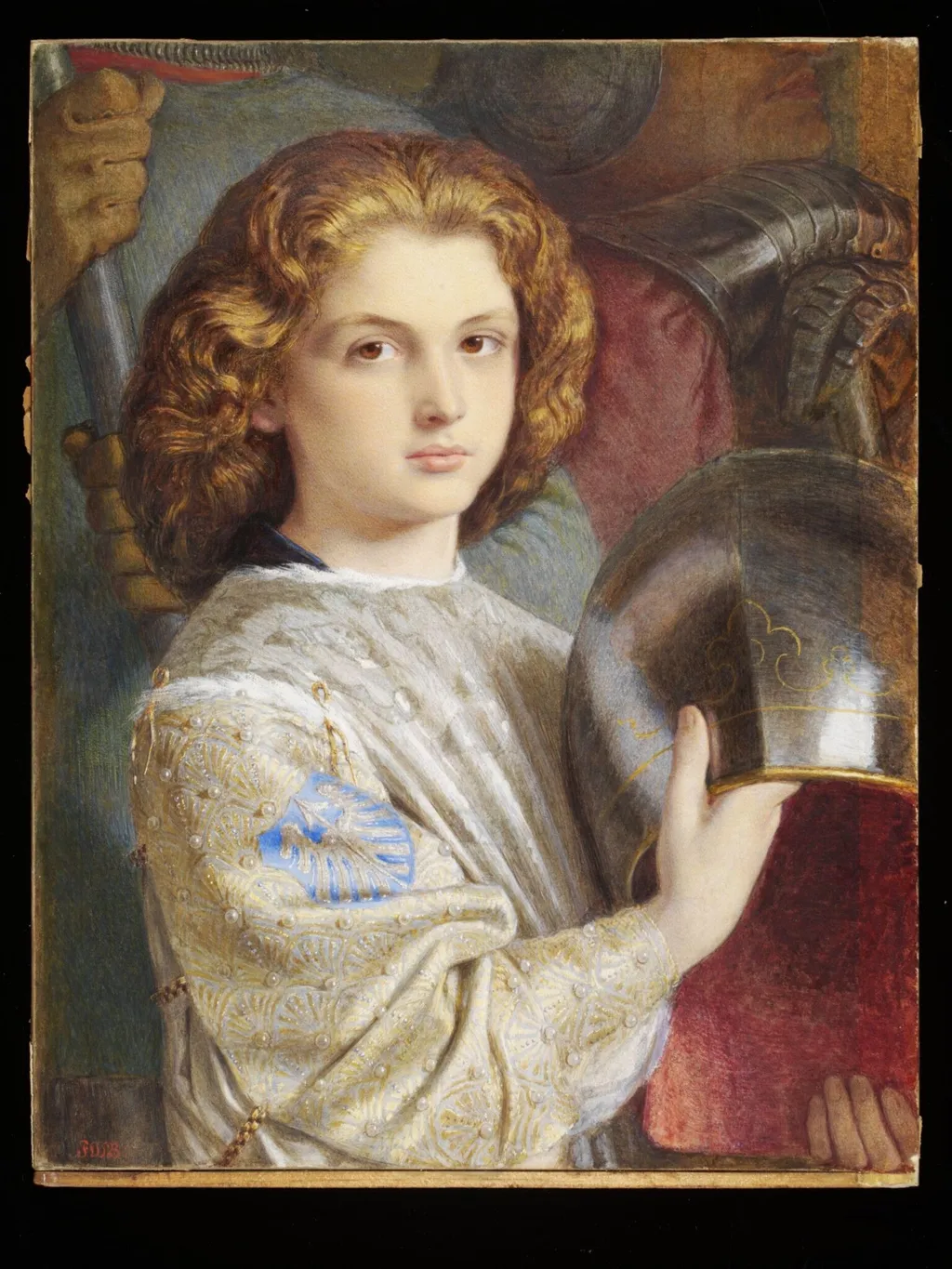
The Knight's Esquire (L'Ecuyer) is a watercolor work on paper by the British Romanticist artist Frederic William Burton. It dates from 1850 and is held in the collection of the Victoria and Albert Museum.
About this work
Overview
The Knight's Esquire (L'Ecuyer), a watercolour by Sir Frederic William Burton from 1850, captures the likeness of William Pole, later known as William Poel, a prominent Shakespearean theatre producer.
Subject & Meaning
The subject, a young man identified as William Pole, is depicted in attire suggestive of a medieval knight's attendant, indicated by a white robe with gold embroidery and associated armor and weaponry.
Technique & Style
Burton's watercolour technique in this piece emphasizes intricate detail, particularly in the embroidered robe and armor, conveying a sense of nobility. The artist's initials are subtly integrated in red.
History & Provenance
Created in 1850, the work predates Pole's later career as William Poel, a renowned producer of Shakespearean plays, who lived until 1934.
Context
The medieval-inspired setting and attire reflect a Victorian interest in historical and chivalric themes, common in the era's art and literature.
Legacy
While the artwork's direct influence is not broadly documented, it remains a notable example of Burton's watercolour skill and a historical portrait of a significant figure in Shakespearean theatre production.
Artist & collection
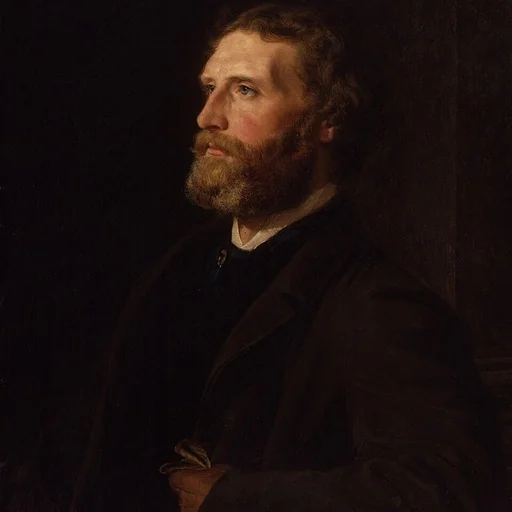
Artist
Sir Frederic William Burton (8 April 1816 in Wicklow – 16 March 1900 in London) was an Irish Victorian painter and curator who was the third director of the National Gallery, London for 20 years from 1874.

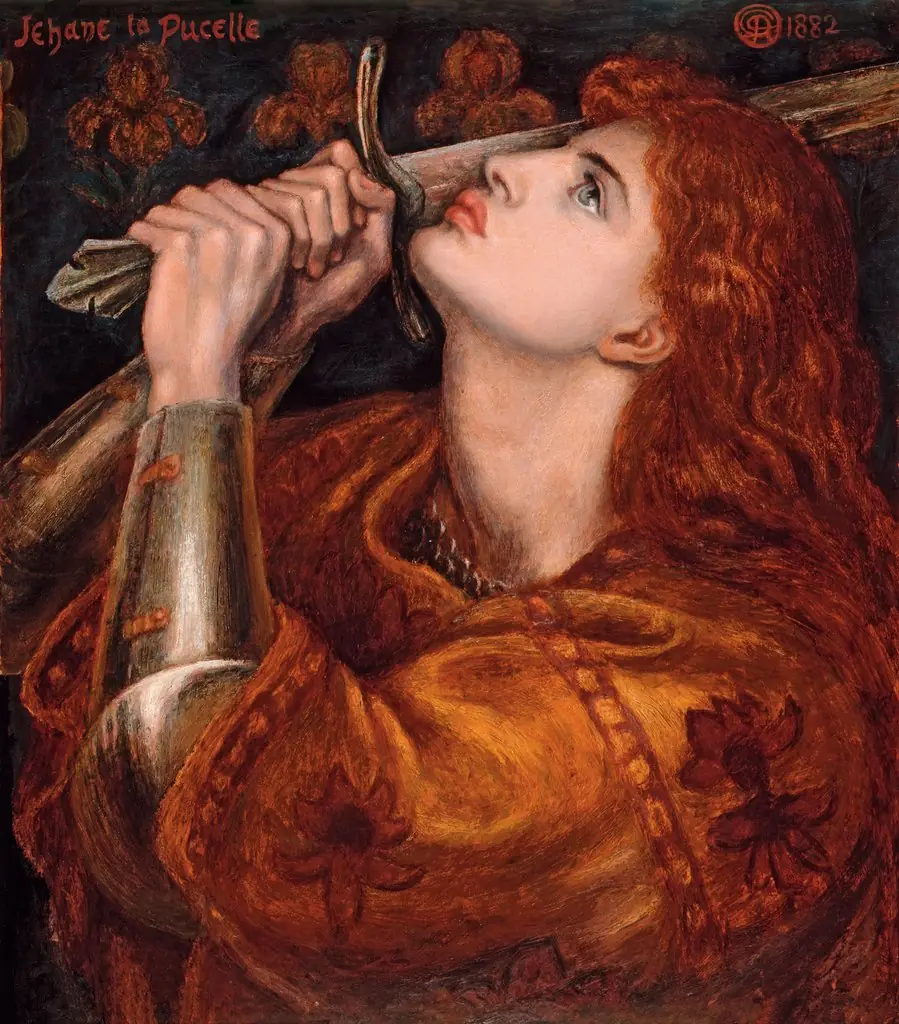 Joan of Arc
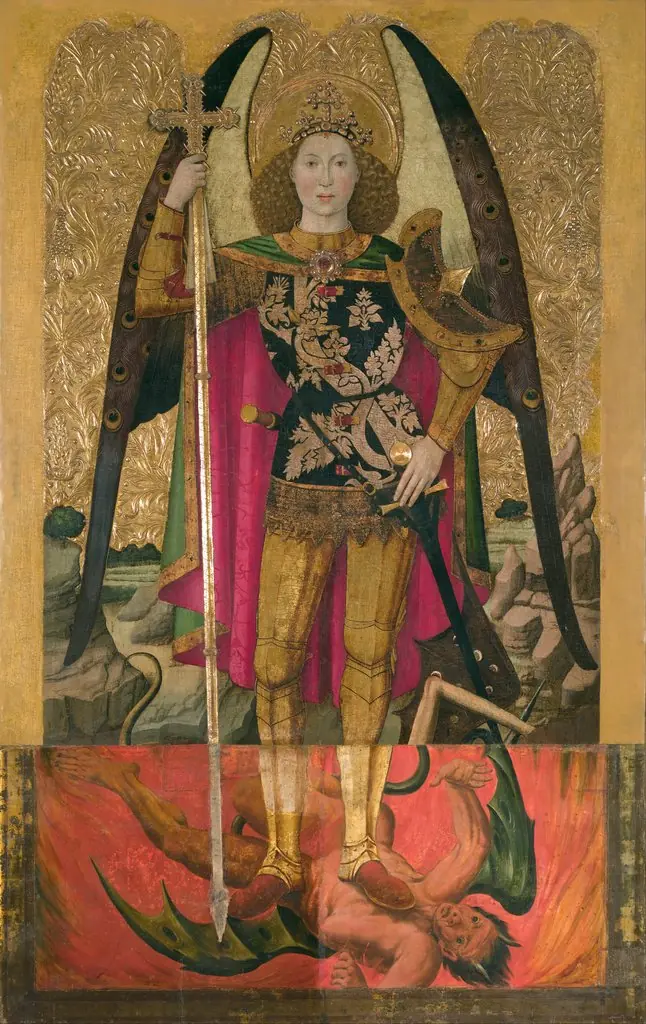 Saint Michael
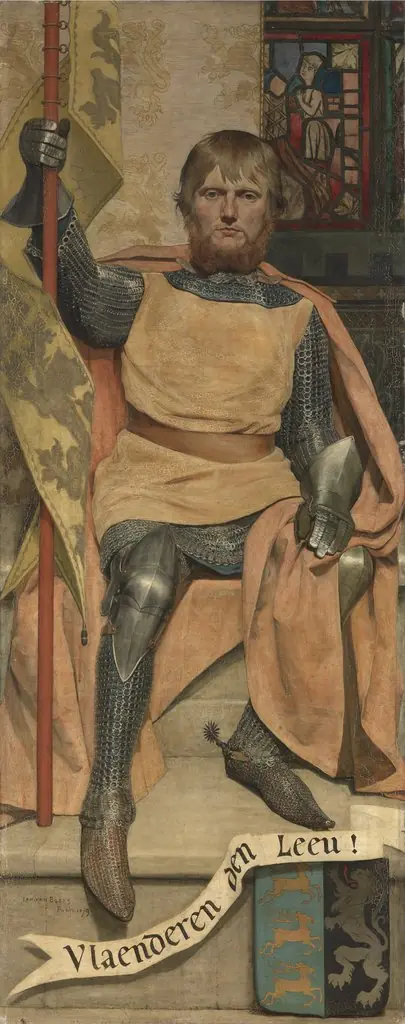 Jan Borluut, Patrician of Ghent
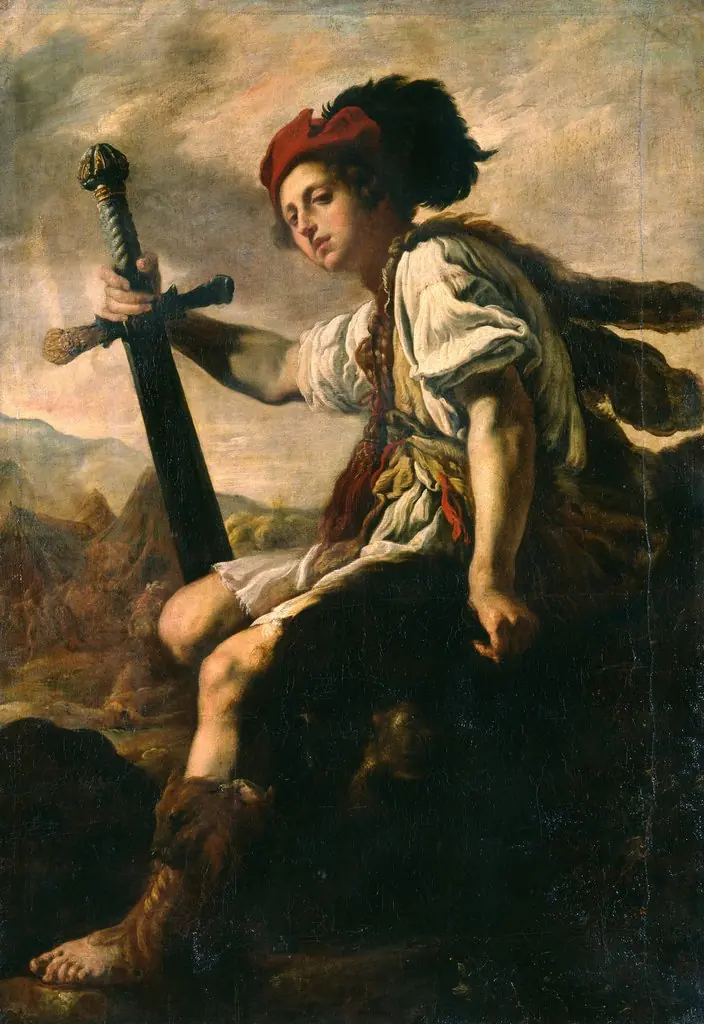 David with the Head of Goliath
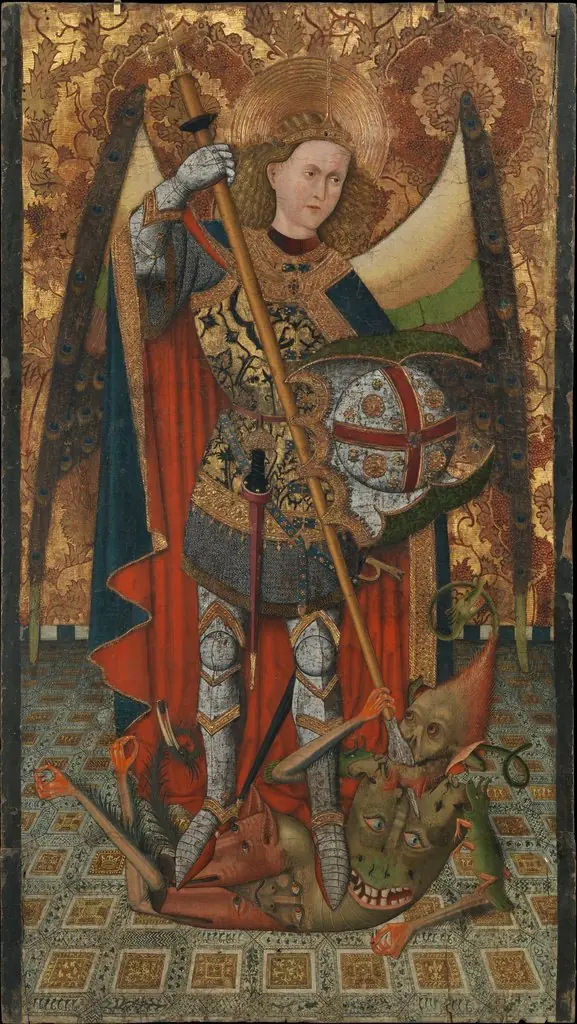 Saint Michael
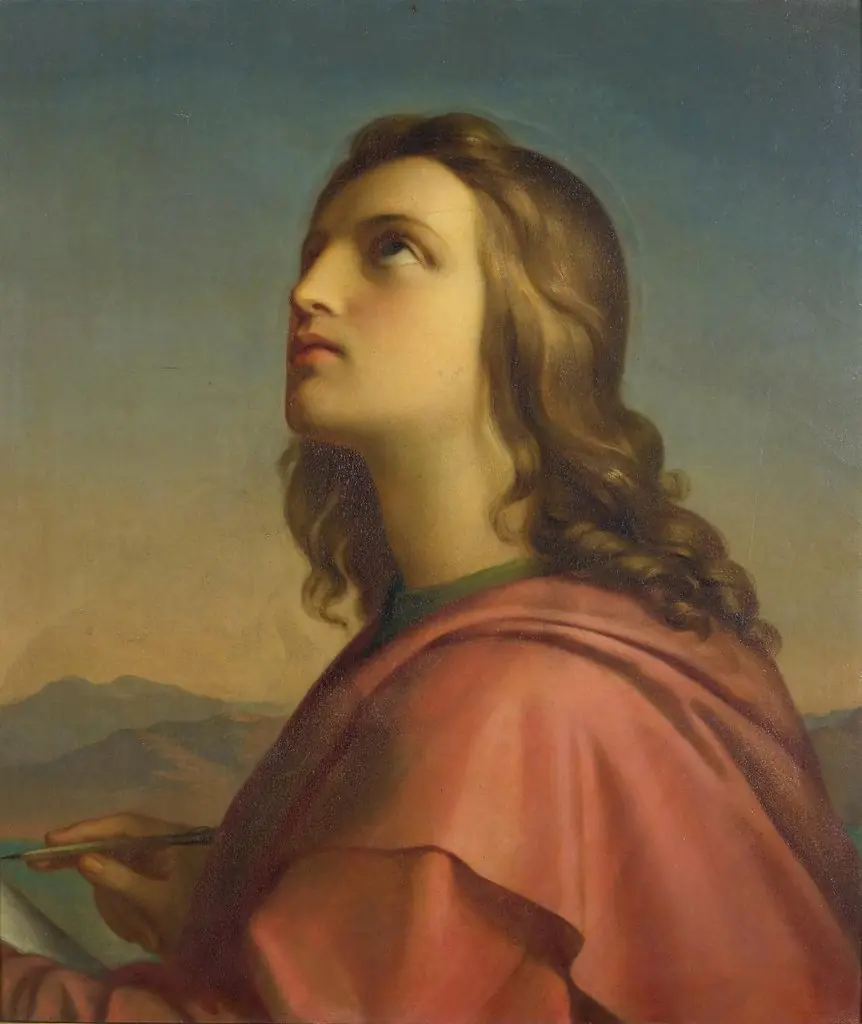 Johannes auf Patmos
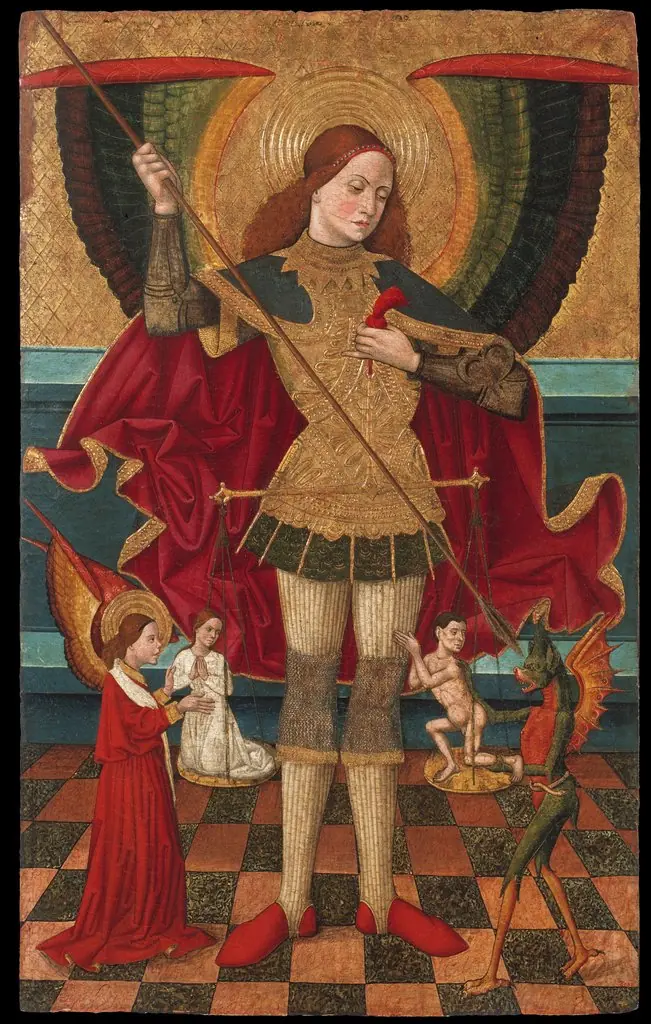 Saint Michael Weighing Souls
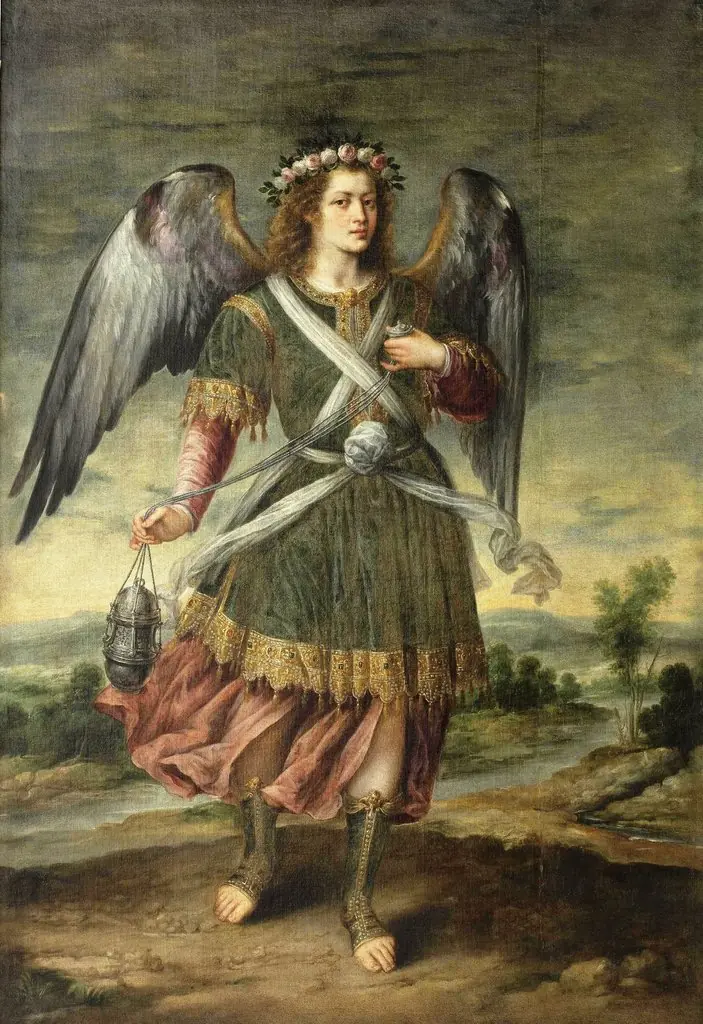 Archangel Seatiel with a censer
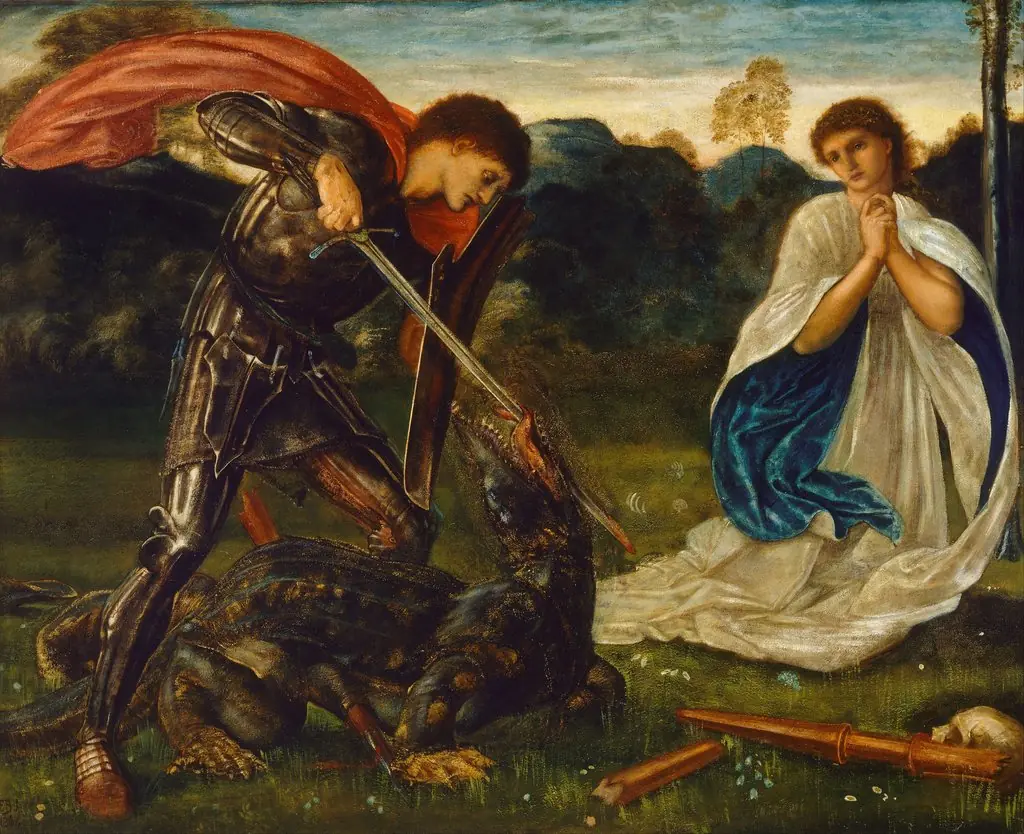 The fight: St George kills the dragon
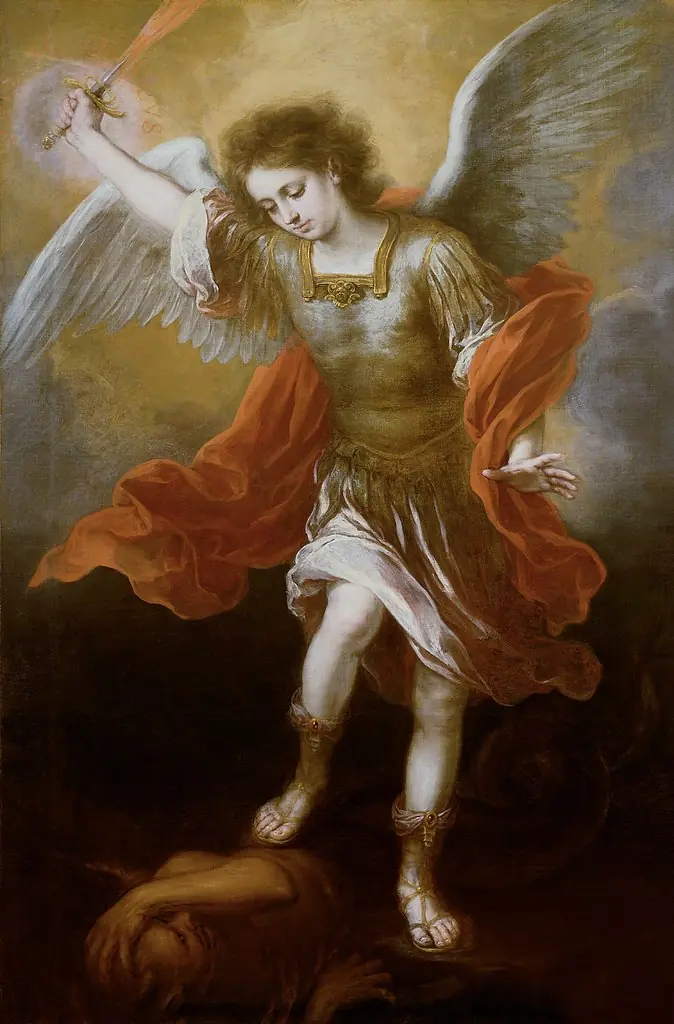 Archangel Michael plunges the devil into the abyss
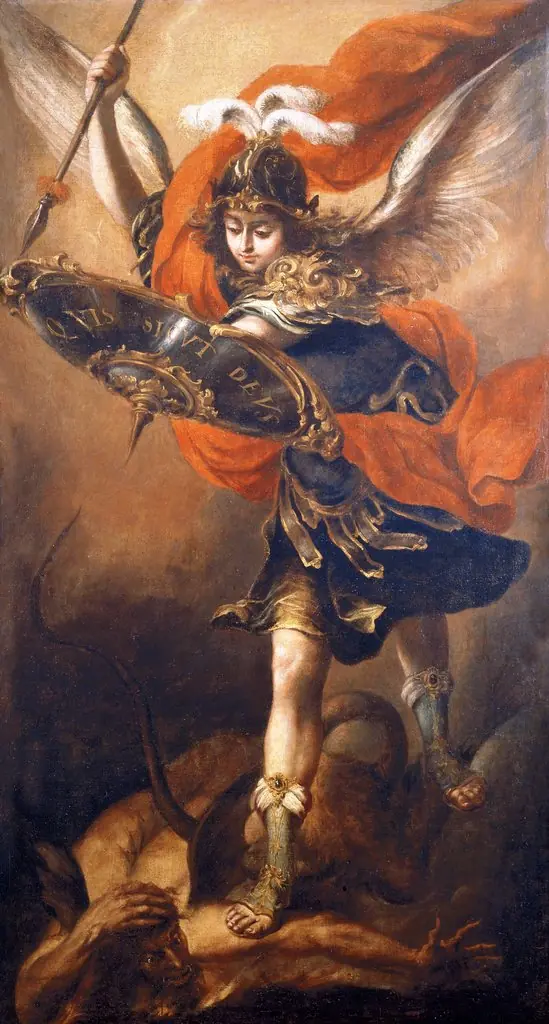 The Archangel Michael
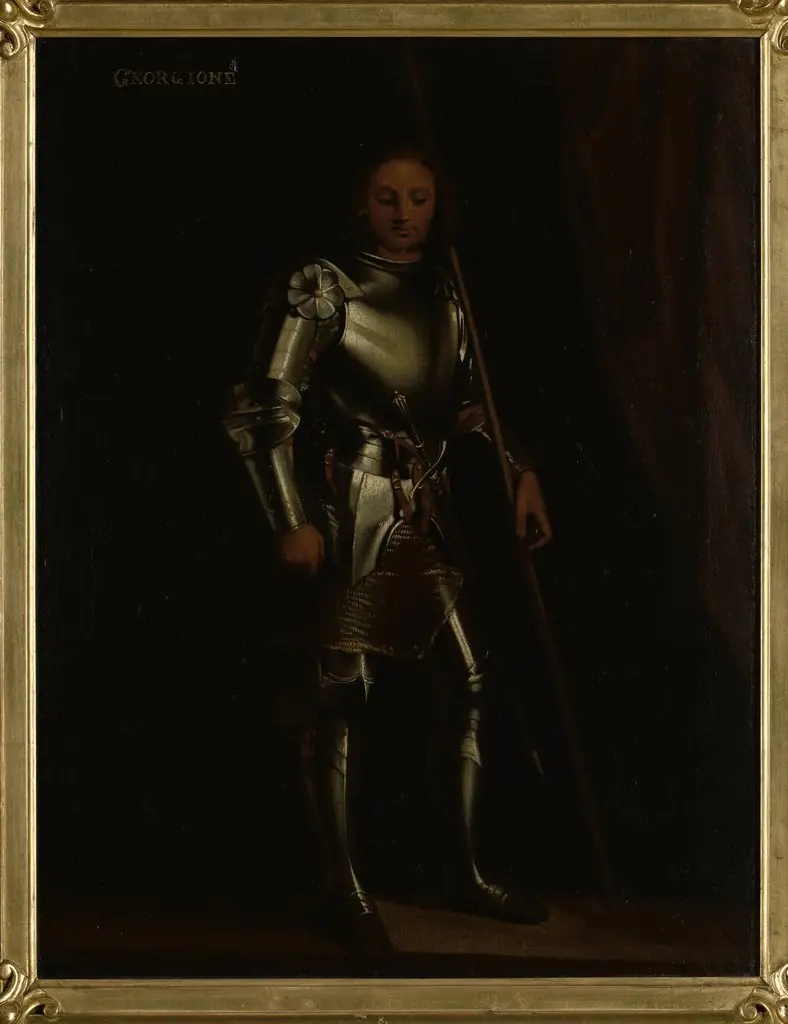 Knight in Armour – Saint George (?)