Artwork
David with the Head of Goliath
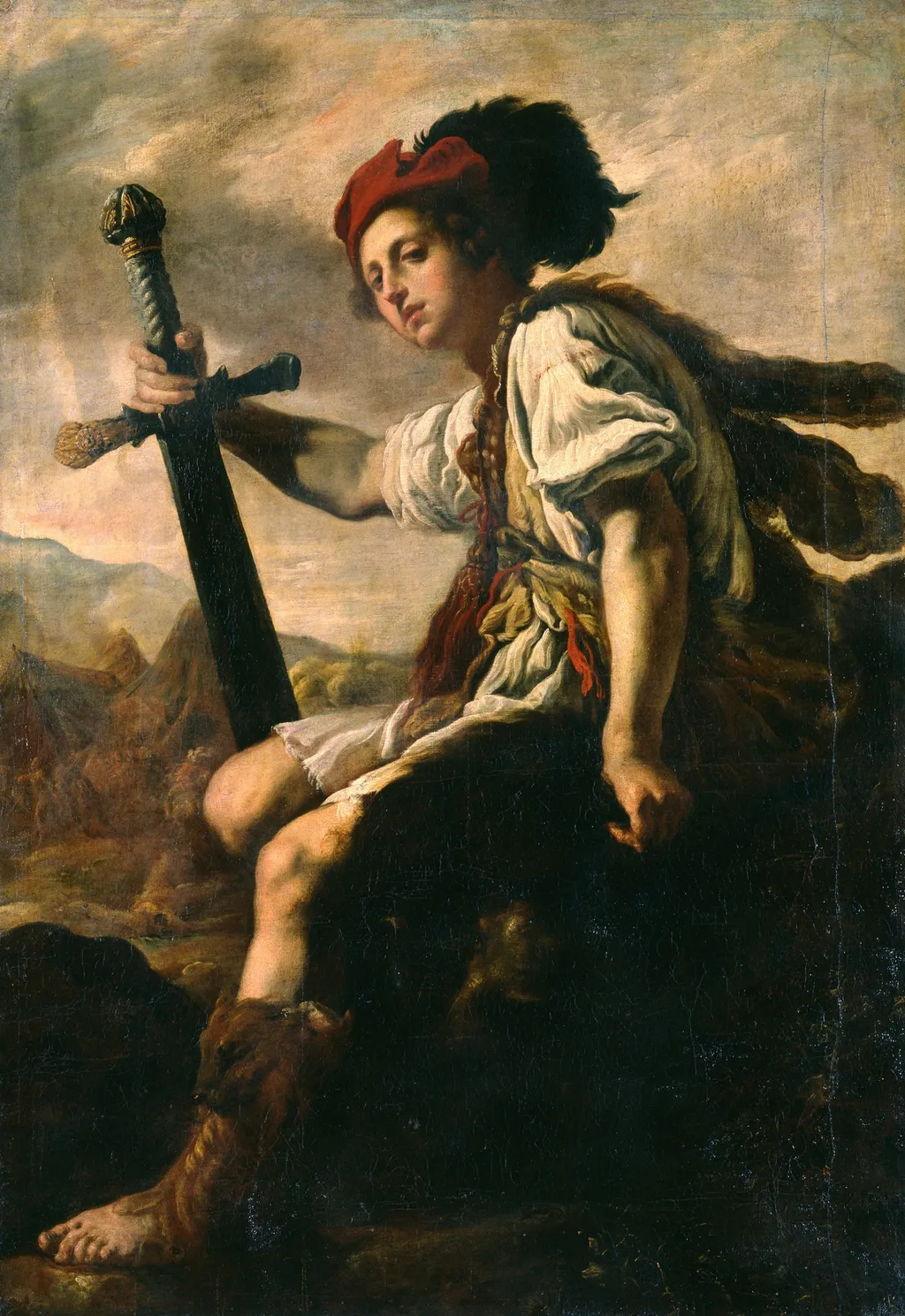
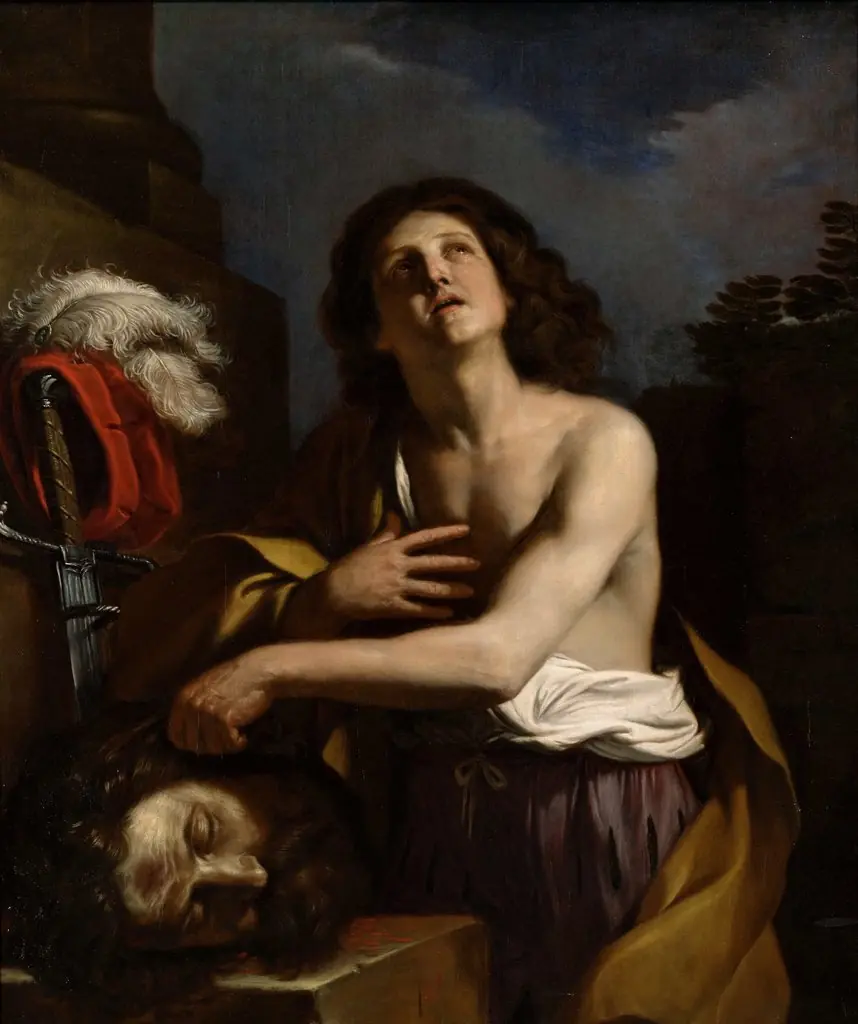
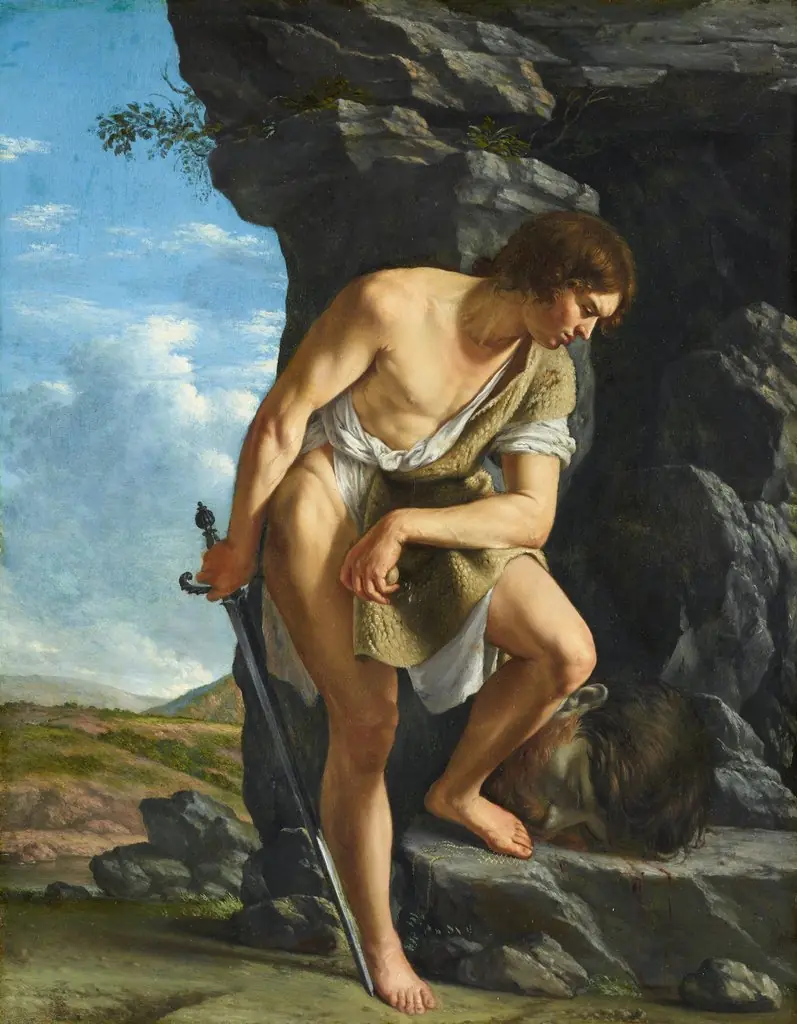
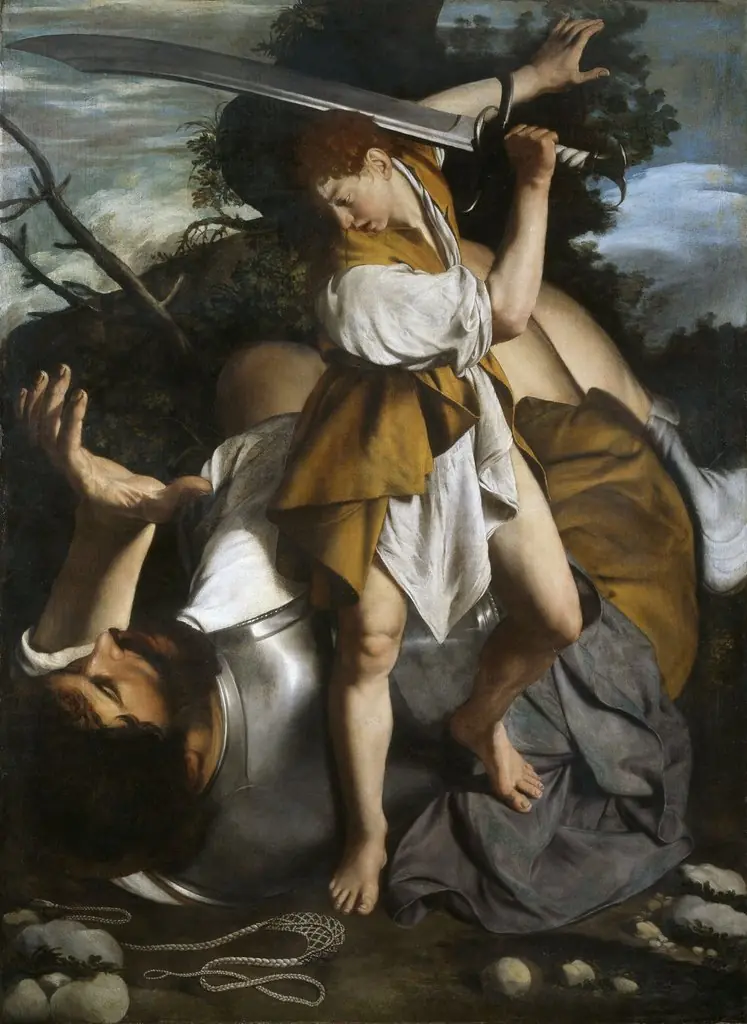
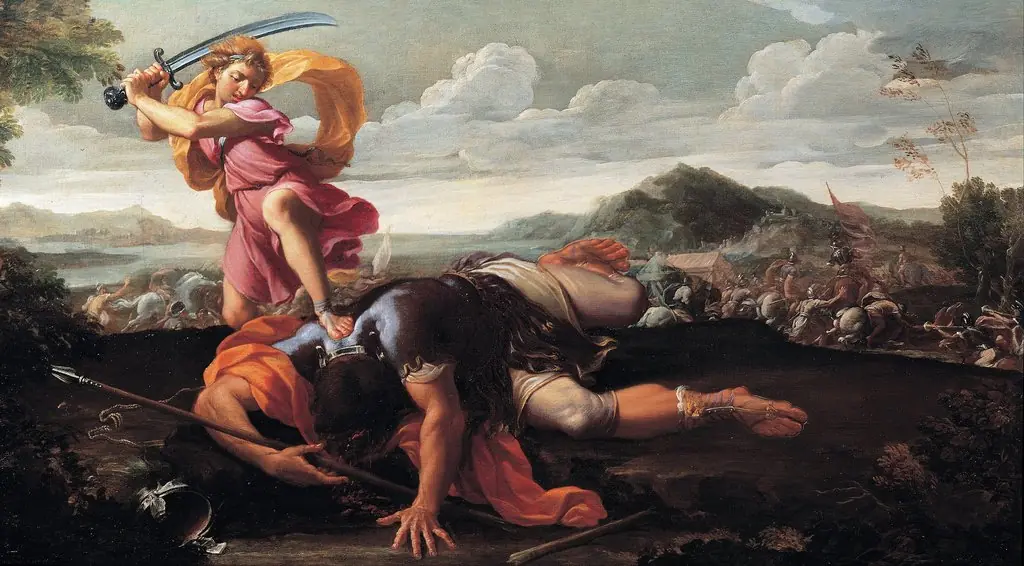
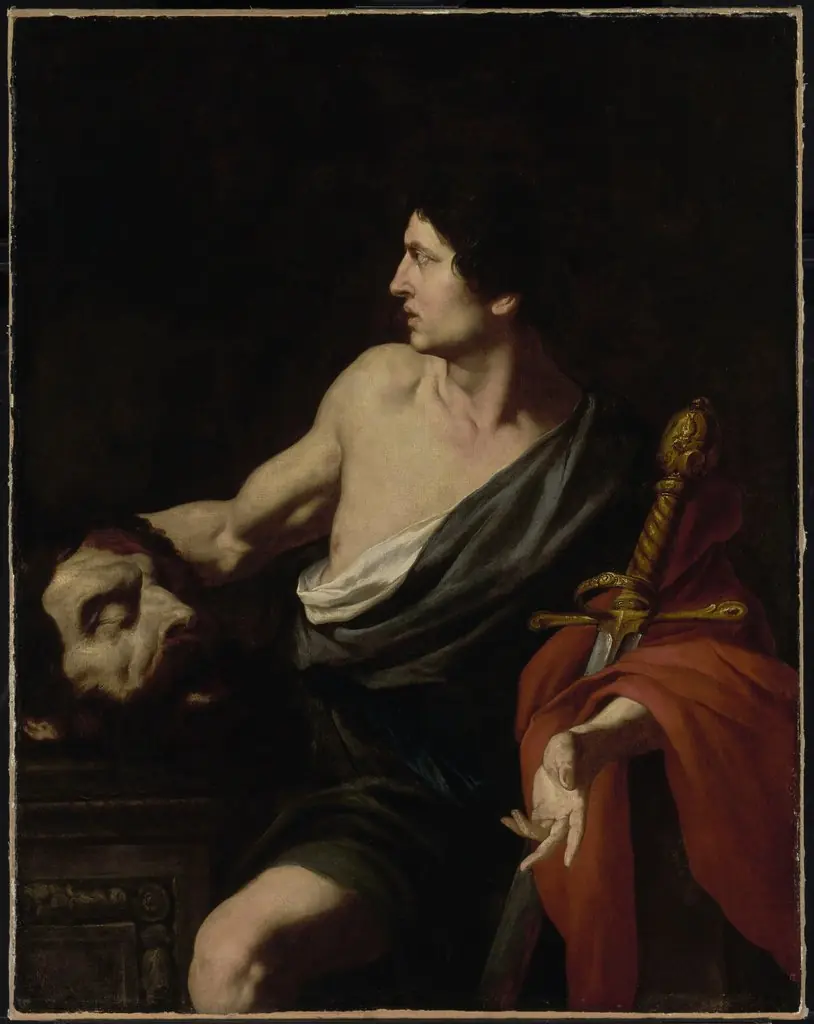
David with the Head of Goliath is an oil painting by the Early Baroque Italian artist Domenico Fetti. It dates from 1614 and is held in the collection of the Staatliche Kunstsammlungen Dresden.
About this work
Overview
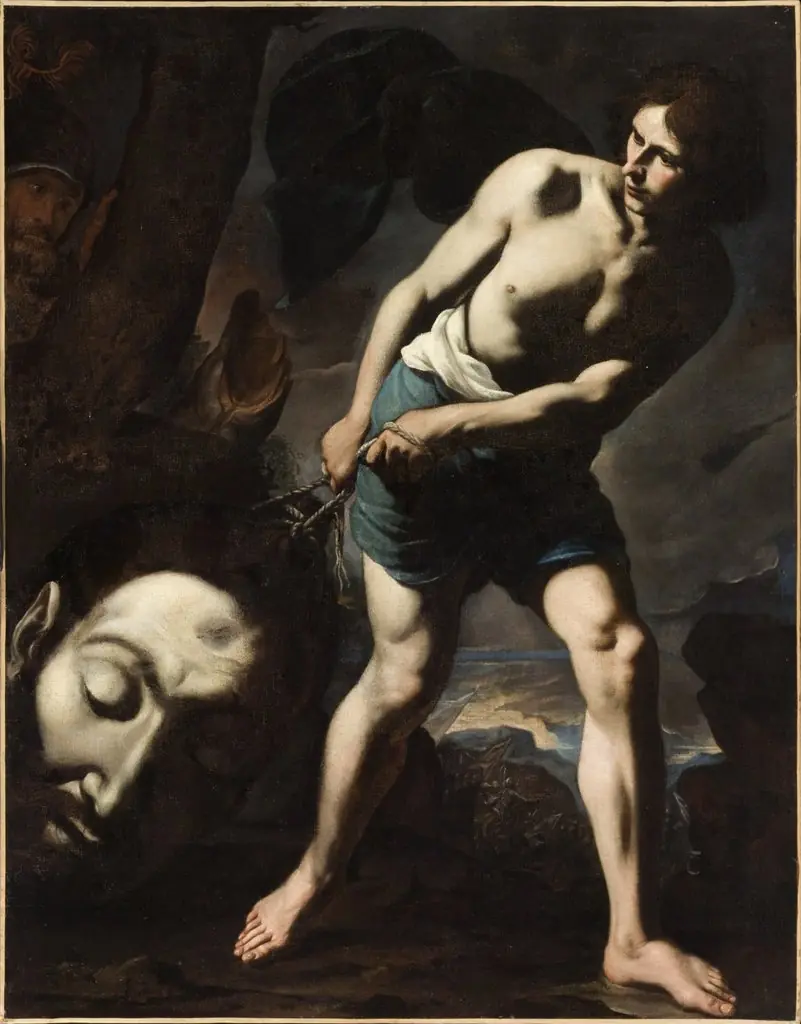
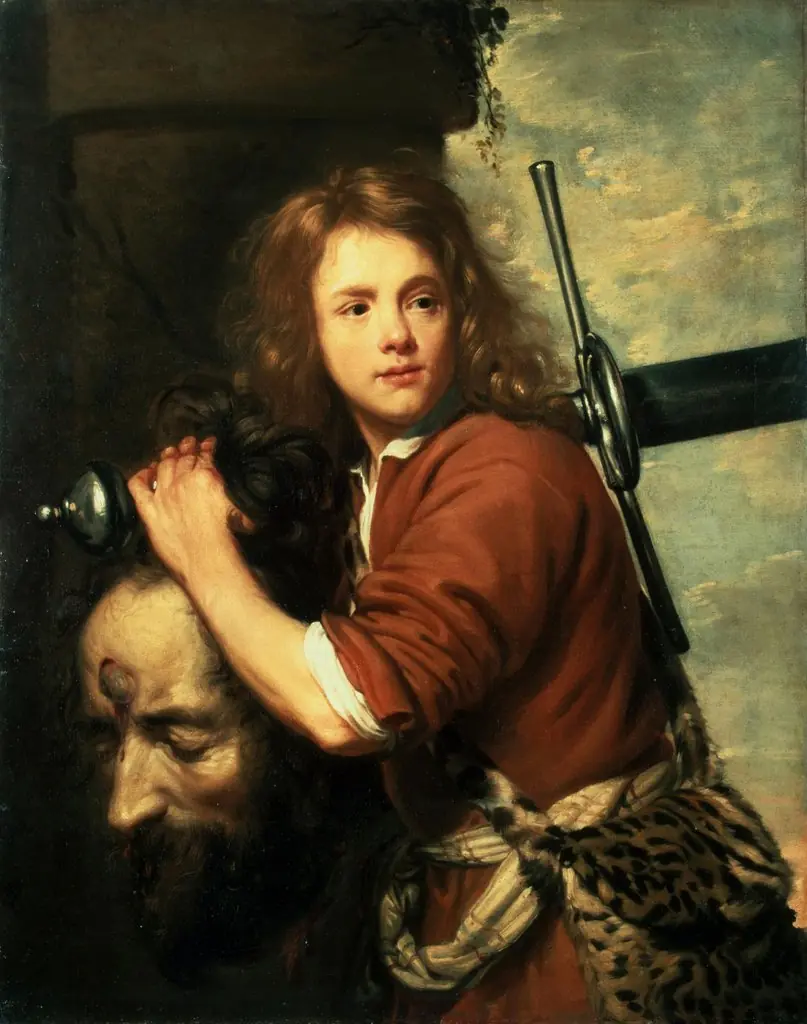
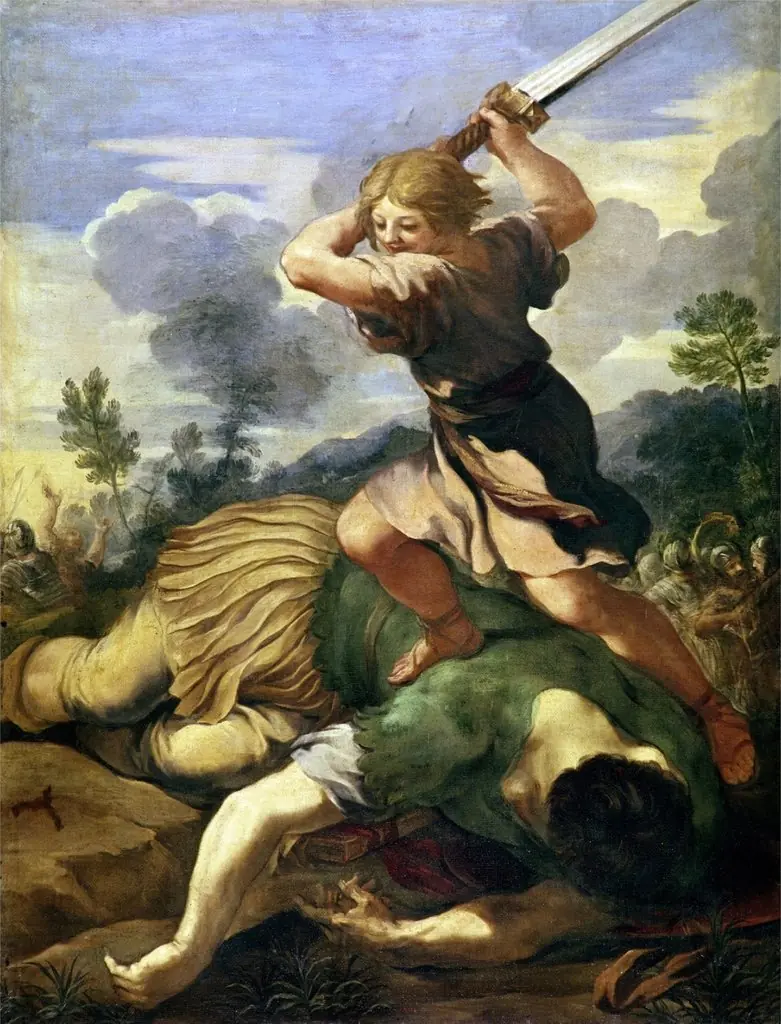
Domenico Fetti’s 1614 oil painting, *David with the Head of Goliath*, presents the biblical hero David clutching the severed head of the Philistine giant. Executed in the early Italian Baroque idiom, the work is part of the religious genre collection of the Gemäldegalerie Alte Meister. Its composition centers on a youthful figure in a white tunic and red headband, set against a cloudy sky.
Subject & Meaning
The scene captures the decisive moment after David’s victory, emphasizing calm determination rather than triumphal exuberance. David’s steady gaze and poised sword convey confidence, while the giant’s head, frozen in a shocked expression, underscores the dramatic reversal of power. The painting thus reflects themes of divine providence and moral courage inherent in the biblical narrative.
Technique & Style
The brushwork is smooth, typical of early Baroque, with careful modeling of flesh and fabric that creates a three‑dimensional presence.
Fetti employs a restrained palette of whites, reds, and earth tones, allowing the contrast between the illuminated figure and the darkened background to heighten emotional impact. The brushwork is smooth, typical of early Baroque, with careful modeling of flesh and fabric that creates a three‑dimensional presence. The cloudy sky adds atmospheric depth, reinforcing the sense of a fleeting, dramatic instant.
History & Provenance
Created in 1614, the work belongs to the period when Fetti was active in Rome, Mantua, and Venice, synthesizing influences from those artistic centers. It entered the Gemäldegalerie Alte Meister collection, where it remains on display, providing insight into the painter’s religious commissions and the diffusion of Baroque aesthetics across northern Italy.
Context
Fetti’s career unfolded amid the Counter‑Reformation’s demand for clear, emotionally resonant religious imagery. By portraying a familiar biblical episode with immediacy and psychological nuance, the painting aligns with contemporary efforts to engage viewers spiritually. Its early Baroque characteristics anticipate later developments in dramatic lighting and narrative focus that would dominate Italian art in the seventeenth century.
Own this work as a print
Artist & collection
Artist
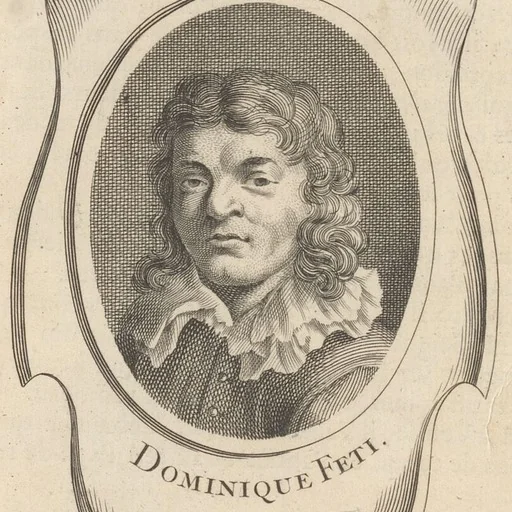
Domenico Fetti (also spelled Feti) (c. 1589 – 16 April 1623) was an Italian Baroque painter who was active mainly in Rome, Mantua and Venice.