Artwork
Jan Borluut, Patrician of Ghent
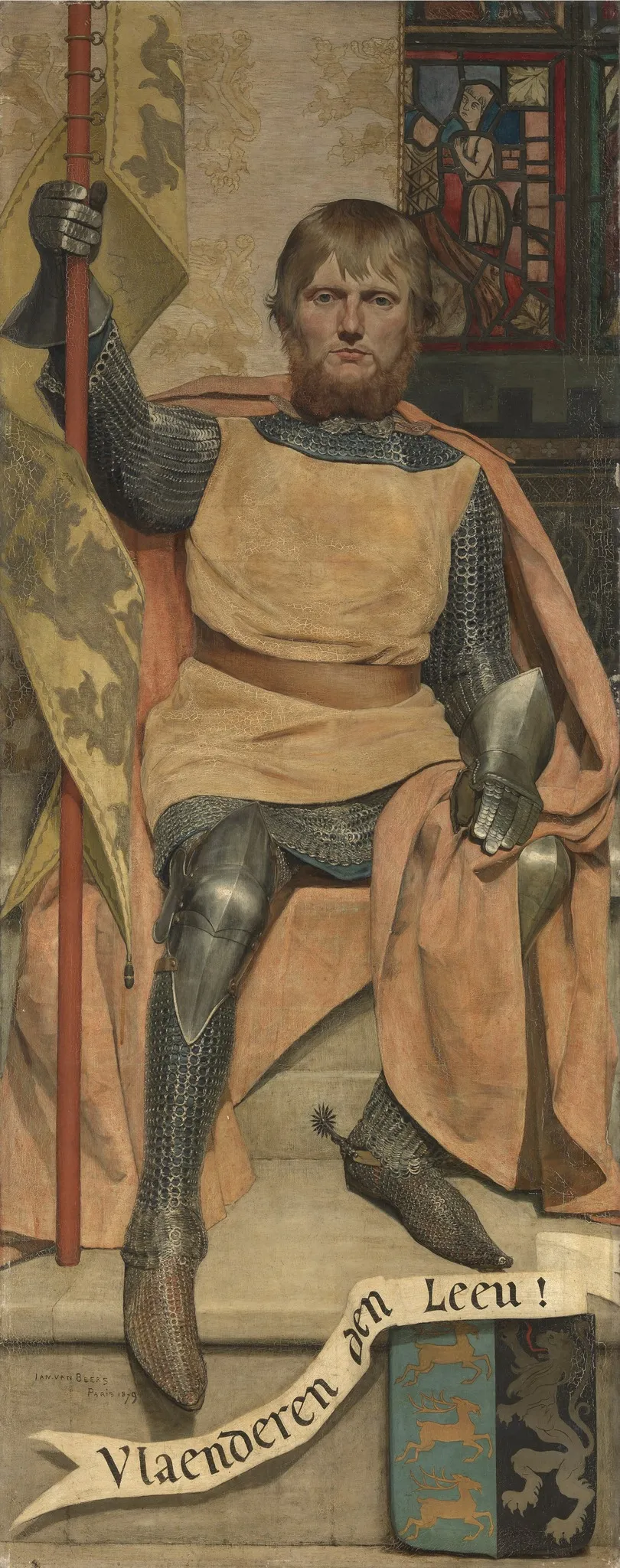
Jan Borluut, Patrician of Ghent is an oil painting by the Impressionist artist Jan van Beers. It dates from 1890 and is held in the collection of the Royal Museum of Fine Arts Antwerp.
About this work
Overview
Van Beers, recognized for his portraiture and illustrative work, captured Borluut in formal attire, emphasizing his civic status.
Painted in 1890 by Belgian artist Jan van Beers, this oil portrait depicts Jan Borluut, a notable figure from Ghent. Van Beers, recognized for his portraiture and illustrative work, captured Borluut in formal attire, emphasizing his civic status. The painting resides in the collection of the Royal Museum of Fine Arts Antwerp, where it serves as a record of regional aristocratic identity in late 19th-century Belgium.
Subject & Meaning
Jan Borluut is portrayed as a patrician, likely a member of Ghent’s historic ruling class. His elaborate robe, wide belt, and throne-like chair signify authority and inherited status. The large yellow flag he holds may represent civic or guild affiliation, though its emblem remains indistinct. The portrait conveys dignity and social standing rather than individual personality, aligning with conventions of civic portraiture in Flemish tradition.
Technique & Style
Van Beers employed oil paint with a loose, atmospheric handling that reflects Impressionist influence, particularly in the rendering of light across fabric and the soft blending of background tones. While the figure is rendered with precision, the surroundings are suggested rather than detailed, creating a balance between formal portraiture and modern brushwork. The palette is restrained, focusing on rich earth tones and the contrast of the yellow flag.
History & Provenance
Commissioned or acquired during the late 19th century, the portrait entered the Royal Museum of Fine Arts Antwerp’s collection as part of its effort to document regional cultural figures. Van Beers, son of the poet Jan van Beers, was active in Belgian artistic circles and contributed illustrations to literary publications, but this portrait stands as one of his few known large-scale oil works. Its provenance remains tied to Antwerp since its acquisition.
Context
In the 1890s, Belgium experienced a resurgence of interest in regional history and civic identity. Portraits of patricians like Borluut reflected this cultural moment, blending historical reverence with contemporary artistic trends. While academic traditions still dominated official portraiture, Impressionist techniques were increasingly adopted to convey presence and texture without overt idealization, as seen in this work.
Legacy
The portrait remains a modest but significant example of how Belgian artists engaged with civic heritage through modernized techniques. Though not widely exhibited outside Antwerp, it contributes to the understanding of regional identity in late 19th-century Flanders. Van Beers’s approach here bridges traditional portraiture and emerging naturalism, offering insight into the evolving role of the artist as recorder of social status.
Artist & collection
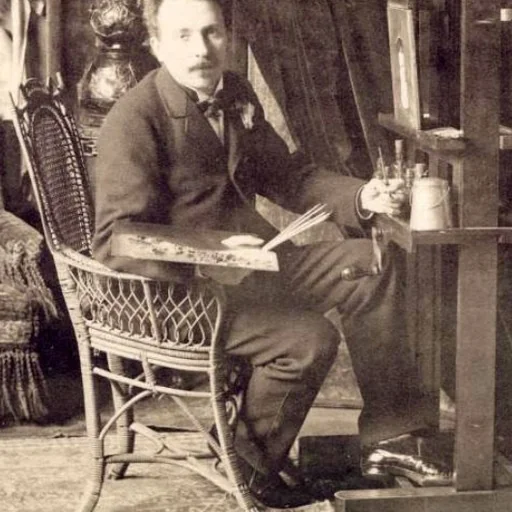
Artist
Jean Marie Constantin Joseph "Jan" van Beers (27 March 1852 – 17 November 1927) was a Belgian painter and illustrator, son of the poet Jan van Beers.

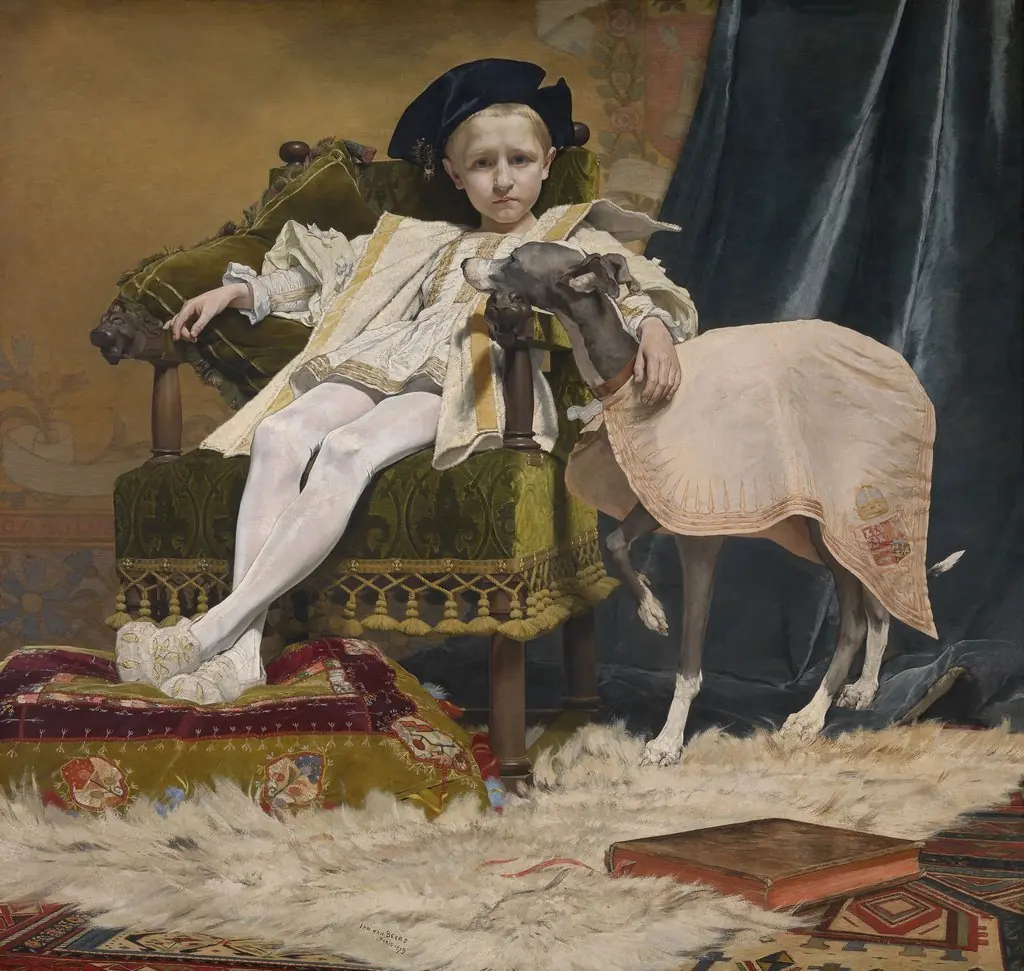 Emperor Charles V as a child
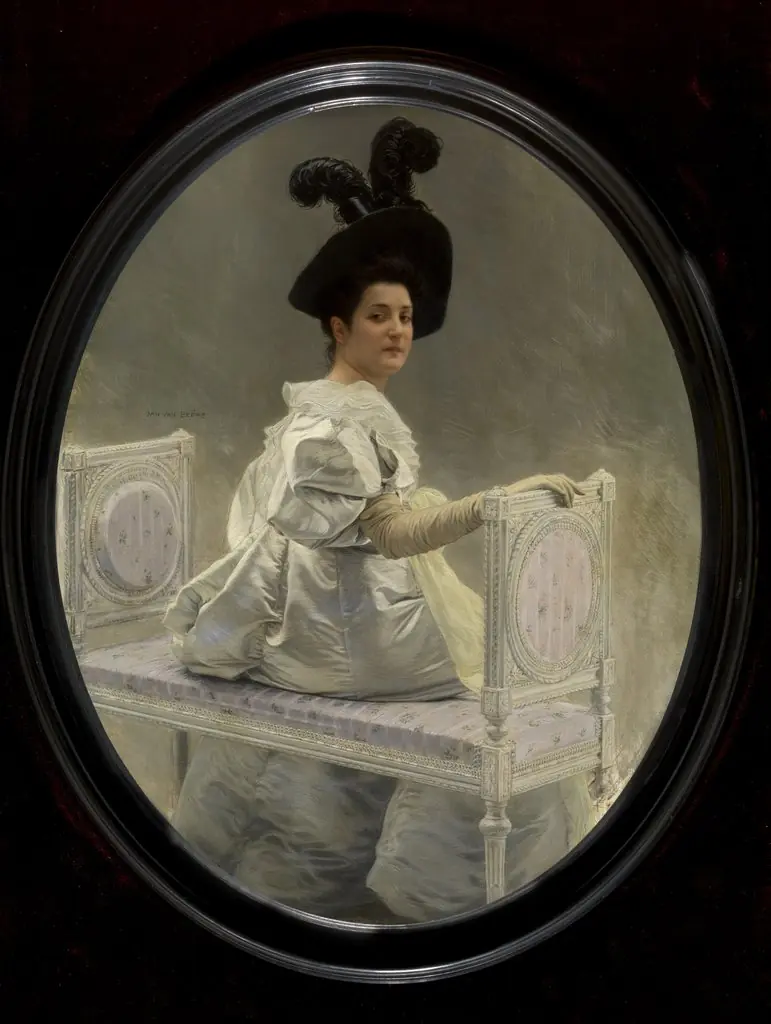 Woman in White
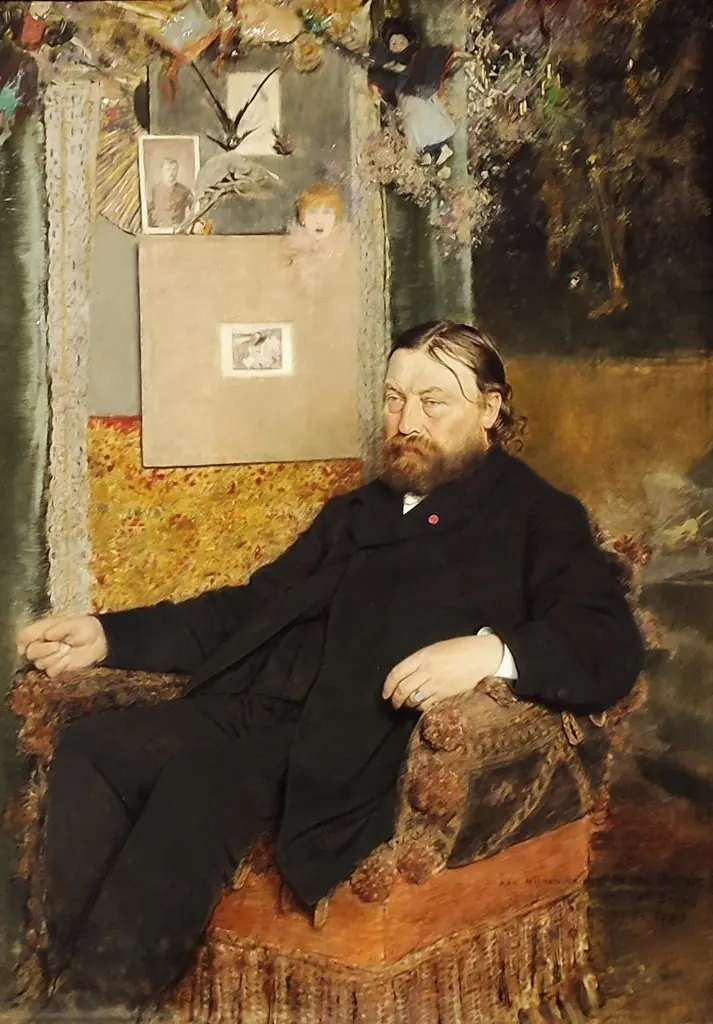 The composer Peter Benoit
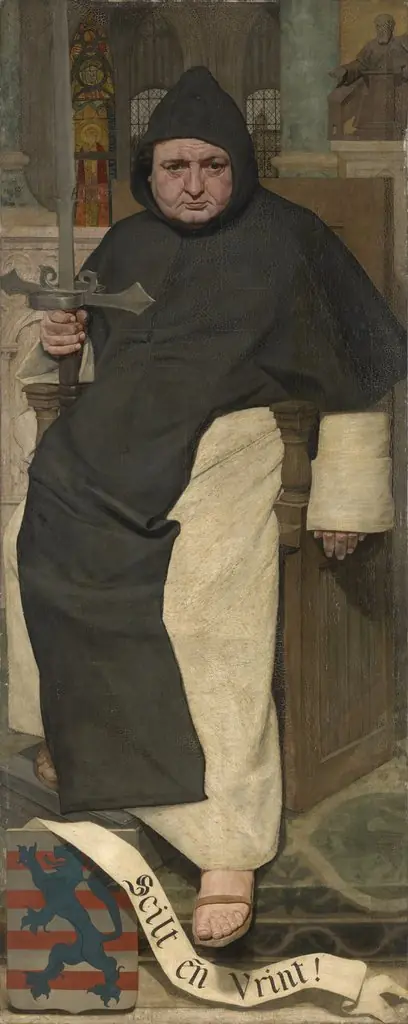 Willem van Saeftinghe, Lay Brother of Ter Doest Abbey
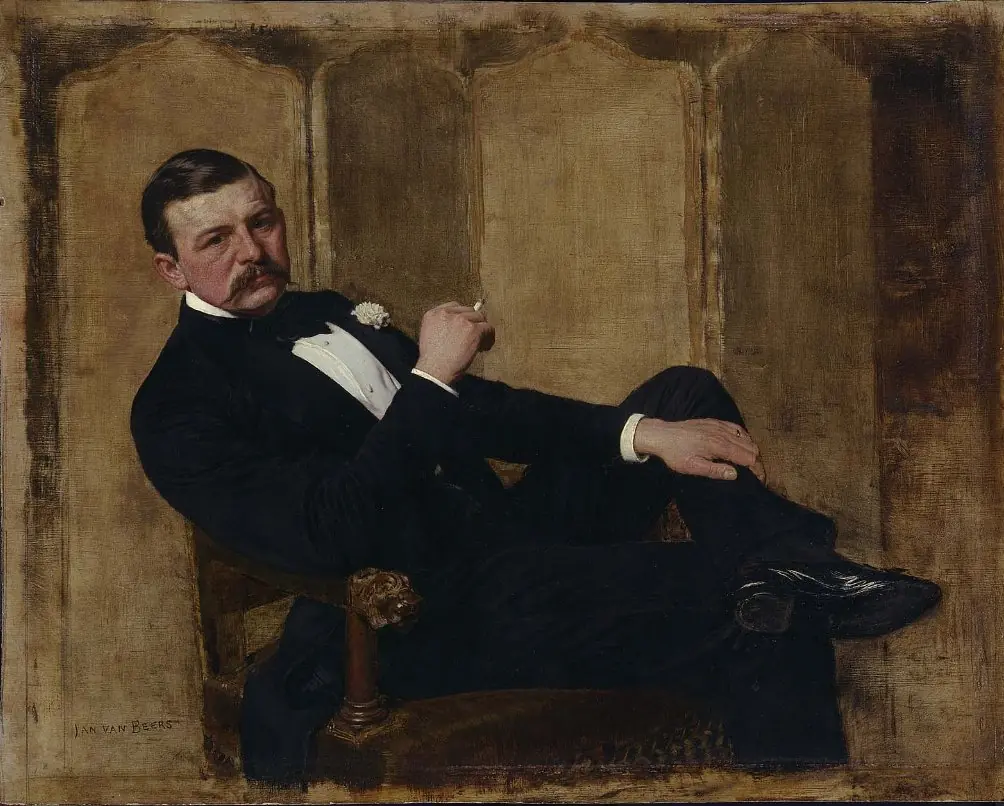 Portrait of a Man
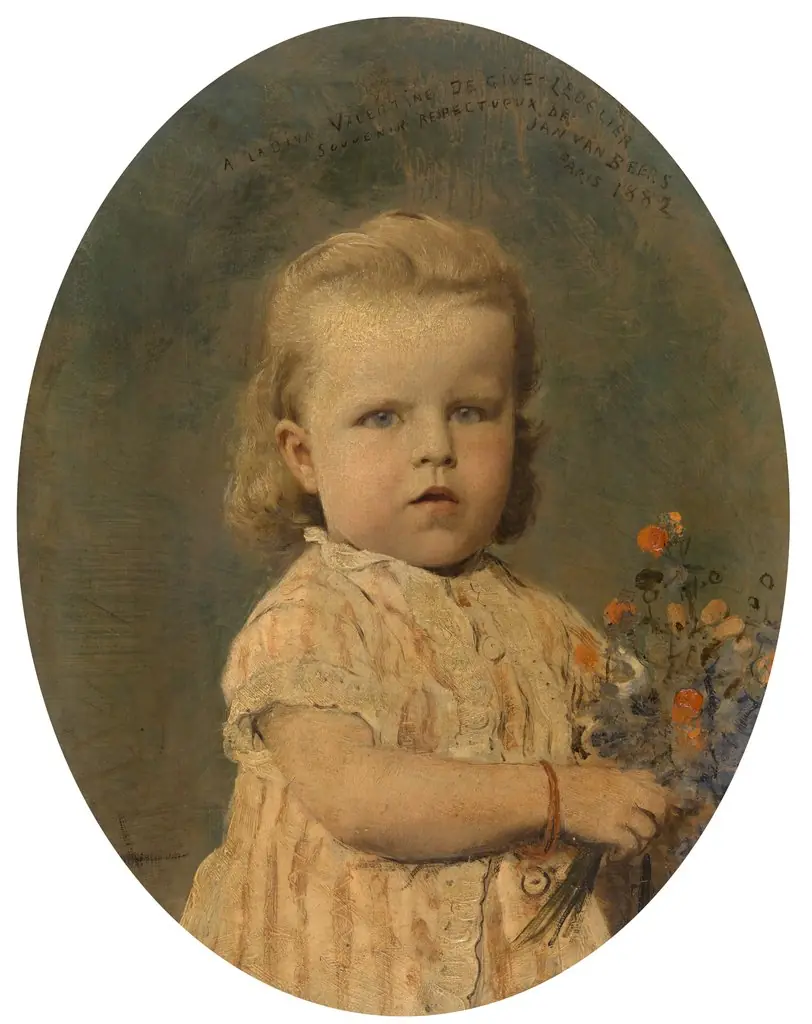 Carolina Amalia LeDelier, daughter of Valentine De Give - leDelier
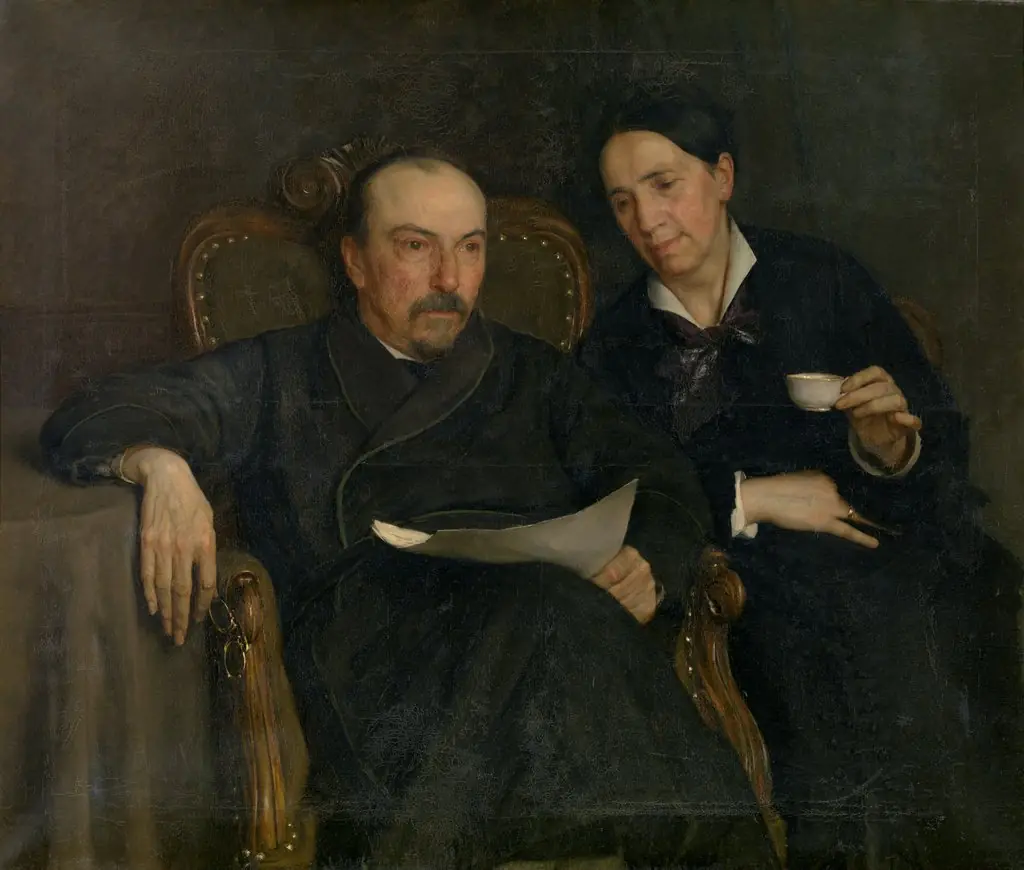 The Poet Jan Van Beers and his Wife, The Artist's Parents
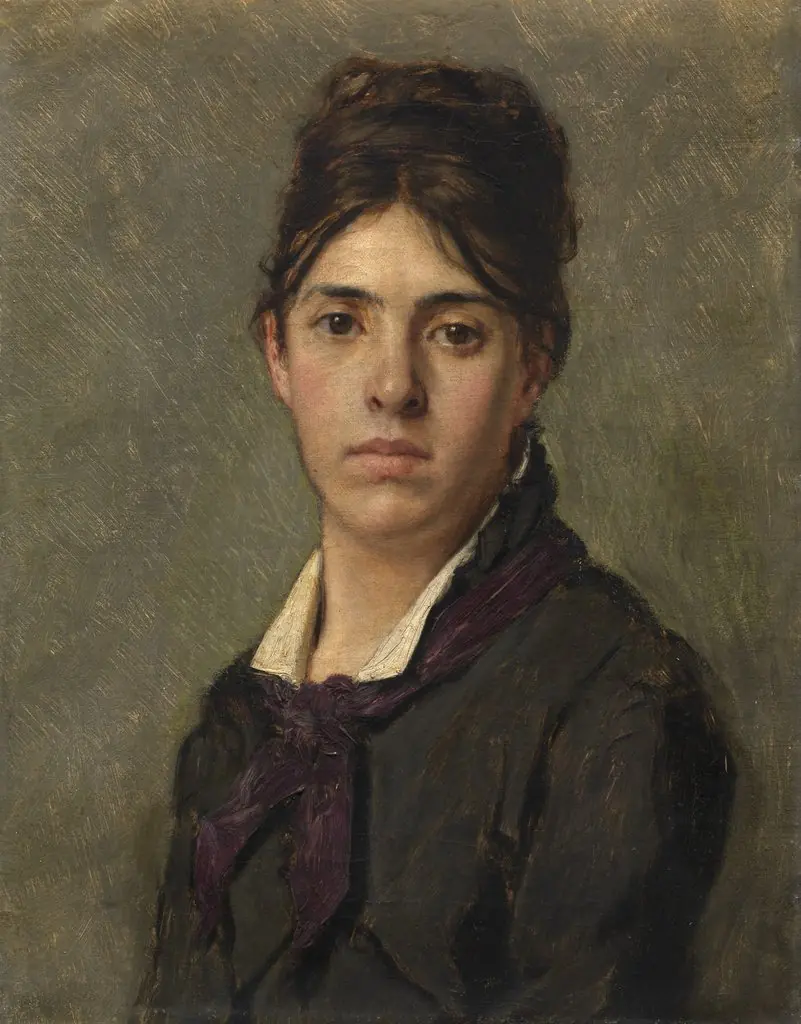 Henriette Van Beers, the Artist's Sister
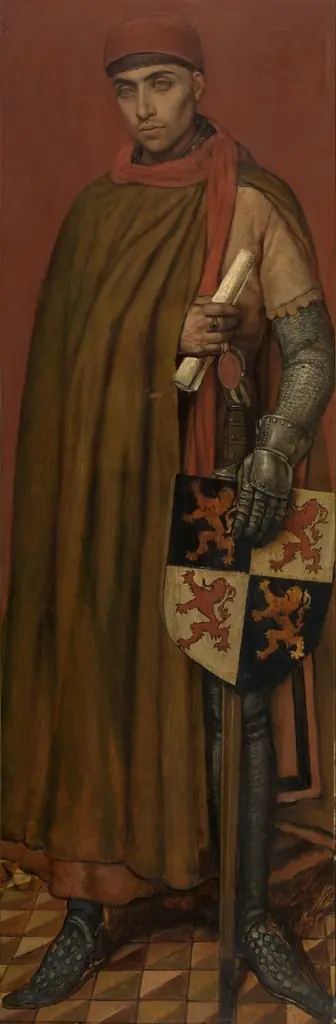 John II, Duke of Brabant, 1306
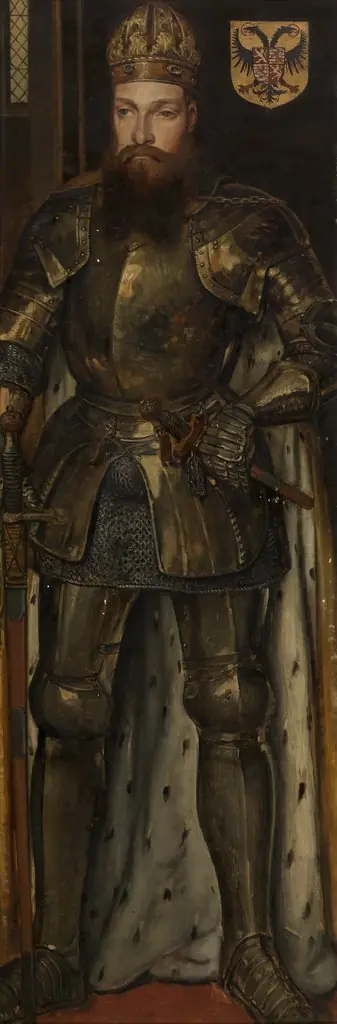 Sigismund, Holy Roman Emperor, 1415
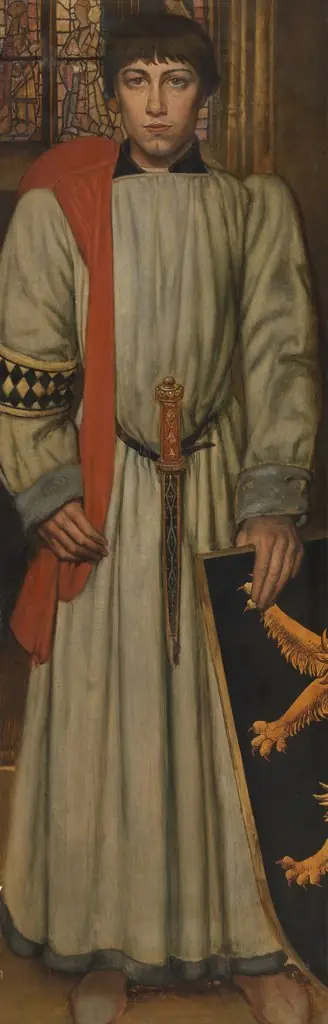 Henry VII, Holy Roman Emperor, 1309
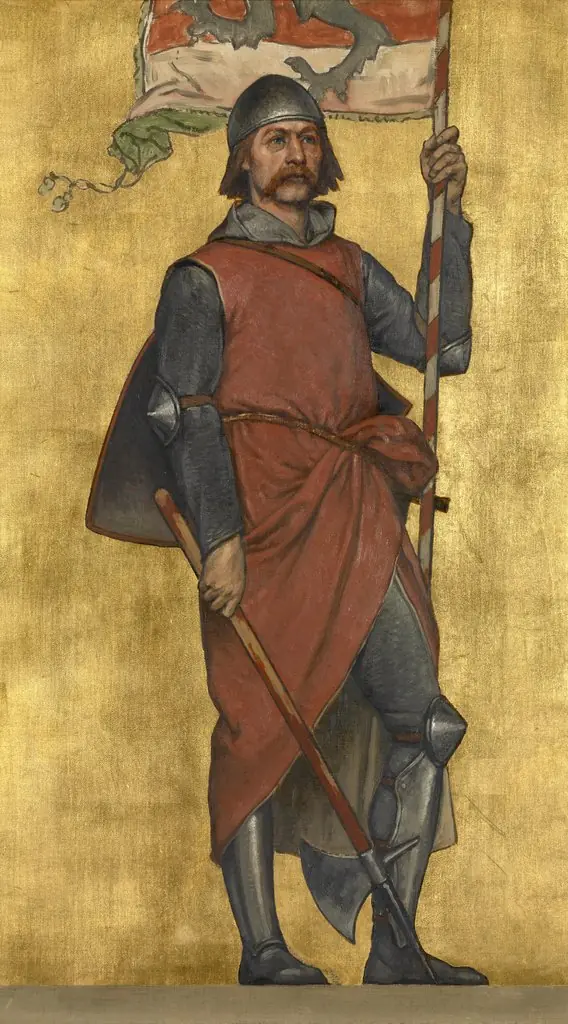 Jan Breydel
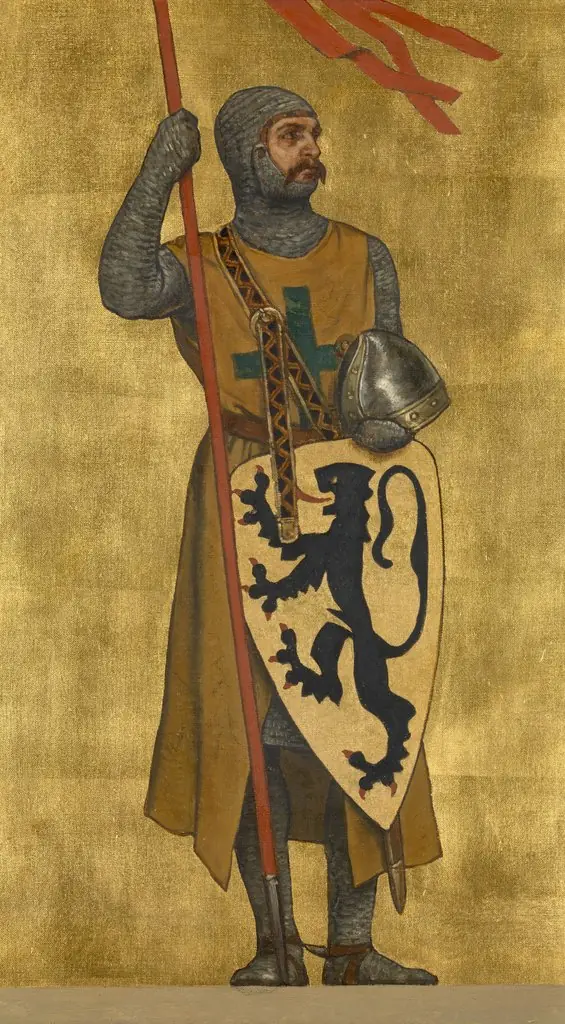 Philip of Alsace
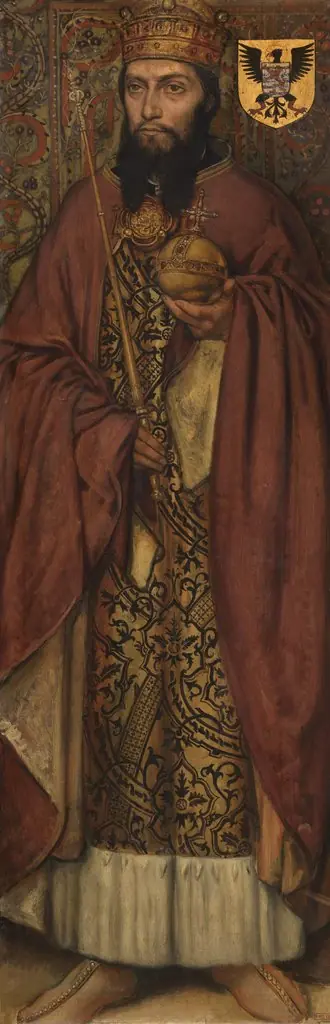 Henry I, Duke of Brabant, 1220
 Saint Michael
 Charles I, Count of Flanders
 Dean of the Armed Guild of Saint George
 Dean of the Armed Guild of Saint George
 Baldwin I of Flanders
 Statue of Albert I in a niche