Artwork
Portrait of Jean Claude [Ministre de Charenton]
![Portrait of Jean Claude [Ministre de Charenton], by [Paulus van ?], Somer, unspecified, 1650](https://artifactworldgallery.com/img/paulus-van-somer--portrait-of-jean-claude-ministre-de-charenton--d7d3e332d1dad315-w1024.webp)
Portrait of Jean Claude [Ministre de Charenton] is an unspecified painting by the Rococo painting artist [Paulus van ?], Somer. It dates from 1650 and is held in the collection of the Leiden University Libraries.
About this work
This copying was a common practice at the time, and it allows us to learn about the original artist's style.
The painting shows a man, Jean Claude, sitting in a formal pose.
He's dressed in old-fashioned clothes.
The painting is based on a work by J. Lorent, which is an interesting fact about this piece - it was copied from someone else's art.
This copying was a common practice at the time, and it allows us to learn about the original artist's style.
You can learn more about the artist who made the original work, Somer, [Paulus van ?], (1649-1696 [?]).
Overview
Portrait of Jean Claude [Ministre de Charenton] is a reproduction of a painting originally created by J. Lorent. The work depicts Jean Claude in a formal, seated pose, attired in antiquated clothing.
Subject & Meaning
The subject, Jean Claude, is identified by his title 'Ministre de Charenton', suggesting the portrait's purpose was to convey dignity and official stature. The formal pose and outdated attire may emphasize tradition and heritage.
Technique & Style
While the original's technique is attributed to J. Lorent, this version's execution reflects the practice of copying prevalent at the time, allowing insight into Lorent's style through replication.
History & Provenance
The original painting is attributed to J. Lorent, with this copy referencing multiple catalog numbers (69, 71, 85, 87, 327), indicating its presence across various collections or exhibitions. The original artist's influence may also be compared to contemporaries like Paulus van Somer.
Context
Created in an era where art replication was common, this portrait highlights the period's values on tradition, heritage, and the dissemination of esteemed images across different mediums and collections.
Legacy
As a copy of J. Lorent's work, its legacy lies in preserving the original's essence and style for study and appreciation, alongside contributing to the broader historical record of portrait art from the period.
Artist & collection
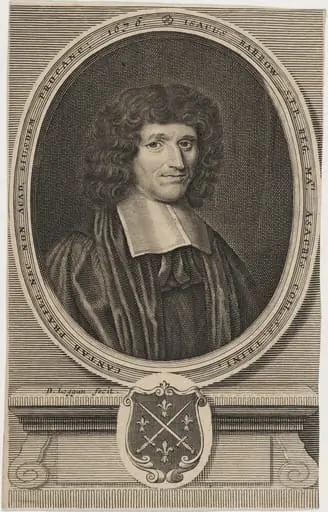 Isaac Barrow, D.D., Divine and Mathematician
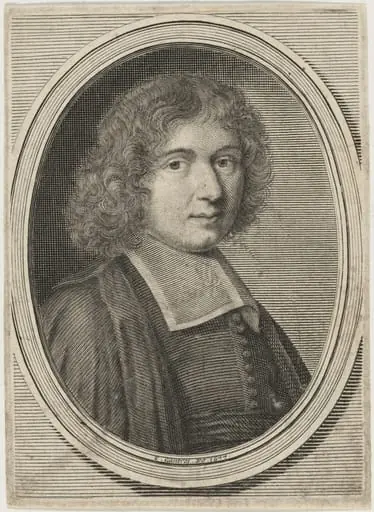 Portrait of a Man
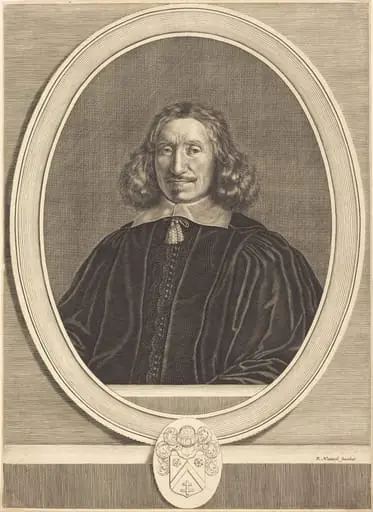 Michel Larcher
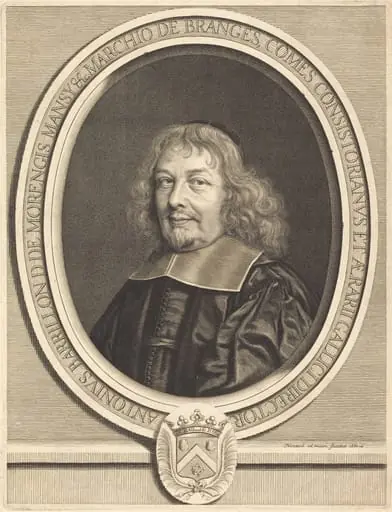 Antoine Barillon
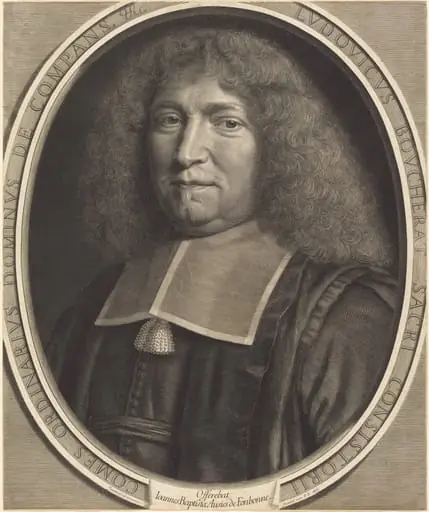 Chancellor Bouchert
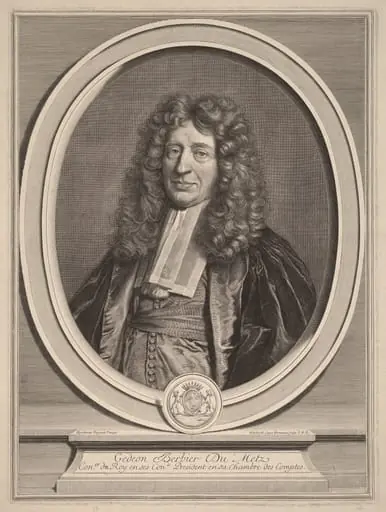 Gedeon Berbier-Du Metz
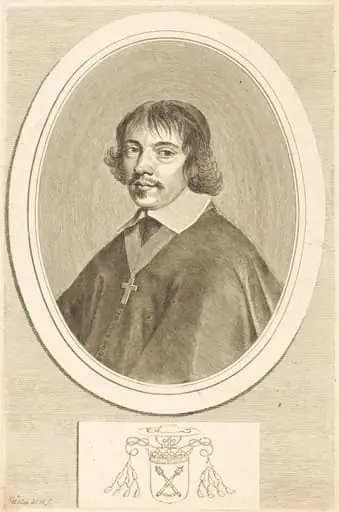 Jean-François Paul de Gondi, Cardinal of Retz
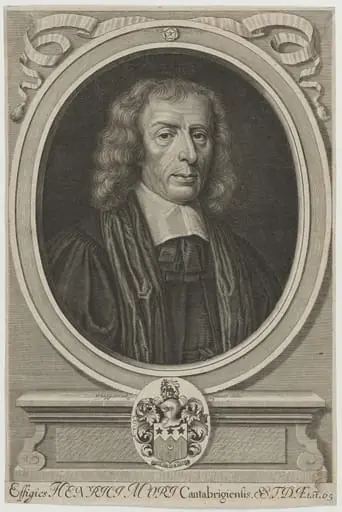 Henry More, Platonist and Theologian
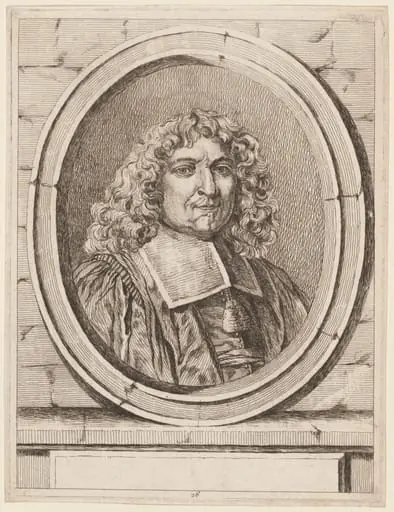 Louis Boucherat, Chancelier, Garde des Sceaux de France
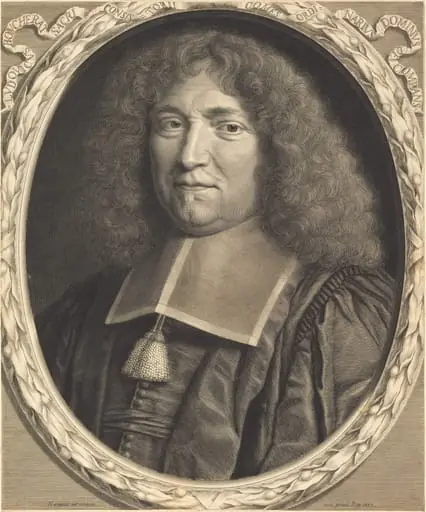 Chancellor Boucherat
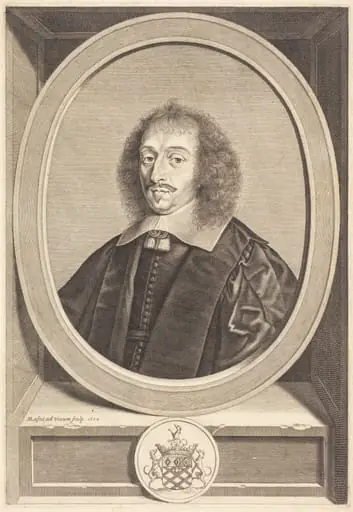 N. Paget
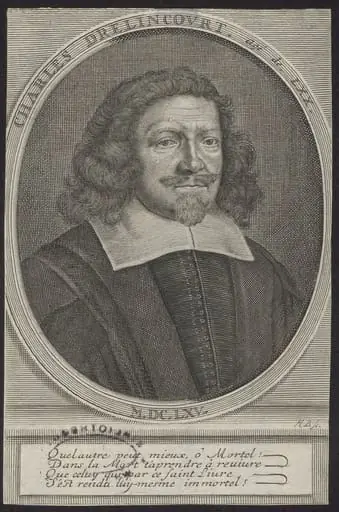 Portrait of Charles Drelincourt