Artwork
N. Paget
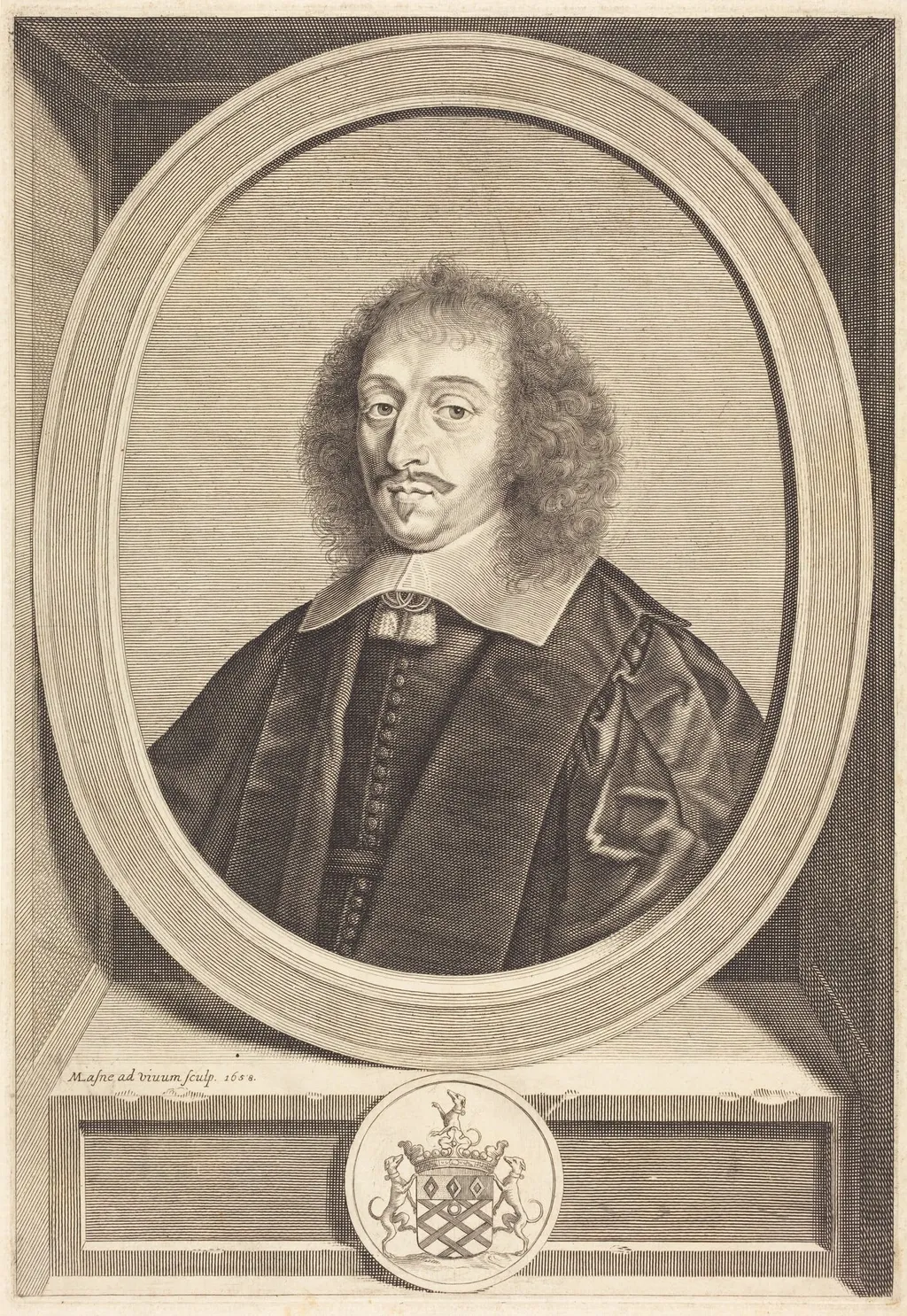
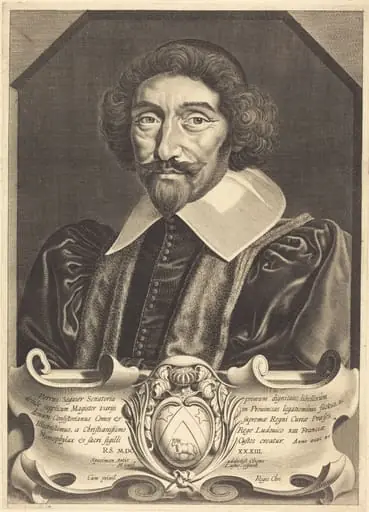
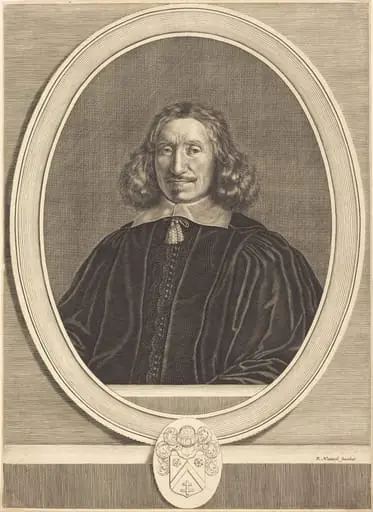
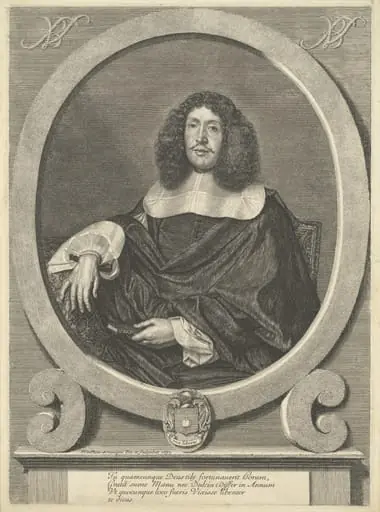
N. Paget is an ink print by the Baroque artist Michel Lasne. It dates from 1658 and is held in the collection of the National Gallery of Art.
About this work
Overview
As a print made by incising a metal plate, the work reflects the precision and technical discipline characteristic of 17th-century reproductive engraving.
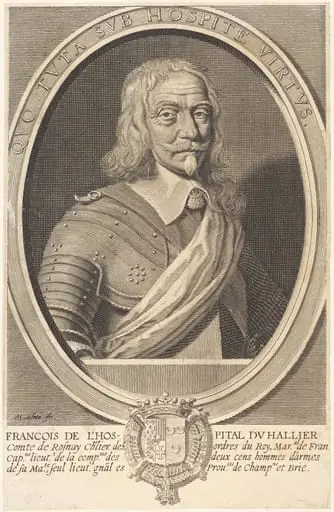
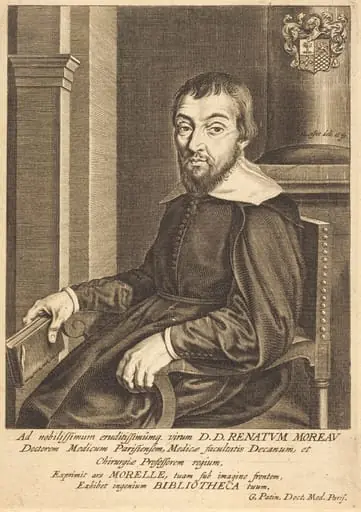
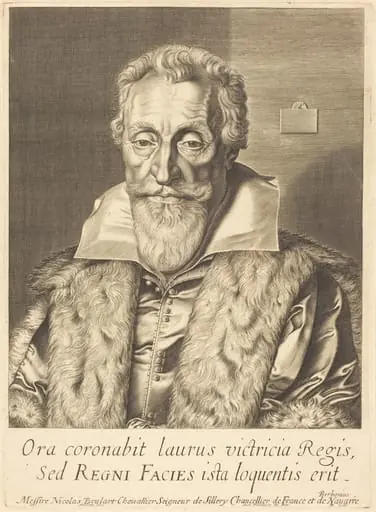
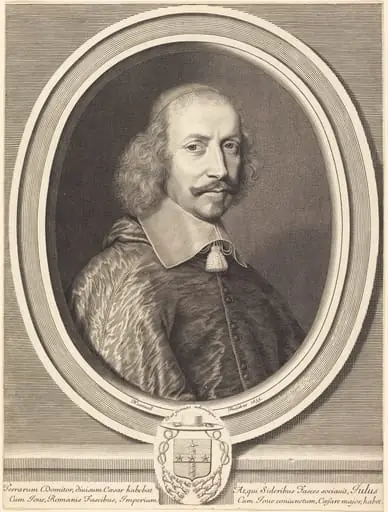
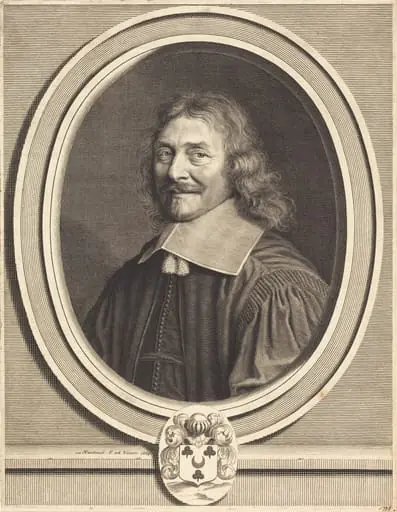
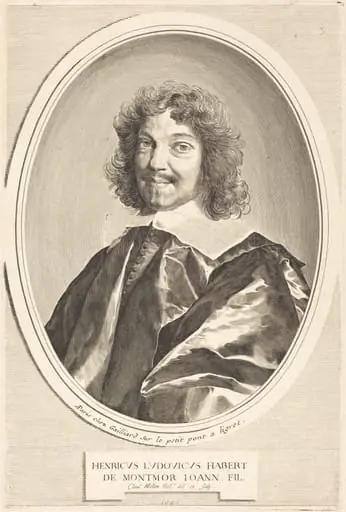
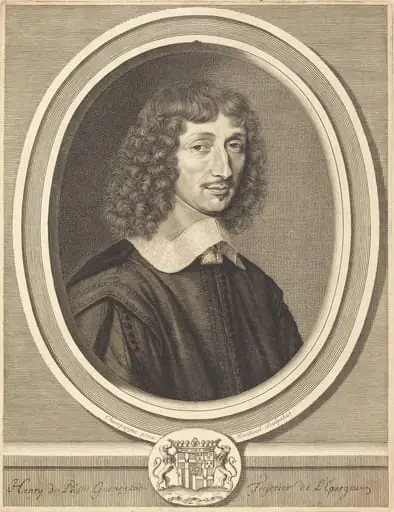
This 1658 engraving by Michel Lasne depicts a man named N. Paget, rendered in fine black-and-white lines on laid paper. As a print made by incising a metal plate, the work reflects the precision and technical discipline characteristic of 17th-century reproductive engraving. Lasne, trained in the workshop tradition and active in both Antwerp and Paris, specialized in portraiture for elite patrons, translating painted likenesses into durable printed forms.
Subject & Meaning
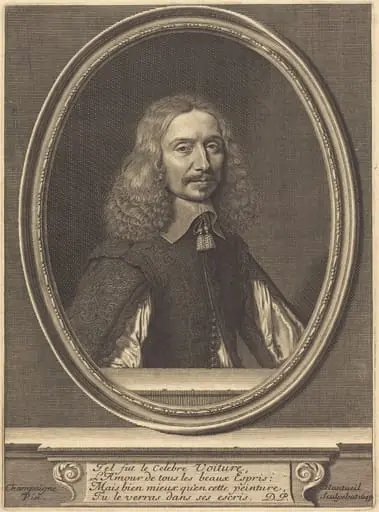
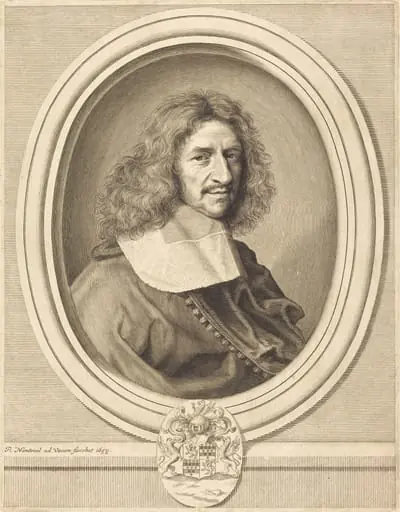
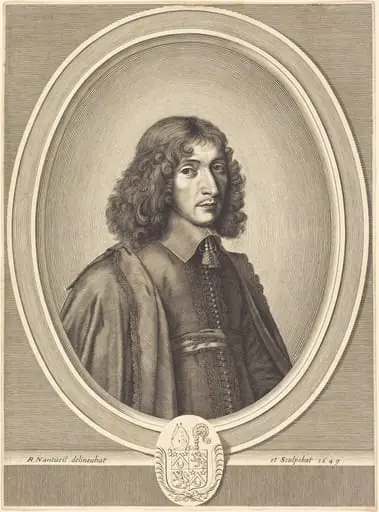
The sitter, identified only as N. Paget, appears in formal attire: a dark jacket, high ruffled collar, and curled hair with a mustache. The inclusion of a heraldic crest at the base—featuring a crown and lion—suggests noble or aristocratic status, though the individual’s exact identity remains unconfirmed. The portrait’s restrained composition emphasizes dignity and social standing, typical of engraved likenesses intended for circulation among the educated elite.
Technique & Style
Lasne employed fine, controlled lines to model the sitter’s features and fabric textures, using cross-hatching and stippling to suggest depth and shadow. The oval frame around the face draws focus while the plain background eliminates distraction. The engraving’s meticulous detail—especially in the curls of hair and the folds of the collar—demonstrates the artist’s skill in translating three-dimensional form into linear notation on metal, a hallmark of his training under Rubens and van Dyck.
History & Provenance
Created in Paris in 1658, the engraving emerged during Lasne’s tenure as official engraver to Louis XIII, a position he held since 1633. His career bridged Flemish and French artistic circles, and his prints often reproduced portraits of nobility and court figures. While the original painting this engraving derives from is unlocated, the print itself reflects the demand for portable, reproducible likenesses among collectors and institutions in mid-17th-century France.
Context
In the mid-1600s, engraved portraits served as key tools for disseminating the likenesses of the powerful beyond the reach of original paintings. Lasne’s work aligned with broader European trends in print culture, where artists acted as intermediaries between painters and the public. His training under Rubens and van Dyck placed him at the center of this network, linking Flemish naturalism with French courtly aesthetics in a medium designed for replication and preservation.
Legacy
Lasne’s engravings, including this portrait, contributed to the standardization of portraiture in print form during the Baroque era. Though less celebrated than his painterly mentors, his technical precision influenced later generations of engravers and documentarians of aristocratic imagery. Surviving impressions of his work remain in major print collections, valued for their historical record and craftsmanship rather than artistic novelty.
Artist & collection
Artist
Michel Lasne (Caen, ca. 1590–4 December 1667, Paris), was a French engraver, draughtsman and collector. Lasne was born in Caen and was the son of a goldsmith. He was a member of the Guild of Saint Luke in Antwerp for…