Artwork
Jean-François Paul de Gondi, Cardinal of Retz
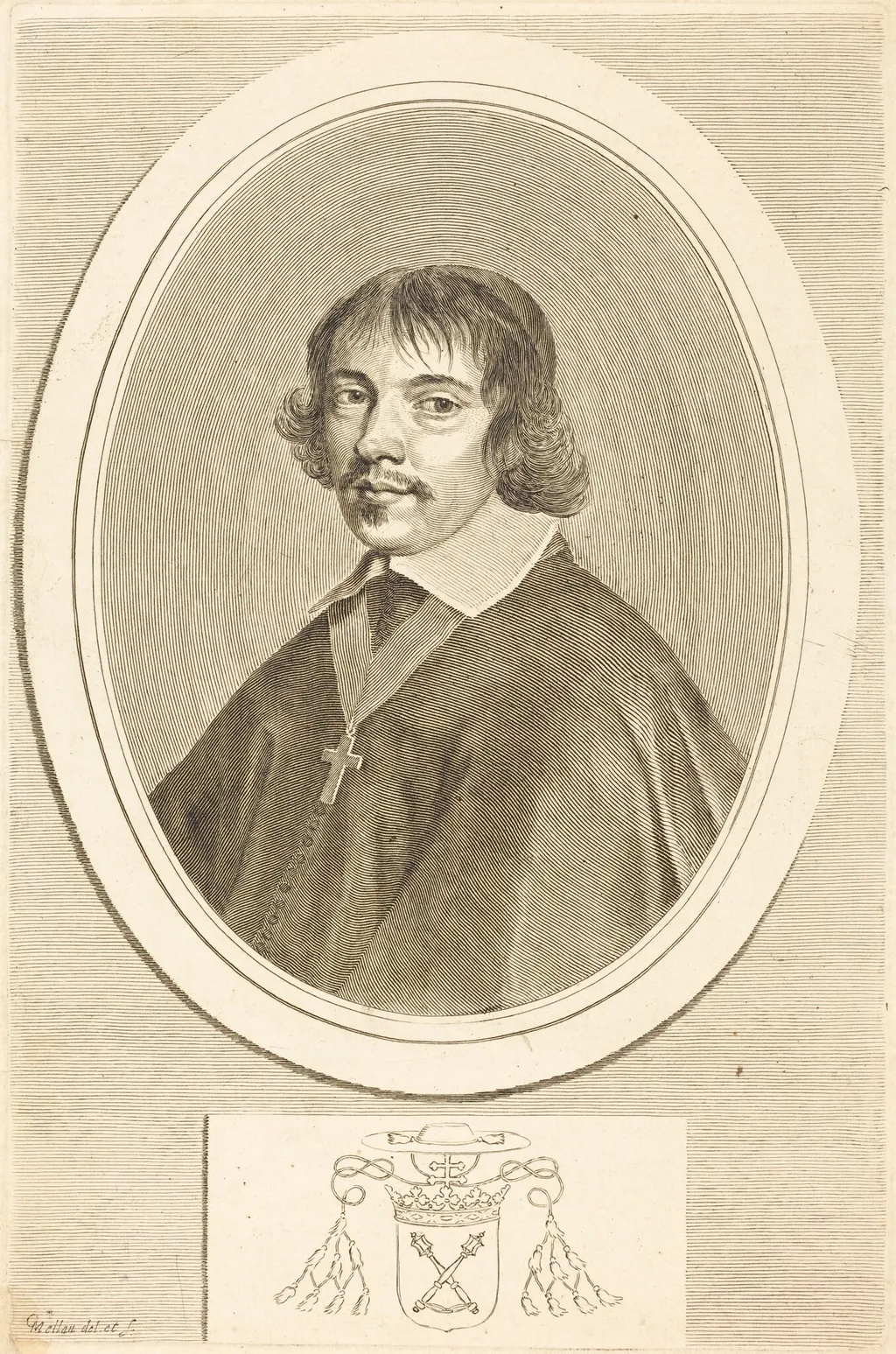
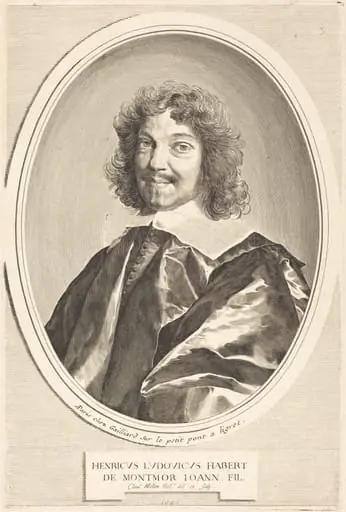
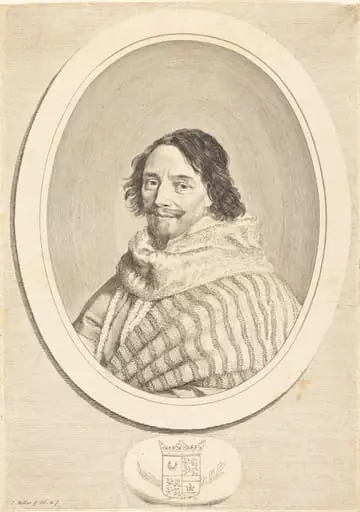
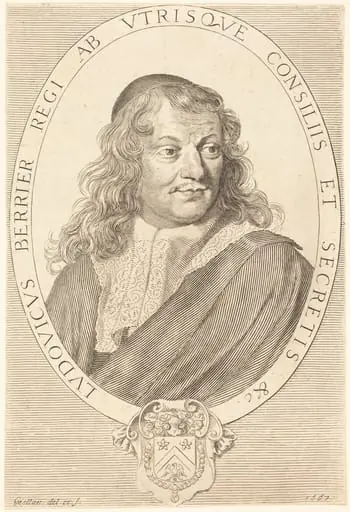
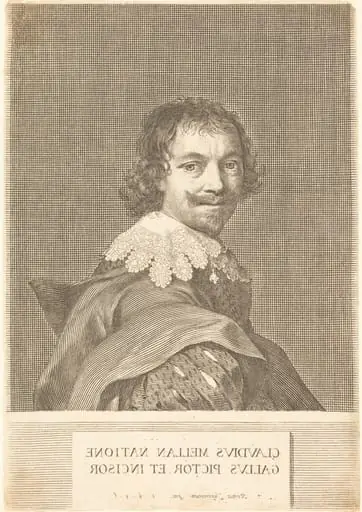
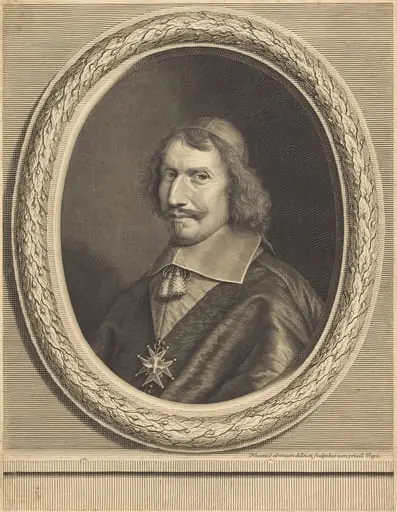
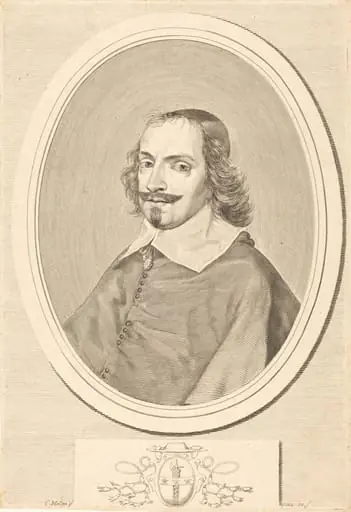
Jean-François Paul de Gondi, Cardinal of Retz is an ink print by the Renaissance artist Claude Mellan. It dates from 1643 and is held in the collection of the National Gallery of Art.
About this work
Overview
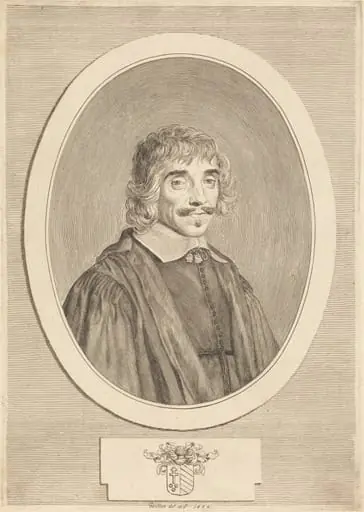
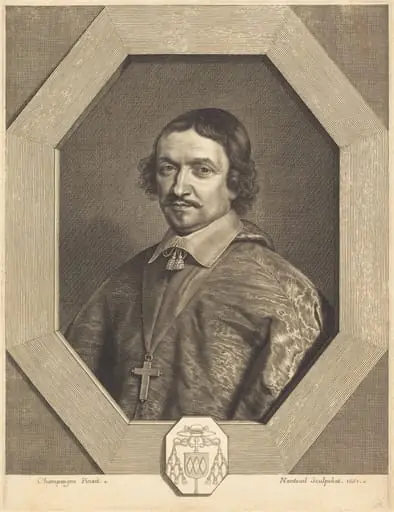
Claude Mellan’s 1643 engraving portrays Jean‑François Paul de Gondi, known as the Cardinal of Retz, rendered in monochrome on laid paper. The portrait presents the cleric in a sober demeanor, his attire marked by a dark coat and a visible clerical cross. Beneath the figure, a modest shield bearing a crown and heraldic symbols functions as a personal emblem.
Subject & Meaning
The sitter, a prominent 17th‑century French cardinal and political figure, is depicted with a restrained expression that conveys both his ecclesiastical authority and the gravitas of his public life. The inclusion of his coat of arms underscores his noble lineage and the intertwining of religious and aristocratic identities during the period.
Technique & Style
Mellan employed a meticulous system of fine, intersecting lines to model light and shadow, a method known as cross‑hatching. By varying the density and angle of these strokes, he achieved subtle tonal gradations across the facial features and fabric, demonstrating the printmaker’s command of line as a vehicle for volume and texture.
History & Provenance
Created in 1643, the engraving reflects Mellan’s mature period, when he was active in Paris and renowned for his portraiture. The work has circulated among collections of French Baroque prints and is documented in several catalogues of 17th‑century engravings, confirming its attribution to Mellan and its preservation on original laid paper.
Artist & collection