Artwork
Natură moartă
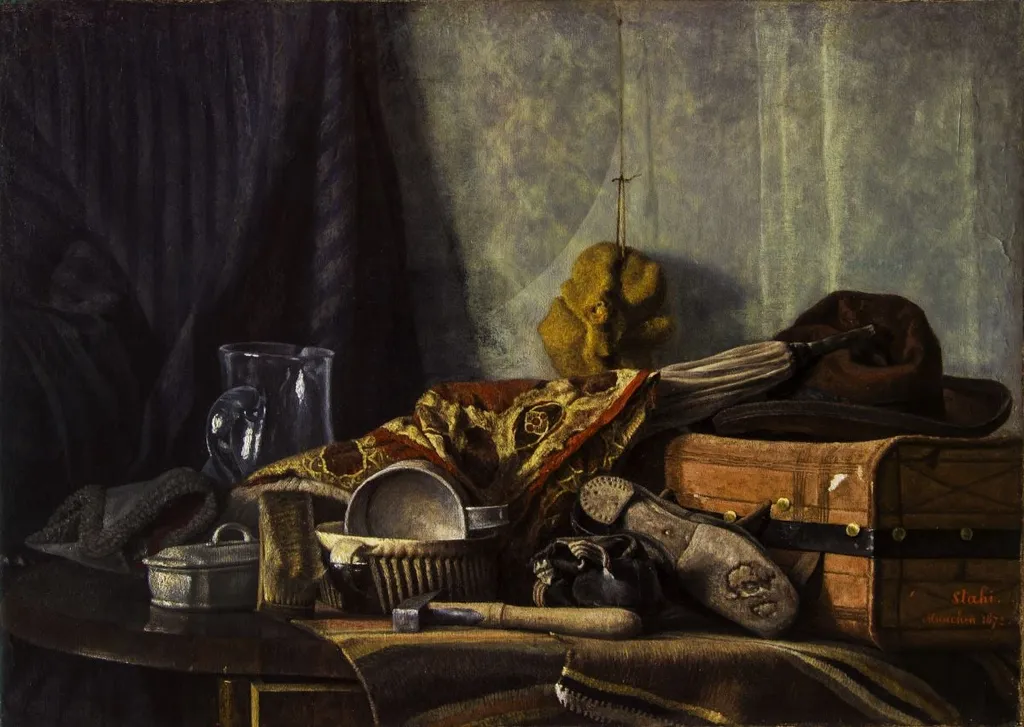
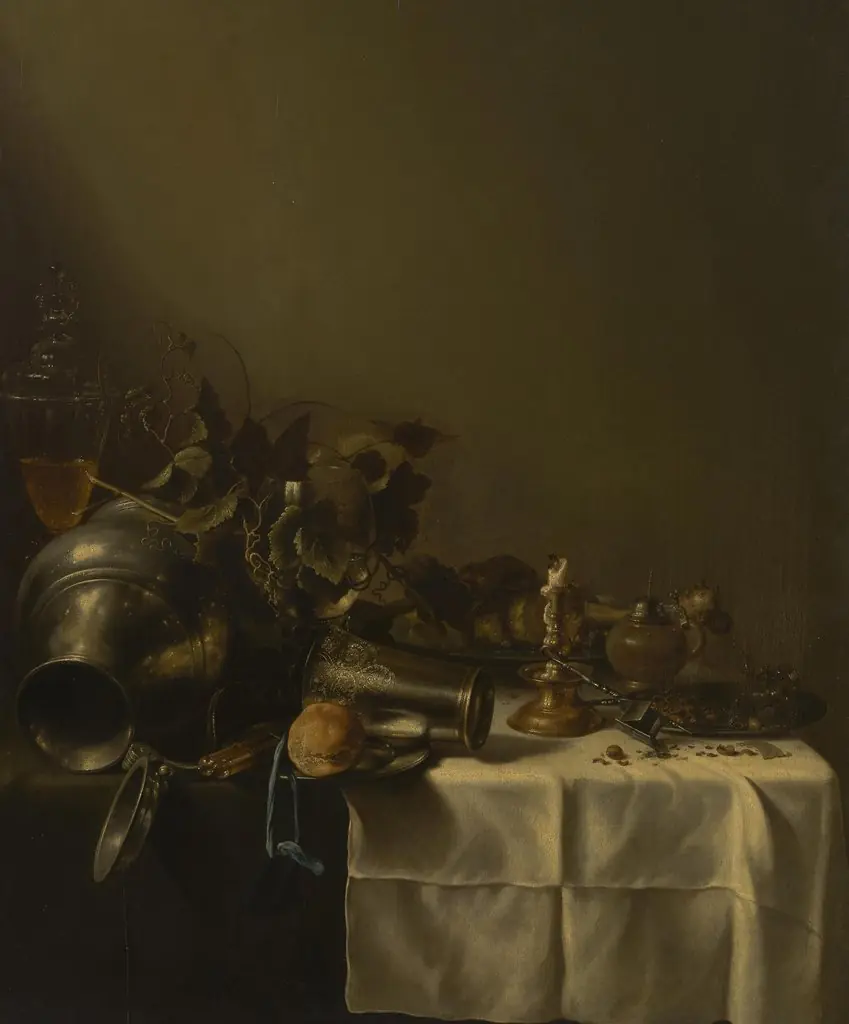
Natură moartă is a print by the Impressionist artist Constantin Dimitrie Stahi. It dates from 1872 and is held in the collection of the National Museum of Art of Romania.
About this work
Overview
Painted in 1872 by Constantin Dimitrie Stahi, this still life presents an unadorned arrangement of domestic and workshop objects. The composition avoids idealization, focusing instead on the quiet accumulation of used items—tools, clothing, containers—arranged with no clear hierarchy. The scene feels lived-in, capturing the quiet residue of daily labor rather than ornament or luxury.
Subject & Meaning
The objects depicted—worn boots, a faded hat, a rusted pot, a stuffed animal—suggest the presence of an absent artisan or laborer. Their condition implies use, time, and neglect. The mirror and glass jar introduce subtle reflections, hinting at self-awareness or transience. Together, the items form a quiet meditation on utility, decay, and the passage of time within a humble environment.
Technique & Style
Stahi employs chiaroscuro to define form through strong contrasts between light and shadow. The dim, directional light carves out the textures of wood, fabric, and metal, emphasizing wear and materiality. The dark background and shallow depth focus attention on the table’s surface, where objects are arranged with deliberate disorder, enhancing the sense of realism and immediacy.
History & Provenance
Created in 1872, the painting emerged during a period when Romanian artists were increasingly turning to domestic and rural subjects. Stahi, trained in Europe and active in Iași, contributed to a growing movement that valued everyday realism over historical or mythological themes. The work’s early provenance remains undocumented, but it is held in Romanian public collections today.
Context
In late 19th-century Romania, realism gained traction as artists sought to depict local life with authenticity. Stahi’s still life aligns with this trend, diverging from academic traditions by elevating ordinary, even worn, objects. The absence of human figures and the focus on material traces reflect broader cultural shifts toward introspection and the dignity of the commonplace.
Legacy
The painting contributes to a quieter strand of Romanian realism that prioritized quiet observation over narrative drama. While not widely reproduced, it remains a reference point for artists interested in the emotional weight of everyday objects. Its restrained palette and tactile detail continue to inform contemporary studies of material culture in Eastern European art.
Artist & collection
Artist
Constantin Dimitrie Stahi made small prints of everyday life in 19th-century Romania.

 Lights of Other Days
 Lights of Other Days
 Old Companions
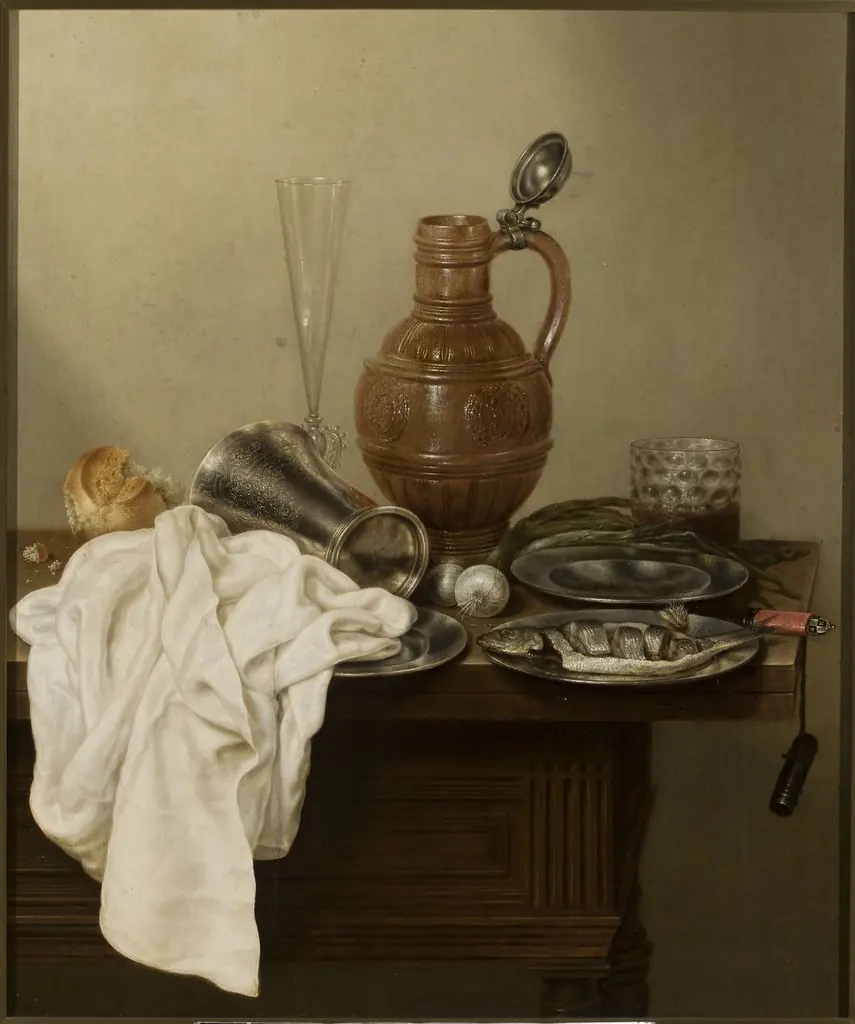 Still life with a herring
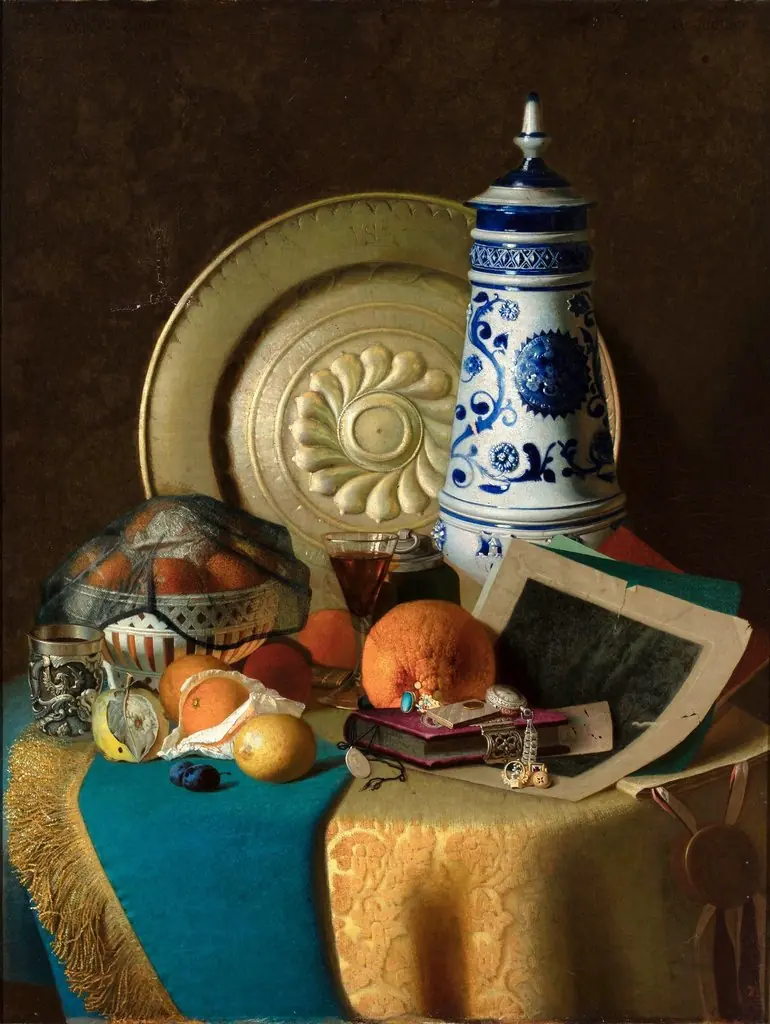 Still life with books
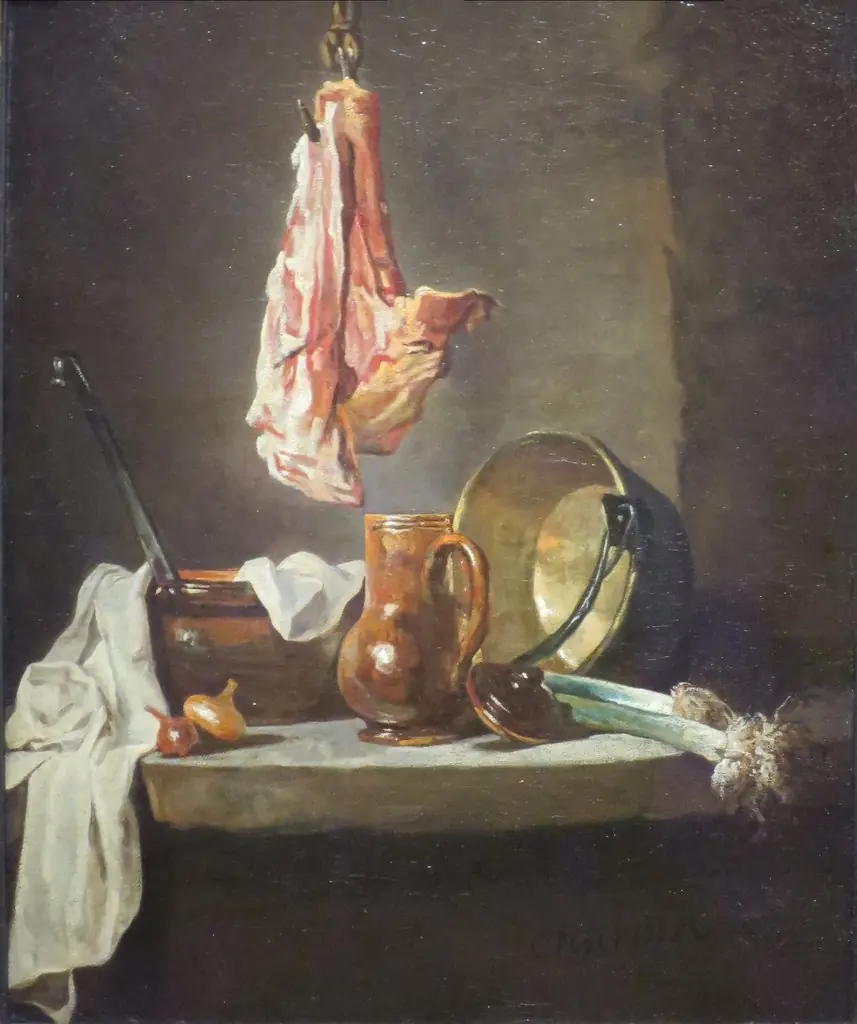 Still Life with Cooking Utensils
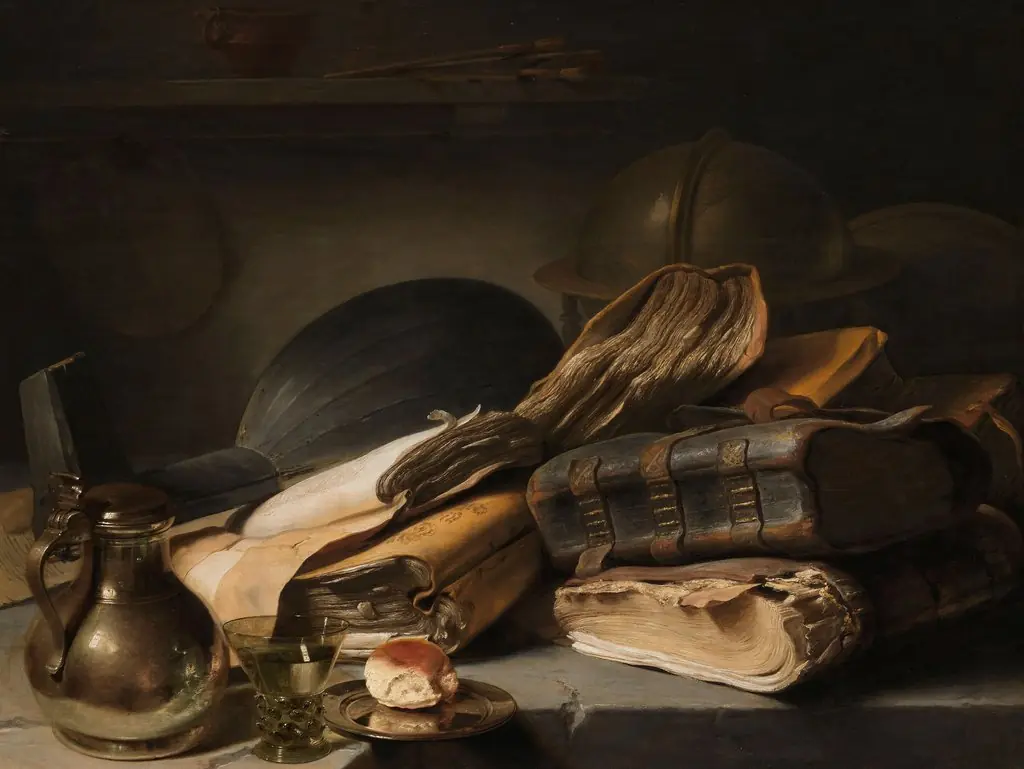 Still Life with Books
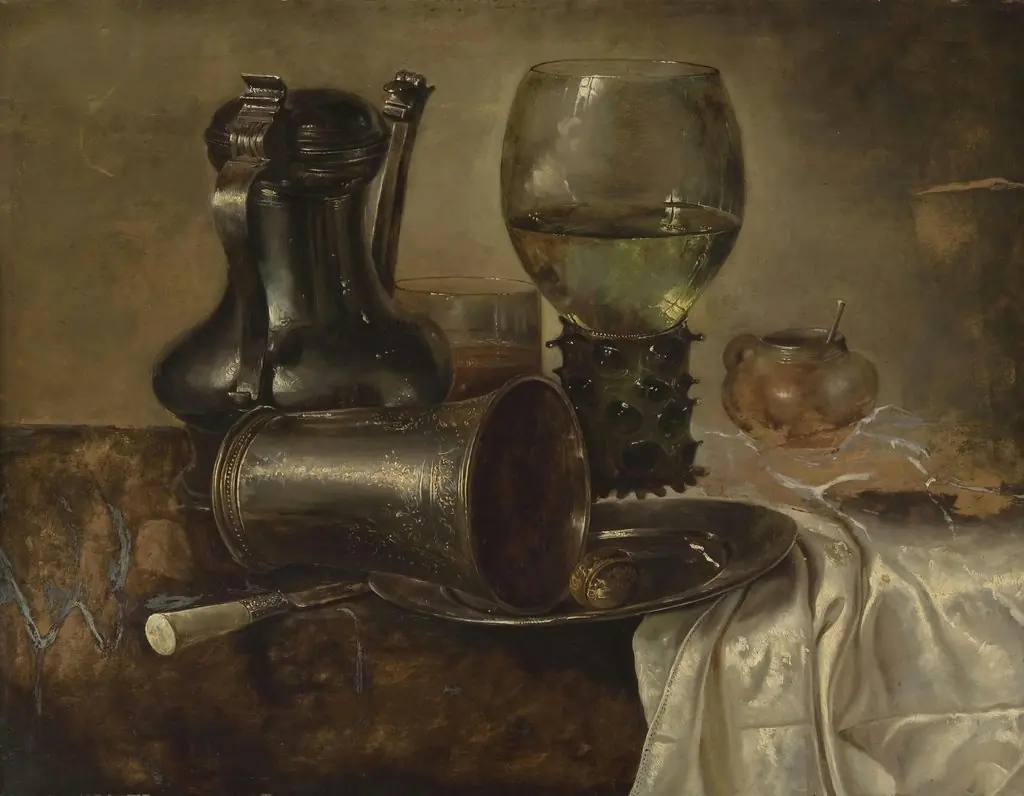 Still Life with a Roemer, a Covered Flagon, and a Beaker
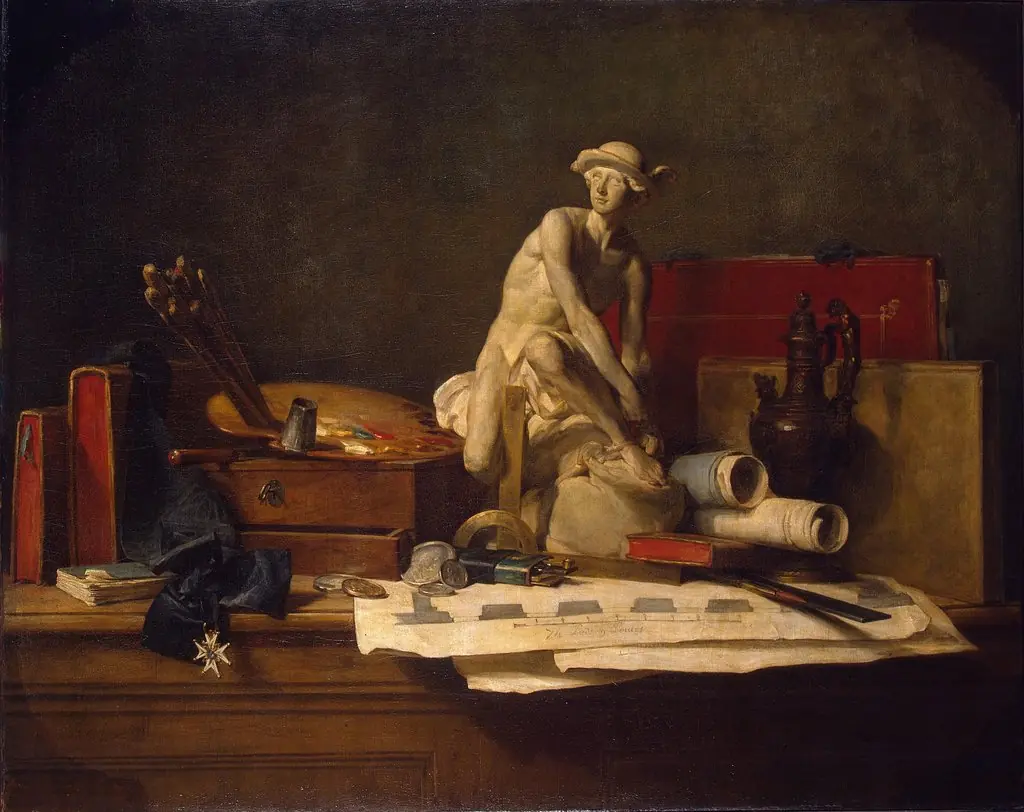 Still Life with Attributes of the Arts
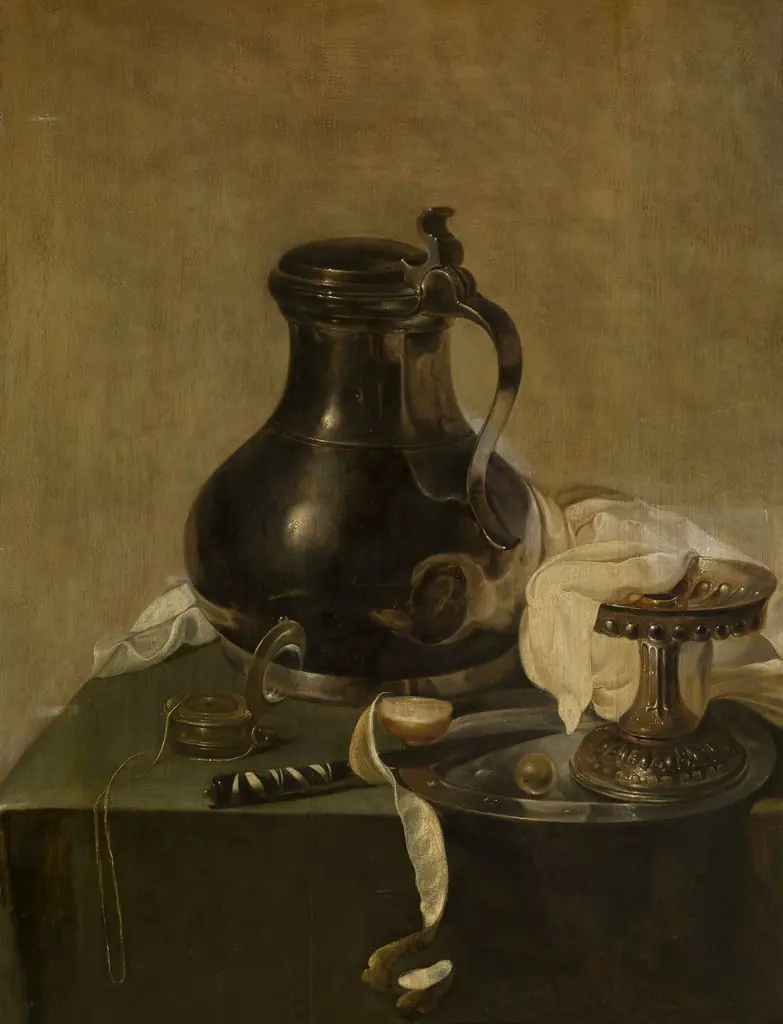 Still life with pewter jug
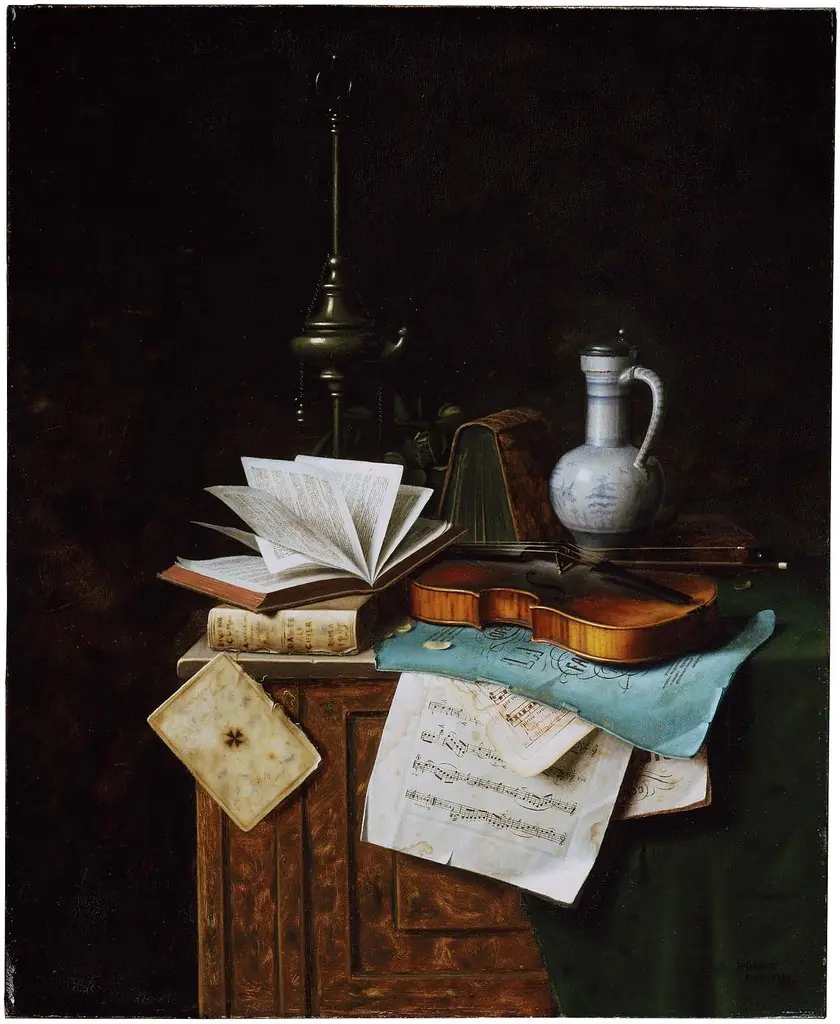 Still Life with Violin
 Overturned Jug and Other Items on the Tablecloth