Artwork
Lights of Other Days
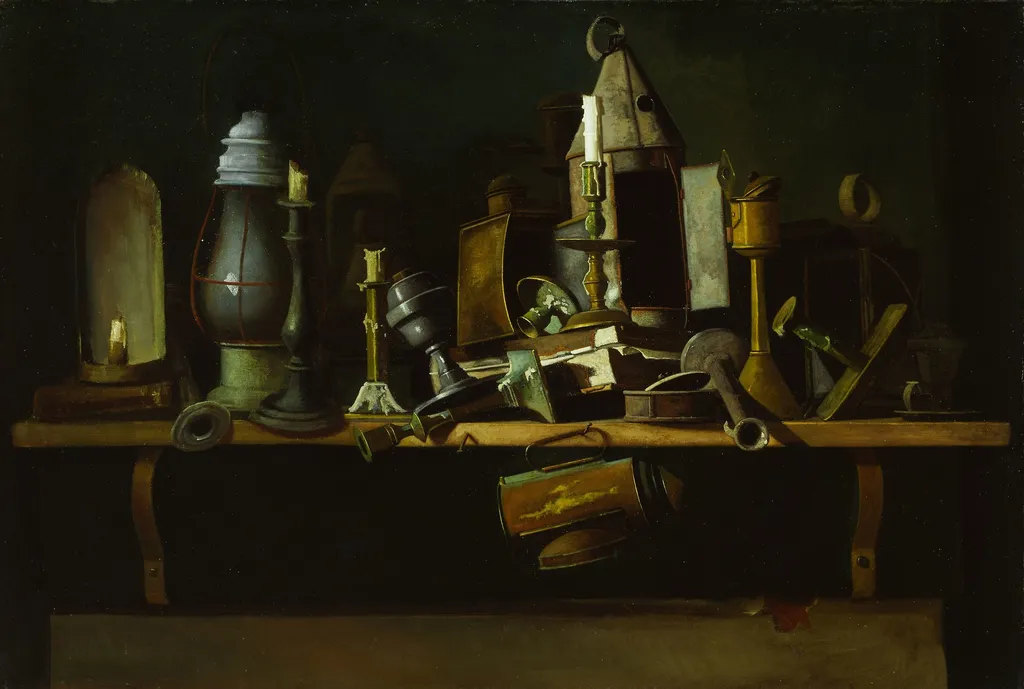
Lights of Other Days is an oil painting by the American Impressionist artist John F. Peto. It dates from 1906 and is held in the collection of the Art Institute of Chicago. John F.
About this work
Overview
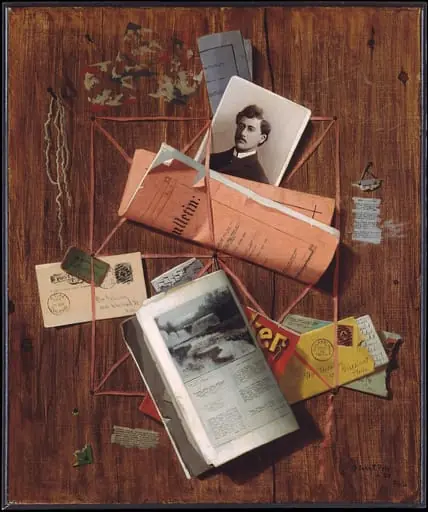
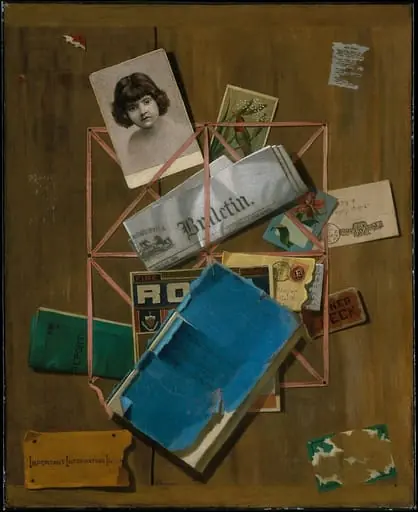
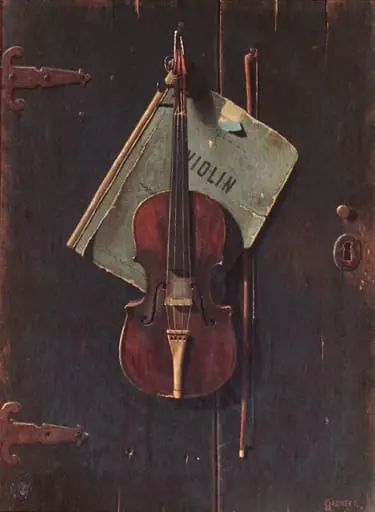
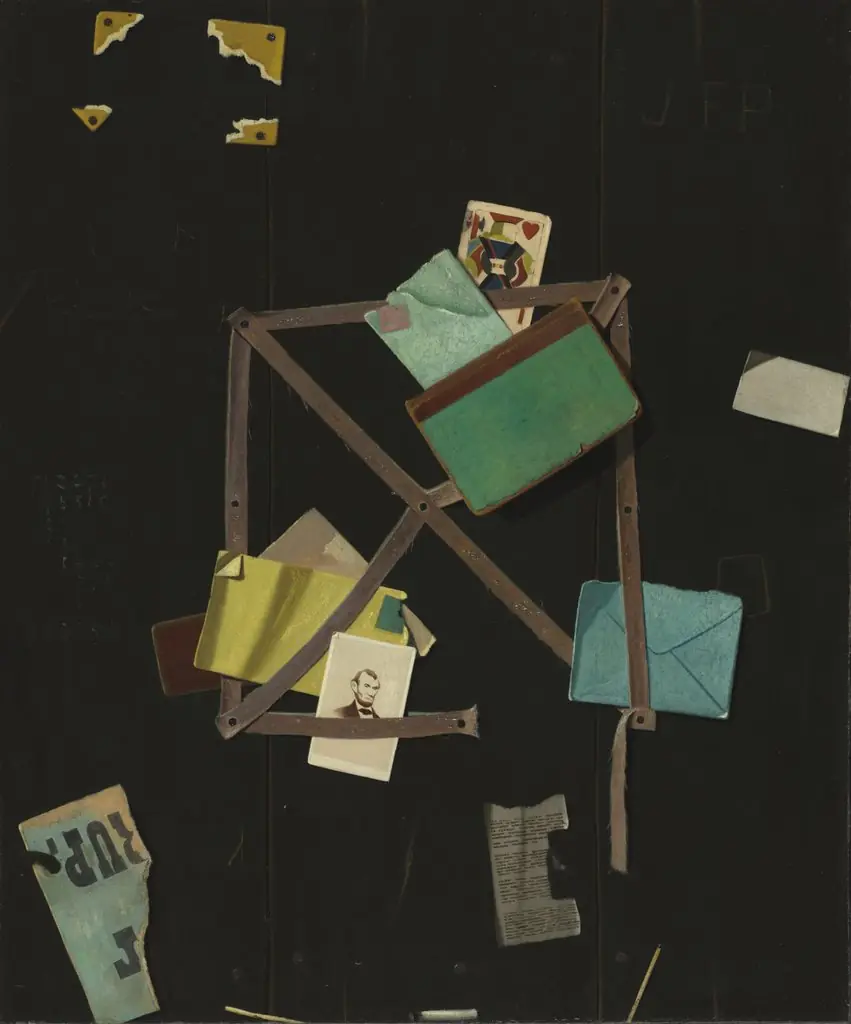
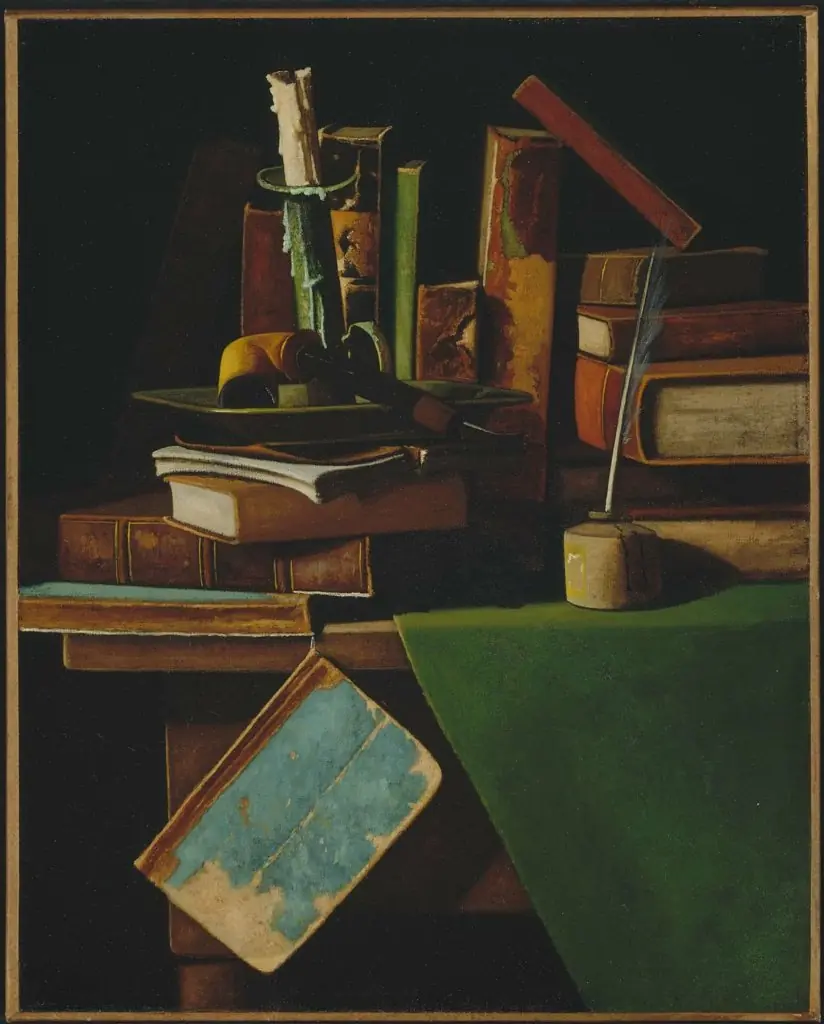
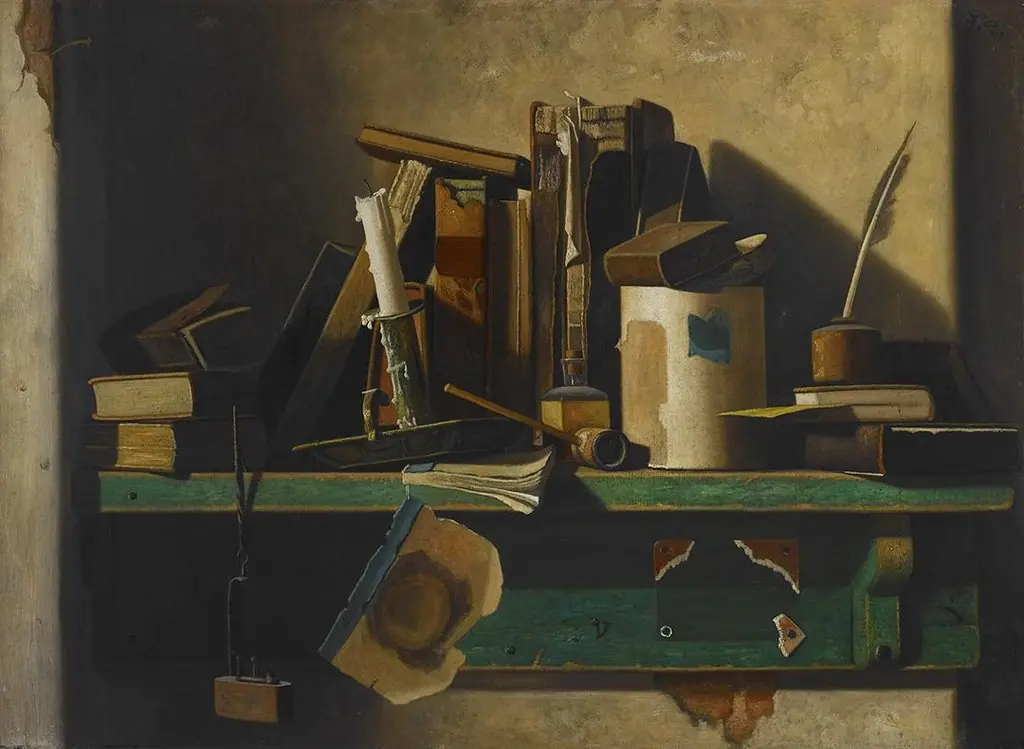
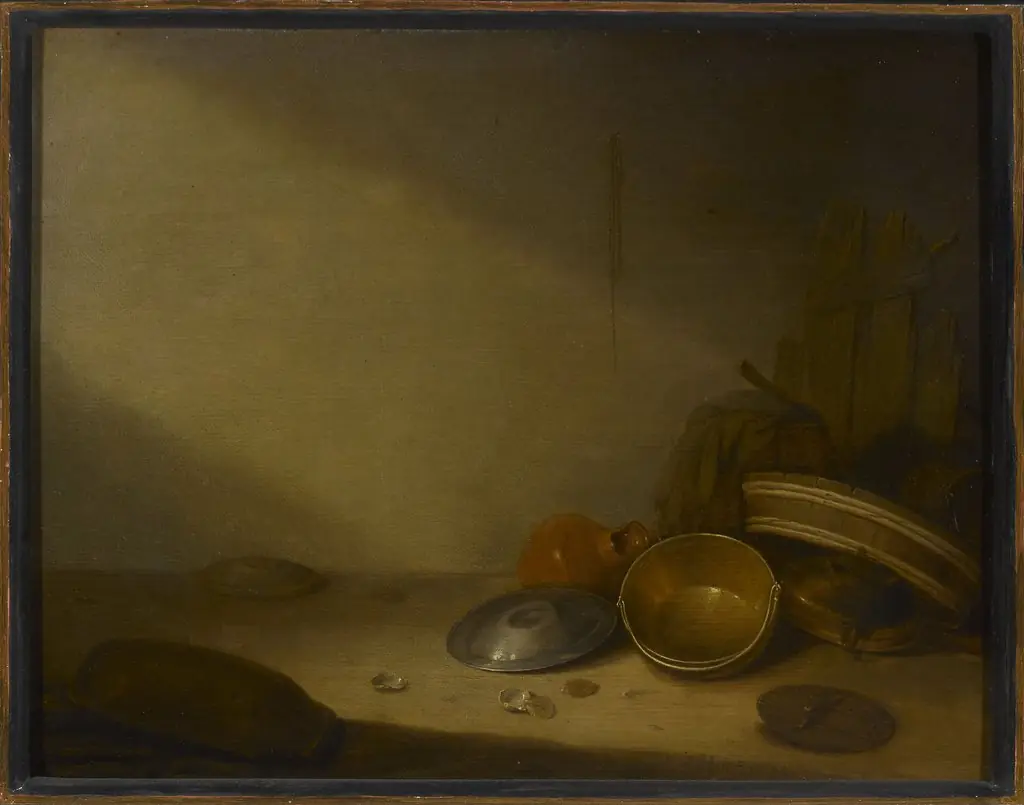
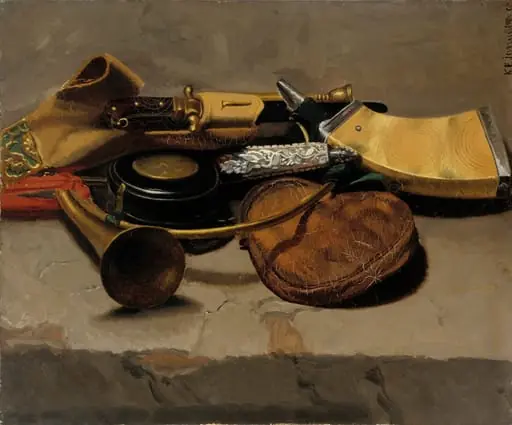
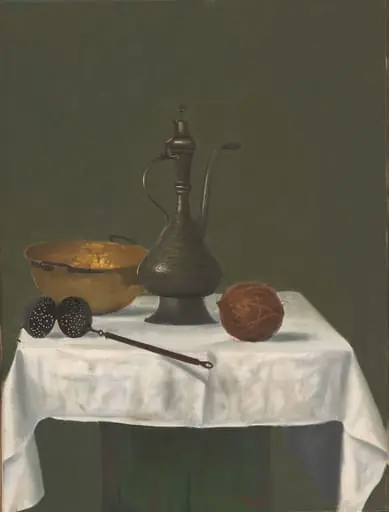
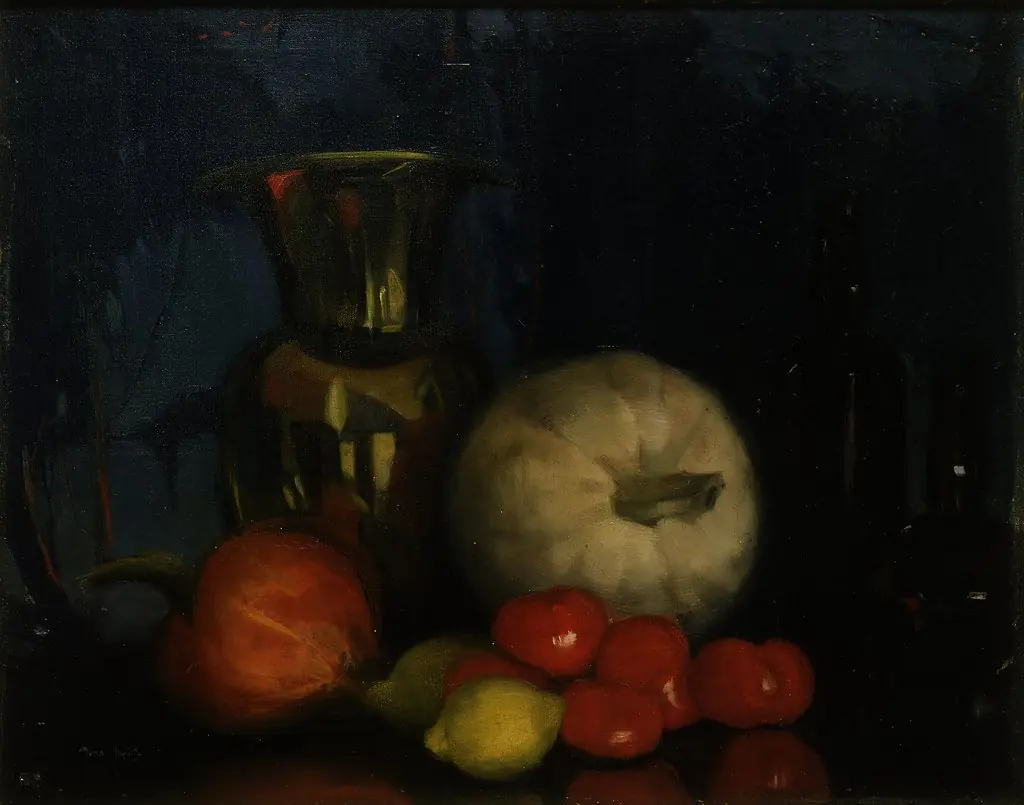
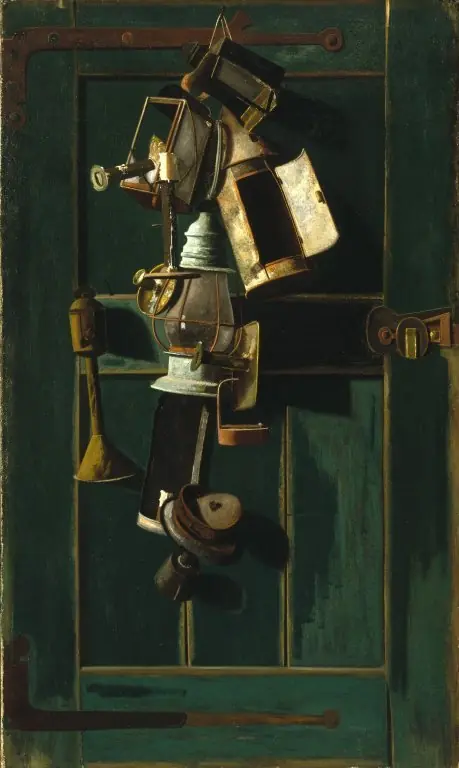
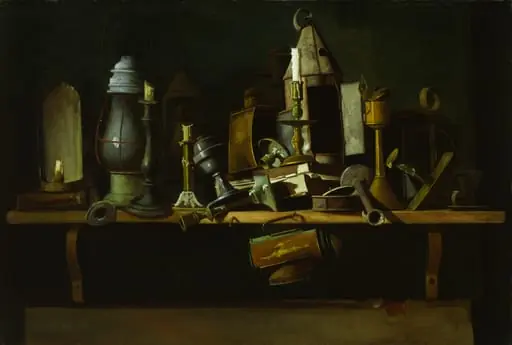
John F. Peto’s 1906 oil painting *Lights of Other Days* presents a meticulously arranged still life of assorted lanterns, candlesticks, and assorted wooden and metal objects. The composition balances varied shapes and sizes across a tabletop, creating a quiet, contemplative scene that invites close inspection of each rendered detail.
Subject & Meaning
The work depicts everyday lighting implements, suggesting a meditation on the passage of time and the fleeting nature of illumination. By gathering objects associated with past and present light sources, Peto evokes nostalgia for earlier eras while prompting viewers to consider how ordinary items acquire symbolic resonance through careful presentation.
Technique & Style
Executed in oil, the painting employs a trompe‑l’œil approach, rendering surfaces with precise brushwork that mimics the texture of metal, wood, and glass. Strong chiaroscuro heightens contrast, while subtle gradations of light model each form, achieving a convincing three‑dimensional effect that blurs the line between painted illusion and reality.
History & Provenance
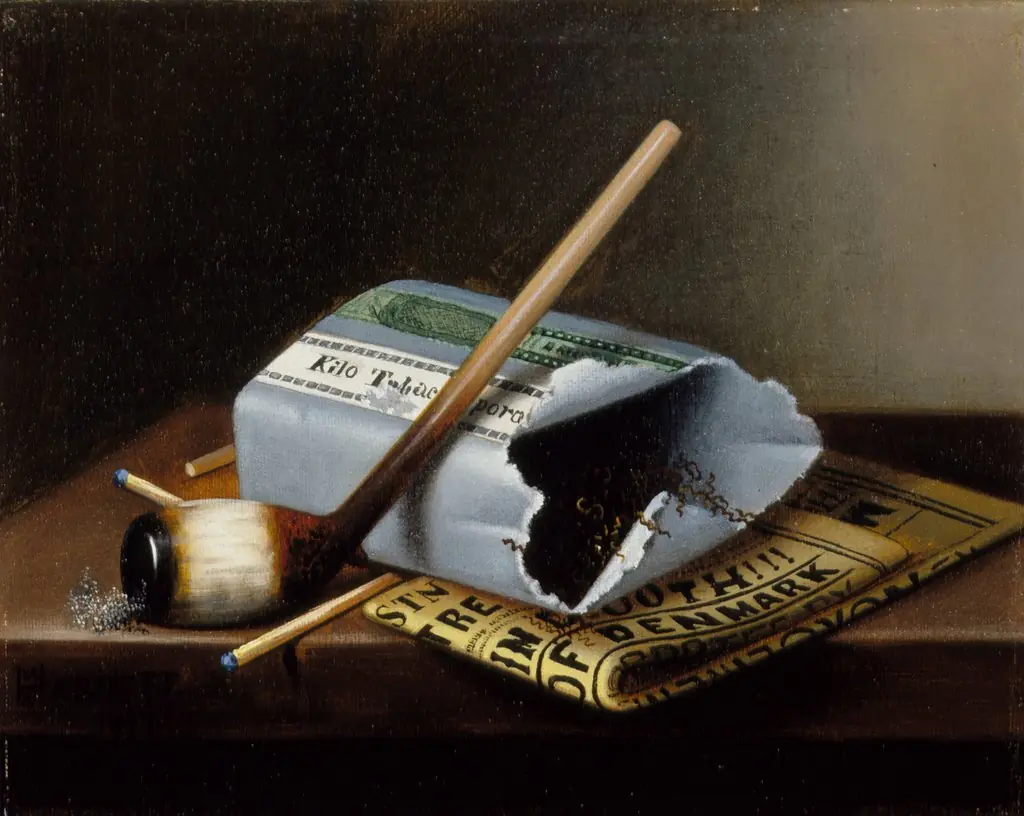
Although Pesto’s work was largely ignored during his lifetime, *Lights of Other Days* later gained recognition alongside the trompe‑l’œil pieces of William Harnett. The painting entered the Art Institute of Chicago’s collection, where it remains accessible for study and public viewing, reflecting a posthumous reassessment of Peto’s contribution to American Impressionist realism.
Own this work as a print
Artist & collection

Artist
John Frederick Peto (May 21, 1854 – November 23, 1907) was an American trompe-l'œil ("fool the eye") painter who was long forgotten until his paintings were rediscovered along with those of fellow trompe-l'œil artist William Harnett.