Artwork
Iisus Hristor Învățător, flancat de apostoli
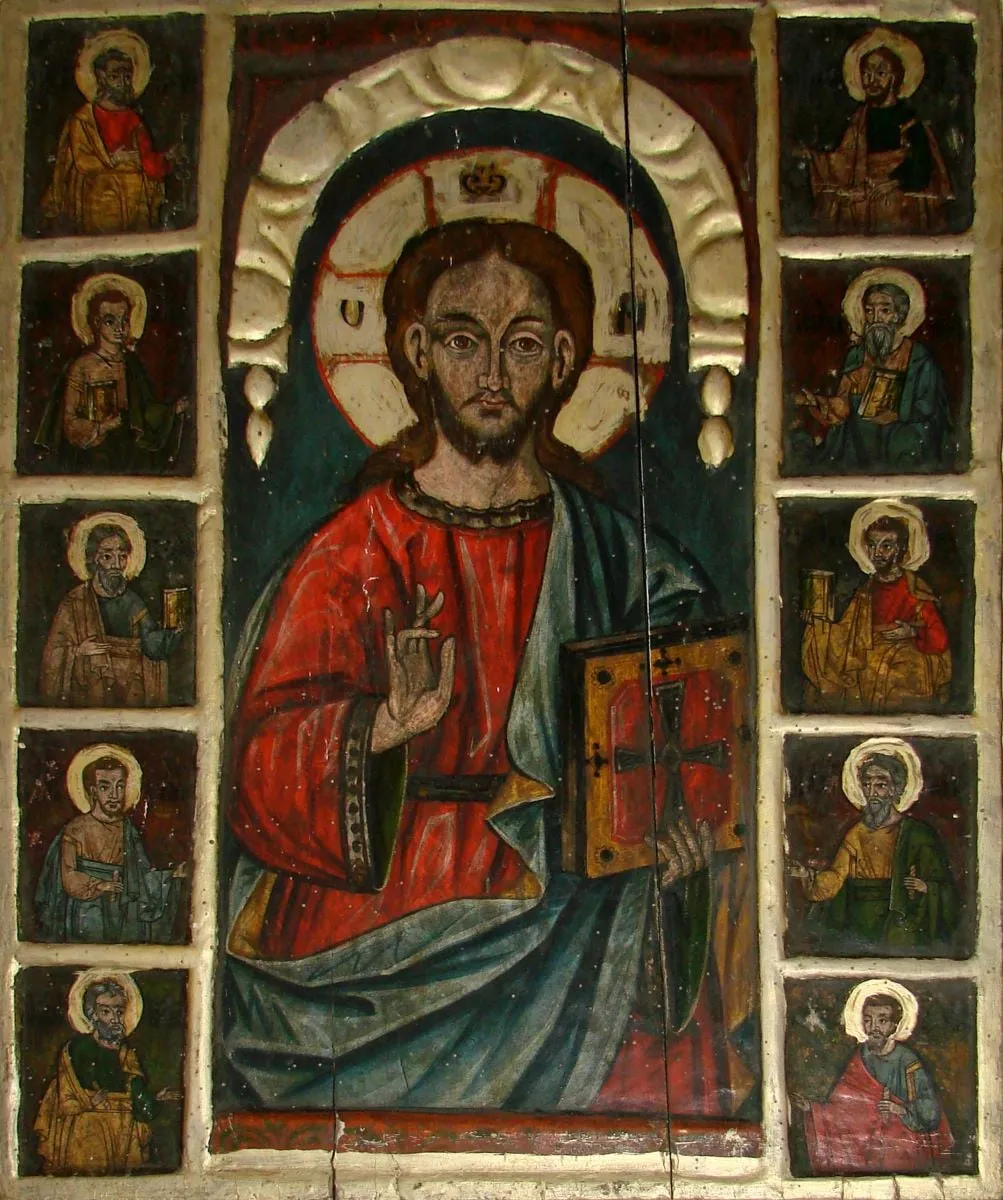
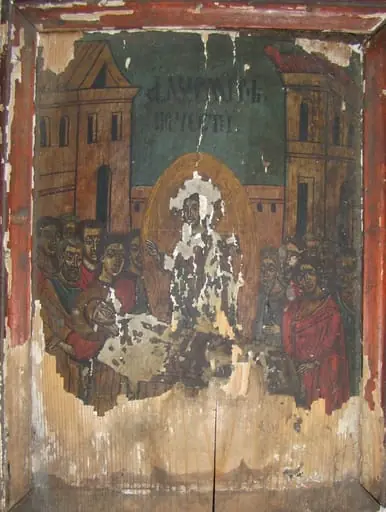
Iisus Hristor Învățător, flancat de apostoli is a drawing by Simon din Bălgrad. It is held in the collection of the Alba Iulia Orthodox Archdiocese. This icon depicts Jesus Christ as a teacher, flanked by eight apostles.
About this work
Overview
Central to the composition, Christ is distinguished by a red robe and golden halo, while the apostles wear simpler garments and smaller halos.
This icon depicts Jesus Christ as a teacher, flanked by eight apostles. The figures are arranged in a rigid, symmetrical grid, typical of Byzantine and Eastern Orthodox traditions. Central to the composition, Christ is distinguished by a red robe and golden halo, while the apostles wear simpler garments and smaller halos. The palette is limited to flat, saturated hues—red, blue, and gold—emphasizing spiritual symbolism over naturalism.
Subject & Meaning
The image presents Christ as the divine instructor, holding a small book that signifies sacred teaching. His raised hand conveys blessing or the act of imparting wisdom. The apostles, arranged in orderly rows, represent the foundational community of the Church, receiving and preserving his doctrine. The composition reinforces the idea of divine authority transmitted through a structured, unchanging tradition.
Technique & Style
Rendered in a stylized, non-naturalistic manner, the figures are composed of blocky, geometric forms with minimal modeling. Colors are applied in flat planes without shading, enhancing their symbolic rather than physical presence. Gold halos and outlines define sacred status, while the lack of perspective and depth reflects liturgical conventions prioritizing spiritual clarity over illusionistic realism.
History & Provenance
This work likely originated in a religious context within the Eastern Orthodox world, possibly in the Balkans or Romania, during the late medieval or early modern period. Such icons were created for devotional use in churches or private chapels. Its preservation suggests continued veneration, though specific origins and creators remain undocumented in available records.
Context
The icon follows a long-standing Byzantine model of Christ Pantocrator surrounded by apostles, common in liturgical art from the 9th century onward. Its design aligns with monastic traditions that emphasized doctrinal clarity and visual continuity with sacred precedent. Unlike Western Renaissance developments, it avoids individualized expression, favoring canonical forms to convey timeless theological truths.
Legacy
This icon exemplifies the enduring influence of Byzantine aesthetics in Orthodox Christian communities. Its formal consistency across centuries reflects a commitment to preserving sacred imagery as a vessel of faith rather than artistic innovation. Similar compositions continue to be produced today, maintaining the visual language established in early Christian iconography.
Artist & collection
Artist
These drawings come from a 18th-century Romanian church tradition. They show scenes from the life of Jesus and Mary, like Botezul lui Iisus and Învierea lui Iisus, drawn in dark ink on paper. The figures are posed…
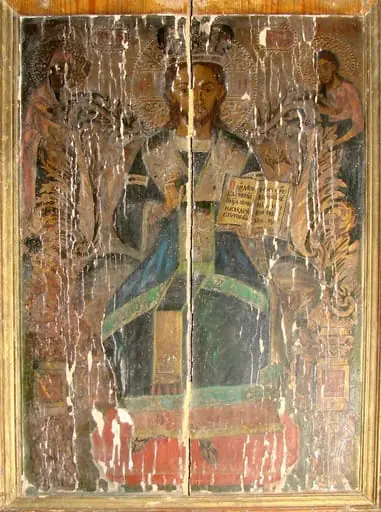
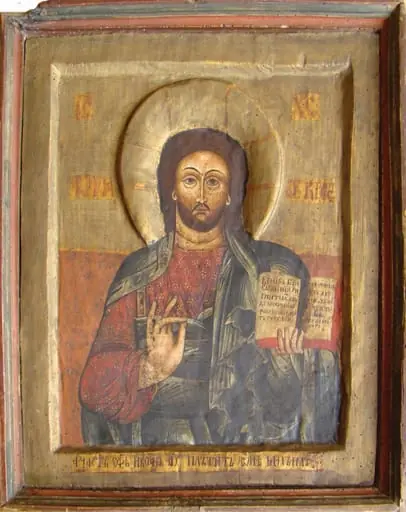 Iisus Hristos Învățător
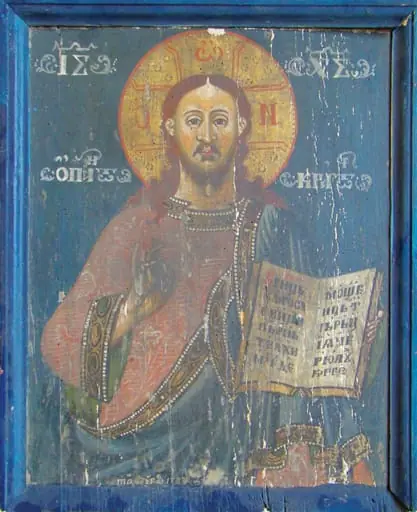 Iisus Hristos Învățător
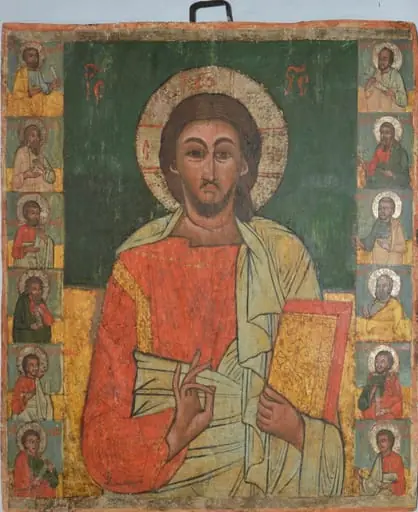 Iisus Hristos Învățător, flancat de apostoli
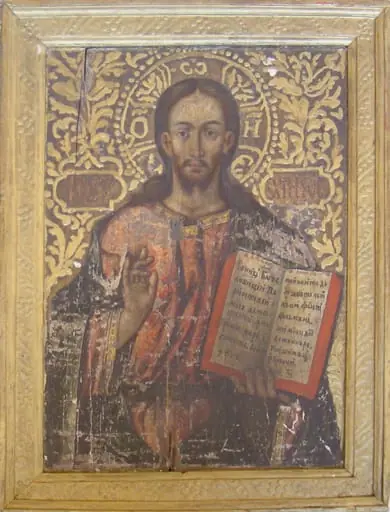 Iisus Hristos Învățător
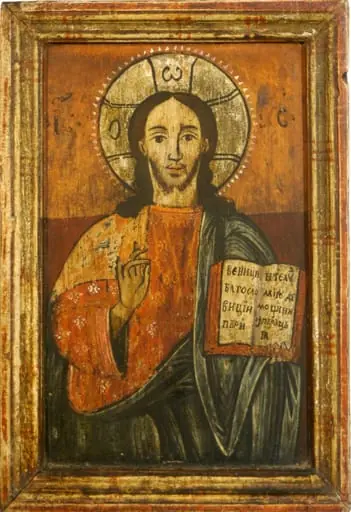 Iisus Hristos Pantocrator
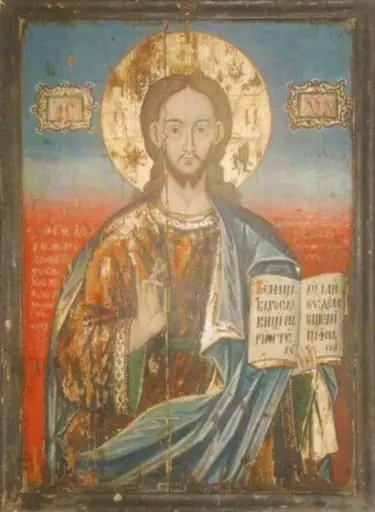 Iisus Hristos Pantocrator
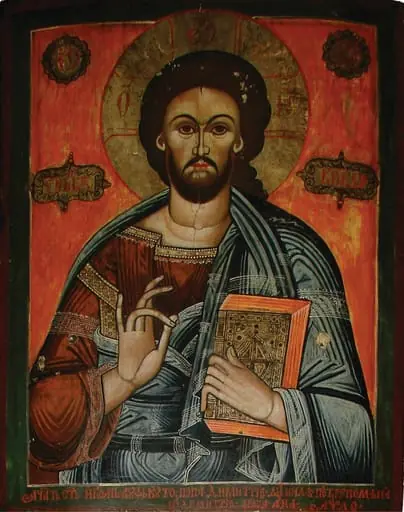 Iisus Hristos Învățător
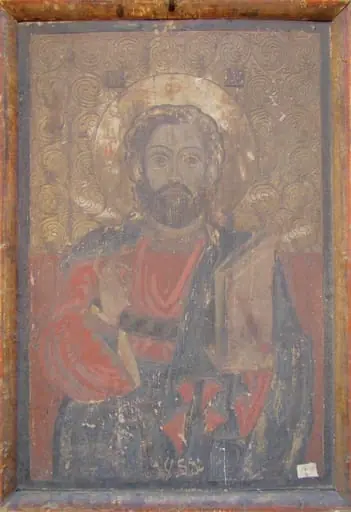 Iisus Hristos Învățător
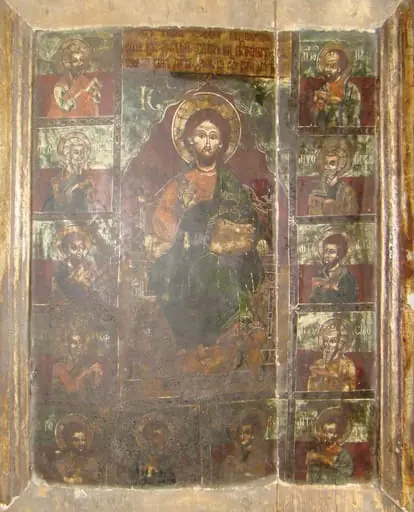 Iisus Hristos Pantocrator, înconjurat de apostoli
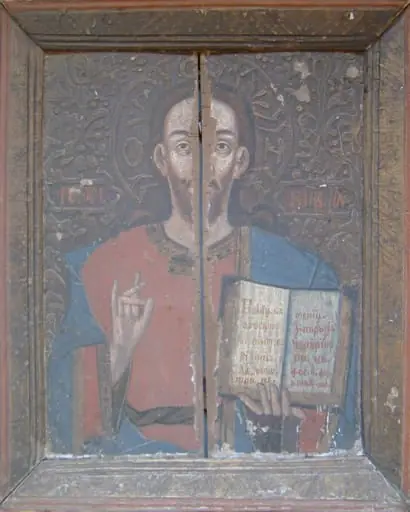 Iisus Hristos Învățător
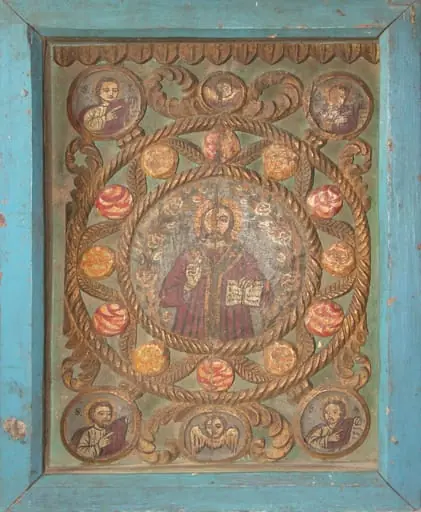 Iisus Hristos Învățător