Artwork
Study of a Turkish Horse-Tail Ensign and Nose-Band
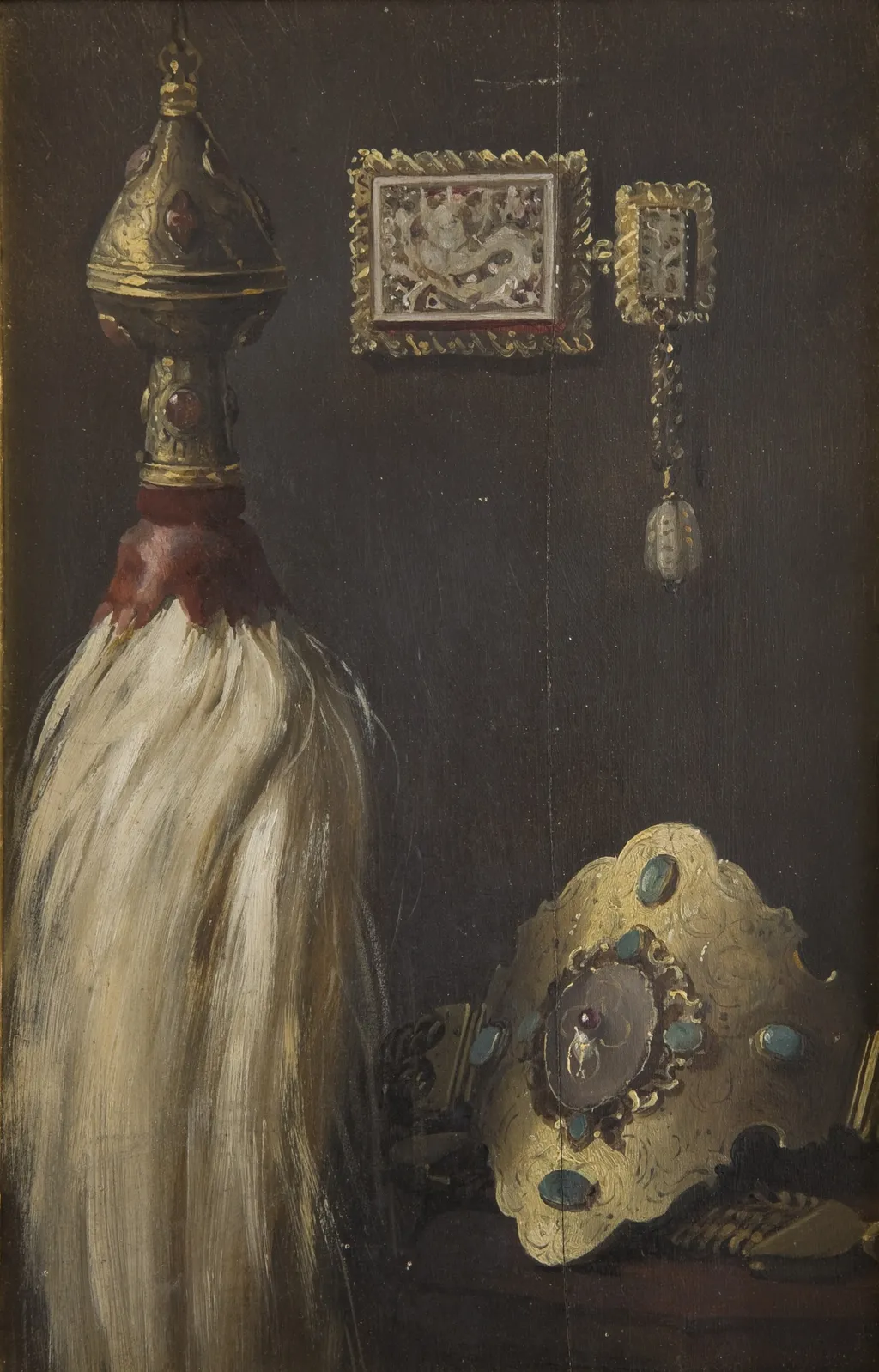
Study of a Turkish Horse-Tail Ensign and Nose-Band is an oil painting by Stanisław Chlebowski. It dates from 1869 and is held in the collection of the National Museum in Kraków.
About this work
Overview
It resides in the collection of the National Museum in Kraków, reflecting Chlebowski’s broader interest in Eastern military traditions and their visual culture.
Painted around 1869 by Polish artist Stanisław Chlebowski, this oil study depicts a Turkish military horse’s tail and its ornamental nose-band. The work is a focused examination of equestrian regalia, rendered with meticulous attention to material detail. It resides in the collection of the National Museum in Kraków, reflecting Chlebowski’s broader interest in Eastern military traditions and their visual culture.
Subject & Meaning
The painting isolates two elements of Ottoman cavalry equipment: the white horse’s tail, adorned with a brown and gold tassel, and the gold nose-band inlaid with blue and purple stones. These items were symbols of rank and ceremonial status within the Ottoman military. The inclusion of small ornamental objects on the wall behind suggests a storage or display context, hinting at the ritual significance of these objects beyond mere function.
Technique & Style
Chlebowski employed oil paint to achieve a high degree of realism, emphasizing texture and surface variation. The sheen of metal, the fibrous quality of the tail hairs, and the gemstone reflections are rendered with precision. The composition is tightly framed, eliminating background distraction to concentrate on the objects’ formal qualities, aligning with academic traditions of detailed study and ethnographic observation.
History & Provenance
Created during Chlebowski’s period of engagement with Eastern subjects, the painting was likely made after his travels in the Ottoman Empire. It entered the National Museum in Kraków’s collection in the late 19th or early 20th century, where it remains as part of a broader group of Orientalist works by Polish artists documenting cultural artifacts from the Near East.
Context
In the mid-19th century, European artists increasingly turned to the Ottoman world for subject matter, often driven by political interest and romanticized curiosity. Chlebowski’s focus on military accoutrements reflects a scholarly impulse within Orientalism — documenting material culture with accuracy rather than exoticizing it for spectacle.
Legacy
This study exemplifies Chlebowski’s role in preserving visual records of Ottoman equestrian gear through precise artistic documentation. While not widely exhibited, it contributes to the understanding of how Polish artists engaged with Eastern traditions during a period of imperial decline, offering a quiet counterpoint to more dramatic Orientalist narratives.
Artist & collection
Artist
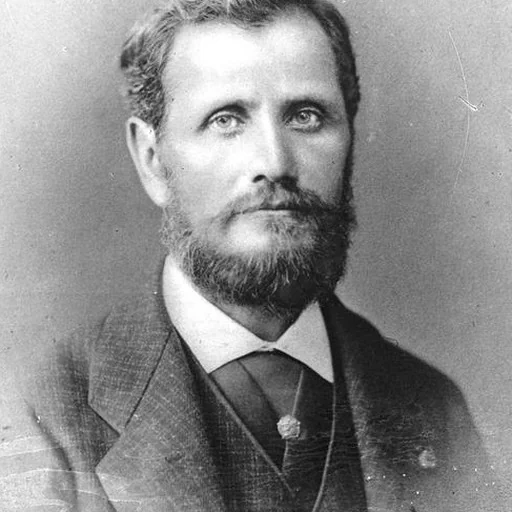
Stanisław Chlebowski (1835–1884) was a Polish painter. He was a renowned specialist in Oriental themes and history painting.

 Study of Stirrups and a Saddle
 The Powers of the World
 Study of an Ornamental Escuffas
 Still life with pewter jug
 Still Life with Pewter Dish
 Still life with candlestick of the "Labours of Hercules" series and two ewers
 Still Life with Westerwald Jug and Smoking Paraphernalia
 Natură statică - Apa sfințită
 Kościuszko's Column