Artwork
Still Life with Pewter Dish
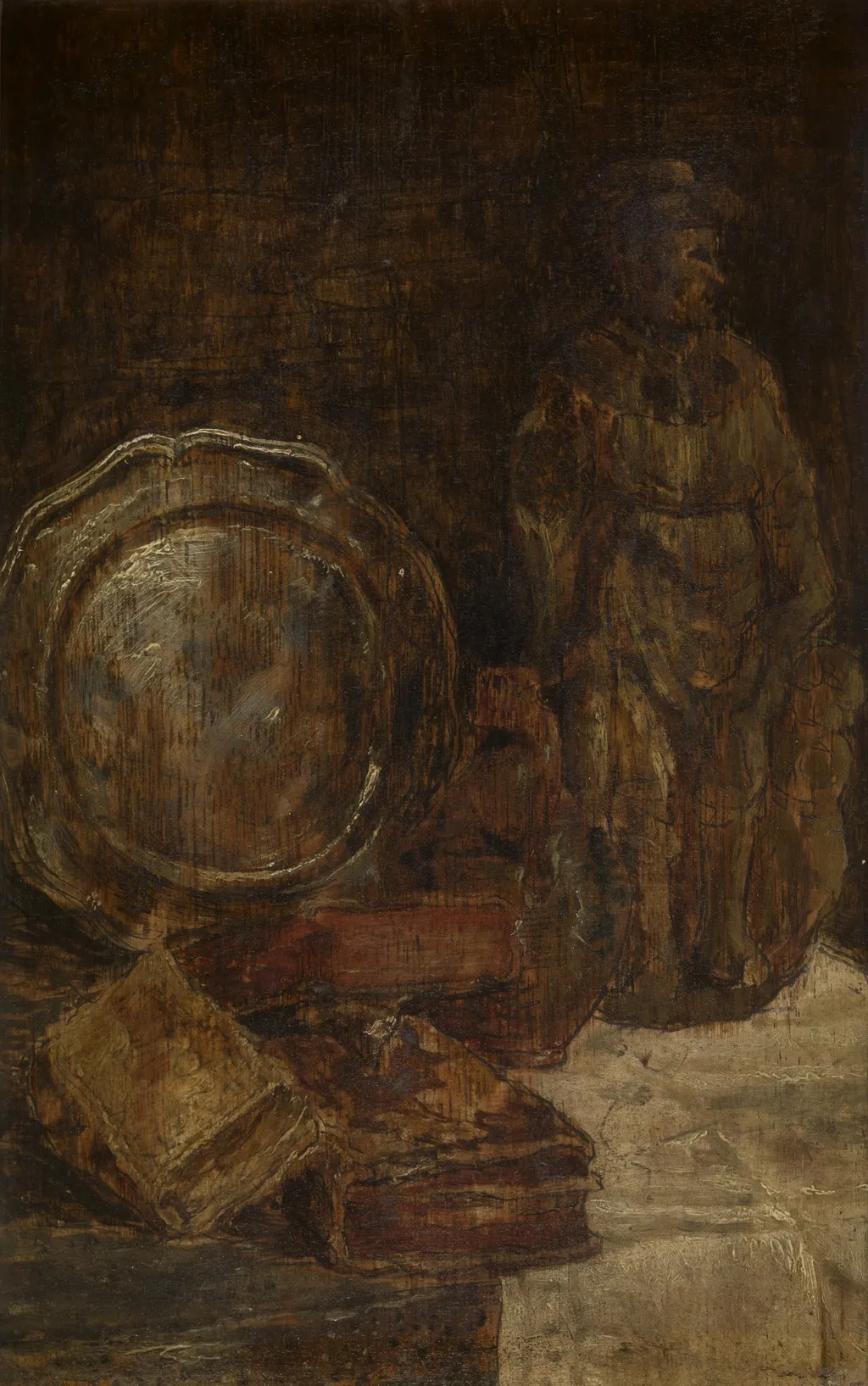
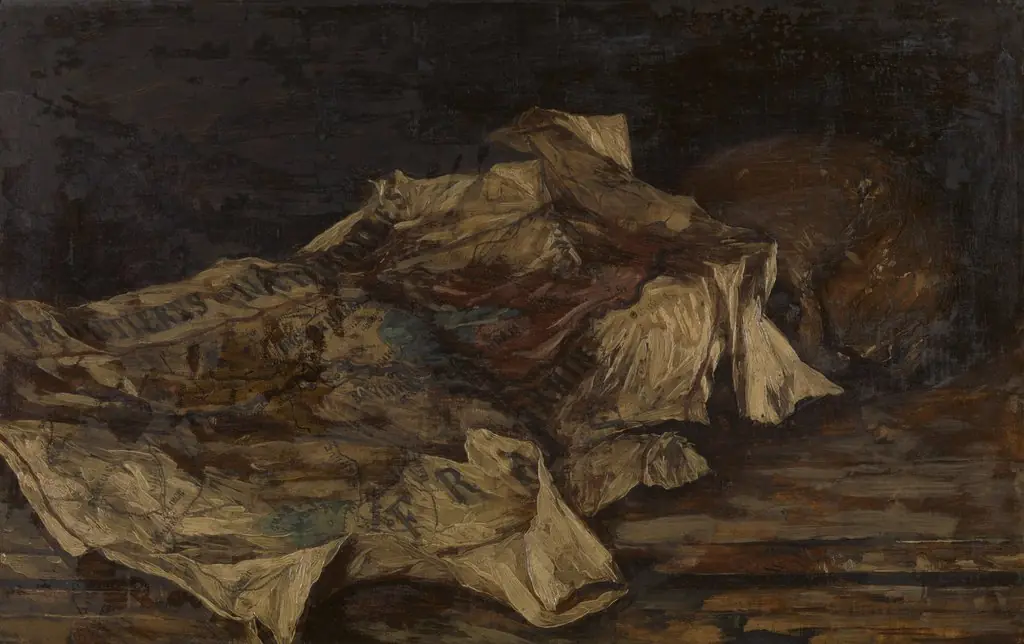
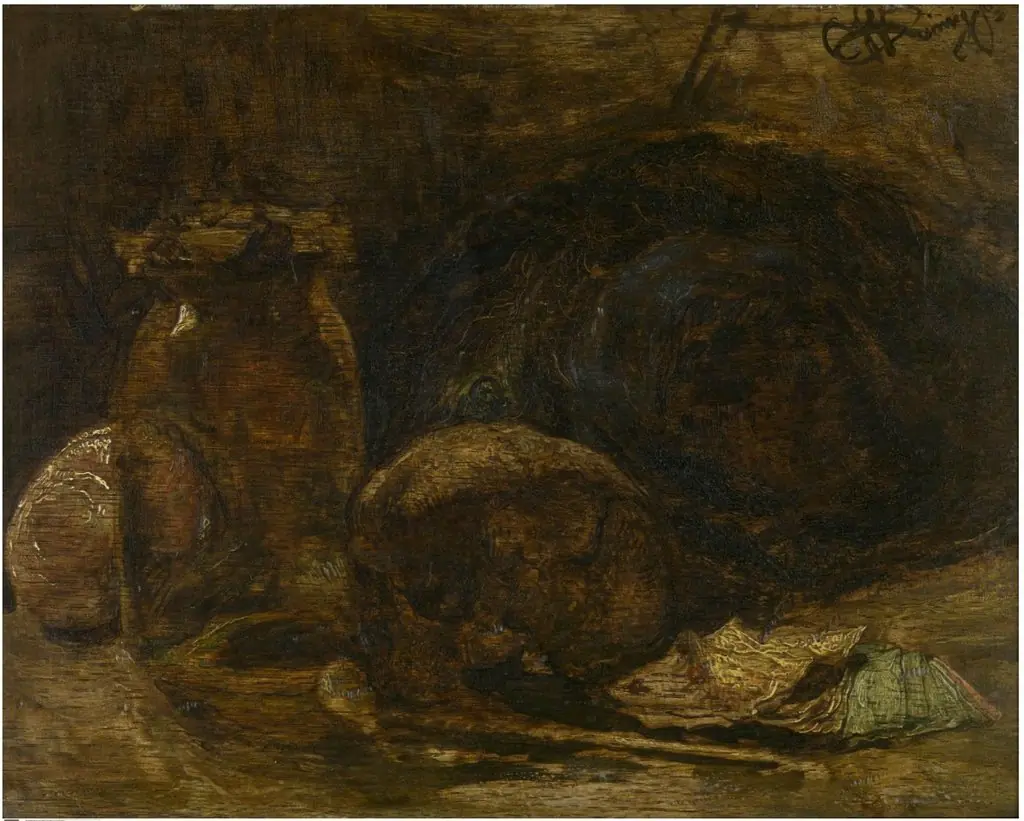
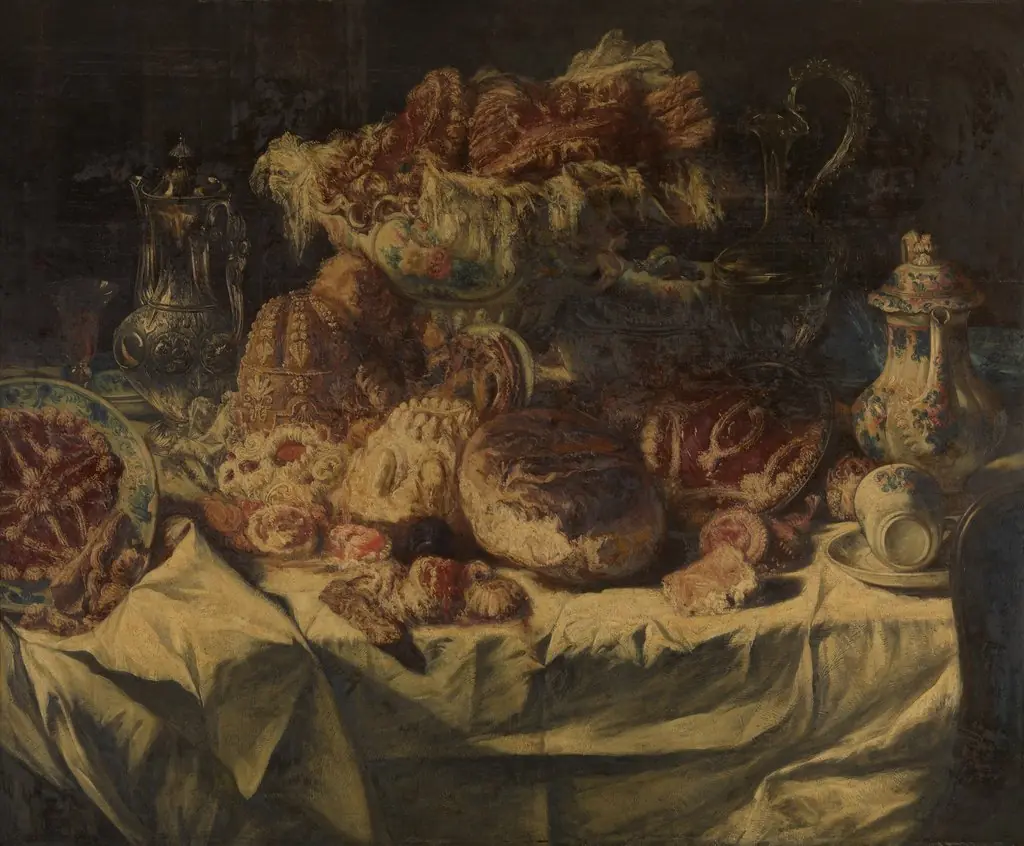
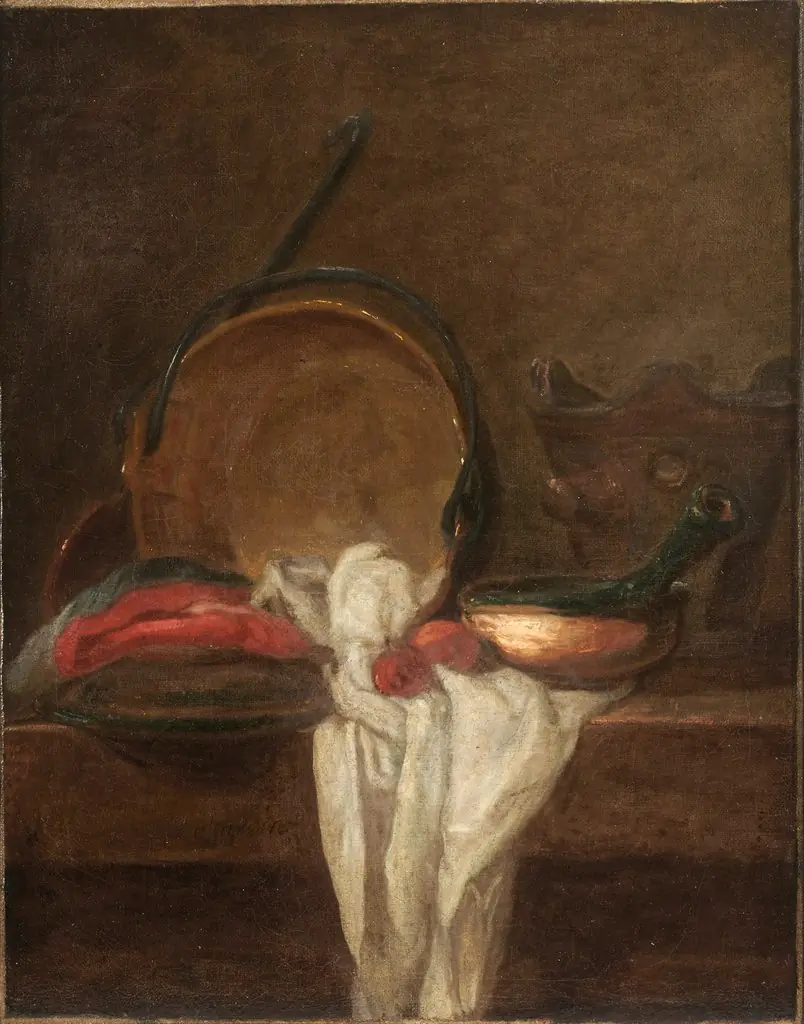
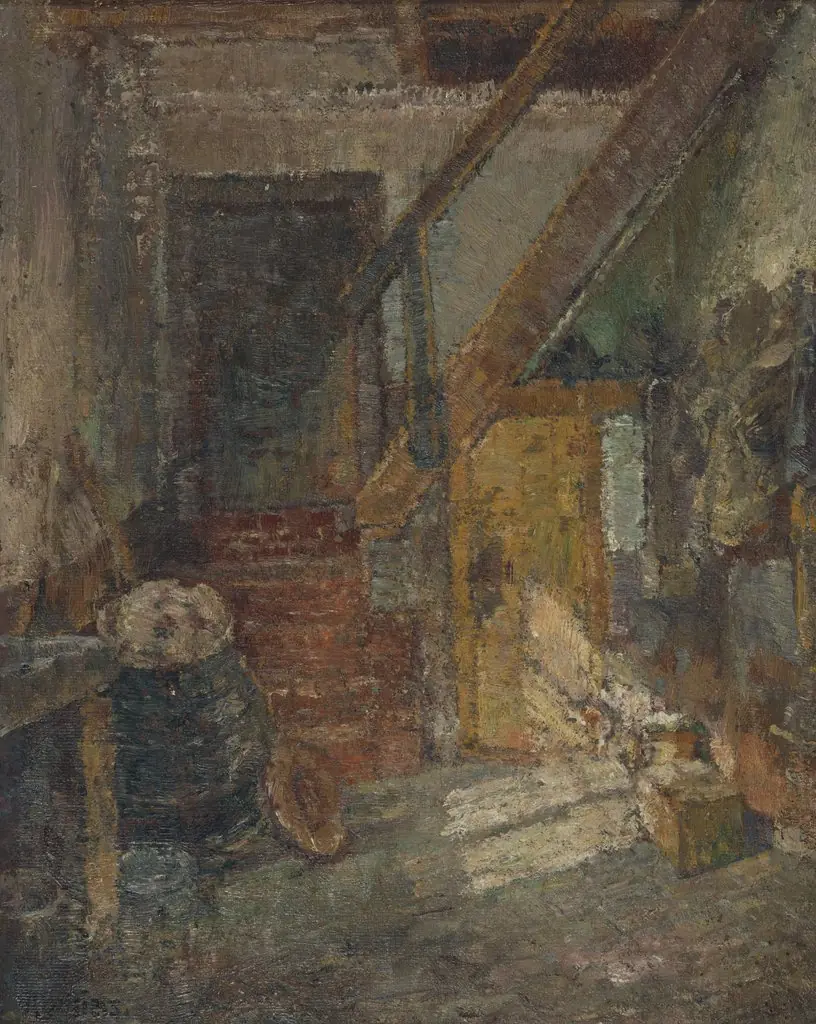
Still Life with Pewter Dish is an oil painting by Willem Linnig Junior. It dates from 1870 and is held in the collection of the Royal Museum of Fine Arts Antwerp. Painted in 1870 by Willem Linnig the Younger, this oil on canvas still life centers on a pewter dish arranged on a tabletop.
About this work
Overview
Painted in 1870 by Willem Linnig the Younger, this oil on canvas still life centers on a pewter dish arranged on a tabletop.
Painted in 1870 by Willem Linnig the Younger, this oil on canvas still life centers on a pewter dish arranged on a tabletop. The composition is restrained, with no overt narrative or decorative flourish. Its quiet presence reflects Linnig’s broader engagement with domestic objects and his interest in material texture, a focus shared across his varied output in history, genre, and landscape painting.
Subject & Meaning
The pewter dish, slightly worn and unadorned, serves as the sole subject of significance. Surrounding items are indistinct, deliberately blurred to avoid distraction. The absence of fruit, flowers, or luxury goods suggests a rejection of ornate tradition. Instead, the work elevates the ordinary, inviting contemplation of everyday materiality and the dignity of humble objects.
Technique & Style
Linnig employs chiaroscuro to model the dish’s curved surface, using deep shadows and soft highlights to suggest weight and form. Thick impasto builds the metallic sheen and surface irregularities of the pewter, enhancing its tactile presence. The palette is subdued—grays, browns, and muted ochres—reinforcing the somber tone and concentrating attention on light’s interaction with the object.
History & Provenance
The painting entered the collection of the Royal Museum of Fine Arts Antwerp, where it remains today. Linnig, active in Belgium and later a teacher in Weimar, produced this work during a period when still life was gaining renewed attention among European artists for its capacity to explore perception and materiality beyond symbolism.
Context
In late 19th-century Europe, still life painting was shifting from symbolic allegory toward observational realism. Linnig’s work aligns with this trend, echoing the quiet intensity of Dutch and Flemish predecessors while avoiding overt moralizing. His training and teaching roles placed him within a network of artists prioritizing technical precision over romantic expression.
Legacy
Though not widely exhibited outside institutional collections, the painting exemplifies Linnig’s commitment to disciplined observation. His handling of light and surface influenced students in Weimar and contributed to a regional tradition of restrained, materially grounded still life that persisted in Belgian academic circles into the early 20th century.
Artist & collection
Artist
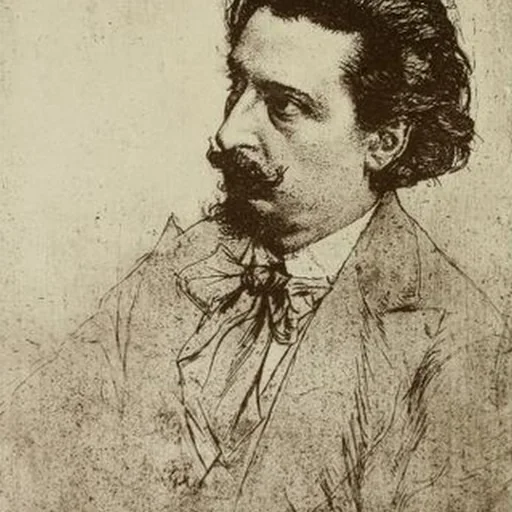
Willem Linnig the Younger (20 August 1842 in Antwerp – 3 September 1890 in Antwerp) was a Belgian painter and engraver who is best known for his history and genre scenes, landscapes and still lifes.