Artwork
Lake with Water-Lilies
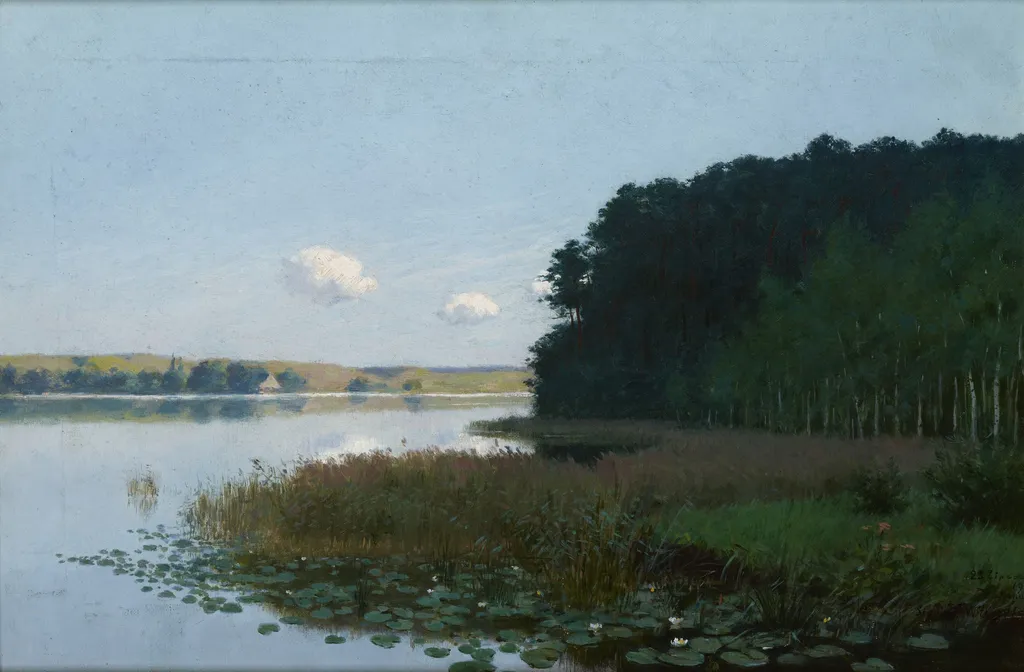
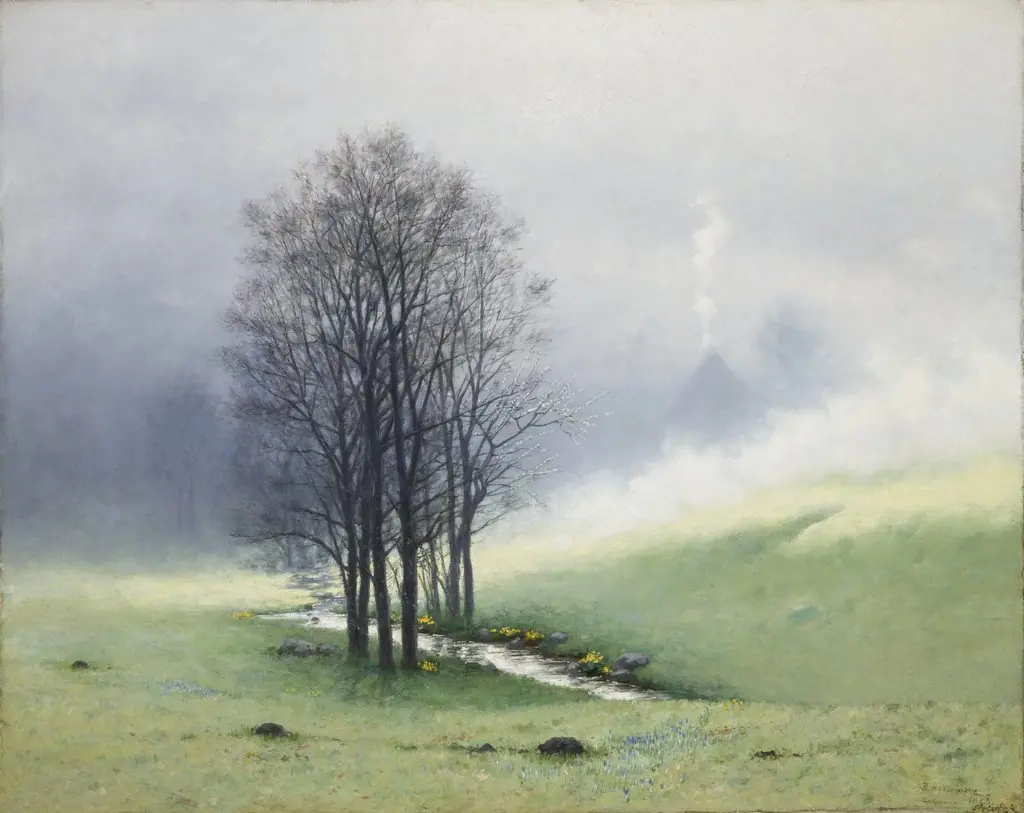
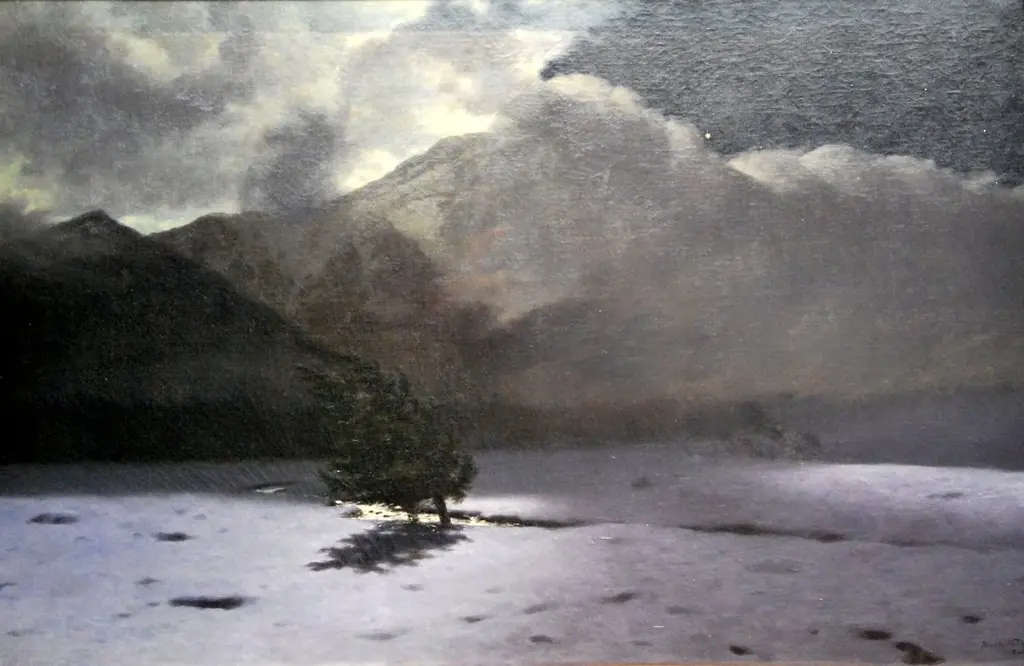
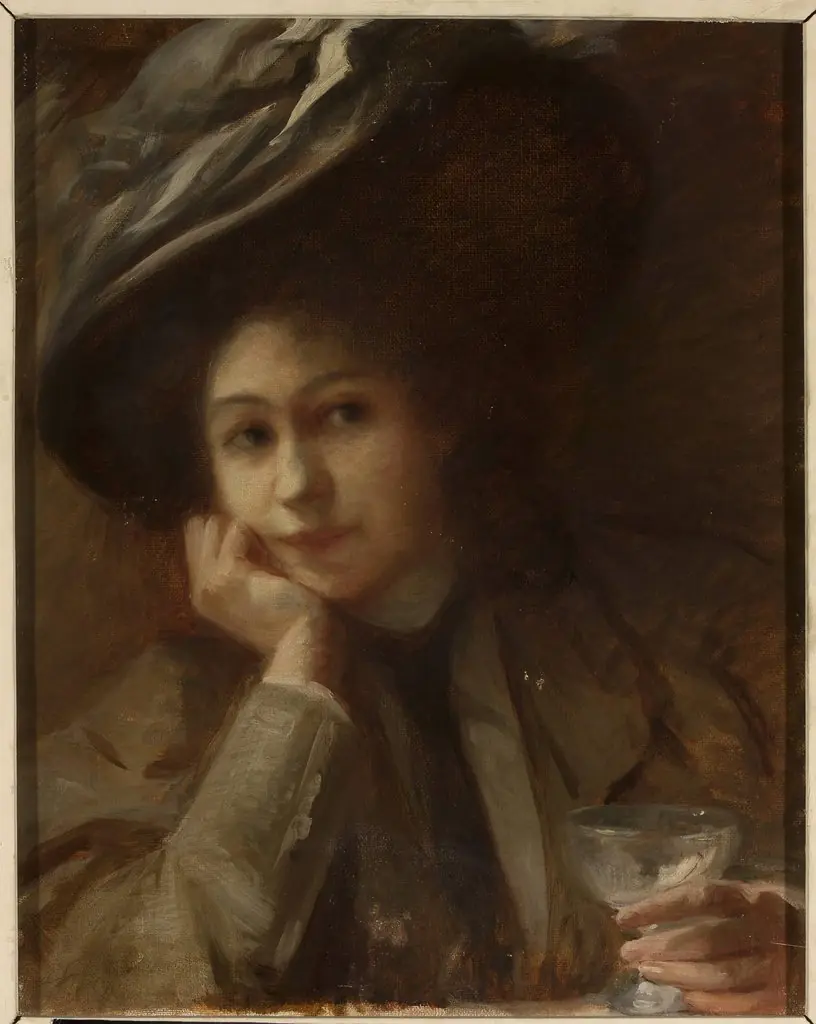
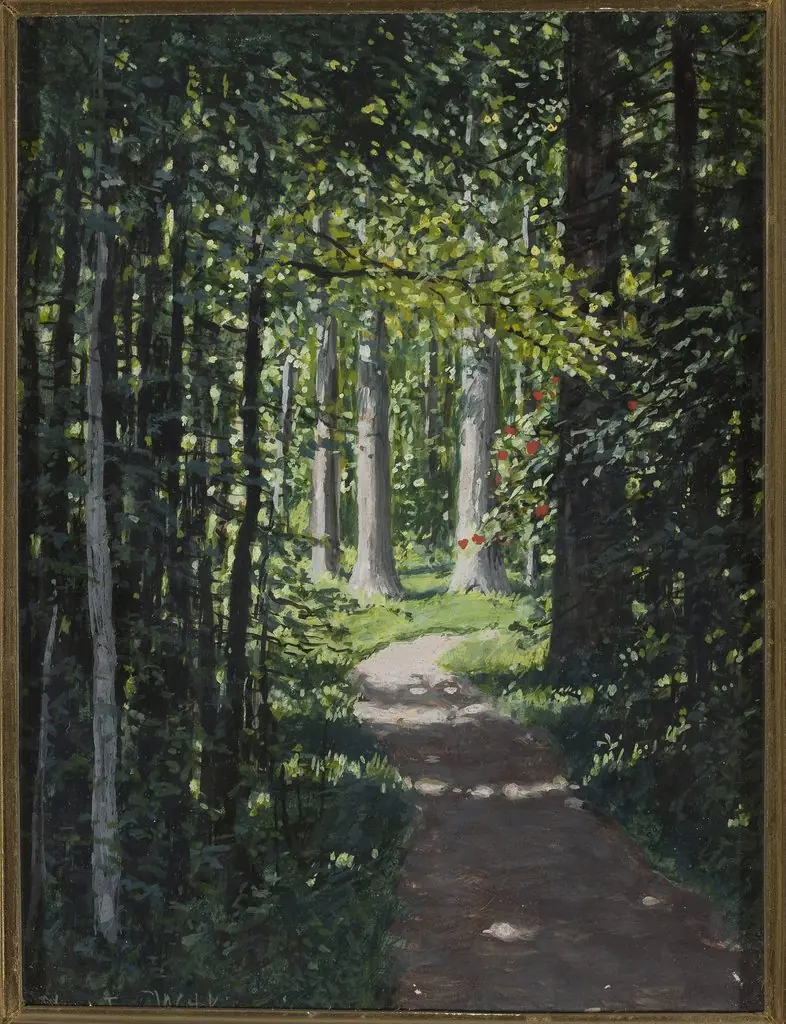
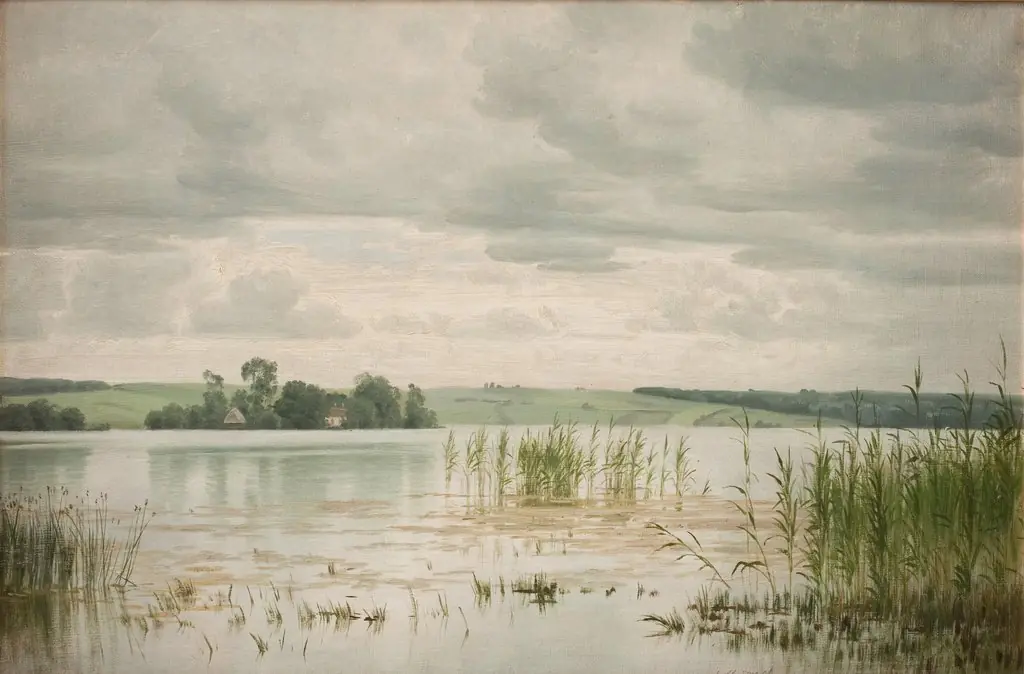
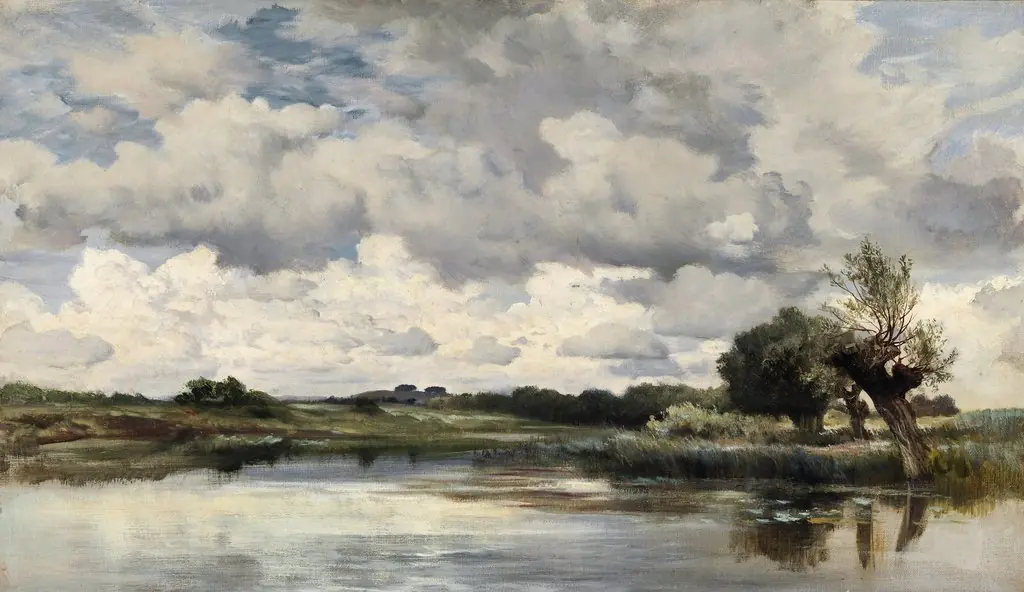
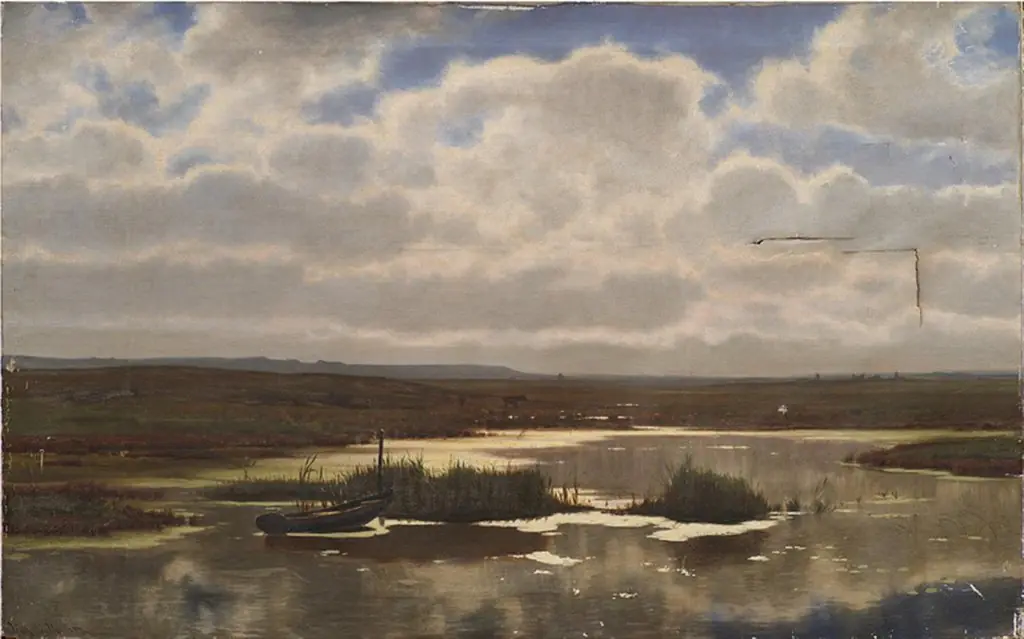
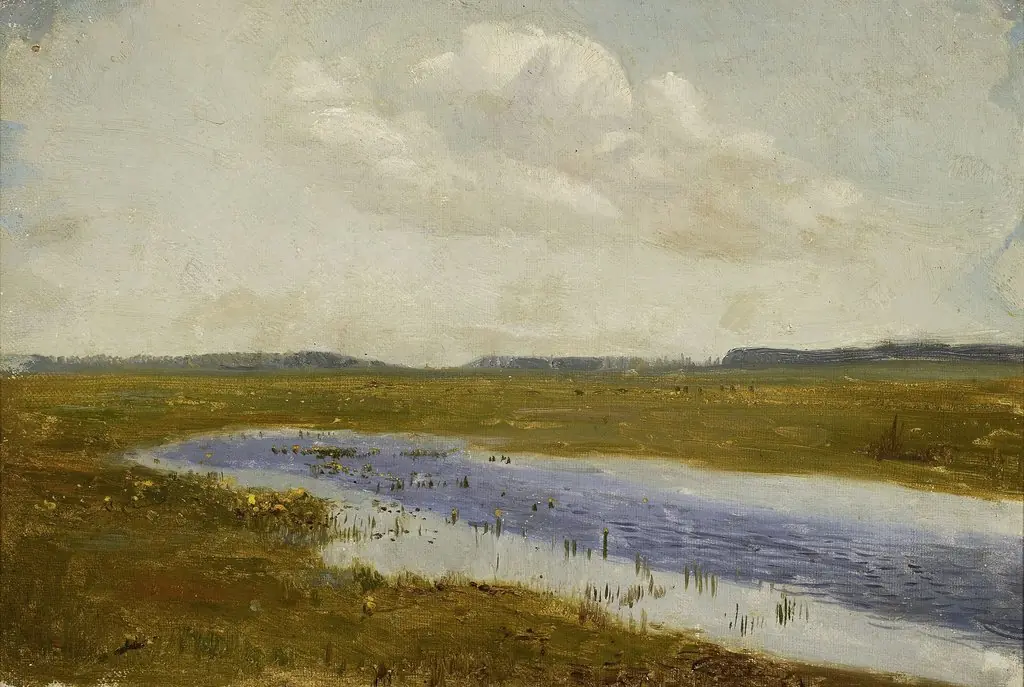
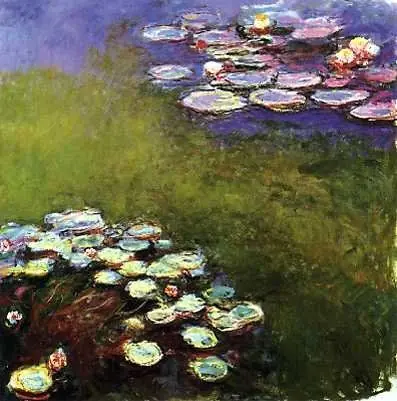
Lake with Water-Lilies is an oil painting by the Impressionist artist Stanisław Witkiewicz. It dates from 1901 and is held in the collection of the National Museum in Kraków.
About this work
Overview
The painting resides in the National Museum in Kraków, part of a body of work that bridges Polish landscape tradition and modernist experimentation.
Stanisław Witkiewicz painted *Lake with Water-Lilies* in 1901 using oil on canvas. Though associated with Impressionist tendencies, the work diverges from French Impressionism in its restrained tone and structural clarity. It reflects Witkiewicz’s broader interest in capturing natural environments with quiet precision rather than fleeting effects. The painting resides in the National Museum in Kraków, part of a body of work that bridges Polish landscape tradition and modernist experimentation.
Subject & Meaning
The scene portrays a calm lake surface dotted with water-lilies, framed by dense, softly rendered vegetation. There is no human presence or narrative element; the focus is on the quiet rhythm of nature. Witkiewicz avoids dramatic contrast or symbolic overtones, instead emphasizing stillness and organic harmony. The composition invites contemplation, suggesting a personal, almost meditative engagement with the Polish countryside.
Technique & Style
Witkiewicz applied oil paint with deliberate, visible brushwork that builds texture without overwhelming form. Colors are subdued—cool greens, muted blues, and soft grays—creating a unified atmospheric tone. He avoids the bright chromatic contrasts typical of Impressionism, favoring tonal gradations that suggest depth through layering rather than light effects. The brushstrokes follow the natural contours of water and foliage, reinforcing the painting’s sense of quiet observation.
History & Provenance
Painted in 1901, the work entered the collection of the National Museum in Kraków shortly after its creation. It was not widely exhibited during Witkiewicz’s lifetime, as his reputation was more firmly rooted in architectural theory and the Zakopane Style. The painting remained a private, introspective piece, reflecting his artistic interests beyond his public projects. Its preservation in Kraków underscores its significance within Poland’s early 20th-century art heritage.
Context
Witkiewicz developed the Zakopane Style as a national architectural idiom rooted in Polish highland traditions. While *Lake with Water-Lilies* is not architectural, it shares the same ethos: a deliberate return to local motifs and a rejection of foreign stylistic dominance. The painting aligns with broader Central European efforts to define a distinct cultural voice through art, emphasizing regional landscapes over cosmopolitan trends.
Legacy
Though overshadowed by his architectural contributions, *Lake with Water-Lilies* remains a key example of Witkiewicz’s painterly practice. It influenced later Polish landscape painters who sought to balance realism with emotional restraint. The work is now recognized as a quiet counterpoint to the more flamboyant styles of his contemporaries, valued for its introspective tone and fidelity to natural observation.
Own this work as a print
Artist & collection
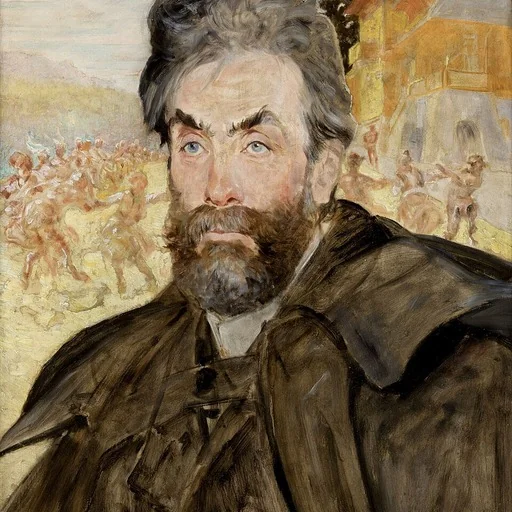
Artist
Stanisław Witkiewicz (Lithuanian: Stanislovas Vitkevičius; 8 May 1851 – 5 September 1915) was a Polish painter, art theoretician, and amateur architect, known for his creation of "Zakopane Style".