Artwork
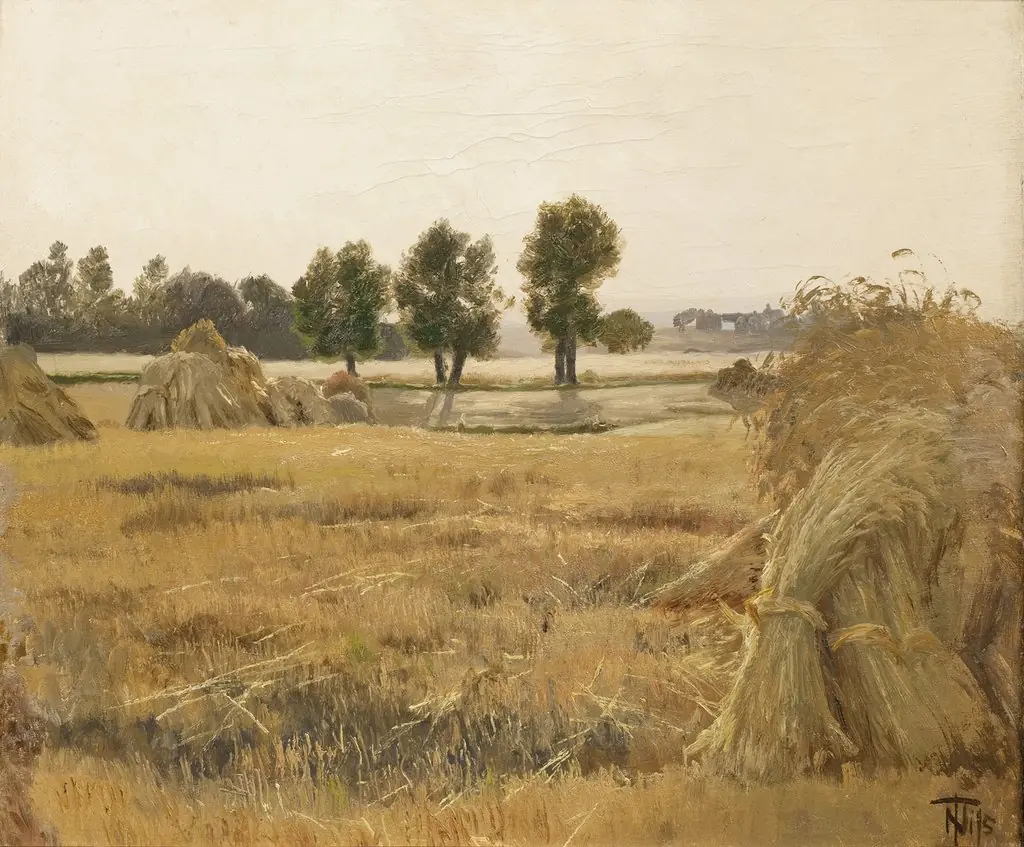
Sheaves in the field
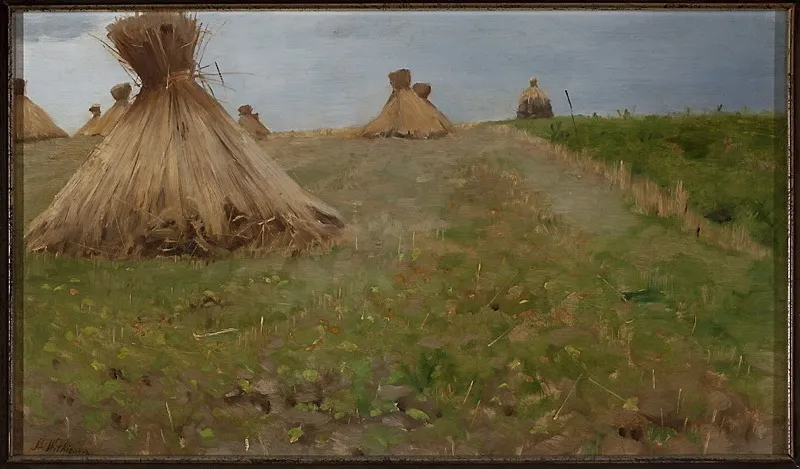
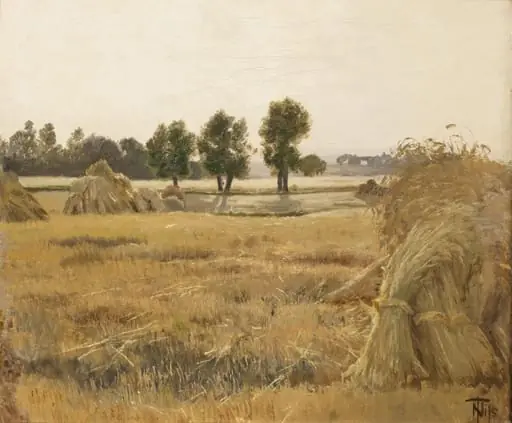
Sheaves in the field is an unspecified painting by the Impressionist artist Stanisław Witkiewicz. It dates from 1896 and is held in the collection of the National Museum in Warsaw.
About this work
Overview
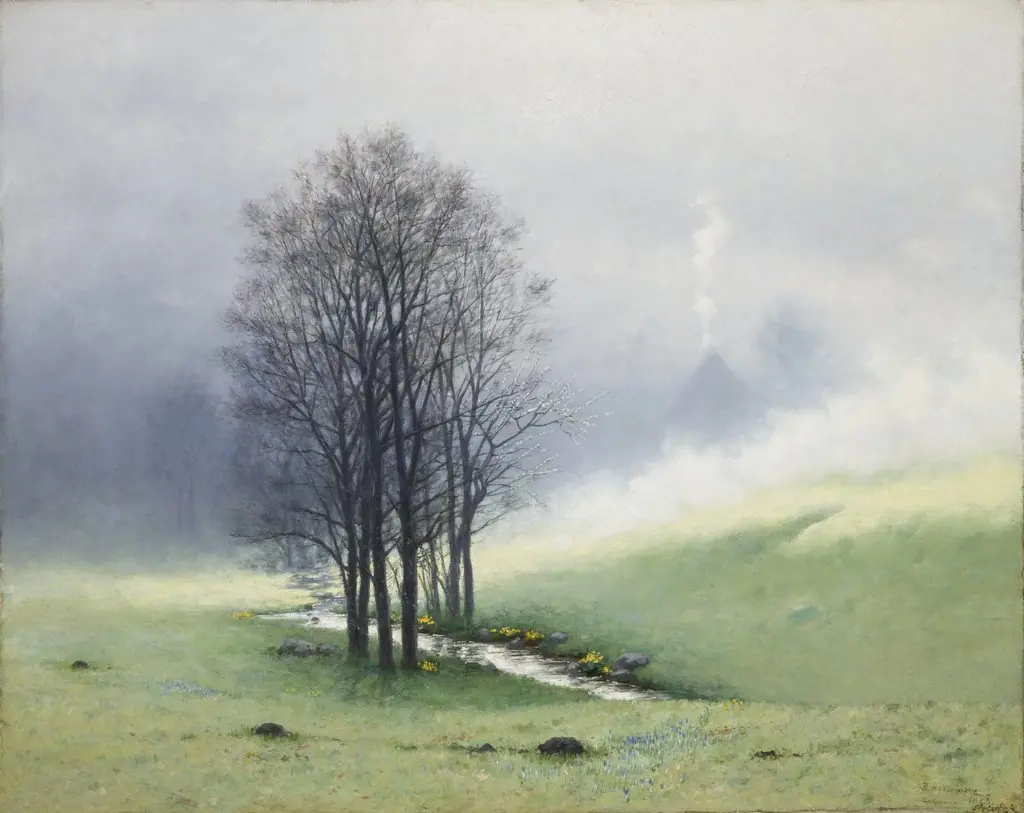
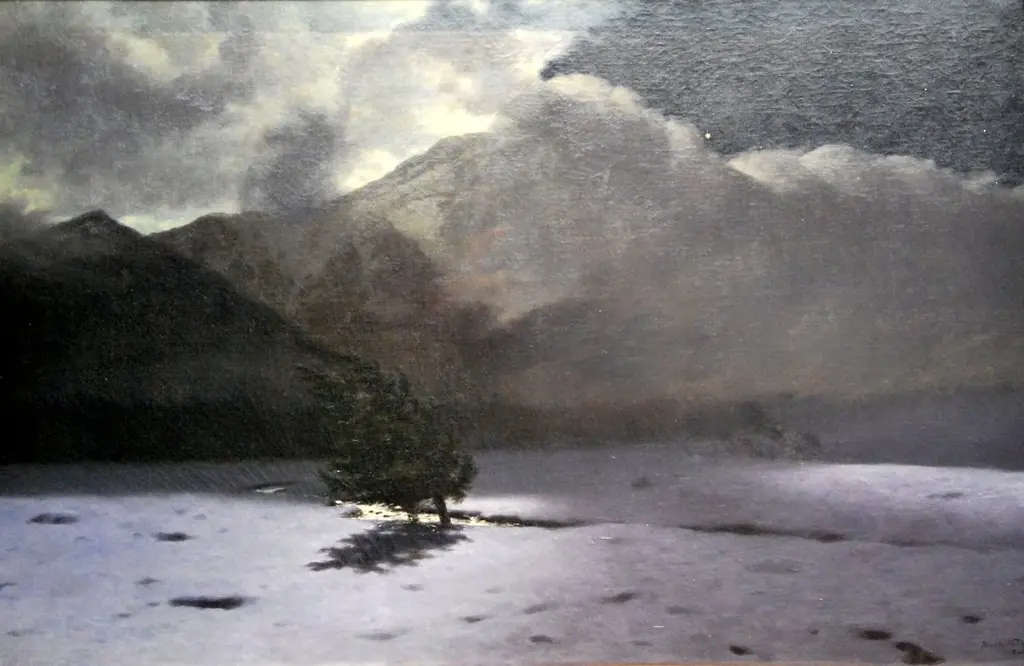
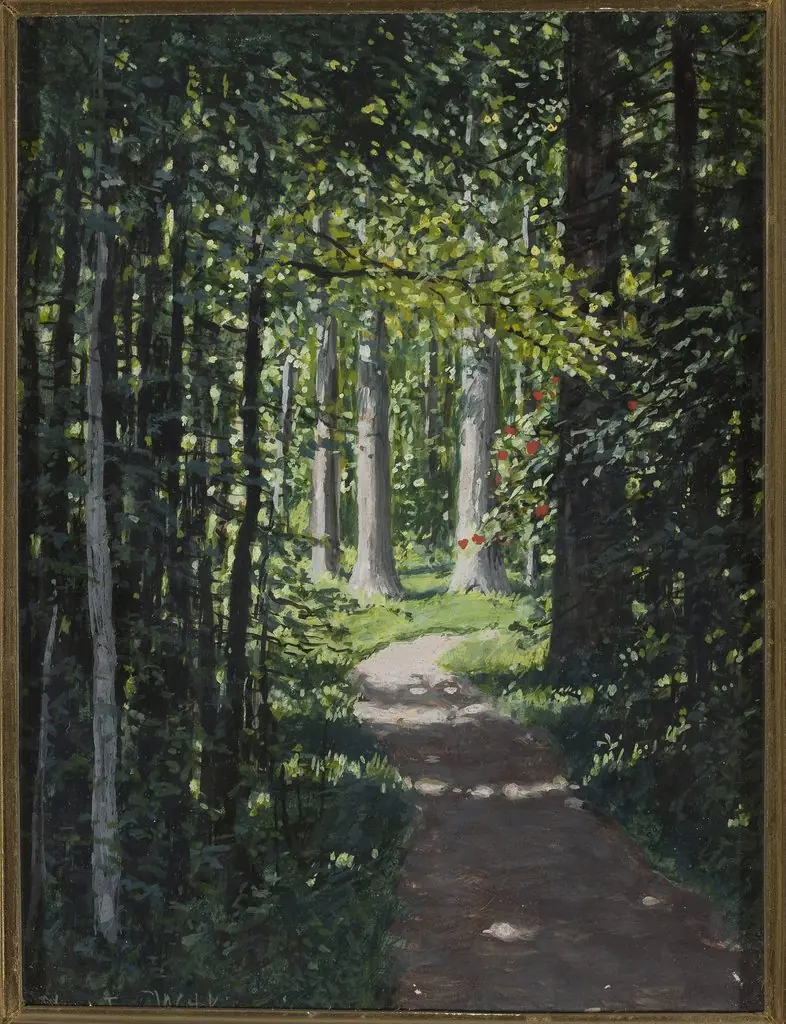
Painted in 1896 by Stanisław Witkiewicz, *Sheaves in the Field* is a quiet rural scene executed in a style influenced by Impressionism. Though associated with the Zakopane Style he later championed, this work reflects his earlier engagement with light and atmosphere. It resides in the National Museum in Warsaw, where it stands as a modest yet deliberate study of agricultural labor and landscape.
Subject & Meaning
The painting presents harvested grain sheaves scattered across a field—some upright, others fallen—suggesting the aftermath of labor rather than its action. The absence of figures emphasizes solitude and the passage of time. The muted tones and stillness convey a sense of quiet completion, inviting contemplation of rural cycles without overt symbolism or narrative.
Technique & Style
Witkiewicz employs soft modeling and subtle tonal shifts to suggest volume in the sheaves and undulating ground. Color is restrained, dominated by earthy browns and pale greens, with the gray sky unbroken by cloud or sun. Chiaroscuro is used sparingly to define form, not drama, reinforcing the scene’s stillness and the tactile presence of the harvested grain.
History & Provenance
Created during Witkiewicz’s formative years as a painter, the work predates his full development of the Zakopane Style. It entered the National Museum in Warsaw’s collection in the early 20th century, likely through direct acquisition or donation. Its preservation reflects early institutional interest in Polish landscape painting beyond academic traditions.
Context
In late 19th-century Poland, rural life was increasingly idealized as a cultural anchor amid political fragmentation. While urban artists turned to realism or symbolism, Witkiewicz’s focus on the field and its harvest aligns with broader European trends in plein air painting, yet retains a distinctly local sensibility rooted in the Polish countryside.
Legacy
Though not among Witkiewicz’s most famous works, *Sheaves in the Field* illustrates his transition from Impressionist observation to a more structured, national aesthetic. It remains a quiet reference point in Polish art history, demonstrating how everyday rural scenes could carry emotional weight without grandeur or spectacle.
Artist & collection
Artist
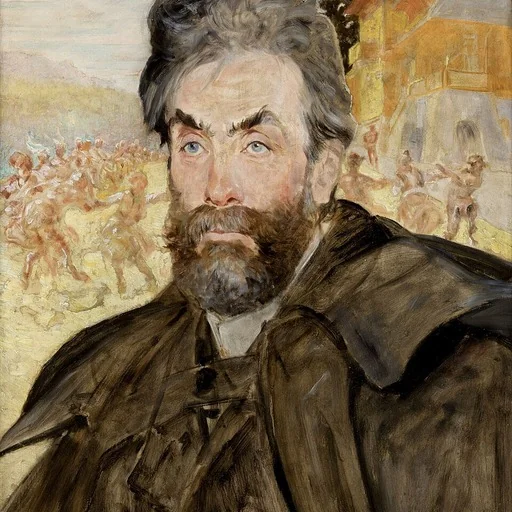
Stanisław Witkiewicz (Lithuanian: Stanislovas Vitkevičius; 8 May 1851 – 5 September 1915) was a Polish painter, art theoretician, and amateur architect, known for his creation of "Zakopane Style".