Artwork
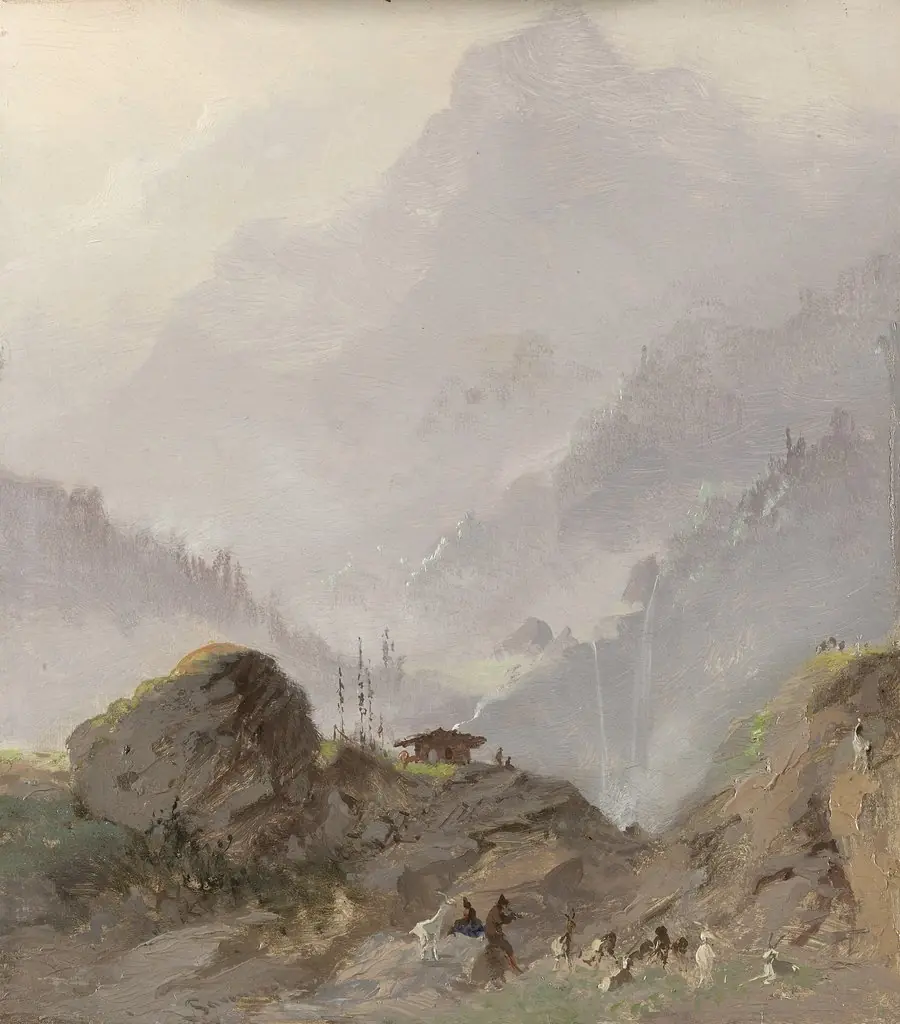
Chamois in the mountains
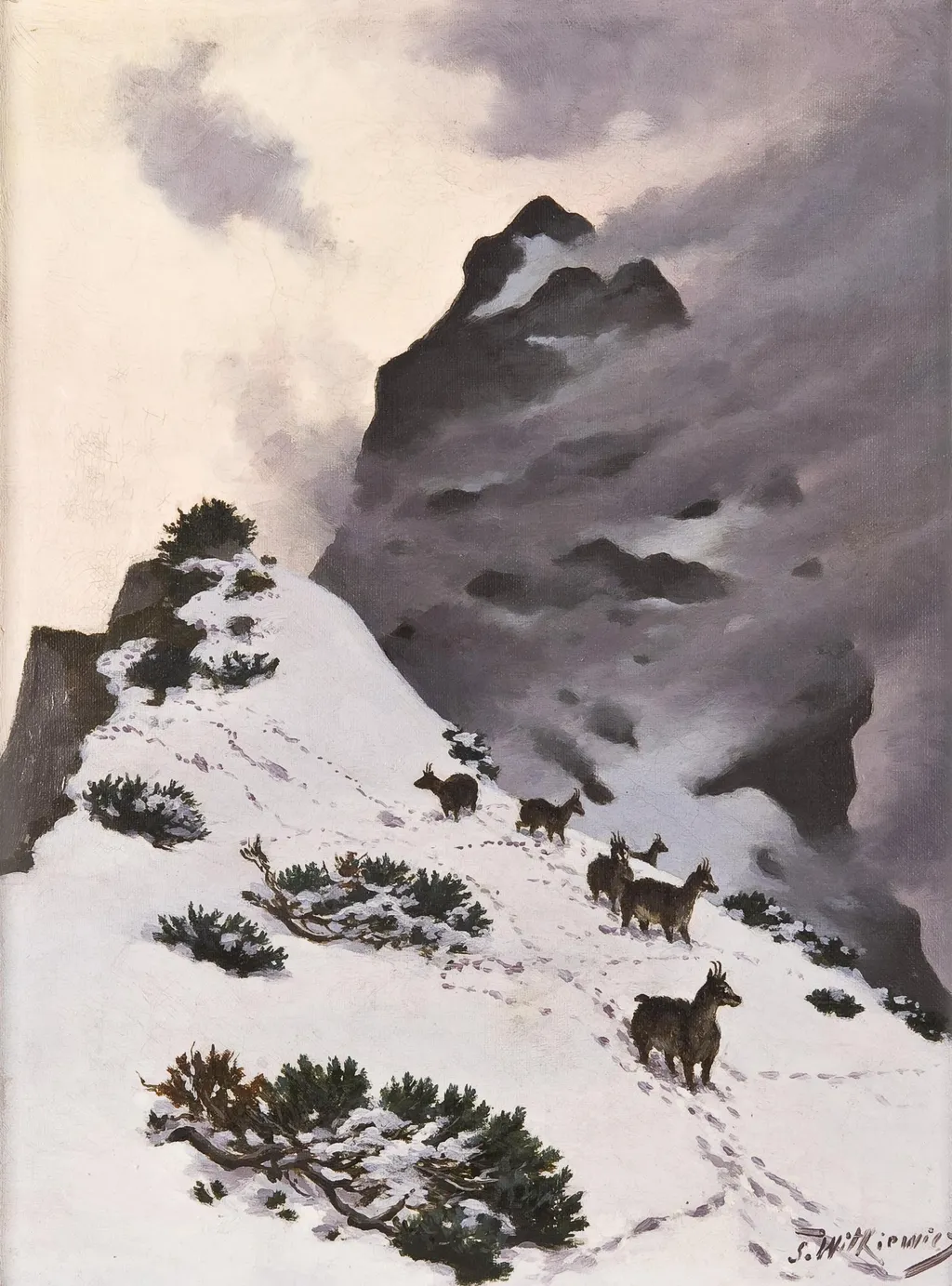
Chamois in the mountains is an oil painting by the Post-Impressionist artist Stanisław Witkiewicz. It dates from 1898 and is held in the collection of the National Museum in Warsaw.
About this work
Overview
Belonging to the post-impressionist tradition, the piece reflects Witkiewicz’s interest in natural landscapes and indigenous Polish mountain life.
Painted in 1898 by Stanisław Witkiewicz, *Chamois in the Mountains* is an oil-on-canvas work that captures a quiet moment in the Tatra highlands. Belonging to the post-impressionist tradition, the piece reflects Witkiewicz’s interest in natural landscapes and indigenous Polish mountain life. It is part of the National Museum in Warsaw’s permanent collection, where it remains a quiet testament to his observational approach to nature.
Subject & Meaning
The painting depicts a small herd of chamois on a snow-laden slope, their dark bodies contrasting with white facial markings and underbellies. Their alert postures and scattered gazes suggest vigilance in a harsh environment. Footprints in the snow imply recent human passage, subtly introducing the presence of observers without depicting them. The scene conveys solitude and resilience, aligning with Witkiewicz’s broader fascination with the untamed mountain world.
Technique & Style
Witkiewicz employed muted tones of brown, gray, and white to render the snowy terrain and rocky peaks, with sparse green accents for hardy shrubs. Brushwork is deliberate but not overly detailed, emphasizing form and atmosphere over realism. The composition avoids dramatic perspective, instead grounding the viewer in the animals’ immediate surroundings. This restrained approach reflects post-impressionist tendencies toward emotional tone over optical accuracy.
History & Provenance
Created in 1898, the painting entered the National Museum in Warsaw’s collection shortly after its completion. Witkiewicz, then deeply engaged in documenting the Zakopane region, produced this work during a period of intense focus on local flora, fauna, and cultural identity. Its preservation in a major national institution underscores its significance as an early example of Polish landscape painting rooted in regional authenticity.
Context
Witkiewicz was developing the Zakopane Style at this time—a movement blending folk motifs with naturalistic observation. While *Chamois in the Mountains* lacks human figures, it aligns with his broader project of elevating the Tatra region’s natural environment as culturally significant. The painting reflects a growing national interest in Poland’s mountainous periphery during the late 19th century, when cultural identity was being redefined under foreign partitions.
Legacy
Though not widely exhibited outside Poland, the work remains a key example of Witkiewicz’s non-figurative landscape studies. It influenced later Polish artists who sought to depict nature without romanticization. Its quiet realism and attention to ecological detail distinguish it from more dramatic Alpine imagery of the era, offering a subdued yet enduring record of mountain life in the Carpathians.
Artist & collection
Artist
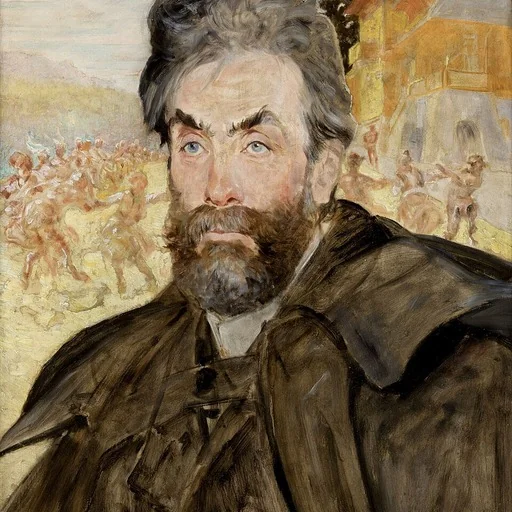
Stanisław Witkiewicz (Lithuanian: Stanislovas Vitkevičius; 8 May 1851 – 5 September 1915) was a Polish painter, art theoretician, and amateur architect, known for his creation of "Zakopane Style".

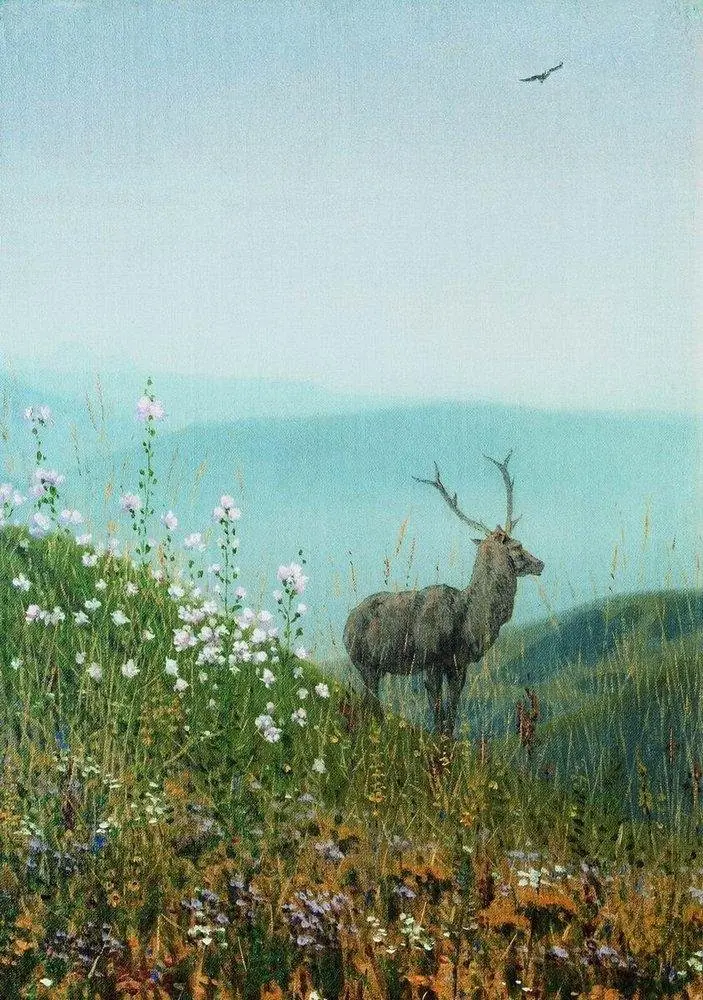 In the Alatau Mountains
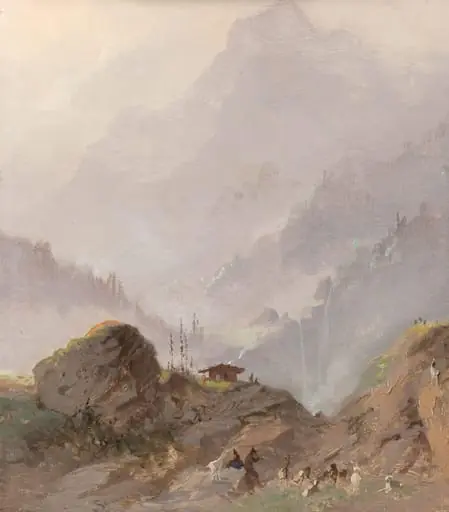 Berglandschap in Tirol met gemzen
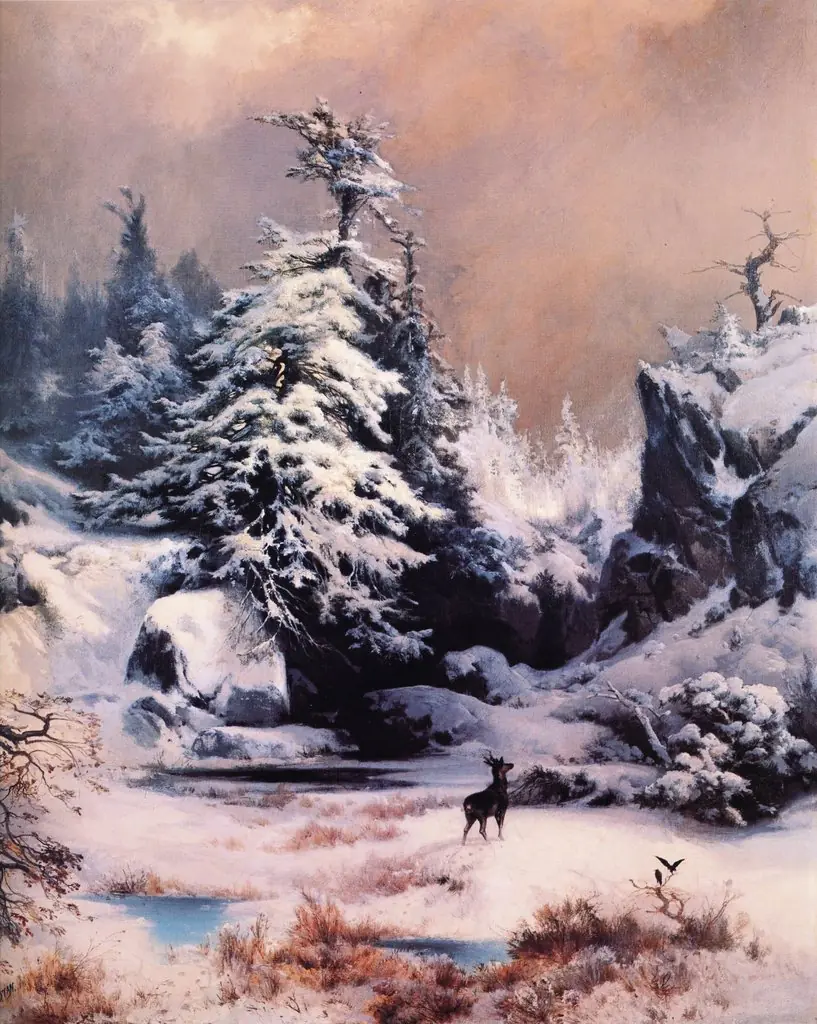 Winter in the Rockies
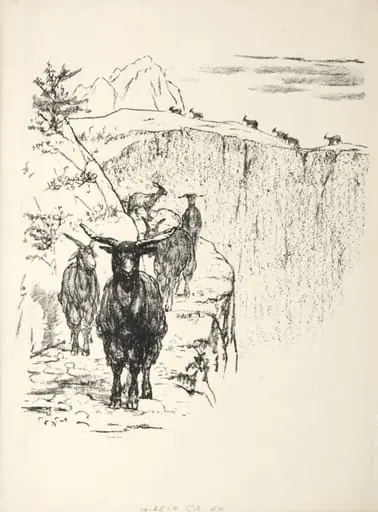 Goats
Goats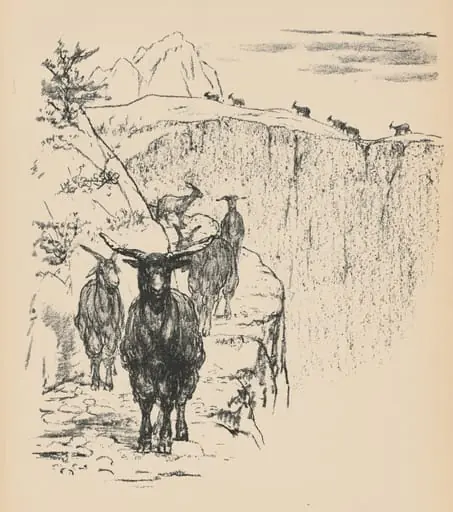 Ziegen (Goats) from Deutsche Graphiker der Gegenwart (German Printmakers of Our Time)
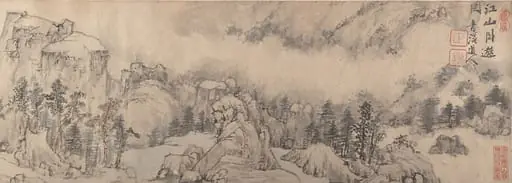 清 程正揆 江山臥遊圖 卷|Dream Landscape
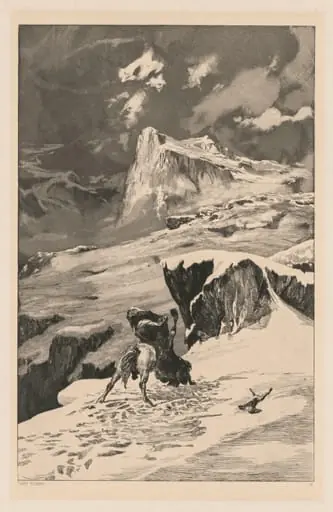 Intermezzo: Battling Centaurs (Opus IV, 4)
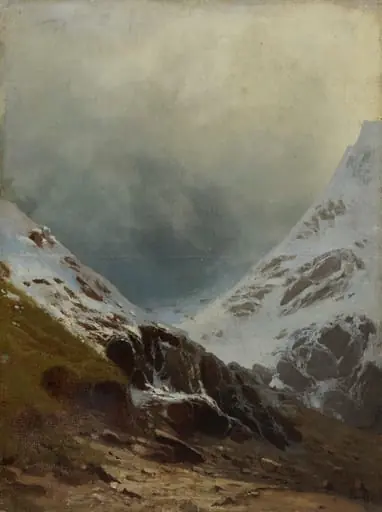 Lumiset vuorenrinteet
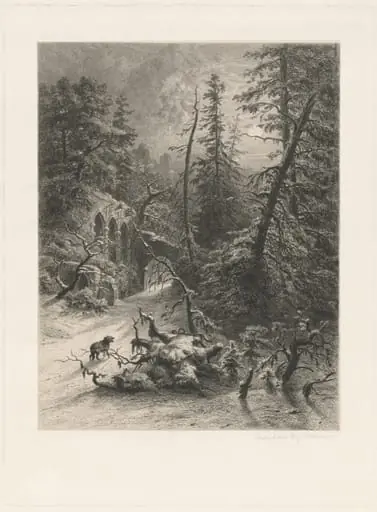 Winter
 One Hundred Deers
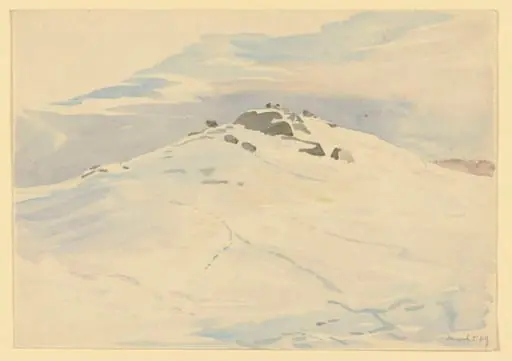 Hill-top under snow
 Alpine Landscape in Tyrol with Chamois Herd