Artwork
God the Father. Design to the Stained-Glass Window for the Franciscan Church in Krakow
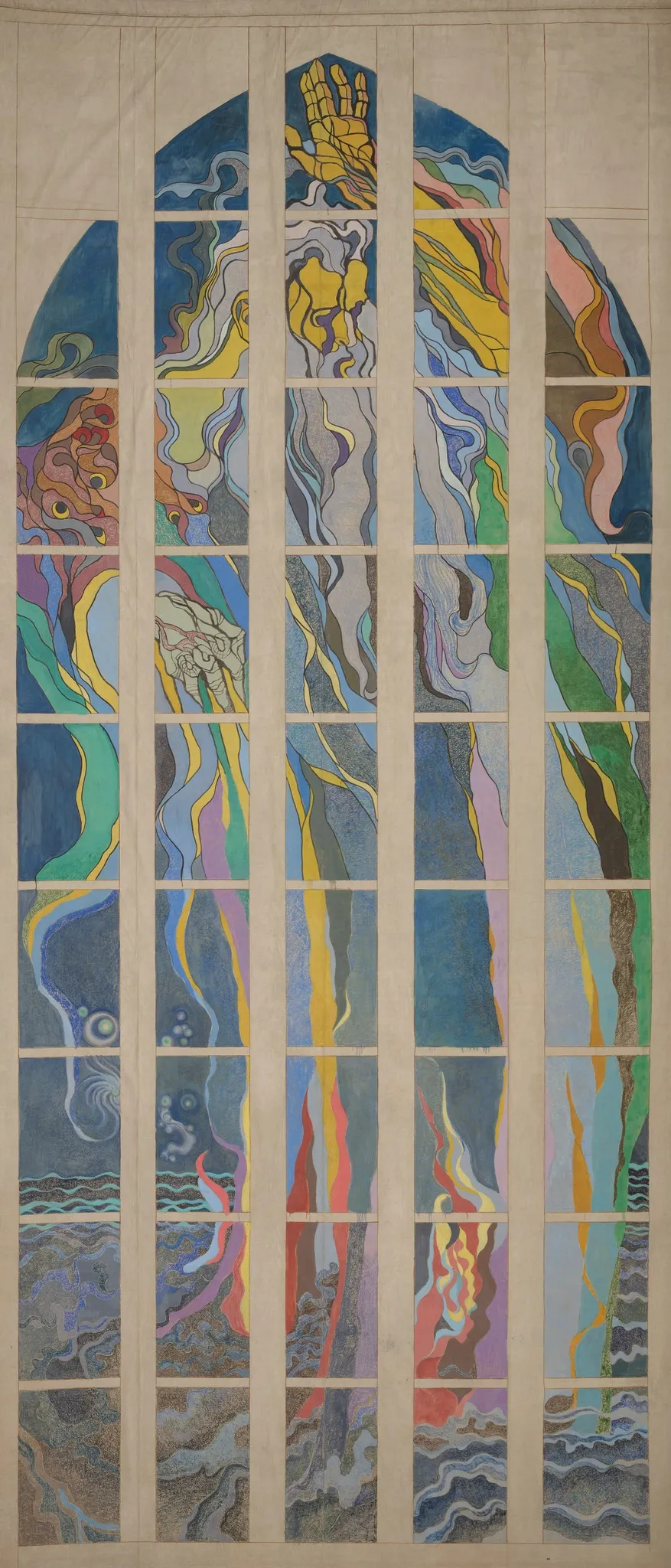
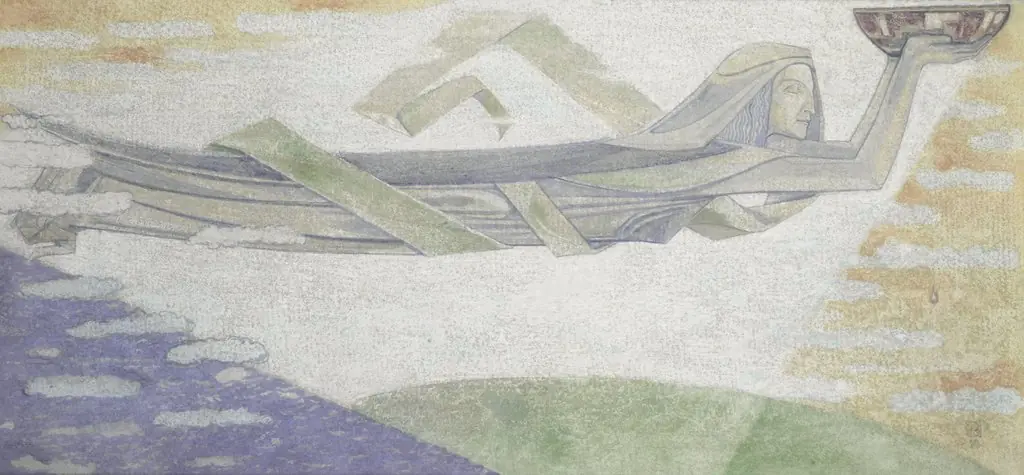
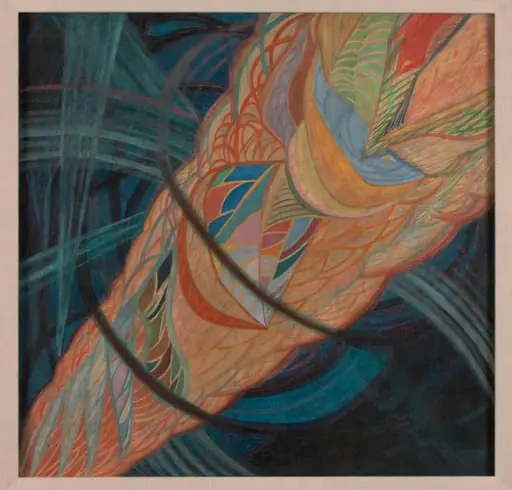
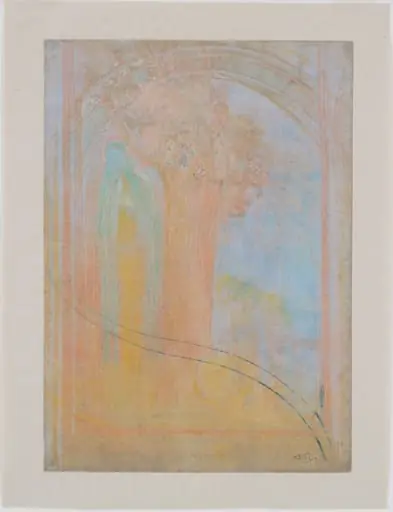
God the Father. Design to the Stained-Glass Window for the Franciscan Church in Krakow is an unspecified painting by Stanisław Wyspiański. It dates from 1904 and is held in the collection of the National Museum in Kraków.
About this work
Overview
In 1904, Stanisław Wyspiański created a design for a stained-glass window to be installed in the Franciscan Church in Kraków.
In 1904, Stanisław Wyspiański created a design for a stained-glass window to be installed in the Franciscan Church in Kraków. Though executed as a painted study, it was intended as a blueprint for colored glass. The work reflects his role as a multidisciplinary artist who bridged visual art, literature, and national identity within the Young Poland movement, merging spiritual symbolism with modernist form.
Subject & Meaning
The composition depicts God the Father as a transcendent, dynamic presence, rendered not in traditional iconography but through abstract, flowing forms. Radiating lines and elemental motifs—water, flame, light—suggest divine energy rather than human likeness. The design avoids anthropomorphism, instead evoking the ineffable through color and motion, aligning with late 19th-century spiritual currents that favored symbolic over literal representation.
Technique & Style
Wyspiański employed watercolor and ink on paper to simulate the translucency and luminosity of stained glass. He divided the surface into vertical bands of contrasting hues—deep blues, golden yellows, muted greens—each shaped by undulating contours that imply movement. The lack of rigid outlines and the blending of tones mimic the way light filters through actual glass, demonstrating his deep understanding of material and light interaction.
History & Provenance
The design was commissioned for the Franciscan Church in Kraków but was never realized in glass during Wyspiański’s lifetime. The painted study survived as a standalone work, preserved in Polish collections. Its existence underscores the gap between artistic vision and practical execution in ecclesiastical commissions of the era, particularly when budgets or theological caution intervened.
Context
Wyspiański’s work emerged amid Poland’s struggle for cultural autonomy under foreign partitions. His religious imagery often carried subtle nationalist undertones, framing spiritual themes as extensions of national identity. The Franciscan commission aligned with broader efforts to revive sacred art through modern aesthetics, distancing it from academic rigidity while retaining devotional purpose.
Legacy
Though the window was never built, the design remains a key example of Wyspiański’s synthesis of sacred symbolism and modernist abstraction. It influenced later Polish artists exploring religious themes through non-traditional forms and affirmed his reputation as a visionary who reimagined spiritual art through the lens of national and personal introspection.
Artist & collection
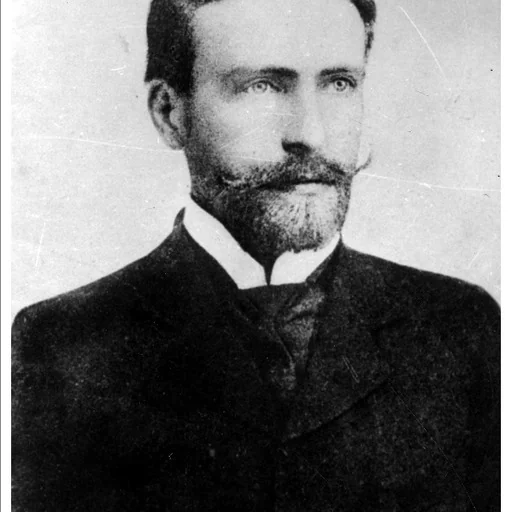
Artist
Stanisław Mateusz Ignacy Wyspiański (pronounced ; 15 January 1869 – 28 November 1907) was a Polish playwright, painter, poet, and interior and furniture designer.

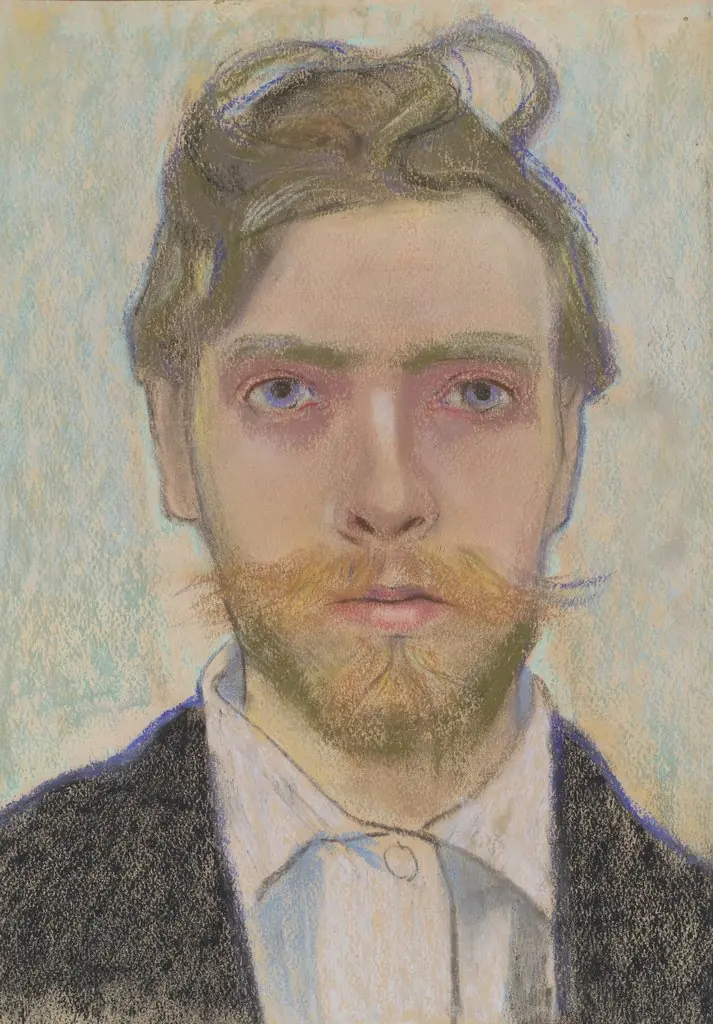 Self-Portrait
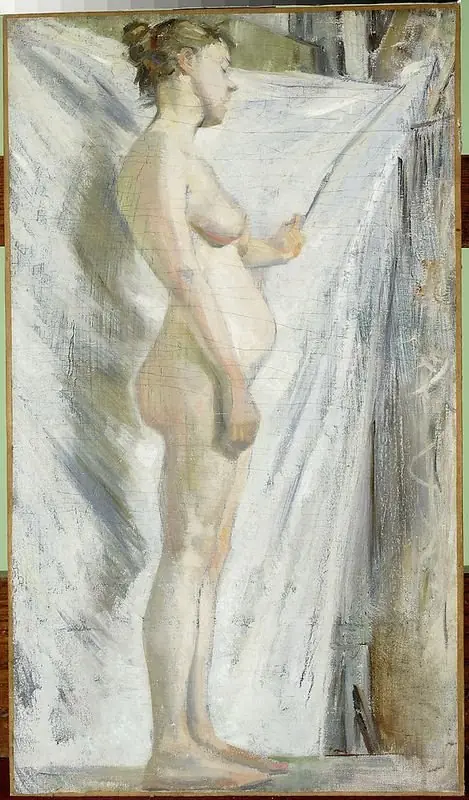 Female nude
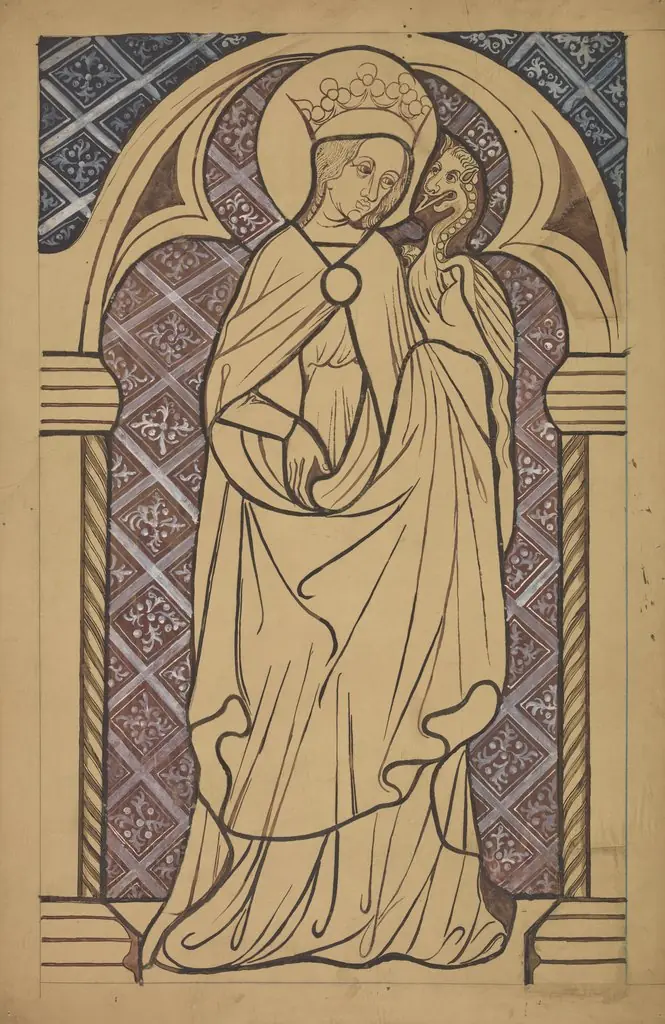 Saint Margaret. Artistic reconstruction of a stained-glass panel from the Dominican church in Kraków
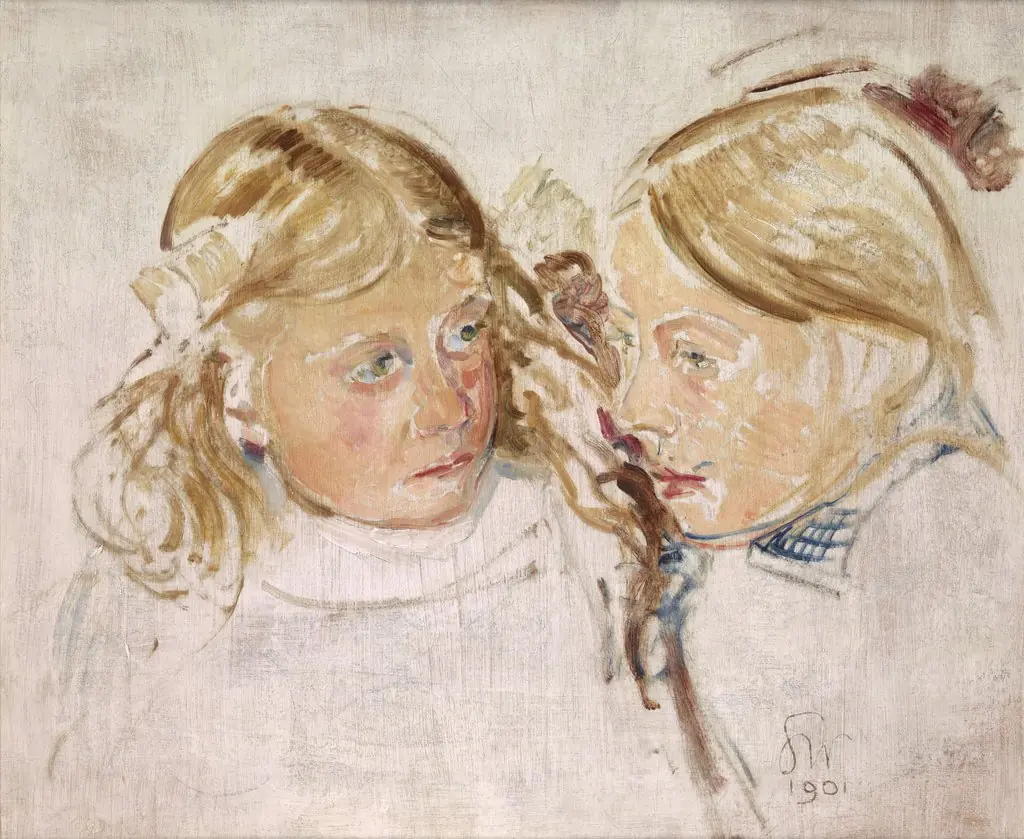 Double Portrait
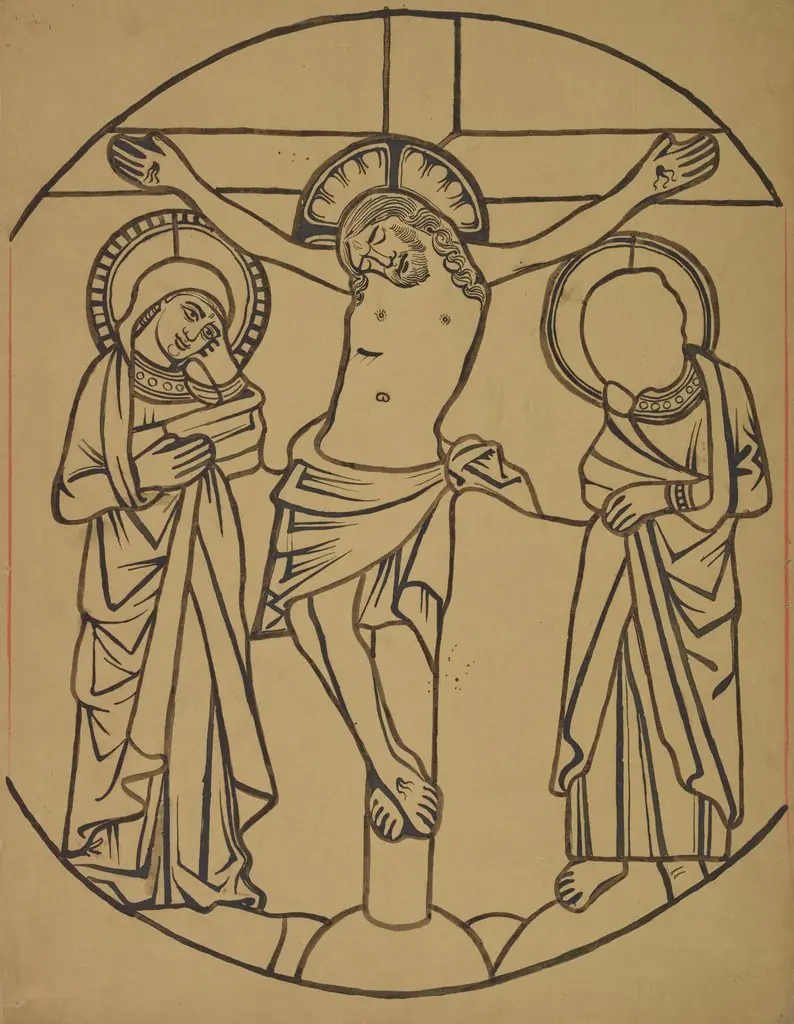 Crucifixion. Artistic reconstruction of a stained-glass panel from the Dominican church in Kraków
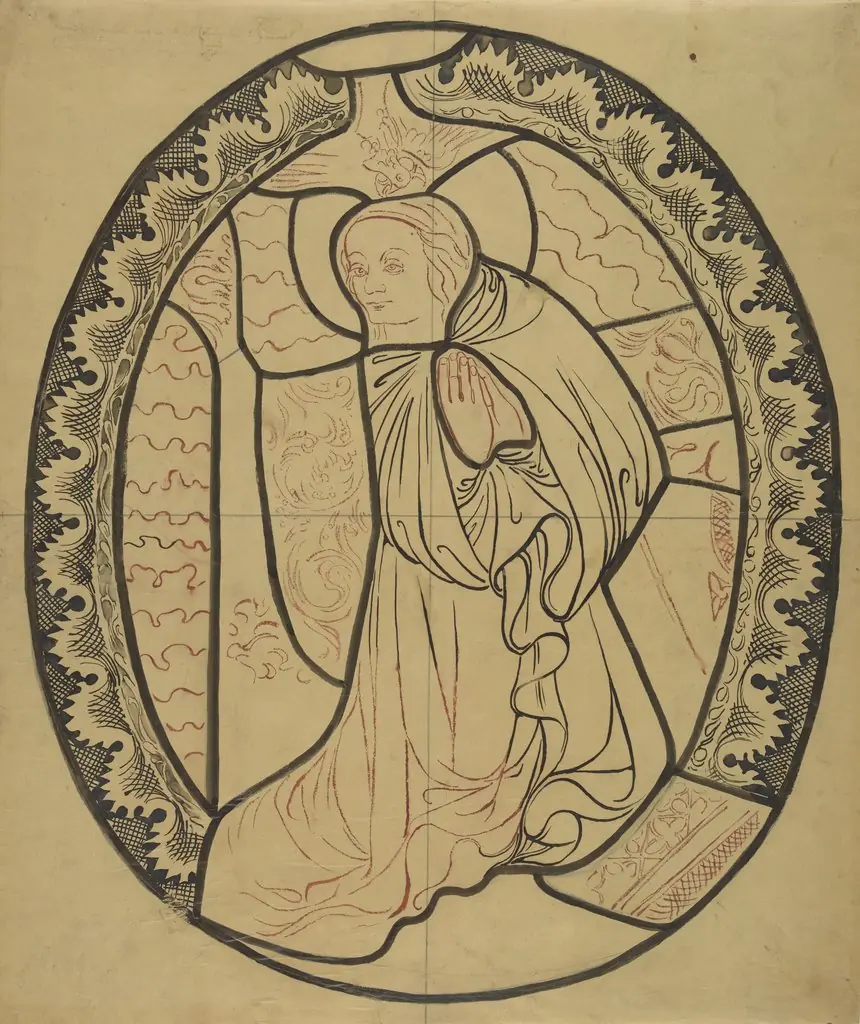 The Blessed Virgin Mary from the scene "Annunciation" (right part). Artistic reconstruction of a stained-glass panel from the Dominican church in Kraków
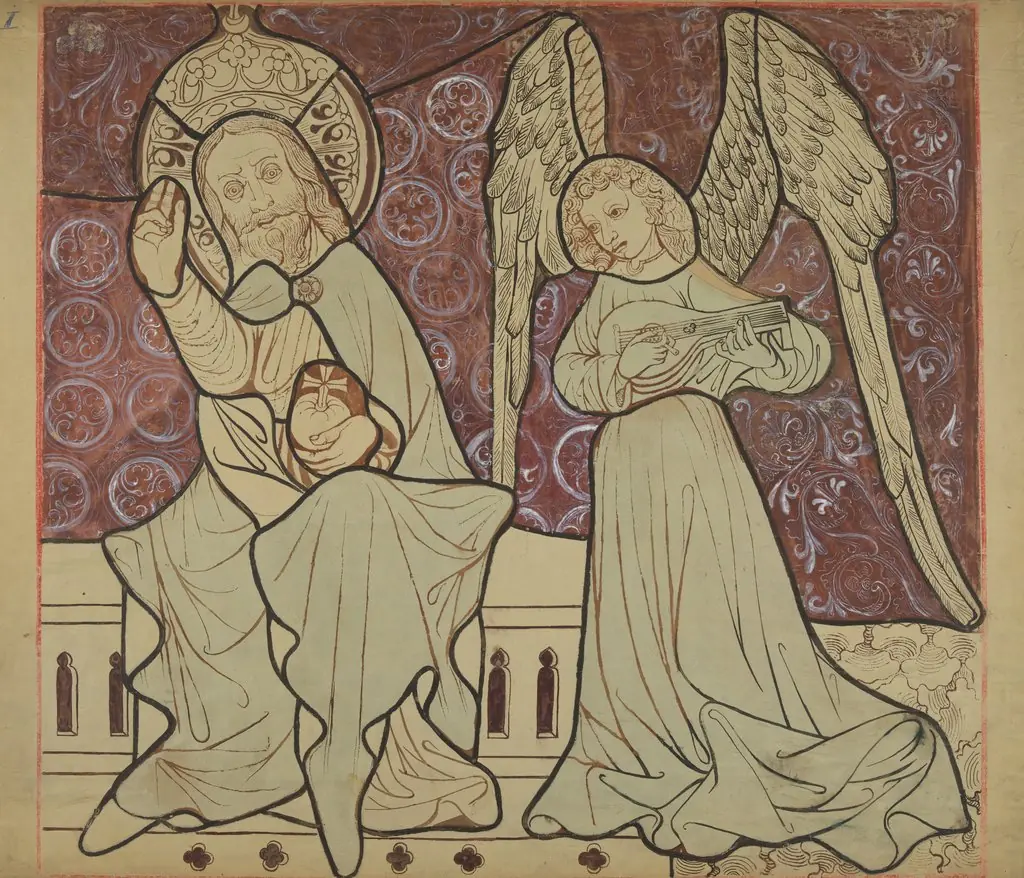 Enthroned Christ with an angel from the scene "Coronation of the Blessed Virgin Mary" (right part). Artistic reconstruction of a stained-glass panel from the Dominican church in Kraków
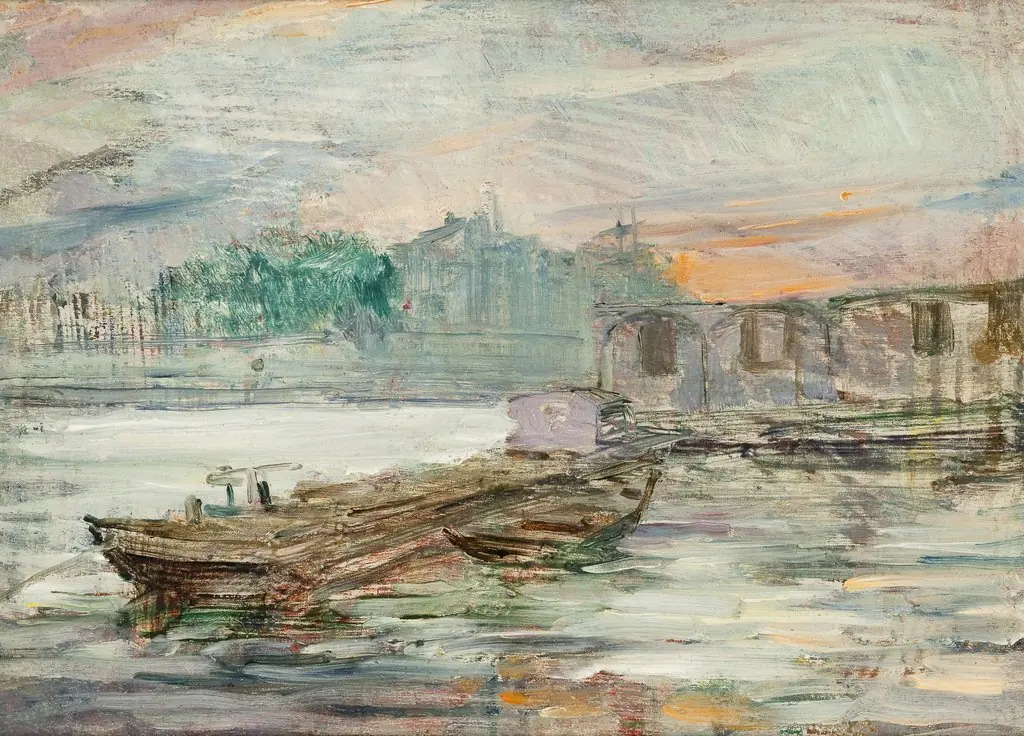 Barges on the Seine