Artwork
The Blessed Virgin Mary from the scene "Annunciation" (right part). Artistic reconstruction of a stained-glass panel from the Dominican church in Kraków
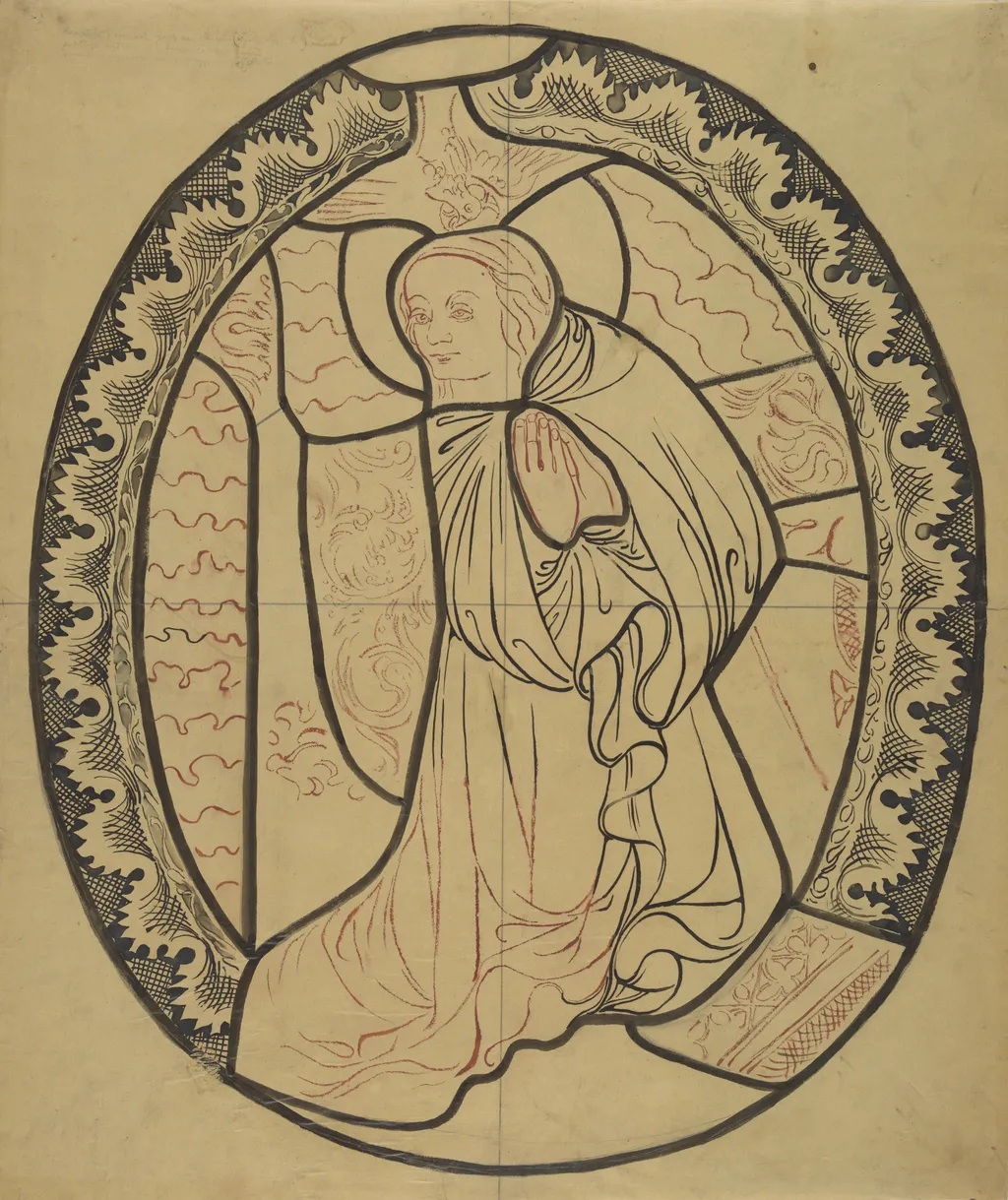
The Blessed Virgin Mary from the scene "Annunciation" (right part). Artistic reconstruction of a stained-glass panel from the Dominican church in Kraków is an ink painting by Stanisław Wyspiański. It dates from 1898 and is held in the collection of the National Museum in Kraków.
About this work
Overview
This pencil drawing by Stanisław Wyspiański, dated 1898, is a study reconstructing a lost stained-glass panel from the Dominican church in Kraków.
This pencil drawing by Stanisław Wyspiański, dated 1898, is a study reconstructing a lost stained-glass panel from the Dominican church in Kraków. It captures the Virgin Mary from the Annunciation scene, rendered in detailed graphite to preserve the original’s compositional structure. Wyspiański’s intent was not mere replication but a thoughtful reimagining, rooted in his broader engagement with Poland’s religious and cultural heritage during a time of national fragmentation.
Subject & Meaning
The figure of the Virgin Mary is depicted in quiet contemplation, hands folded in prayer, embodying humility and divine receptivity. Her serene expression and elongated form evoke traditional iconography while subtly absorbing modernist simplifications. The surrounding oval border, richly patterned, suggests the luminous quality of stained glass, reinforcing the sacred nature of the moment. The image serves as both a devotional symbol and a cultural artifact, linking spiritual tradition with national identity.
Technique & Style
Wyspiański employed precise pencil lines to mimic the clarity and structure of stained glass, emphasizing contours and rhythmic folds in Mary’s robe. The intricate border patterns are rendered with delicate hatching, suggesting the leaded framework and colored light of the original window. His technique bridges draftsmanship and design, reflecting his background in decorative arts. The absence of color heightens the focus on form and line, aligning with the Young Poland movement’s interest in expressive simplicity.
History & Provenance
The original stained-glass panel, part of a larger cycle in the Dominican church in Kraków, was likely destroyed or lost in the late 19th century. Wyspiański’s drawing, made in 1898, stands as a documented reconstruction based on surviving fragments or records. It entered the collection of the National Museum in Kraków, where it remains a key example of his efforts to preserve and reinterpret Poland’s medieval artistic legacy during a period of political suppression.
Context
Created during Poland’s partition era, Wyspiański’s work emerged within the Young Poland movement, which sought to revive national culture through art, literature, and design. His engagement with religious imagery was not merely devotional but political — reclaiming sacred heritage as a form of cultural resistance. By revisiting Gothic and medieval motifs, he connected contemporary Polish identity with a pre-partition artistic past, asserting continuity amid foreign domination.
Legacy
Wyspiański’s pencil study remains a significant record of lost ecclesiastical art, illustrating his role as both artist and cultural archivist. It influenced later generations of Polish designers and historians interested in medieval stained glass. The drawing exemplifies how personal artistic practice could serve collective memory, transforming reconstruction into an act of cultural preservation during a time when national symbols were under threat.
Artist & collection
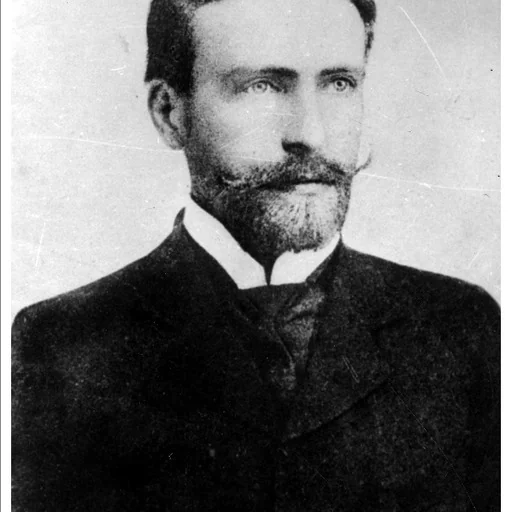
Artist
Stanisław Mateusz Ignacy Wyspiański (pronounced ; 15 January 1869 – 28 November 1907) was a Polish playwright, painter, poet, and interior and furniture designer.

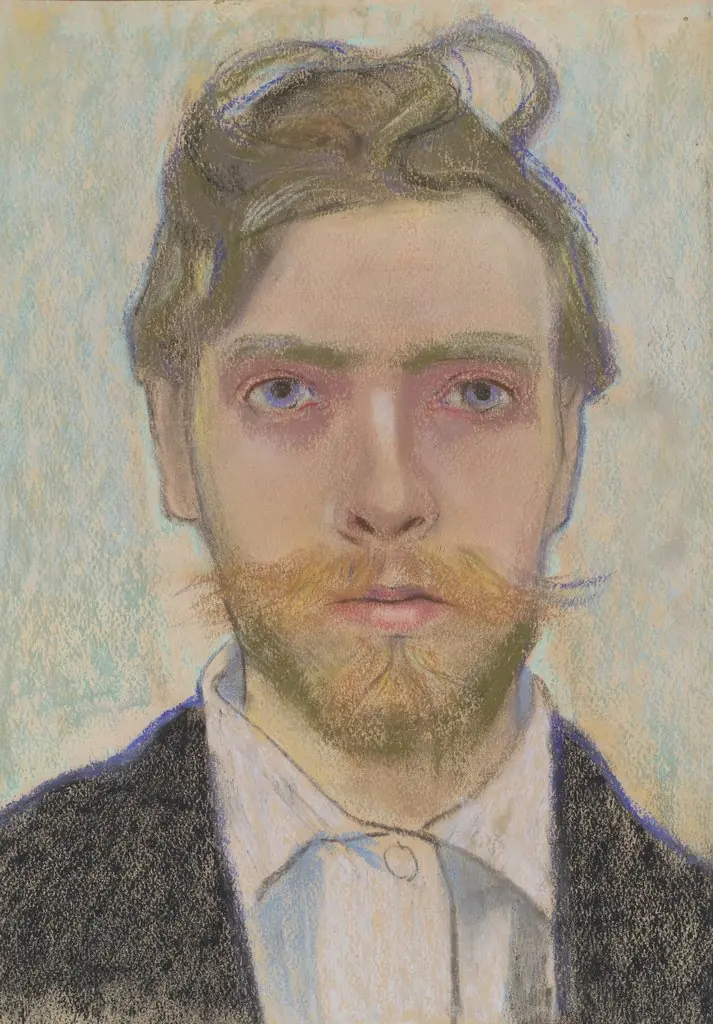 Self-Portrait
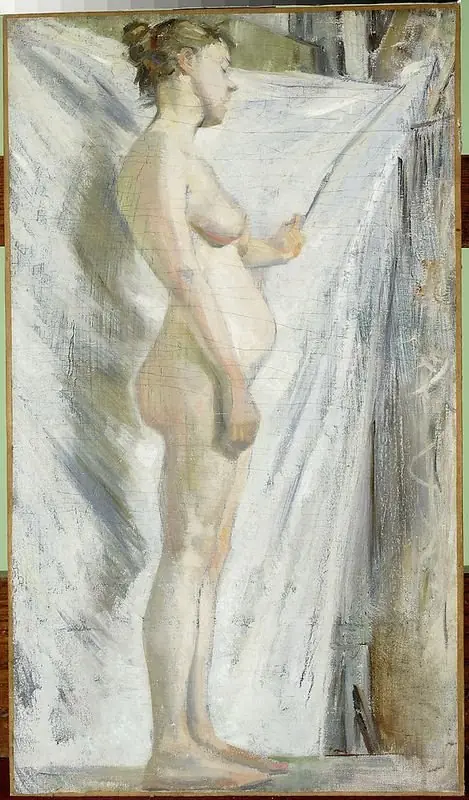 Female nude
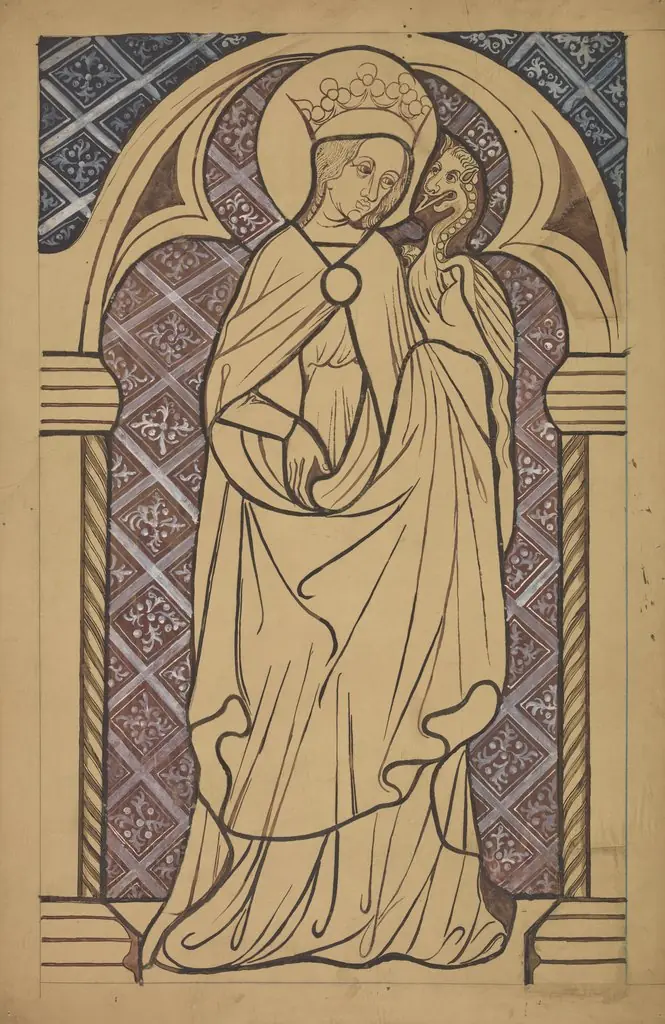 Saint Margaret. Artistic reconstruction of a stained-glass panel from the Dominican church in Kraków
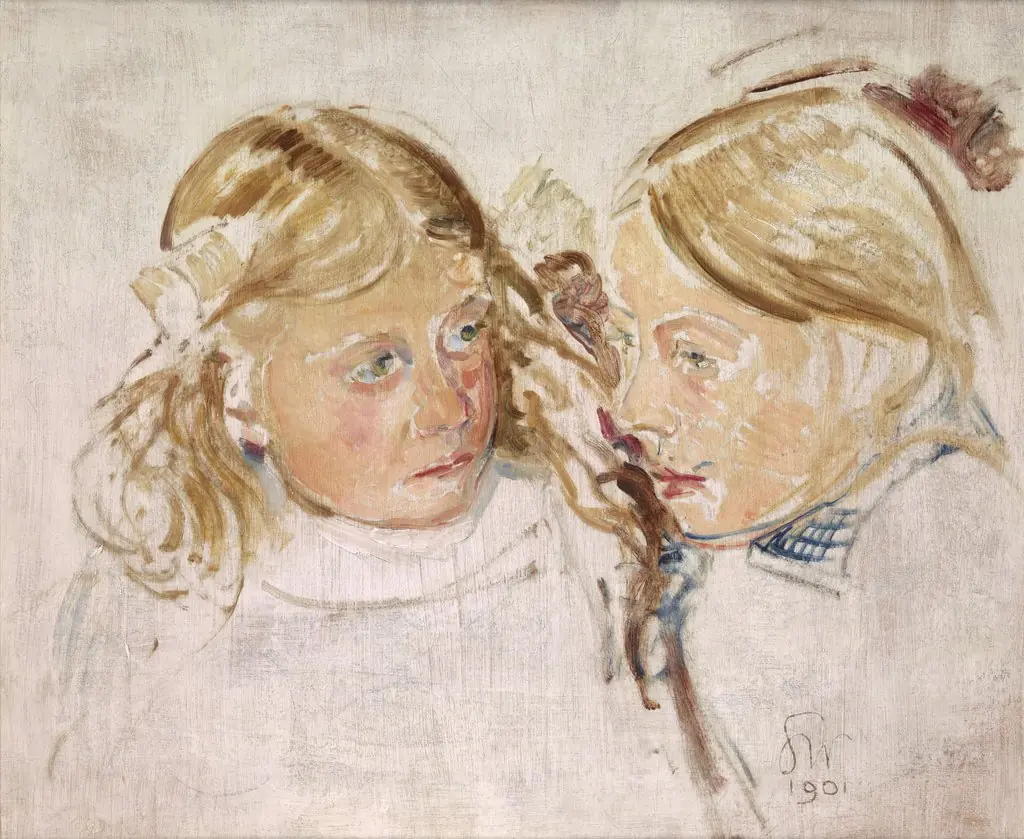 Double Portrait
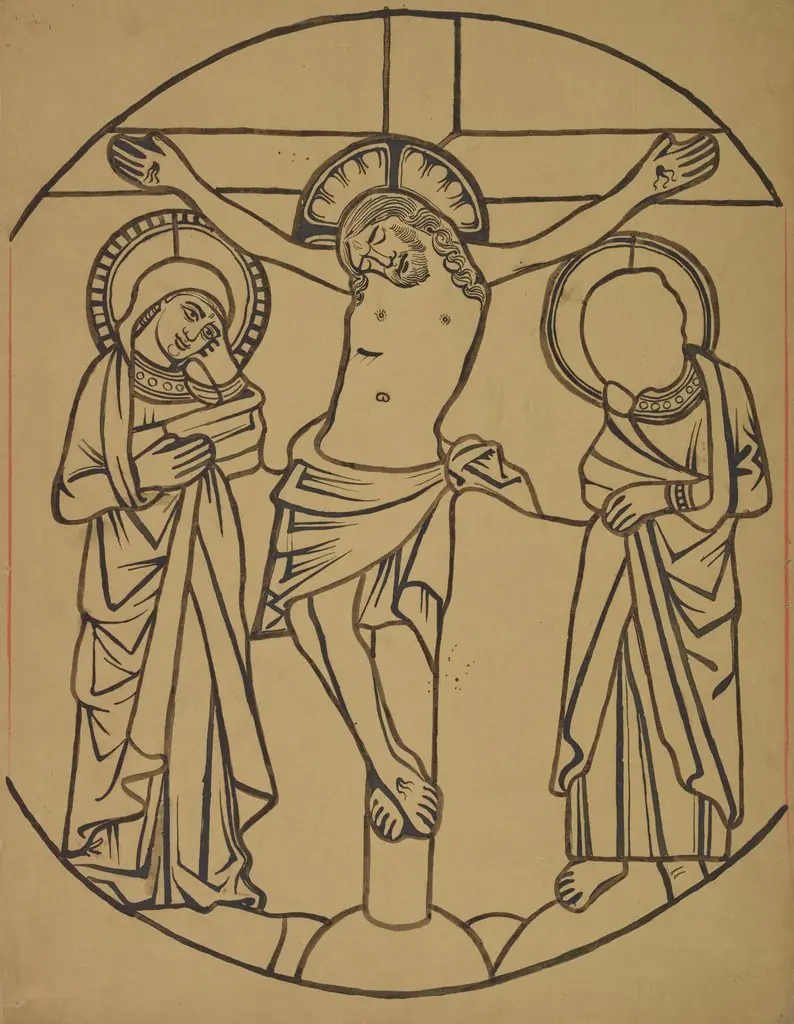 Crucifixion. Artistic reconstruction of a stained-glass panel from the Dominican church in Kraków
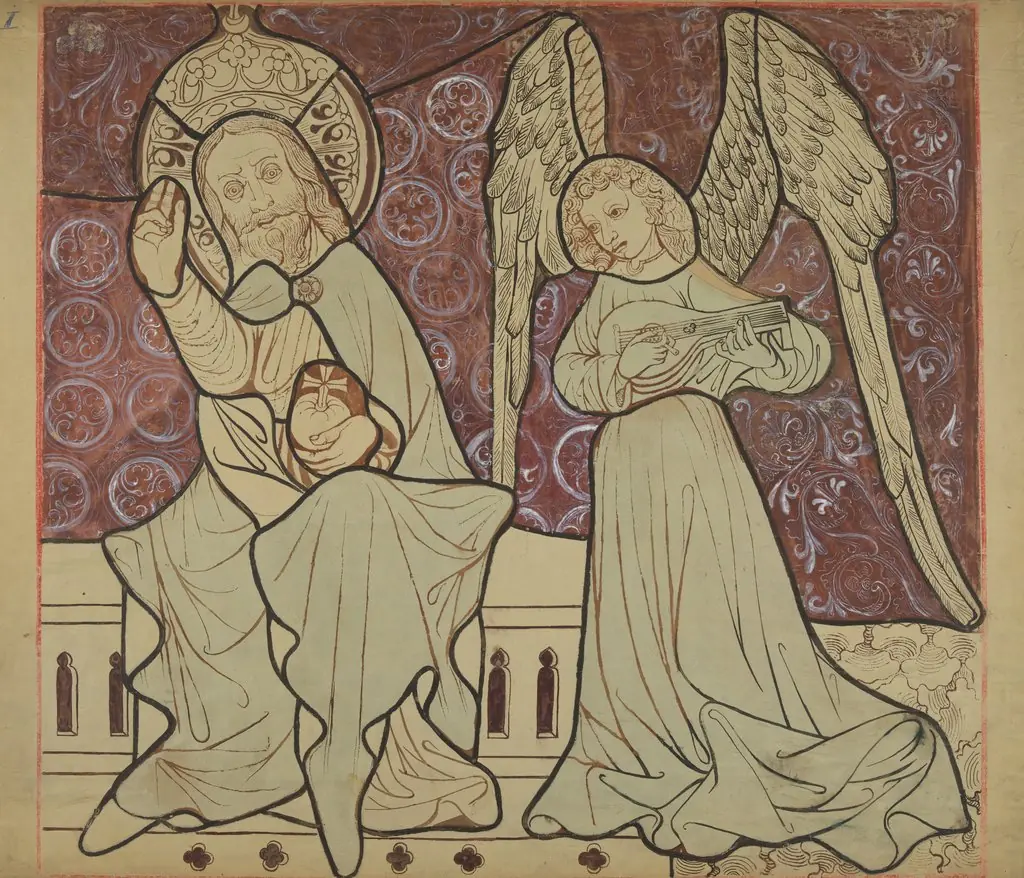 Enthroned Christ with an angel from the scene "Coronation of the Blessed Virgin Mary" (right part). Artistic reconstruction of a stained-glass panel from the Dominican church in Kraków
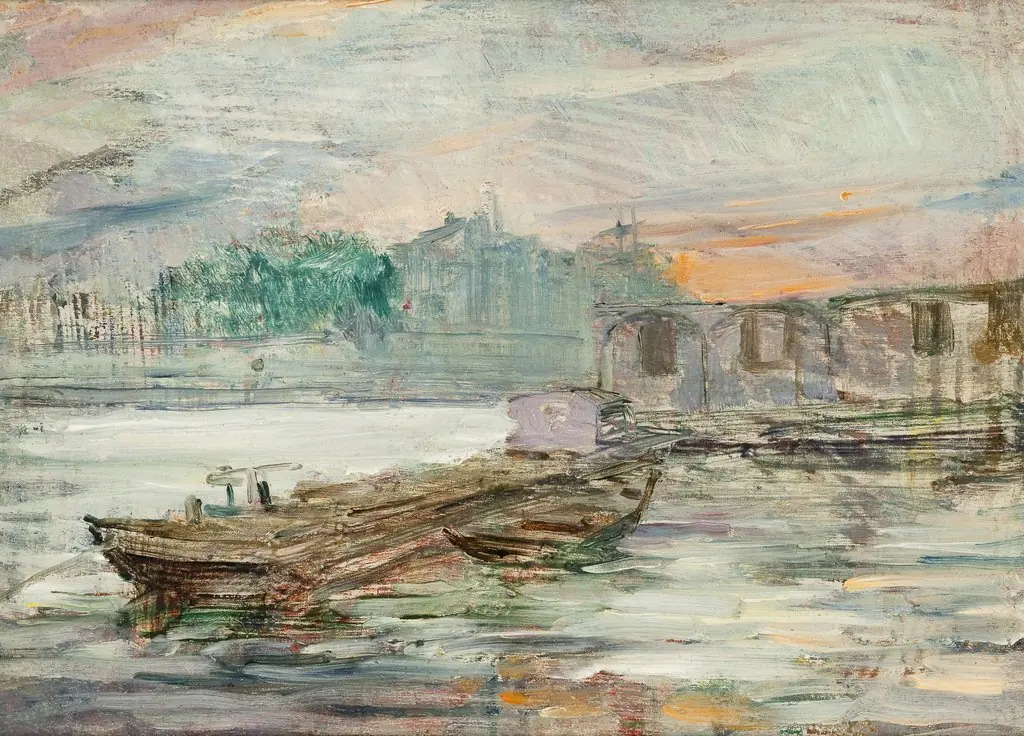 Barges on the Seine
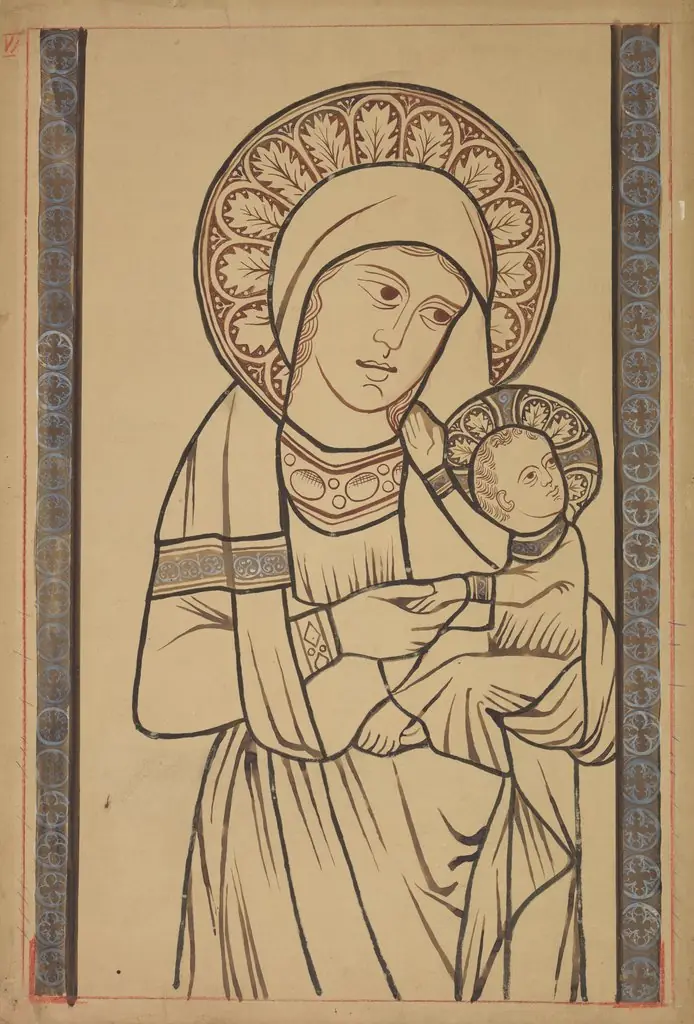 The Blessed Virgin Mary with Child. Artistic reconstruction of a stained-glass panel from the Dominican church in Kraków
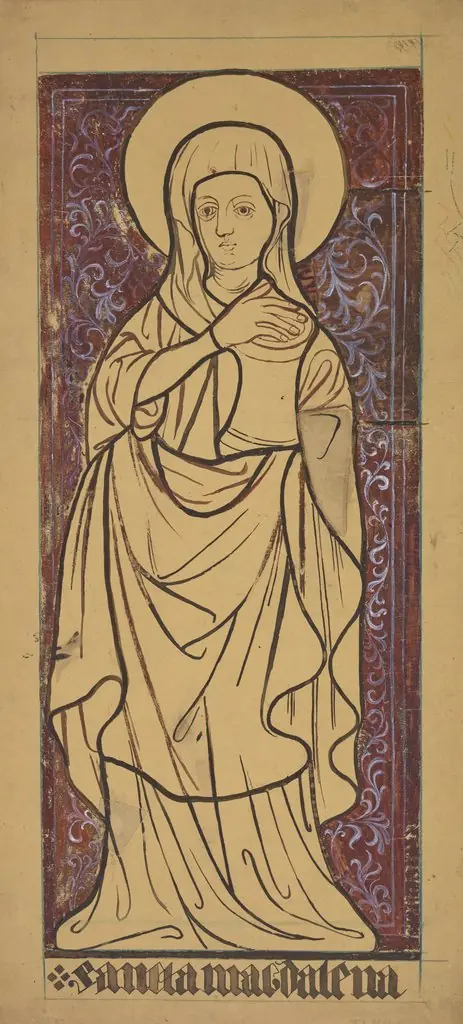 Saint Mary Magdalene. Artistic reconstruction of a stained-glass panel from the Dominican church in Kraków
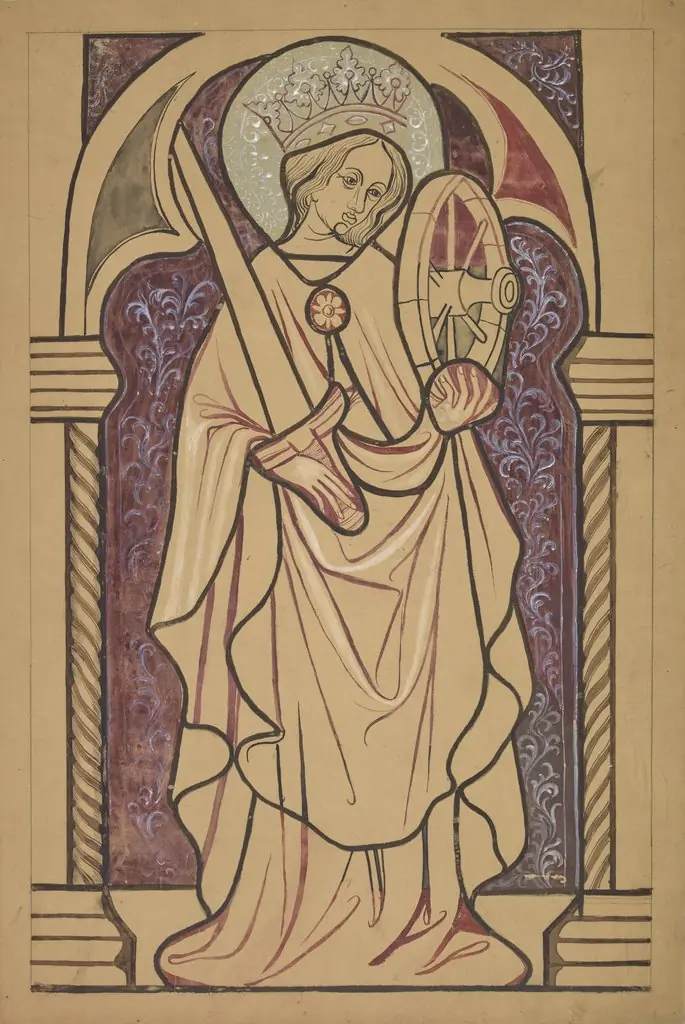 Saint Catherine of Alexandria. Artistic reconstruction of a stained-glass panel from the Dominican church in Kraków
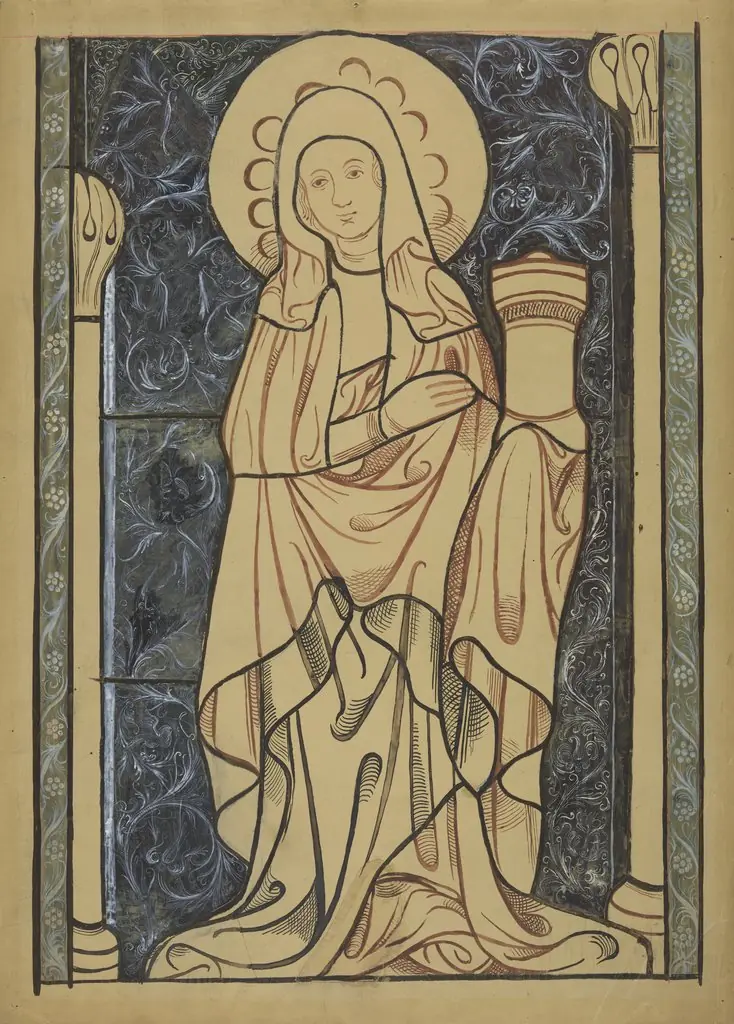 Saint Mary Magdalene. Artistic reconstruction of a stained-glass panel from the Dominican church in Kraków
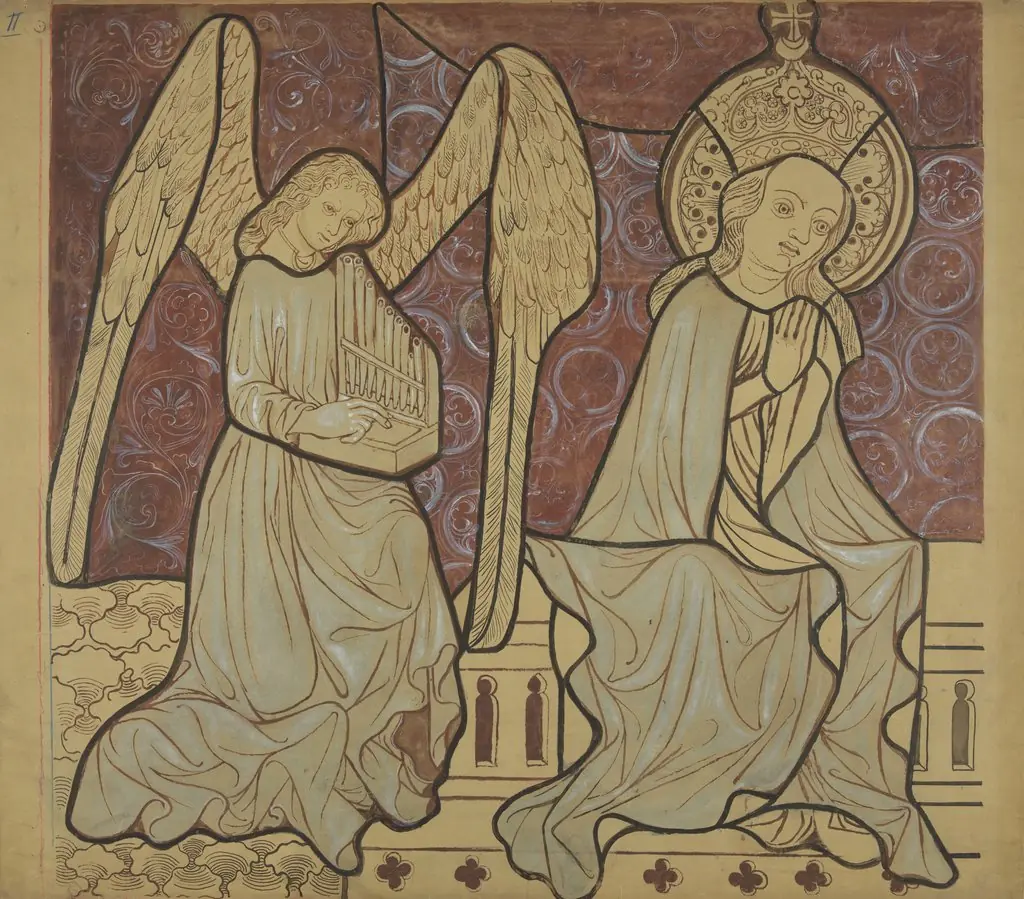 Enthroned Mary with an angel from the scene "Coronation of the Blessed Virgin Mary" (left part). Artistic reconstruction of a stained-glass panel from the Dominican church in Kraków
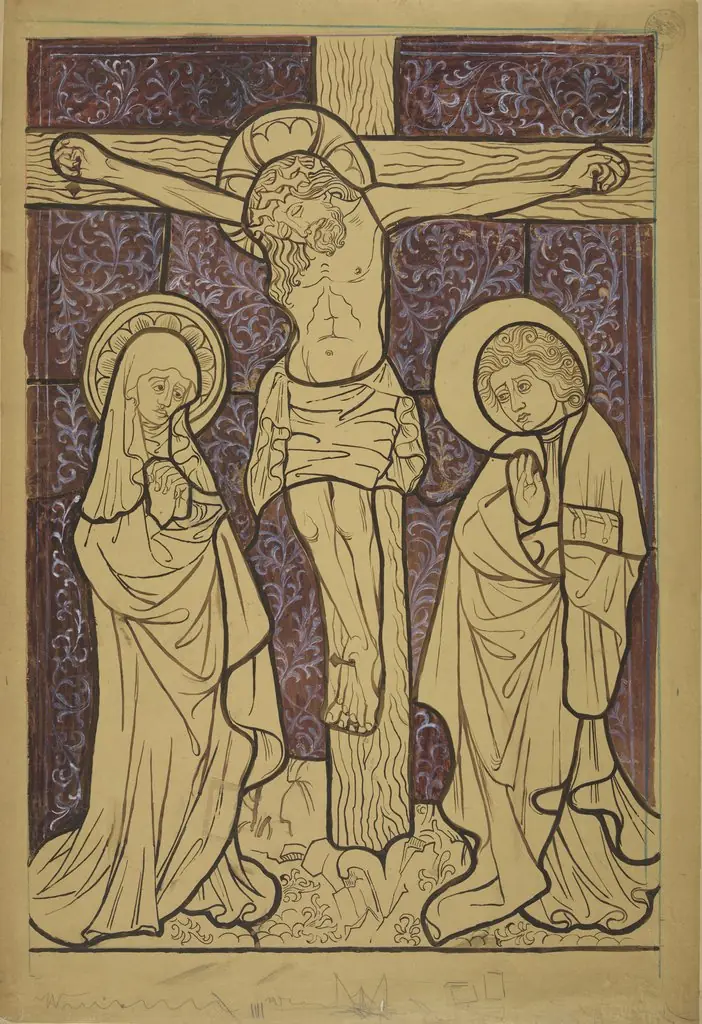 Crucifixion. Artistic reconstruction of a stained-glass panel from the Dominican church in Kraków
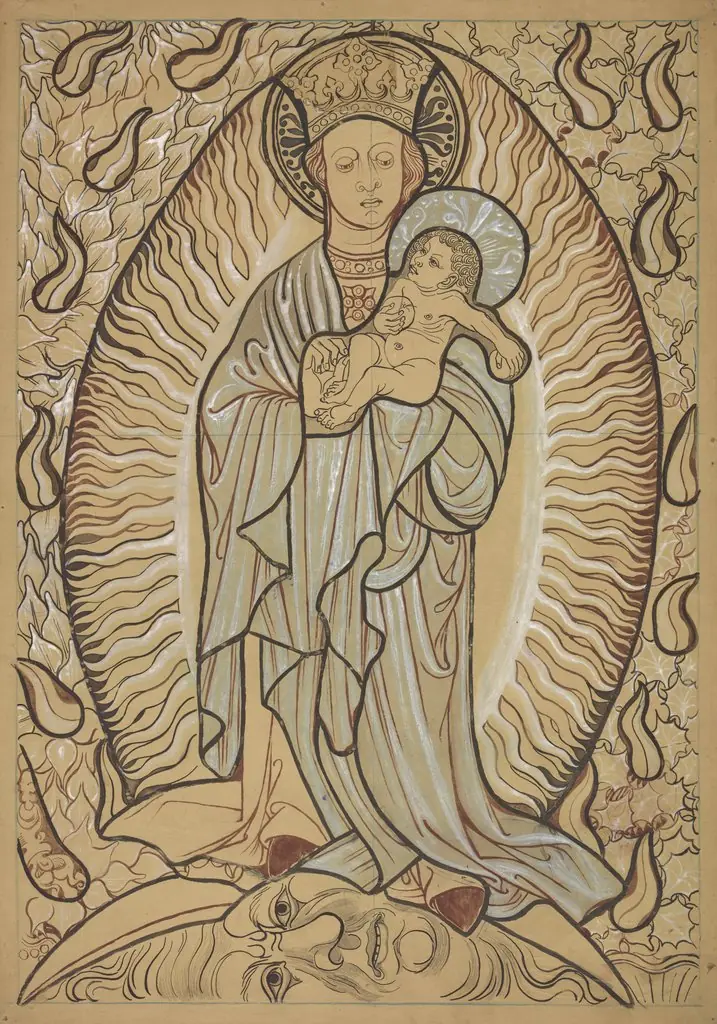 Madonna and Child. Artistic reconstruction of a stained-glass panel from the Dominican church in Kraków