Artwork
Saint Margaret. Artistic reconstruction of a stained-glass panel from the Dominican church in Kraków
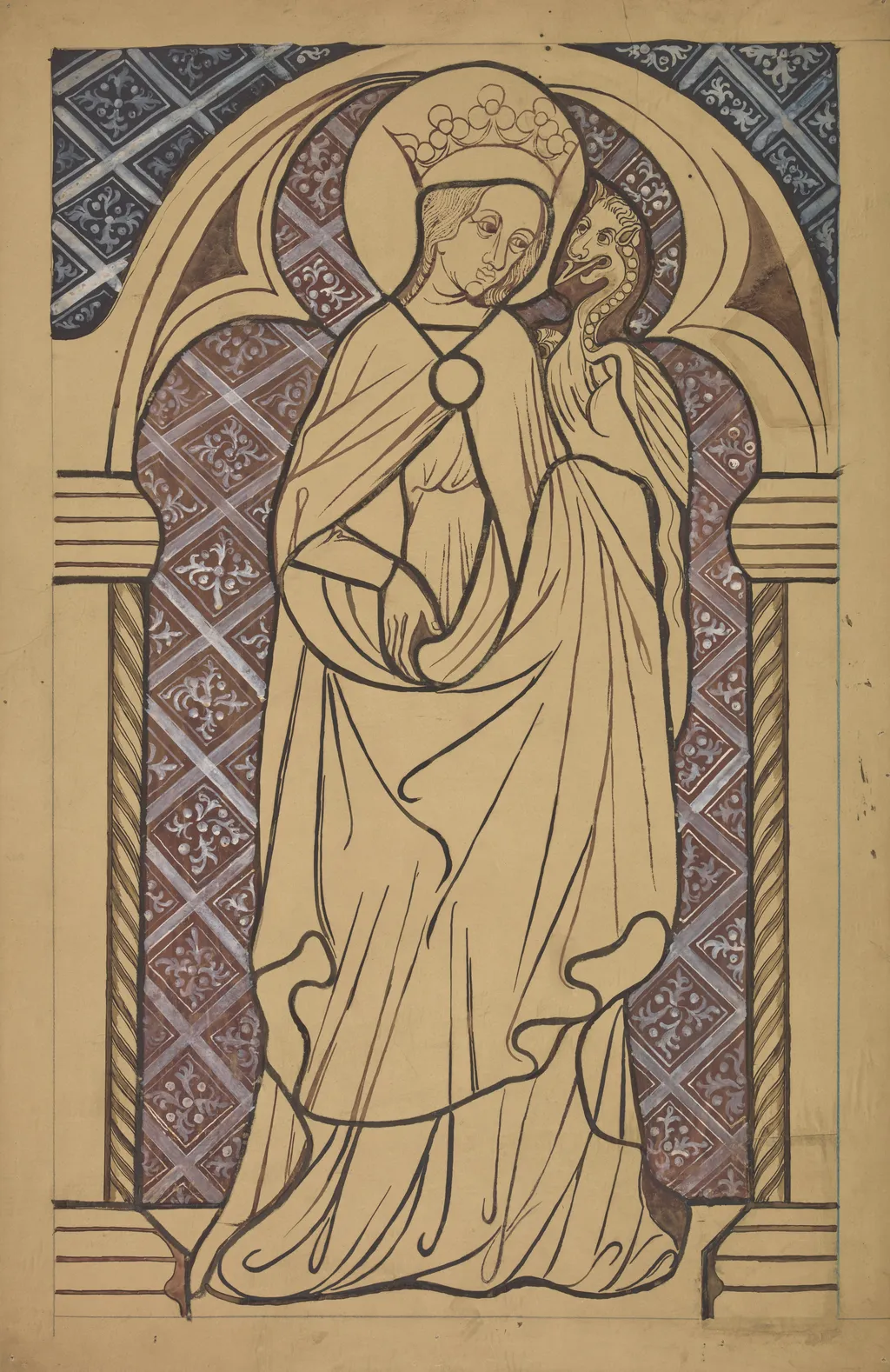
Saint Margaret. Artistic reconstruction of a stained-glass panel from the Dominican church in Kraków is a gouache painting by the Post-Impressionist artist Stanisław Wyspiański. It dates from 1898 and is held in the collection of the National Museum in Kraków.
About this work
The painting's use of bold lines and subtle shading is reminiscent of the technique of cross-hatching, which was popular during the late 19th century.
This painting, titled Saint Margaret, depicts a woman in a long robe and crown, holding a dragon. The woman's face is serene, with a subtle smile. The dragon, with its mouth open, appears to be in the woman's control.
The painting is rendered in ink, with bold lines and subtle shading that add depth to the image. The background is a decorative pattern of diamonds and lines, which adds a sense of texture and visual interest.
The painting's use of bold lines and subtle shading is reminiscent of the technique of cross-hatching, which was popular during the late 19th century. To learn more about this technique, look up cross-hatching.
Overview
Stanisław Wyspiański’s ink drawing, titled Saint Margaret, reimagines a stained‑glass panel originally designed for the Dominican church in Kraków in 1898. The composition presents a regal woman clasping a subdued dragon, her expression calm and slightly smiling. The work is part of the National Museum in Kraków’s collection and exemplifies Wyspiański’s interdisciplinary approach within the Young Poland movement.
Subject & Meaning
The figure represents Saint Margaret, a Christian martyr traditionally associated with the legend of taming a dragon that symbolizes pagan evil. Wyspiański conveys her triumph through a poised stance and gentle smile, suggesting spiritual mastery rather than violent conquest. The dragon, mouth agape yet restrained, underscores the saint’s compassionate authority over chaos.
Technique & Style
Executed entirely in ink, the drawing relies on confident, flowing lines and nuanced cross‑hatching to model form and suggest volume. Bold contouring defines the robes and crown, while finer strokes create subtle shading on the face and dragon’s scales. A decorative backdrop of interlocking diamonds and linear motifs frames the scene, adding rhythmic texture typical of late‑nineteenth‑century Art Nouveau influences.
History & Provenance
Created as a reconstruction of a lost stained‑glass window, the piece reflects Wyspiański’s involvement in ecclesiastical design. After its completion, the drawing entered the holdings of the National Museum in Kraków, where it remains displayed as part of the institution’s representation of Polish modernism and religious art from the turn of the century.
Context
Wyspiański’s work bridges modernist experimentation and Polish Romantic tradition, aligning with the Young Poland movement’s emphasis on national identity and artistic renewal. By translating a stained‑glass motif into ink, he explored the interplay between architectural decoration and graphic art, illustrating the period’s fascination with merging historic forms and contemporary techniques.
Artist & collection
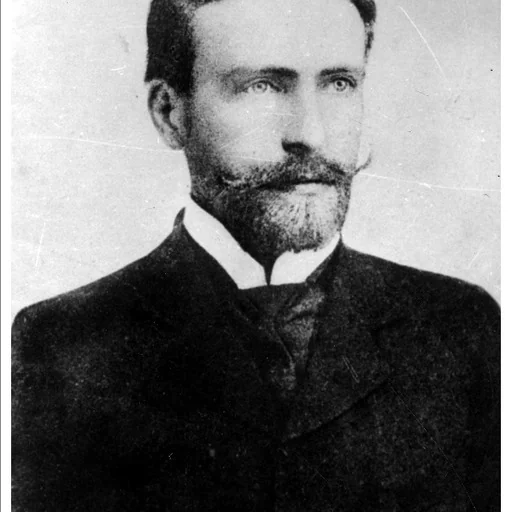
Artist
Stanisław Mateusz Ignacy Wyspiański (pronounced ; 15 January 1869 – 28 November 1907) was a Polish playwright, painter, poet, and interior and furniture designer.

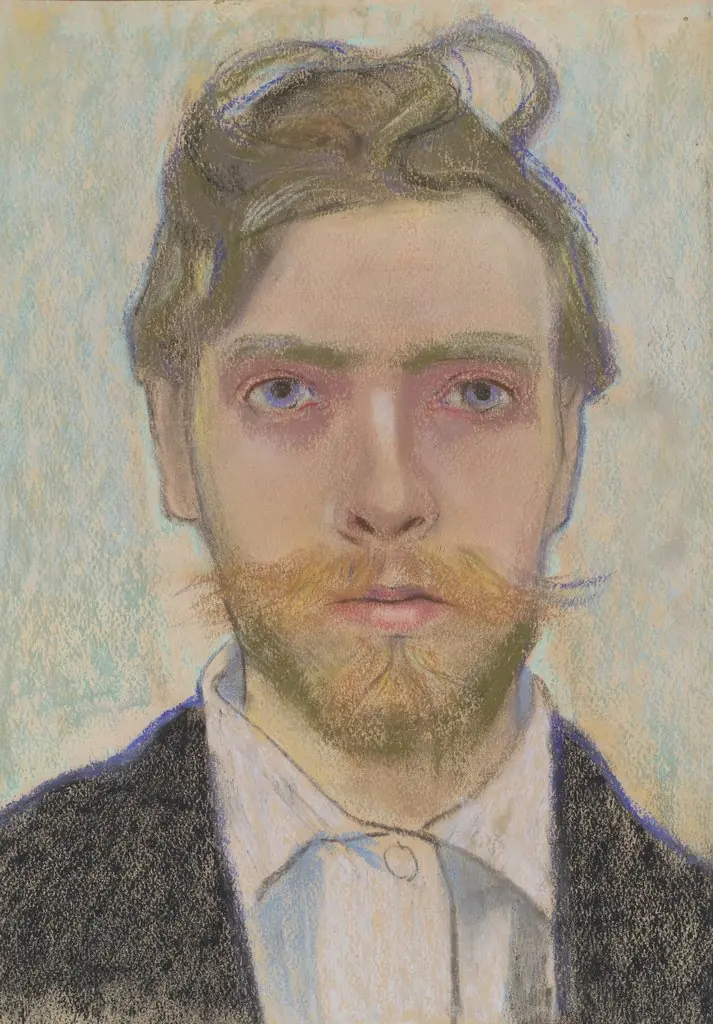 Self-Portrait
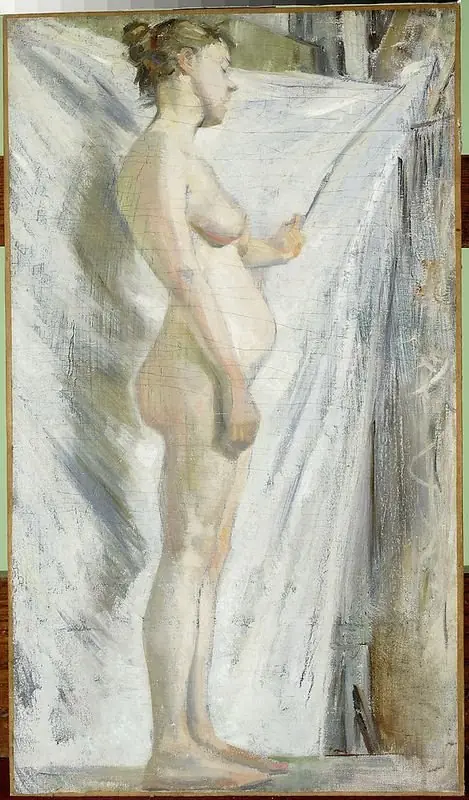 Female nude
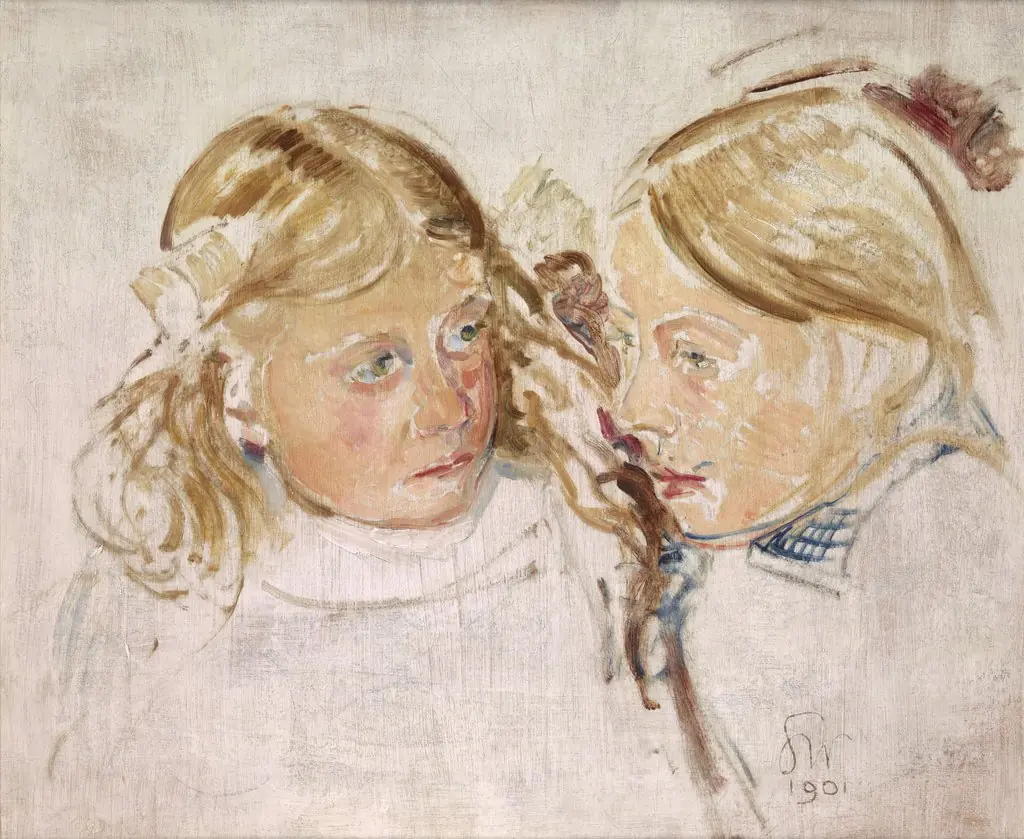 Double Portrait
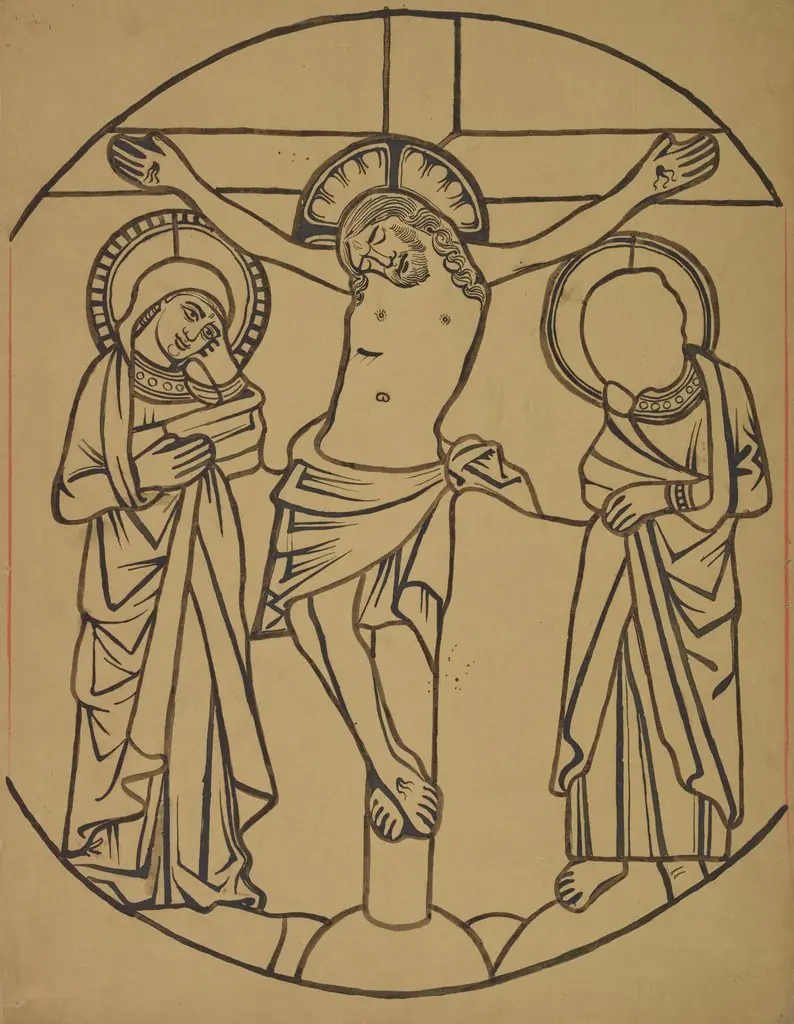 Crucifixion. Artistic reconstruction of a stained-glass panel from the Dominican church in Kraków
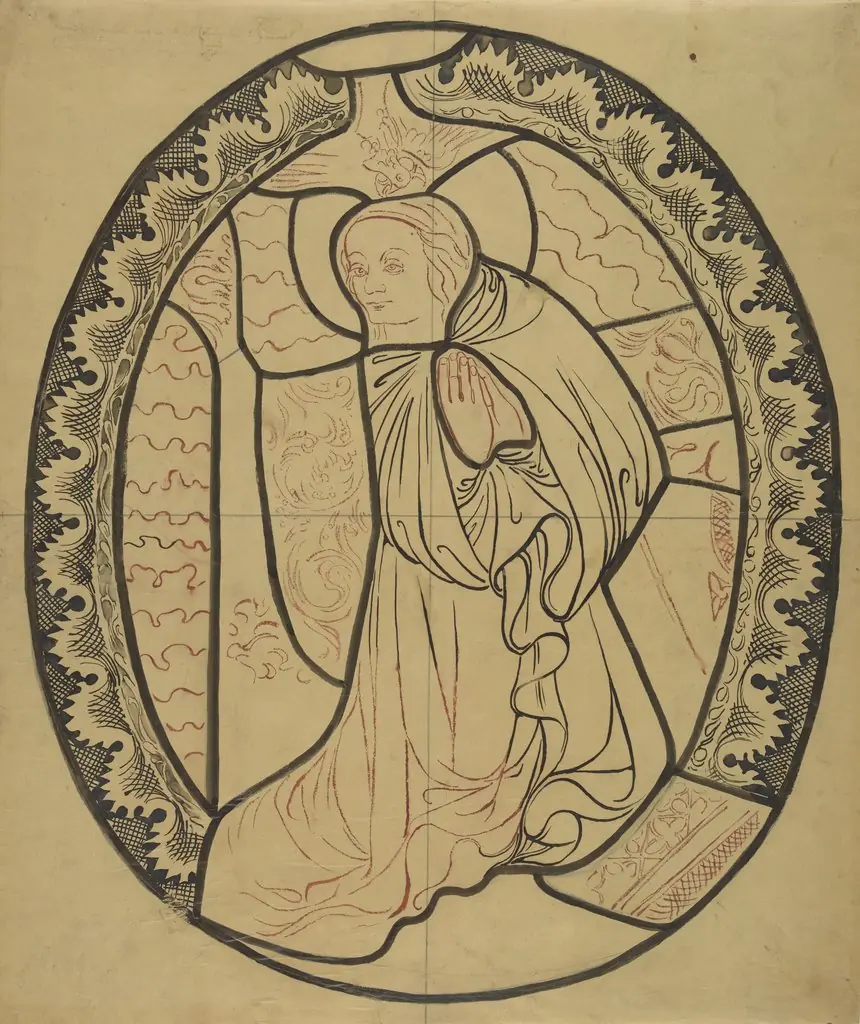 The Blessed Virgin Mary from the scene "Annunciation" (right part). Artistic reconstruction of a stained-glass panel from the Dominican church in Kraków
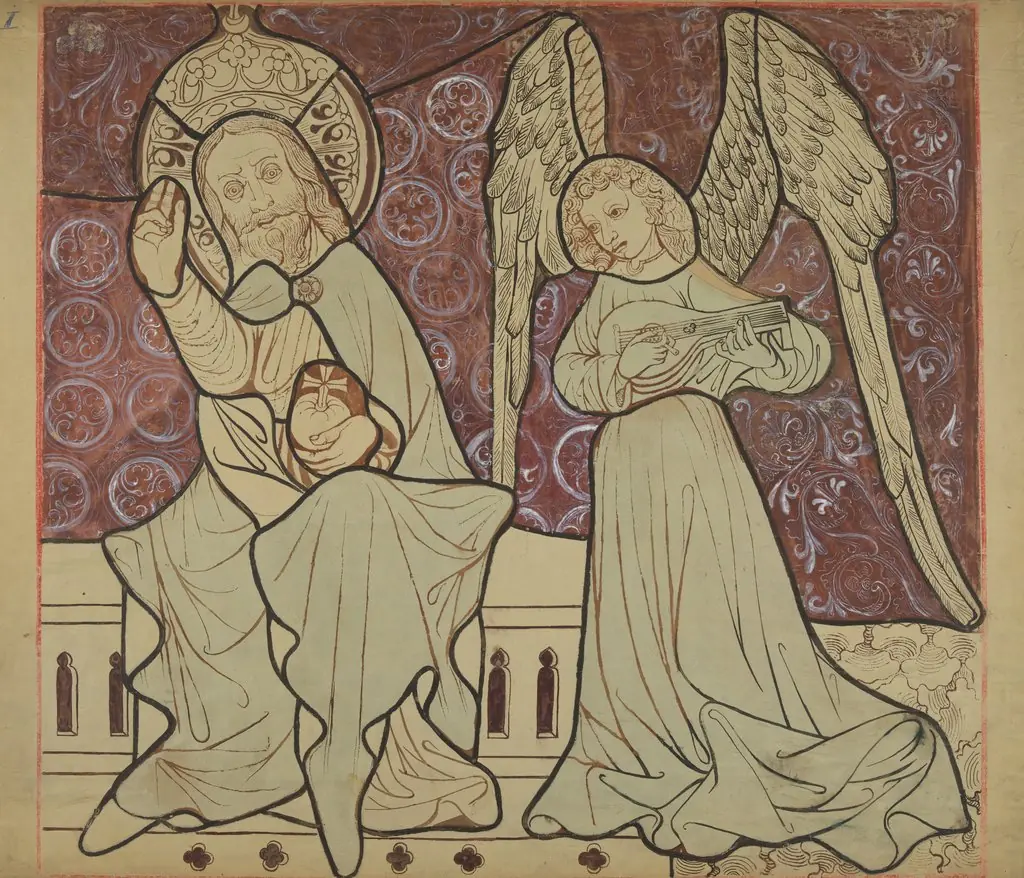 Enthroned Christ with an angel from the scene "Coronation of the Blessed Virgin Mary" (right part). Artistic reconstruction of a stained-glass panel from the Dominican church in Kraków
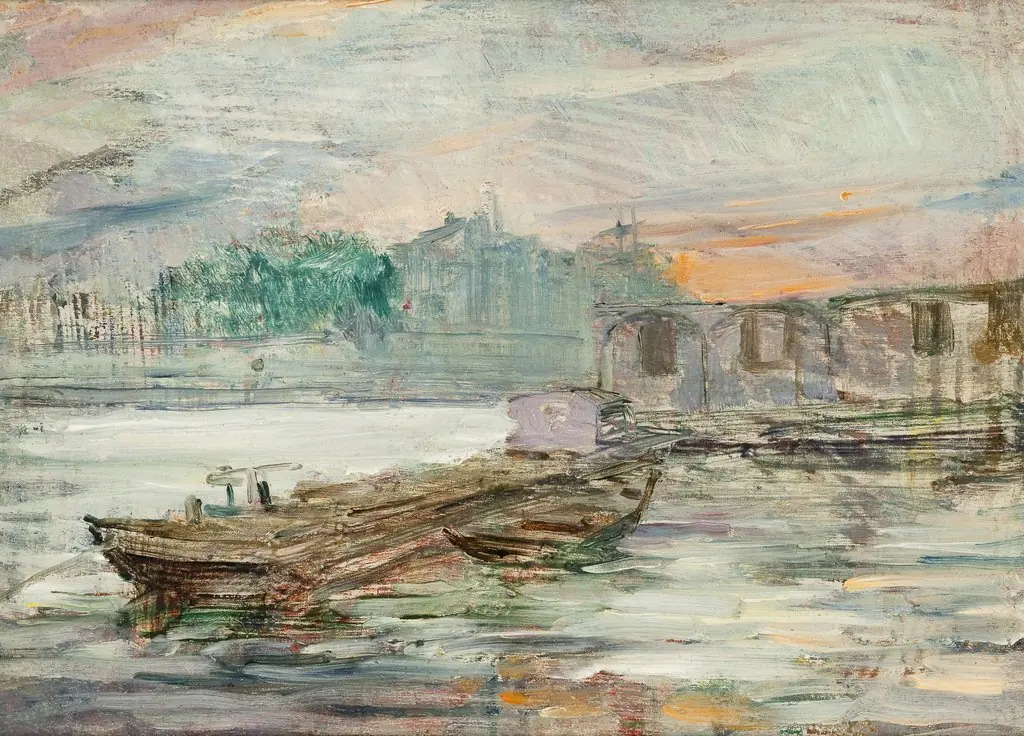 Barges on the Seine
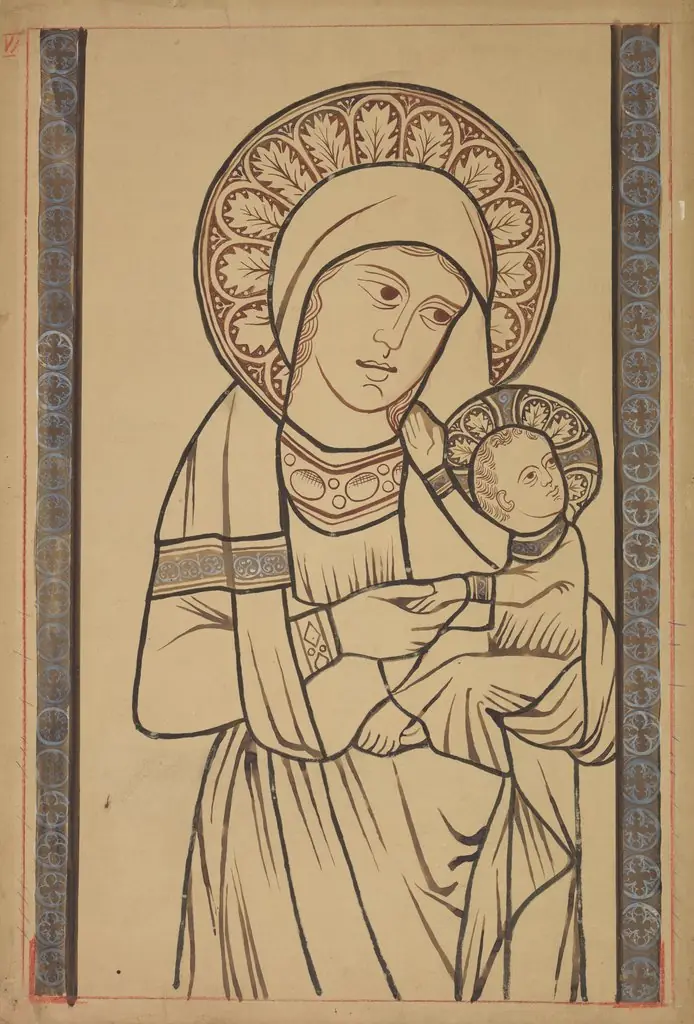 The Blessed Virgin Mary with Child. Artistic reconstruction of a stained-glass panel from the Dominican church in Kraków
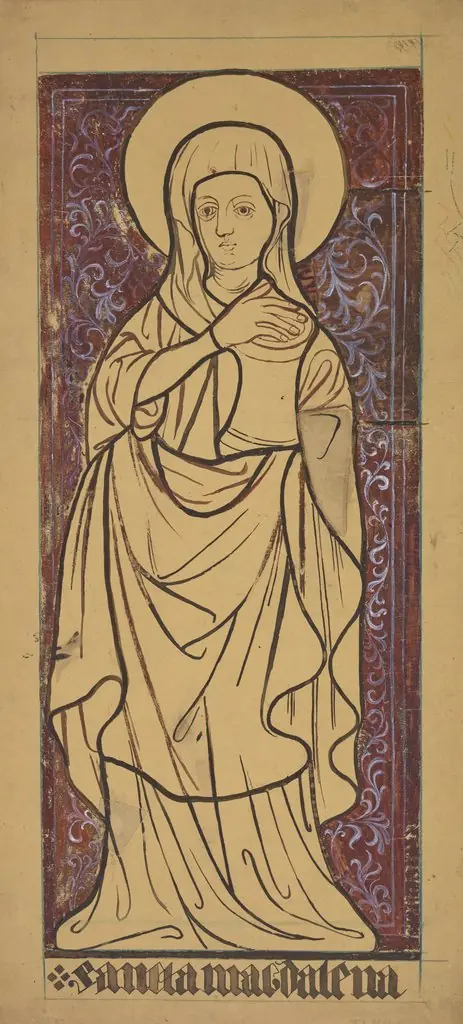 Saint Mary Magdalene. Artistic reconstruction of a stained-glass panel from the Dominican church in Kraków
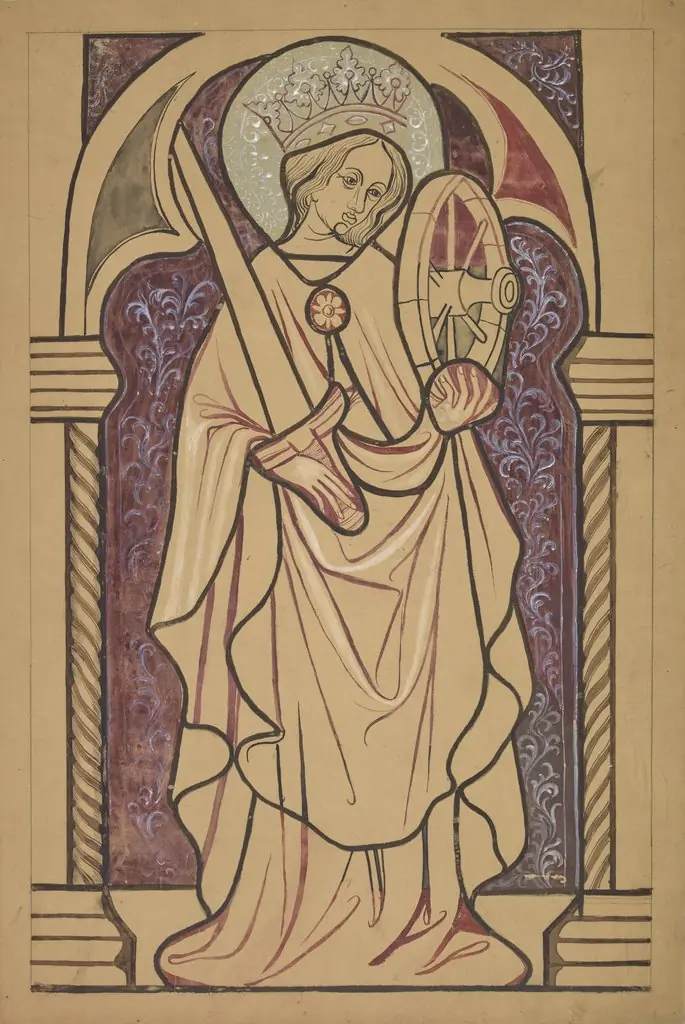 Saint Catherine of Alexandria. Artistic reconstruction of a stained-glass panel from the Dominican church in Kraków
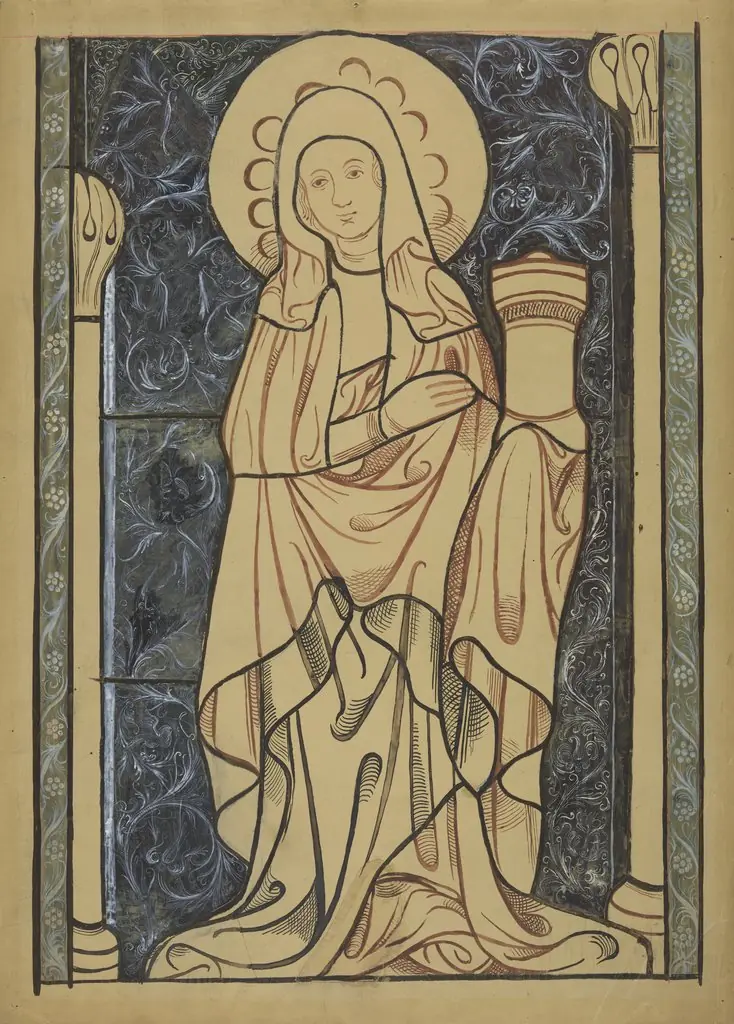 Saint Mary Magdalene. Artistic reconstruction of a stained-glass panel from the Dominican church in Kraków
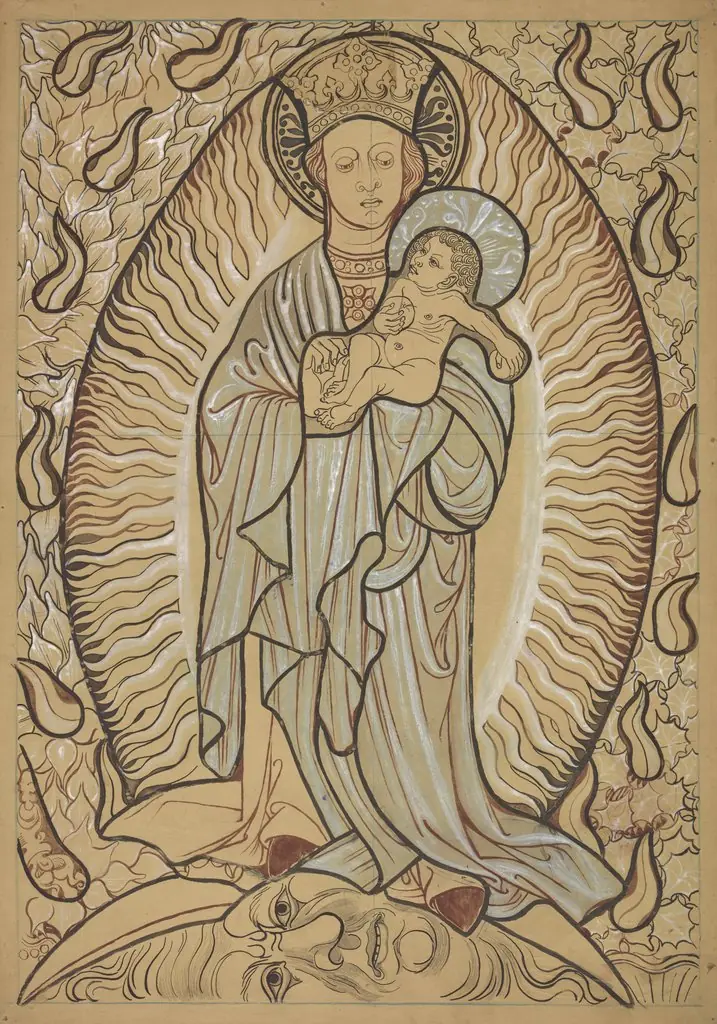 Madonna and Child. Artistic reconstruction of a stained-glass panel from the Dominican church in Kraków
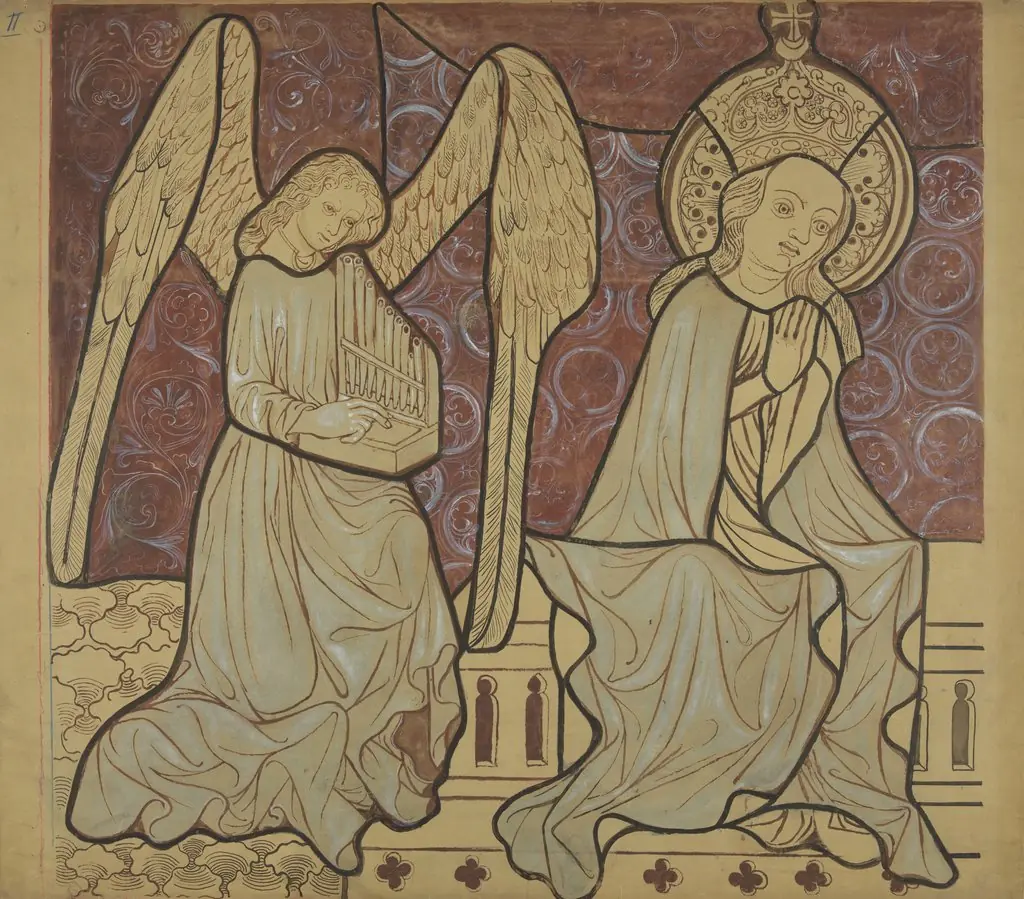 Enthroned Mary with an angel from the scene "Coronation of the Blessed Virgin Mary" (left part). Artistic reconstruction of a stained-glass panel from the Dominican church in Kraków
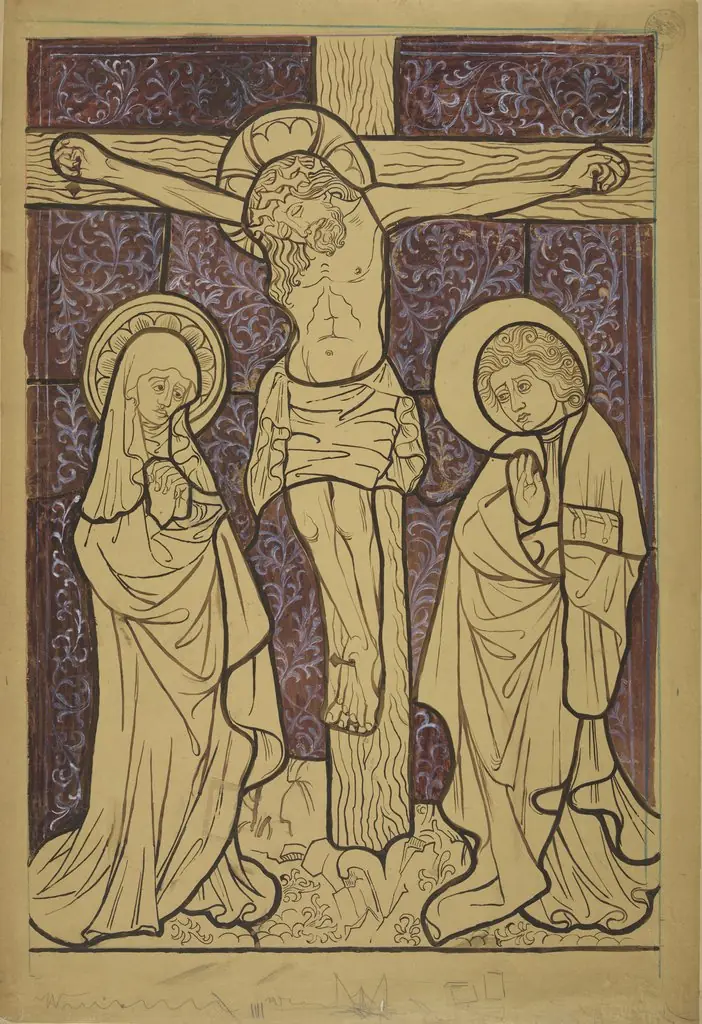 Crucifixion. Artistic reconstruction of a stained-glass panel from the Dominican church in Kraków