Artwork
Norfolk, Sandhills on the Coast
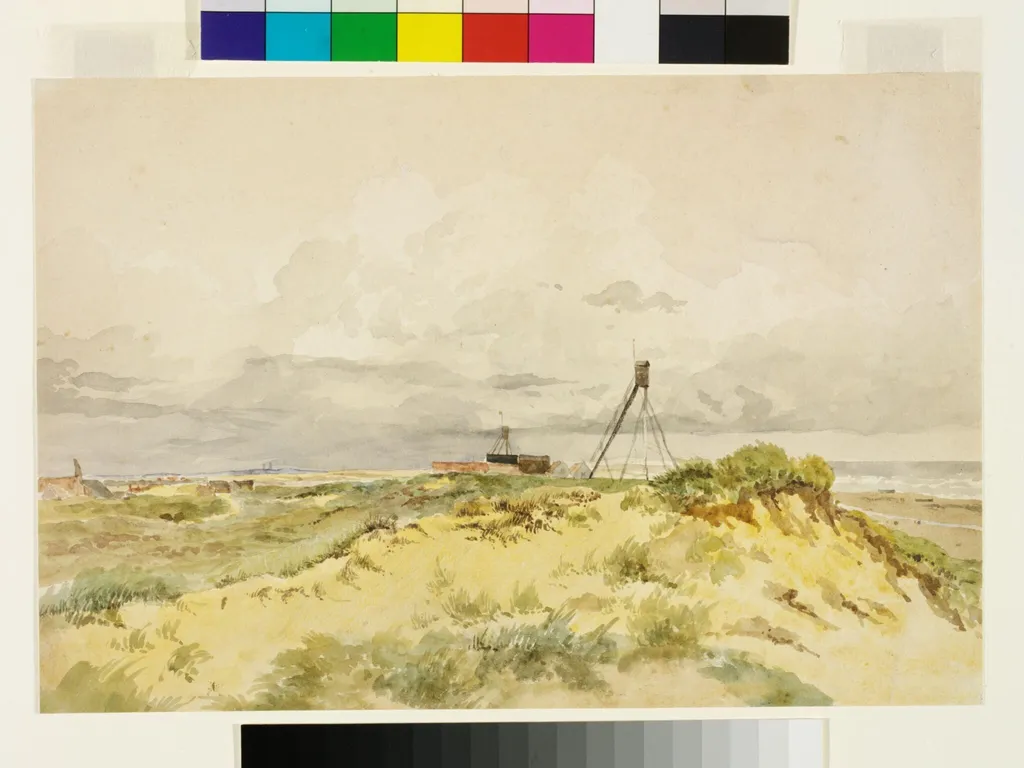
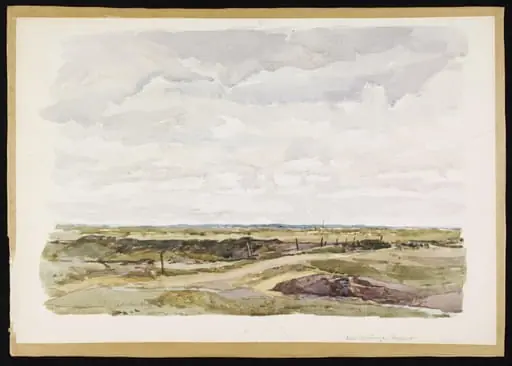
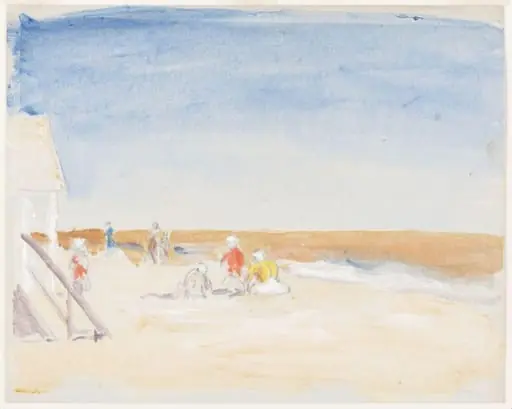
Norfolk, Sandhills on the Coast is a watercolor work on paper by the British Romanticist artist James Stark. It dates from 1825 and is held in the collection of the Victoria and Albert Museum. This 1825 watercolour captures a quiet stretch of the Norfolk coastline, focusing on undulating sandhills and sparse coastal architecture.
About this work
Overview
This 1825 watercolour captures a quiet stretch of the Norfolk coastline, focusing on undulating sandhills and sparse coastal architecture.
This 1825 watercolour captures a quiet stretch of the Norfolk coastline, focusing on undulating sandhills and sparse coastal architecture. Rendered in delicate washes, the composition balances muted earth tones with a diffused, overcast sky. The absence of human figures and the subdued palette contribute to a still, contemplative atmosphere, characteristic of early 19th-century British landscape watercolours.
Subject & Meaning
The scene presents a modest coastal landscape devoid of dramatic action. Sandhills, grasses, and distant structures—possibly a lighthouse or navigational beacon—suggest human presence without intrusion. The quietude of the setting reflects a Romantic interest in nature’s quiet endurance, where the land itself becomes the subject, evoking solitude and the passage of time rather than narrative or symbolism.
Technique & Style
Executed in transparent watercolour, the work employs soft, layered washes to suggest texture and atmosphere. Brushwork is restrained, with gentle gradients in the sky and subtle tonal shifts in the dunes. The lack of sharp outlines and the blending of hues create a hazy, atmospheric effect, emphasizing light and mood over precise detail, aligning with contemporary watercolour practices of the period.
History & Provenance
The painting is documented as originating in 1825, likely produced during a period of growing interest in British coastal scenery. It entered institutional collection without known prior ownership records, suggesting it may have been acquired directly from the artist or a local patron. Its preservation reflects early 19th-century appreciation for topographical watercolours as records of place.
Context
Created during the height of Romanticism in Britain, the work aligns with a broader cultural turn toward intimate, unidealized landscapes. While not tied to a major artist, it shares affinities with the quiet observations of contemporaries like John Sell Cotman, who documented East Anglia’s shores with similar restraint. The piece reflects a regional tradition of recording coastal erosion and vernacular structures.
Legacy
Though not widely exhibited or reproduced, the painting contributes to a body of work that documents Norfolk’s changing coastline in the early 1800s. Its preservation offers insight into how ordinary landscapes were valued for their atmospheric qualities rather than grandeur. It remains a quiet example of how watercolour served as both artistic expression and regional documentation.
Artist & collection
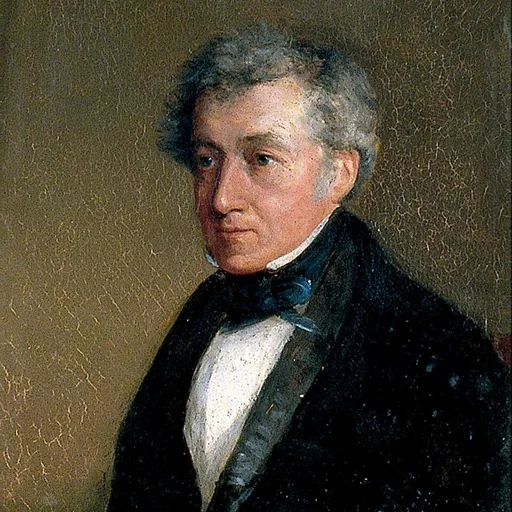
Artist
James Stark (19 November 1794 – 24 March 1859) was an English landscape painter. A leading member of the Norwich School of painters, he was elected vice-president of the Norwich Society of Artists in 1828 and became…

 West Wittering
 Tehran with the Cusr Kayar
![Partie ved Udkanten af Winding [Vinding] Skov i Bryrupegnen, by Unknown](https://artifactworldgallery.com/img/unknown--partie-ved-udkanten-af-winding-vinding-skov-i-bryrupegnen--f8a22fcdcb4d2756-w320.webp) Partie ved Udkanten af Winding [Vinding] Skov i Bryrupegnen
Partie ved Udkanten af Winding [Vinding] Skov i Bryrupegnen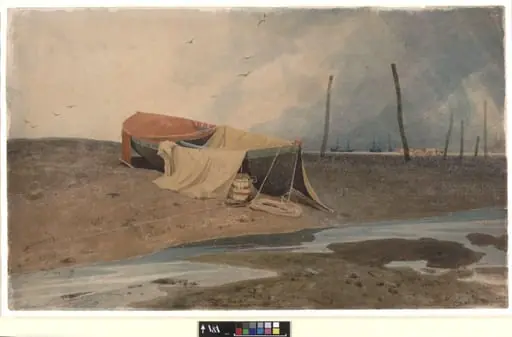 Boat on the Beach
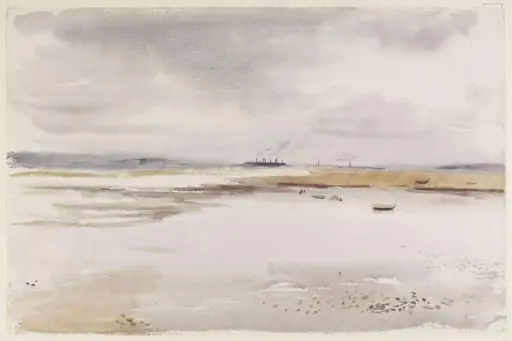 Penclawdd, Gower, Glamorganshire (Recording Britain, Welsh Counties)
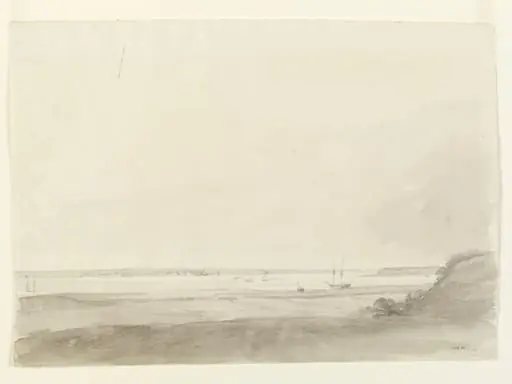 View from the shore over the Thames or the Medway
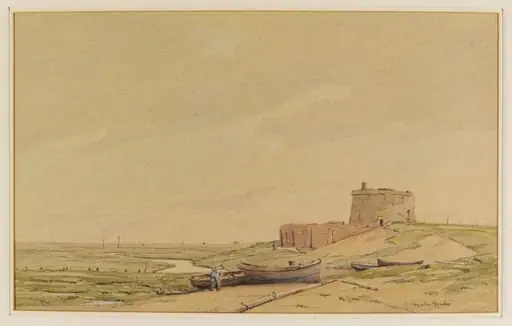 Martello Tower, Rye Port
 First sight of Jerusalem from the Jaffa & El Arish road
 The Creek, West Wittering
 Untitled
 Landscape with a building, probably a tomb, in the distance
 Norfolk beach scene