Artwork
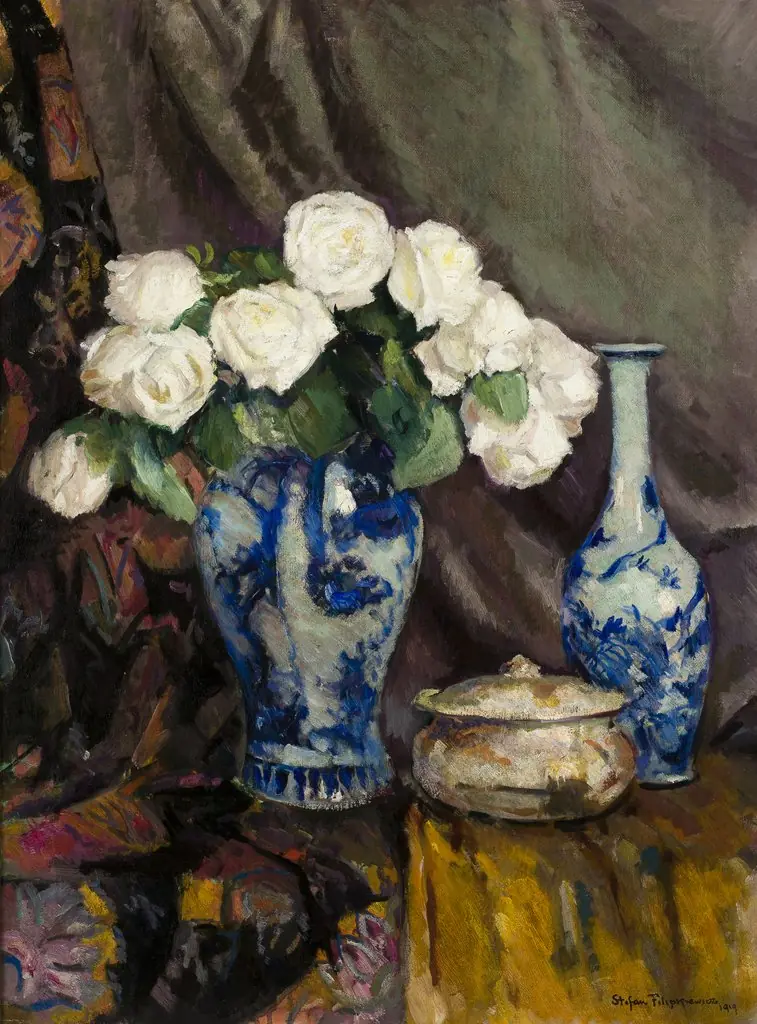
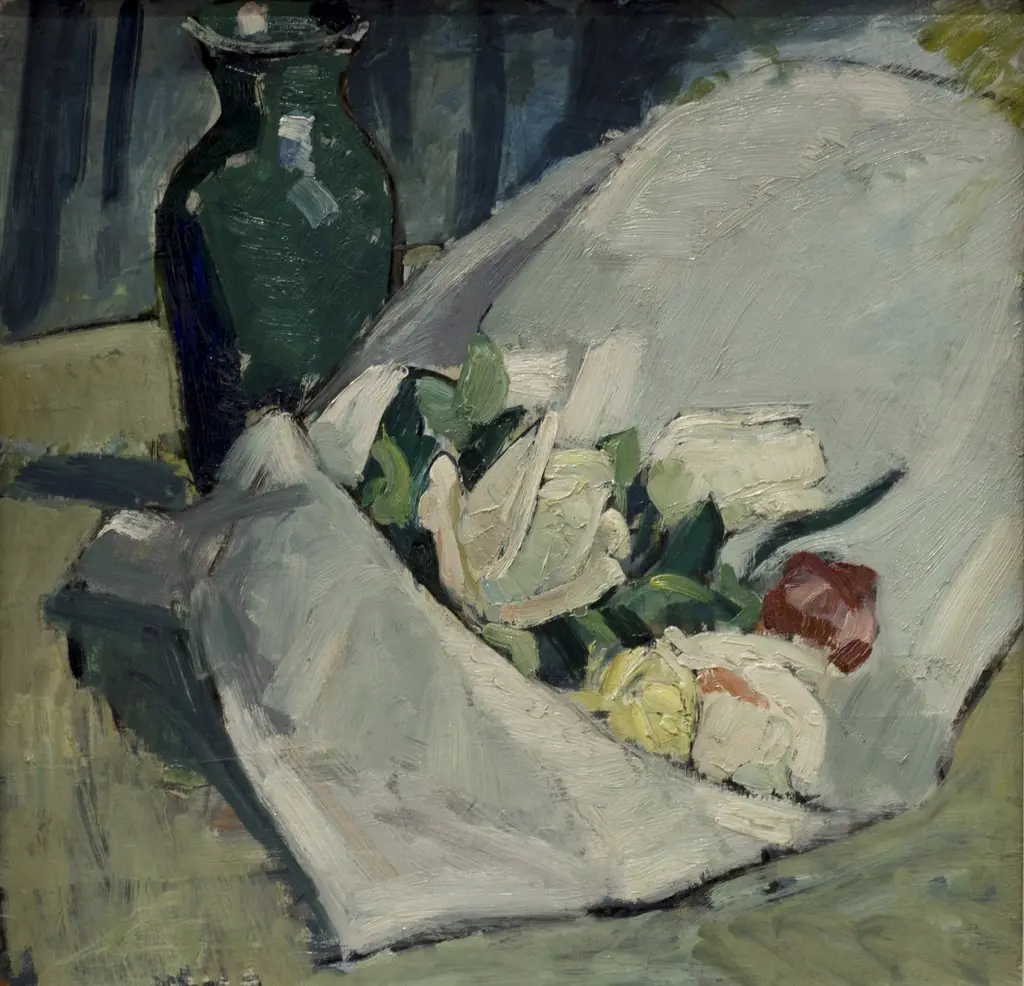
Still Life with White Roses in a Vase
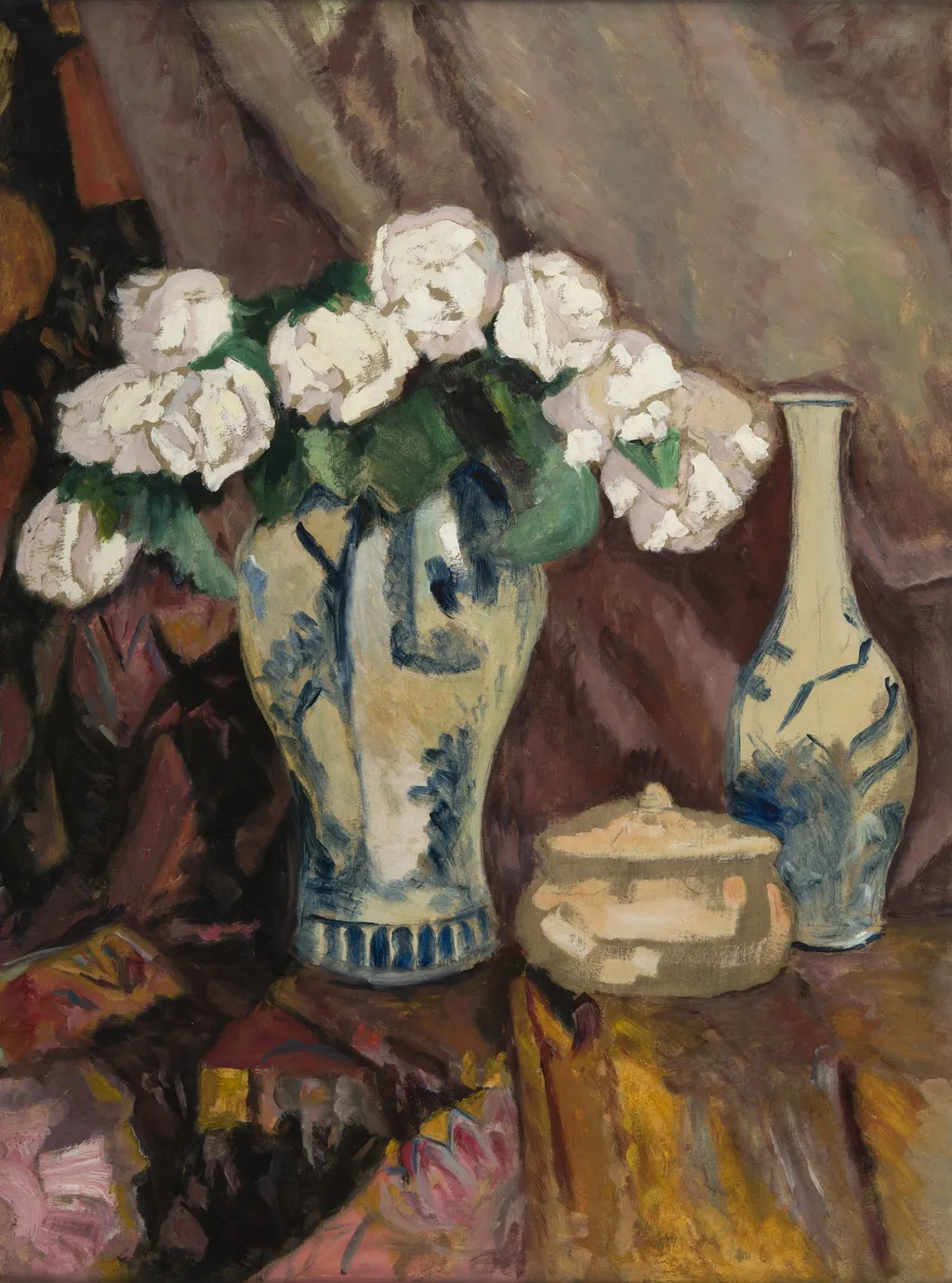
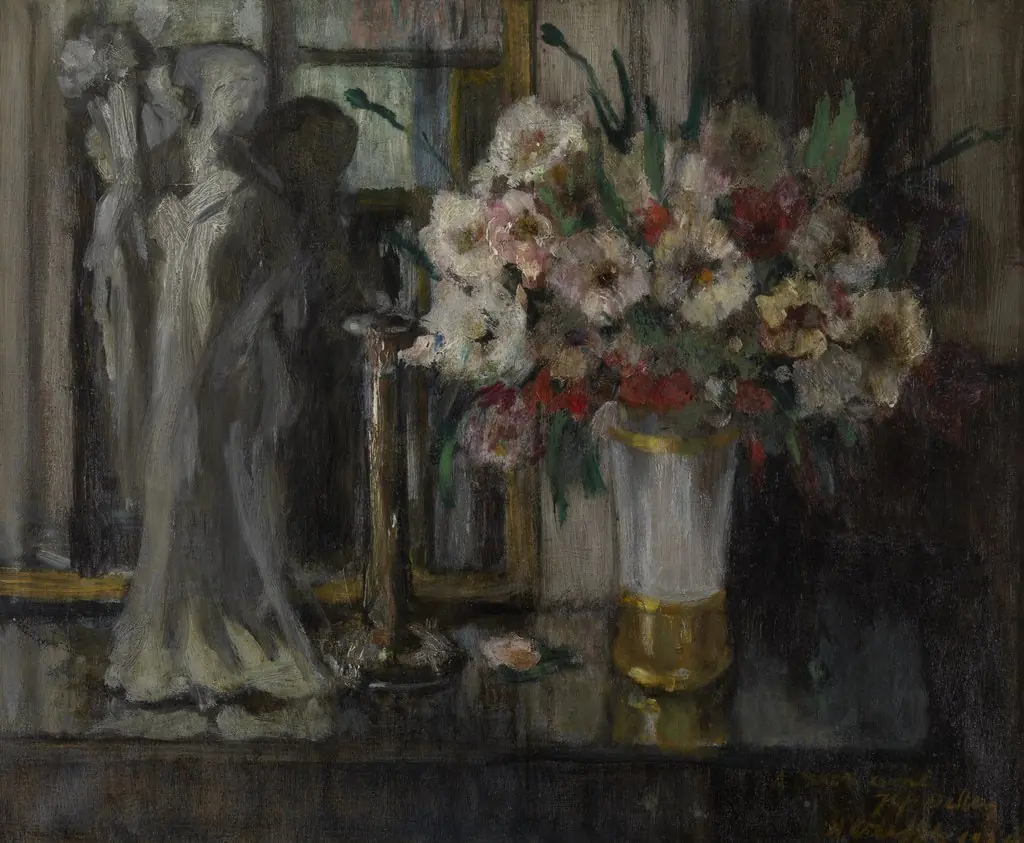
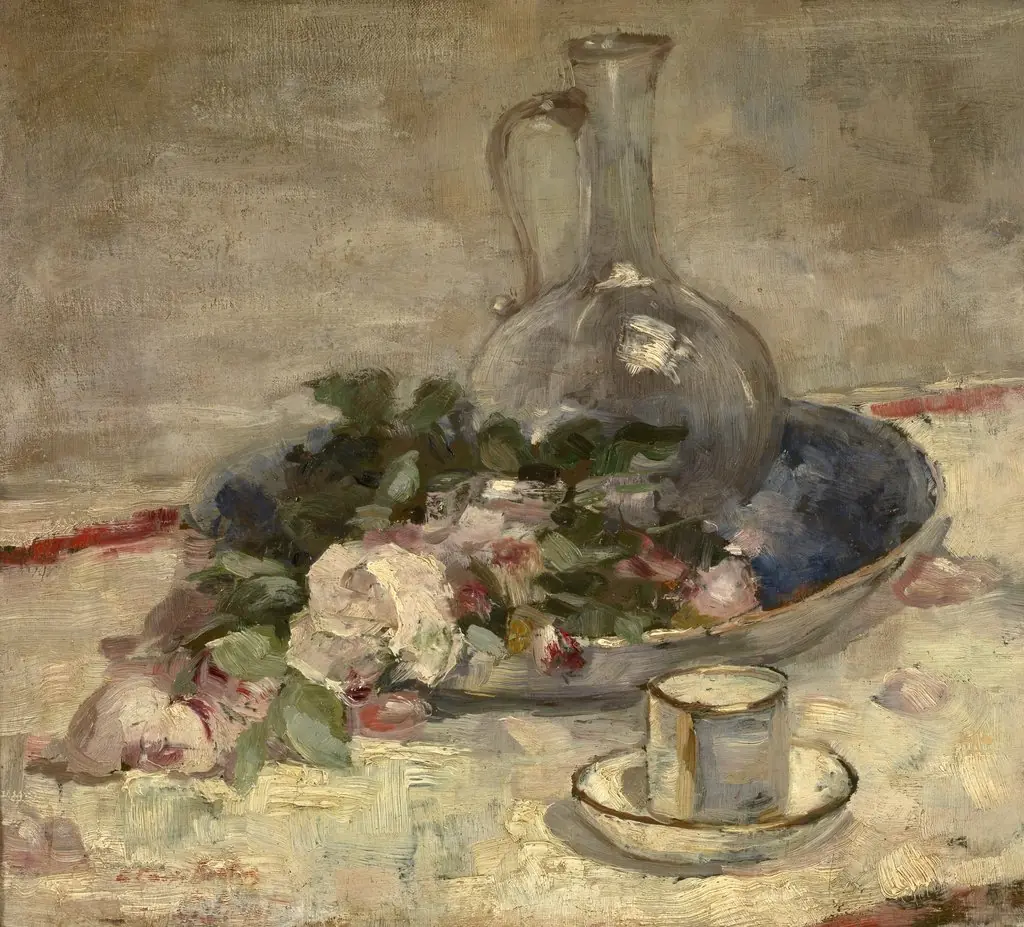
Still Life with White Roses in a Vase is an unspecified painting by Stefan Filipkiewicz. It dates from 1919 and is held in the collection of the National Museum in Kraków.
About this work
Overview
Stefan Filipkiewicz painted *Still Life with White Roses in a Vase* in 1919, near the end of his career. A Polish artist linked to the Young Poland movement, he was known for both decorative design and landscape painting, particularly of the Tatra Mountains. This still life reflects his refined sense of composition and quiet aesthetic, distinct from his more celebrated outdoor scenes.
Subject & Meaning
The absence of ornament or dramatic lighting shifts focus to the quiet dignity of everyday objects, typical of introspective interwar Polish art.
The painting presents a modest arrangement: white roses in a vase, a small covered dish, and a slender container, all arranged on a surface against a warm, neutral backdrop. The flowers, unadorned and solitary, suggest themes of transience and stillness. The absence of ornament or dramatic lighting shifts focus to the quiet dignity of everyday objects, typical of introspective interwar Polish art.
Technique & Style
Filipkiewicz employed soft, blended brushwork and a restrained palette dominated by muted earth tones. The white roses are rendered with subtle gradations of light, allowing them to emerge gently from the background without sharp contrast. The composition is deliberately balanced, with the vase and dish forming a quiet diagonal that guides the eye without force, reflecting Art Nouveau’s emphasis on harmony.
History & Provenance
The painting has remained in the collection of the National Museum in Kraków since its creation. It was likely acquired shortly after completion, as part of the museum’s effort to document Polish artistic output during the early years of regained independence. No significant changes in ownership or restoration are documented, preserving its original condition.
Context
Created in the aftermath of World War I, the painting reflects a cultural turn toward introspection and renewal in Polish art. While many artists turned to political or national themes, Filipkiewicz chose still life as a space for calm observation. His focus on domestic simplicity aligned with broader European trends seeking order and serenity after years of upheaval.
Legacy
Though Filipkiewicz is better known for his landscapes, this still life exemplifies his versatility and sensitivity to form. It remains a quiet representative of Polish interwar still life painting, appreciated for its restraint and tonal nuance. The work contributes to a broader understanding of how Polish artists navigated personal expression amid national reconstruction.
Own this work as a print
Artist & collection
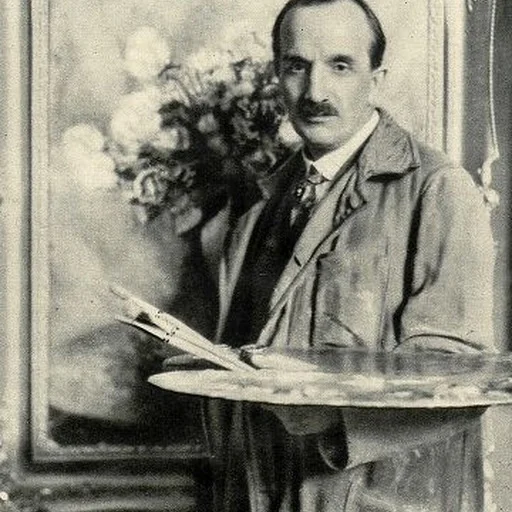
Artist
Stefan Filipkiewicz (pronounced ; 28 July 1879 – 23 August 1944) was a Polish painter and designer.