Artwork
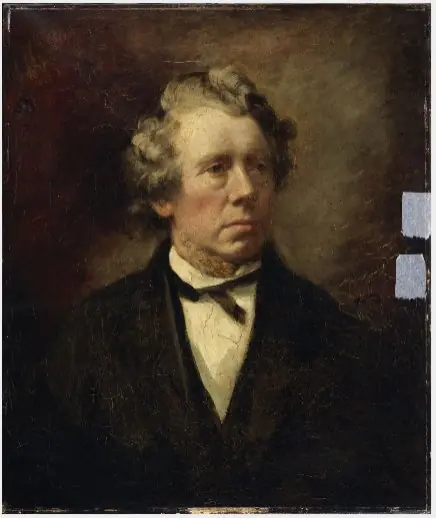
Portrait of William John Fitzpatrick (1830-1895), Historian and Biographer
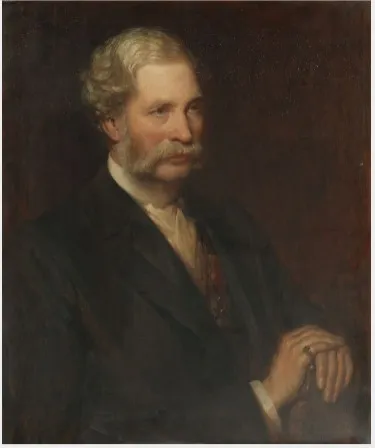
Portrait of William John Fitzpatrick (1830-1895), Historian and Biographer is an oil painting by the Impressionist artist Stephen Catterson Smith the younger. It dates from 1890 and is held in the collection of the National Gallery of Ireland.
About this work
This portrait painting depicts a man with fair skin and curly, graying hair, dressed in a dark suit jacket over a white shirt and patterned tie.
This portrait painting depicts a man with fair skin and curly, graying hair, dressed in a dark suit jacket over a white shirt and patterned tie. He sits with his left hand resting on the arm of a chair, wearing a ring on his finger.
The subject's attire and hairstyle suggest a formal, professional setting, possibly from the 19th century. The artist's use of oil paint creates a rich, textured effect, adding depth to the image.
For more works by the artist who painted this portrait, explore the collection of Stephen Catterson Smith the younger.
Overview
Stephen Catterson Smith the younger painted this oil portrait around 1890, portraying the Irish historian and biographer William John Fitzpatrick (1830‑1895). The work is part of the National Gallery of Ireland’s collection and presents the sitter in a formal, seated pose.
Subject & Meaning
Fitzpatrick appears with a fair complexion, curly hair turning gray, and a dark jacket over a white shirt and patterned tie. His left hand rests on the chair’s arm, and a ring is visible on his finger, emphasizing his status as a learned professional of the late nineteenth century.
Technique & Style
Executed in oil, the painting employs a layered application that yields a textured surface and subtle tonal variations, giving the figure a three‑dimensional presence. The artist’s handling of light on the fabric and skin contributes to a realistic yet dignified representation.
History & Provenance
Created near the end of Fitzpatrick’s life, the portrait entered the National Gallery of Ireland’s holdings, where it remains on display. Its acquisition reflects the institution’s interest in documenting notable Irish cultural figures.
Context
The work belongs to a tradition of Victorian portraiture that sought to convey the intellectual stature of its subjects through formal dress and composed demeanor. Smith’s rendering aligns with contemporary expectations for portraiture of scholars and public figures.
Artist & collection
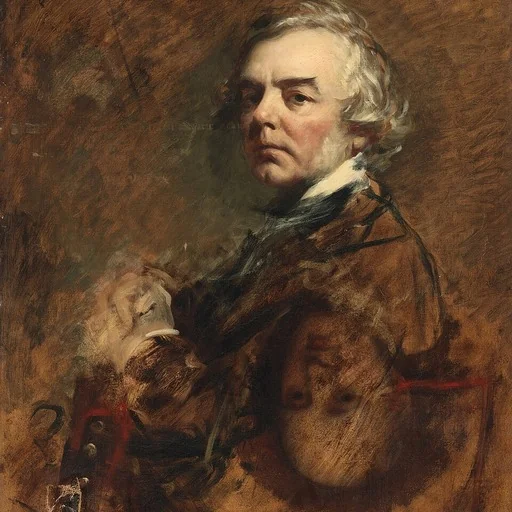
Artist
Stephen Catterson Smith the younger
Stephen Catterson Smith the younger (1849–1912) was an artist, born in Dublin.

 Portrait of Sir Thomas Drew (1838-1910), Architect
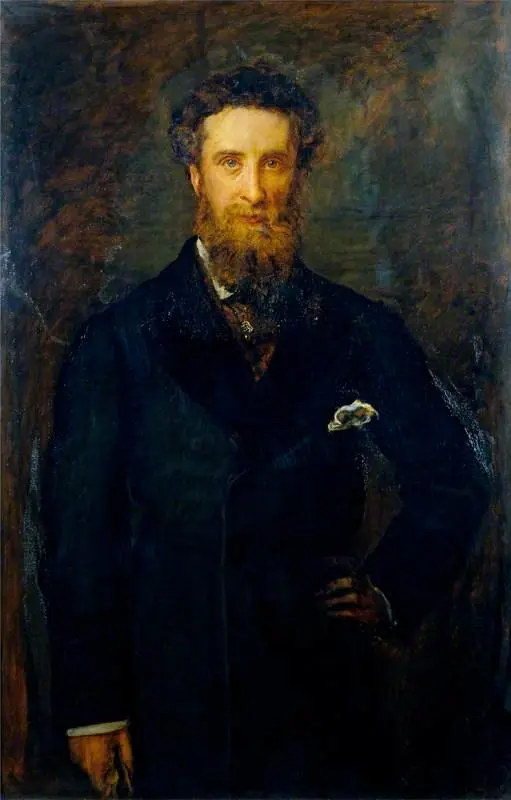 Edward Robert Bulwer Lytton (1831–1891), 1st Earl Lytton
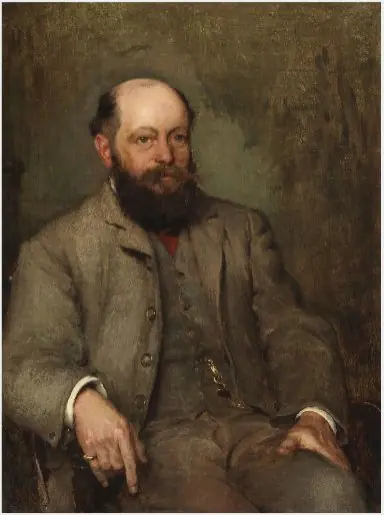
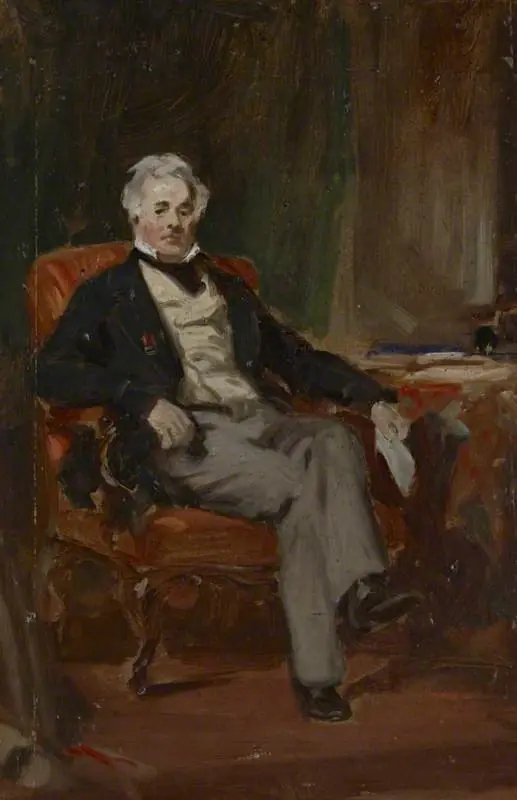 A Portrait Study of a Gentleman Seated in an Interior
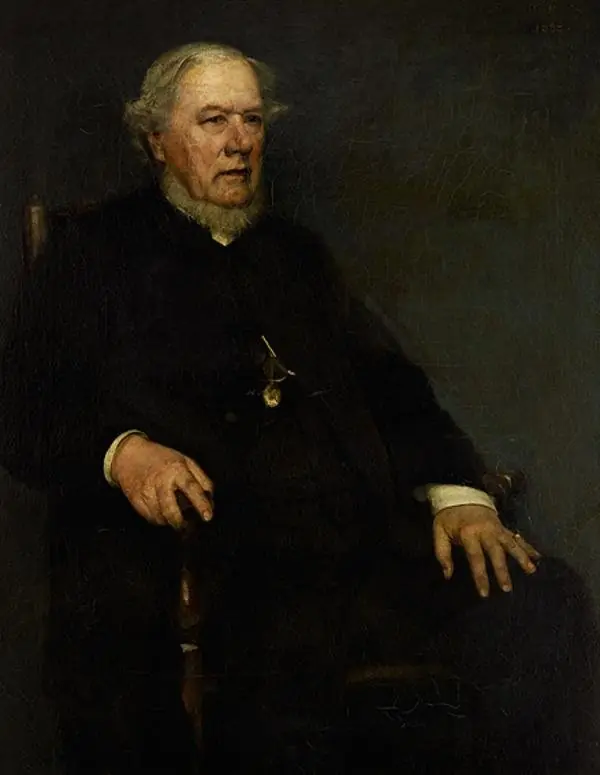 Revd Dr Andrew Gardiner (died 1892)
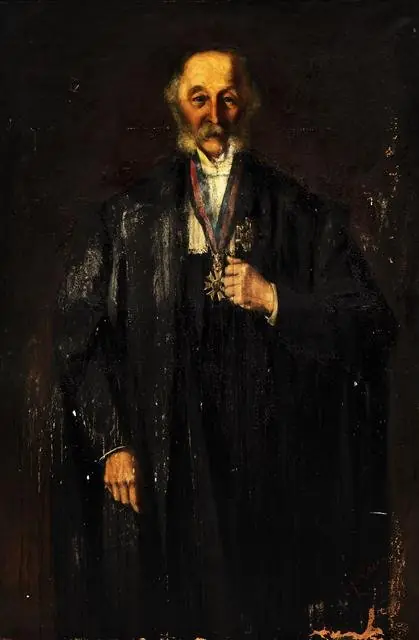 Sir William Fitzherbert
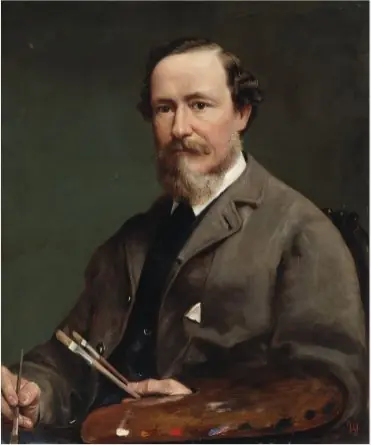 Portrait of B. Colles Watkins (1833-1891), Landscape Painter
 Professor John Marshall (1818–1891), FRS, Surgeon
 Untitled
 Portrait of John Ford Paterson
 Portrait of Lucjan Siemieński
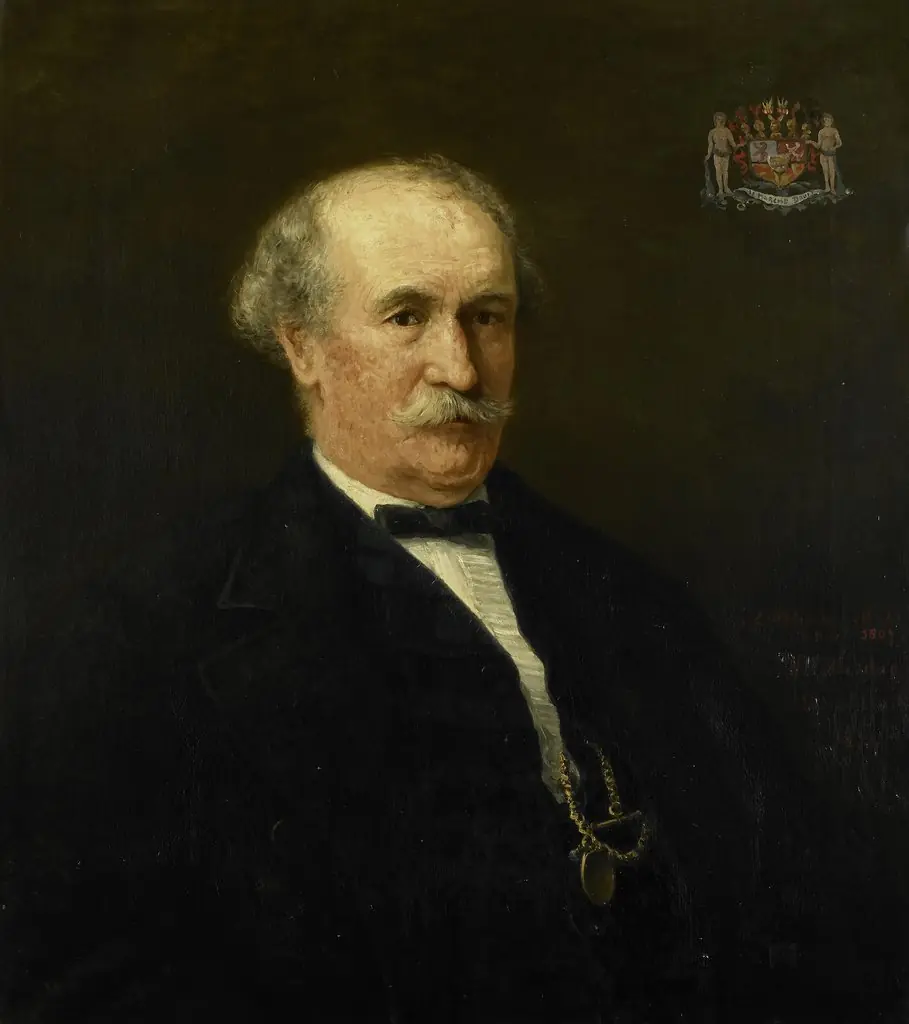 Menno David Graaf van Limburg Stirum (1807–1891). Adjudant des konings, luitenant-generaal
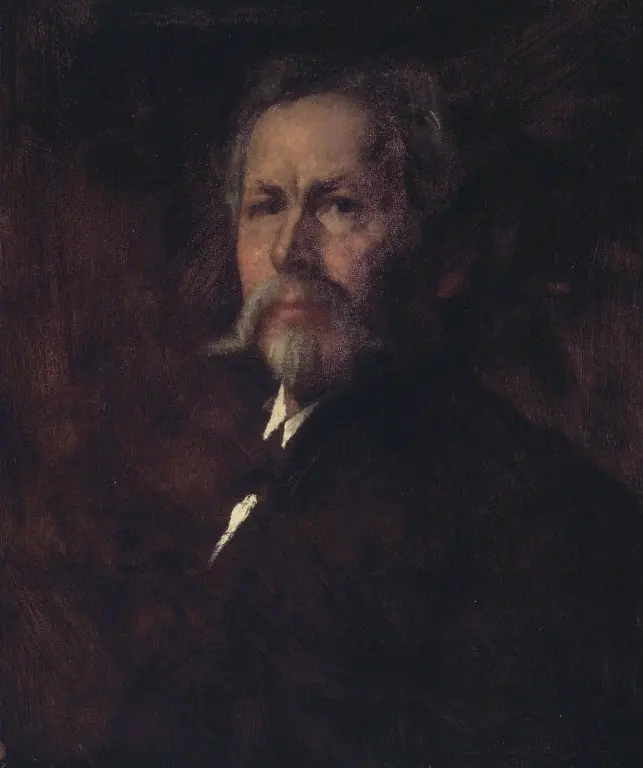 Self-portrait