Artwork
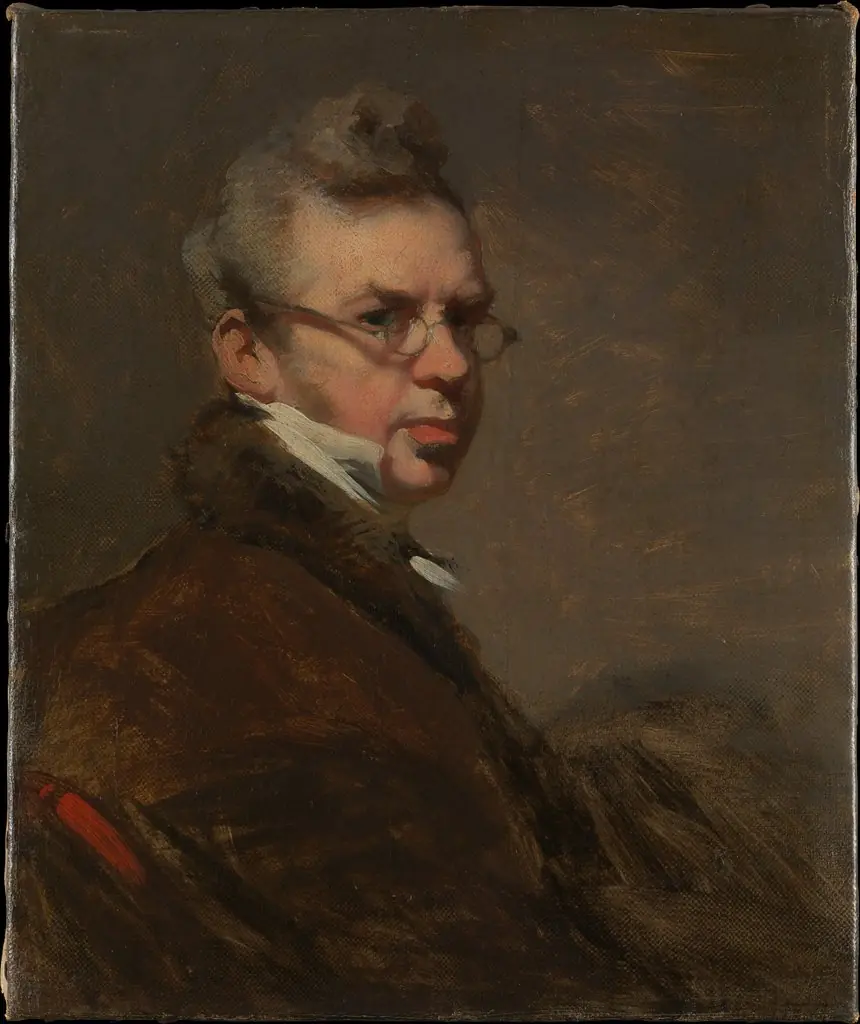
Self-Portrait
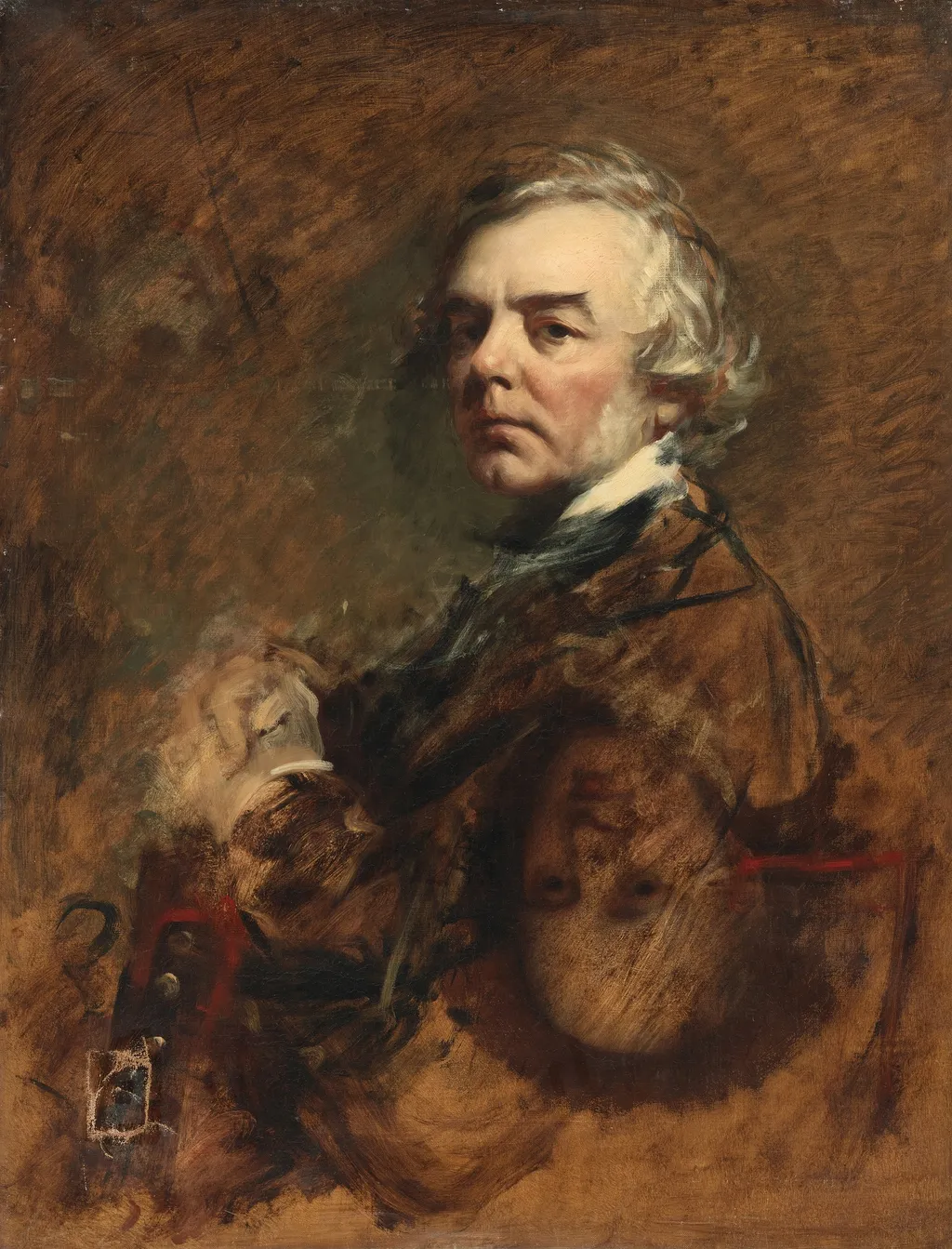
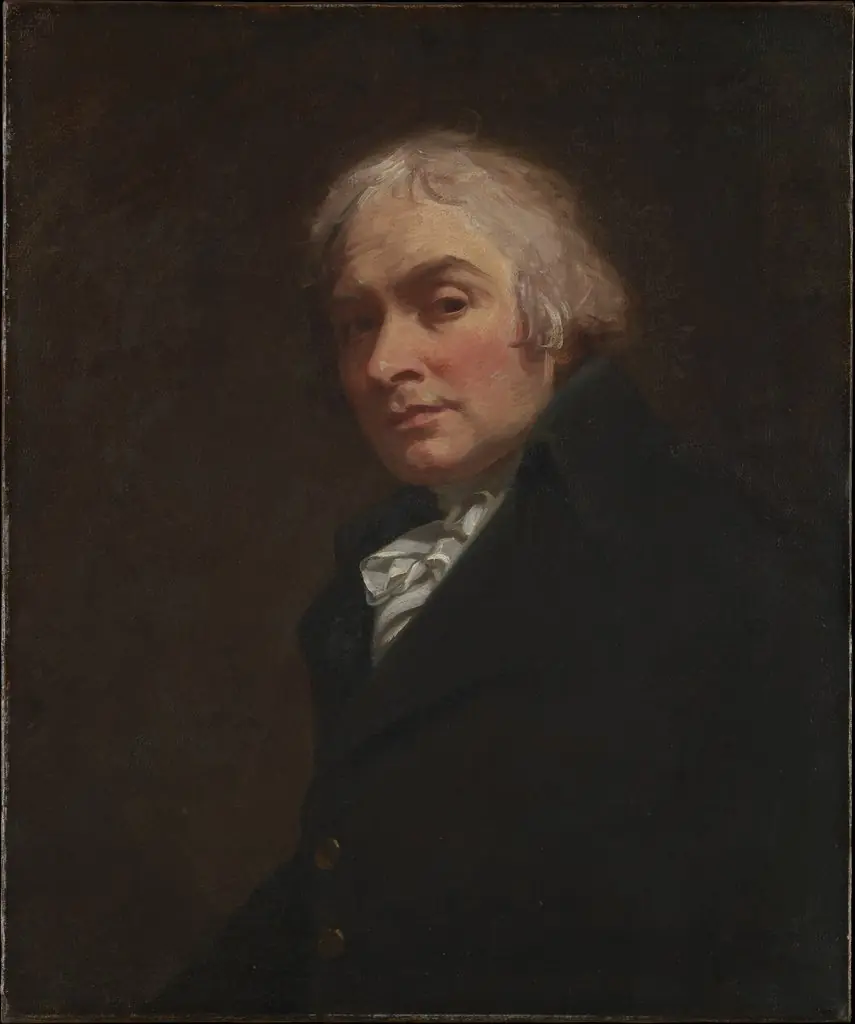
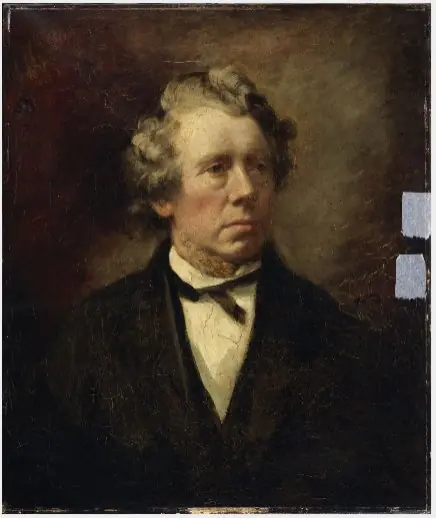
Self-Portrait is an oil painting by Stephen Catterson Smith the younger. It dates from 1890 and is held in the collection of the National Gallery of Ireland.
About this work
Overview
Painted around 1890, this oil on canvas work is a self-portrait by Stephen Catterson Smith the younger. It presents the artist facing the viewer with quiet intensity, rendered in restrained tones. The painting resides in the collection of the National Gallery of Ireland, where it serves as a personal record of the artist’s appearance in late middle age.
Subject & Meaning
The subject is the artist himself, depicted with white hair and a formal white collar against a dark brown backdrop. His direct gaze and composed expression suggest introspection rather than performance. There is no overt symbolism; the portrait’s power lies in its unadorned honesty, conveying a sense of quiet self-awareness without theatricality.
Technique & Style
Smith employed traditional oil painting methods, using layered pigments to model the face with subtle gradations of light. The brushwork is controlled, emphasizing texture in the hair and fabric without flourish. The warm, muted background isolates the figure, directing attention to the face and its nuanced expression, characteristic of late 19th-century academic portraiture.
History & Provenance
The painting was likely completed in the final decades of the 19th century, during Smith’s active years as a portraitist. It entered the National Gallery of Ireland’s collection through documented acquisition, though specific details of its early ownership remain unrecorded. Its preservation reflects institutional recognition of the artist’s contribution to Irish portraiture.
Context
Painted during a period when academic realism dominated British and Irish art, Smith’s self-portrait aligns with contemporaneous practices that valued technical precision and psychological restraint. Unlike more flamboyant self-representations of the era, this work reflects a modest, inward-looking tradition common among provincial artists focused on craft over spectacle.
Legacy
Though not widely known outside Ireland, this portrait remains a key example of Smith’s personal artistic voice. It contributes to the understanding of 19th-century Irish portraiture by illustrating how artists documented their own presence with dignity and restraint, offering a counterpoint to more celebrated contemporaries.
Own this work as a print
Artist & collection
Artist
Stephen Catterson Smith the younger
Stephen Catterson Smith the younger (1849–1912) was an artist, born in Dublin.

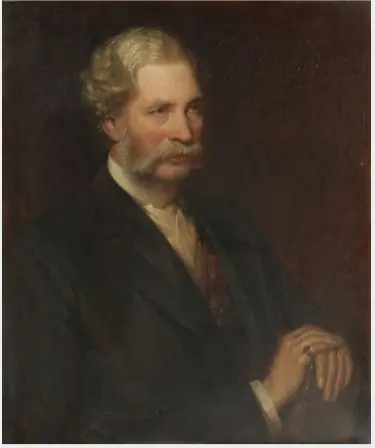 Portrait of William John Fitzpatrick (1830-1895), Historian and Biographer
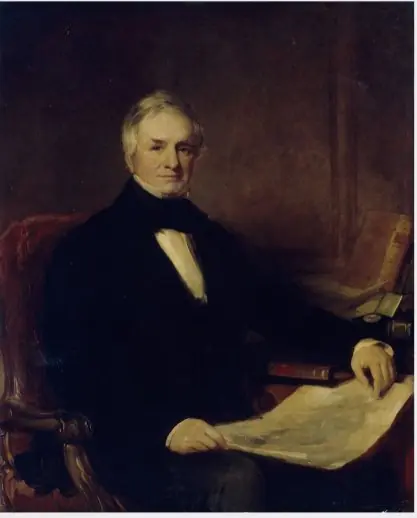 Portrait of Sir Richard John Griffith (1784-1878)
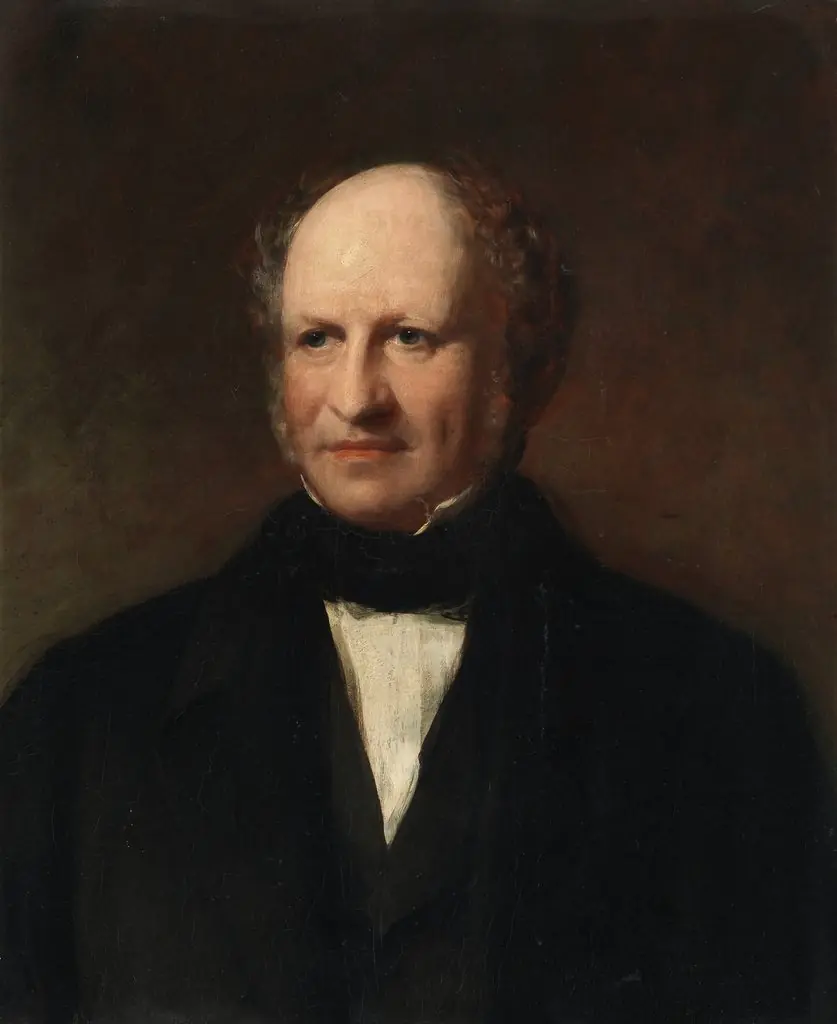 Portrait of William Dargan (1799-1867), fragment of picture
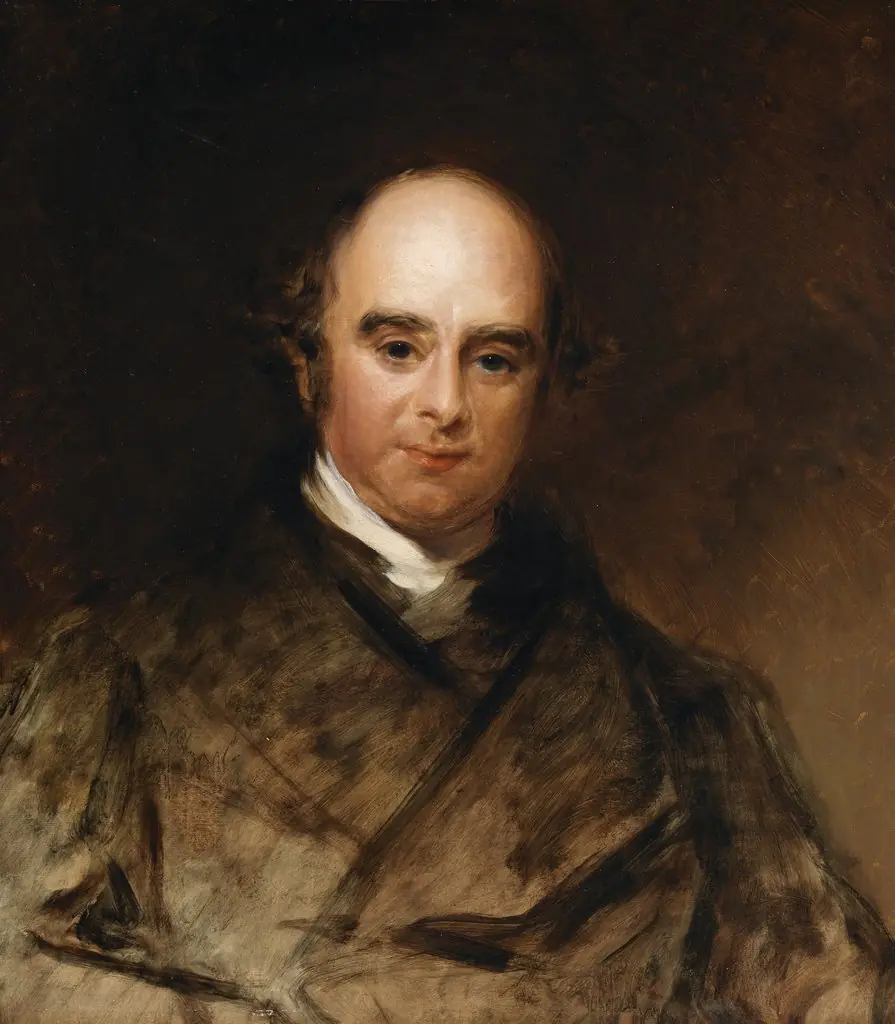 Portrait of Professor J.H. Todd (1805-1869), Author and Antiquary
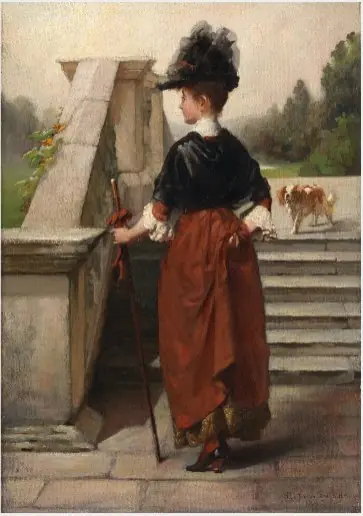 A Young Lady
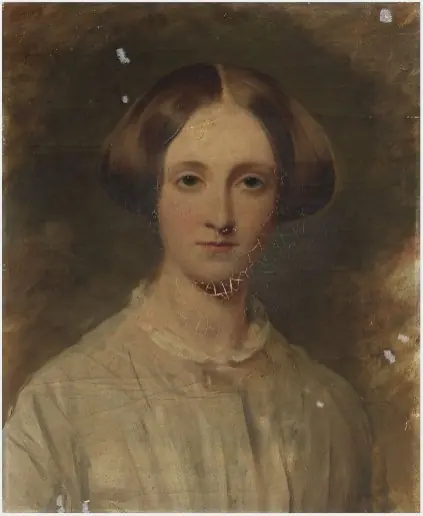 Portrait of a Young Lady
 Portrait of John Dwyer Gray (1816-1875), Journalist and Patriot
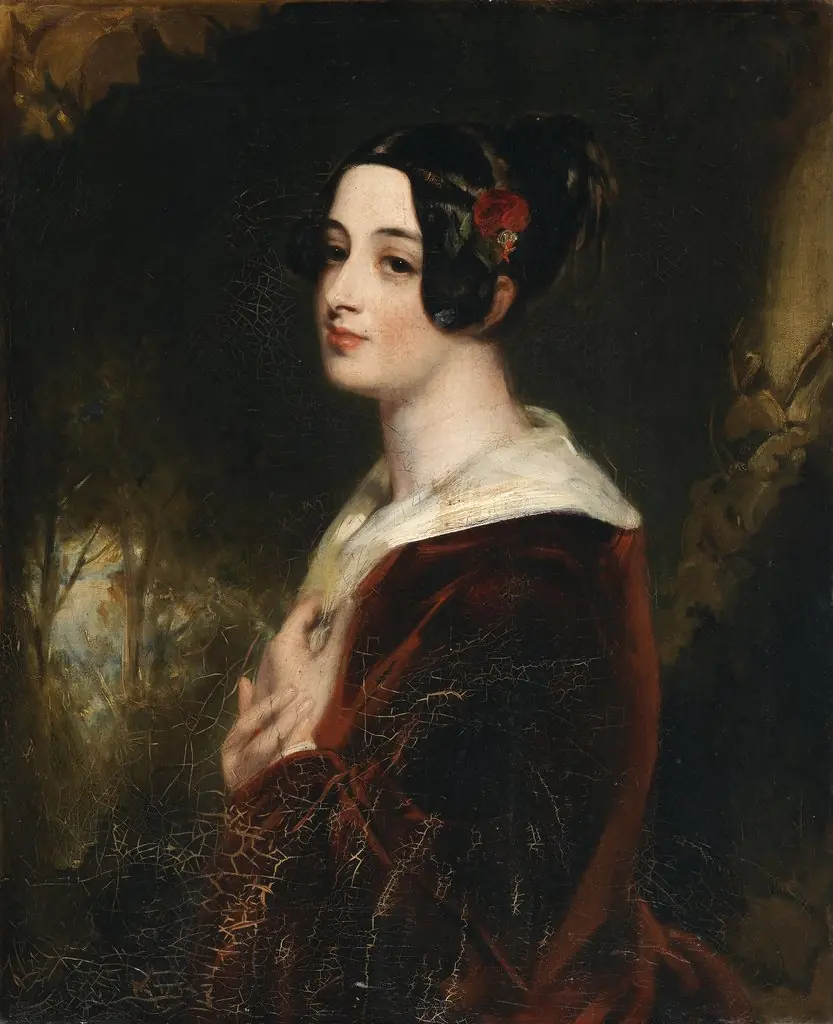 'Rosa'