Artwork
Portrait of Sir Thomas Drew (1838-1910), Architect
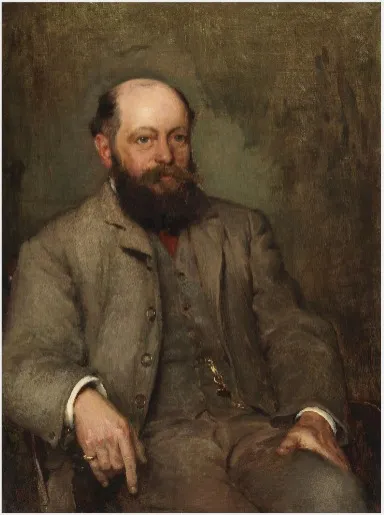
Portrait of Sir Thomas Drew (1838-1910), Architect is an oil painting by the Impressionist artist Walter Osborne. It dates from 1896 and is held in the collection of the National Gallery of Ireland.
About this work
Overview
The work resides in the National Gallery of Ireland, reflecting both the sitter’s social standing and the artist’s technical command of light and texture.
Painted in 1896, this oil portrait captures Sir Thomas Drew, a prominent Irish architect, by Walter Osborne, a key figure in Irish impressionism. Osborne, known for his sensitive depictions of domestic and urban life, turned his attention to portraiture with the same observational rigor. The work resides in the National Gallery of Ireland, reflecting both the sitter’s social standing and the artist’s technical command of light and texture.
Subject & Meaning
Sir Thomas Drew, a leading architect of his time, is portrayed with quiet dignity, his thick gray beard and composed posture suggesting authority and experience. Dressed in a dark suit with a red tie, his attire conveys professional formality without ostentation. The stillness of the pose and the direct gaze invite contemplation, emphasizing character over narrative, aligning with Victorian ideals of reserved masculinity and professional integrity.
Technique & Style
Osborne employed smooth, controlled brushwork to render the textures of Drew’s beard and the folds of his clothing with precision. The palette is warm and restrained, with rich browns and deep reds grounding the composition against a muted background. Light falls subtly across the face and hands, modeling form without dramatic contrast. The technique balances impressionist sensitivity to surface with a classical attention to structure and detail.
History & Provenance
Commissioned during the height of Drew’s career, the portrait was completed in 1896 and remained within private hands until its acquisition by the National Gallery of Ireland. Its inclusion in the national collection underscores its significance as both a record of a notable public figure and an exemplar of Osborne’s portraiture. No major alterations or restorations are documented, preserving its original condition.
Context
In late 19th-century Ireland, portraiture served as a means of affirming social and professional identity. Osborne, though best known for scenes of everyday life, was frequently commissioned by the professional class. This portrait reflects a broader trend among Irish artists to document the nation’s emerging civic leaders, blending British academic traditions with a distinctly local sensibility.
Legacy
The portrait stands as one of Osborne’s most refined civilian portraits, illustrating his ability to convey character through subtle detail and tonal harmony. It contributes to the understanding of Irish artistic identity during a period of cultural consolidation. While not widely reproduced, it remains a key reference in studies of Irish portraiture and the intersection of art and professional life in the Victorian era.
Artist & collection
Artist
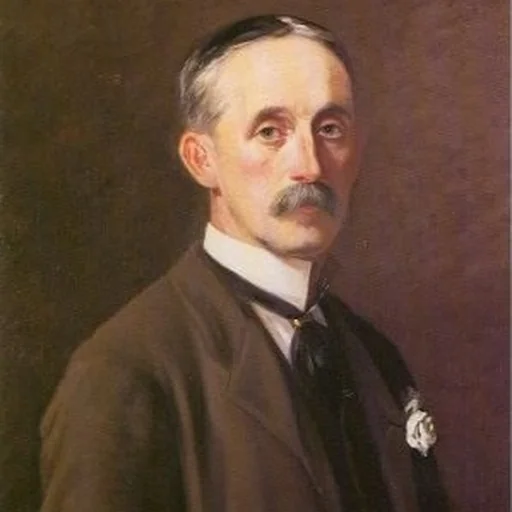
Walter Frederick Osborne (17 June 1859 – 24 April 1903) was an Irish impressionist and Post-Impressionism landscape and portrait painter, best known for his documentary depictions of late 19th century working class life.

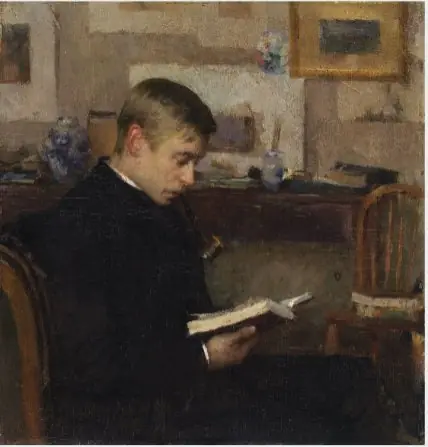 Portrait of Stephen Gwynn (1864-1950), Author
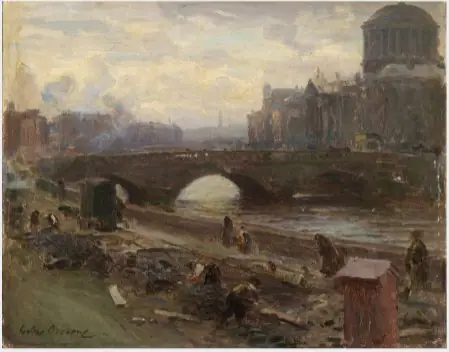 The Four Courts, Dublin
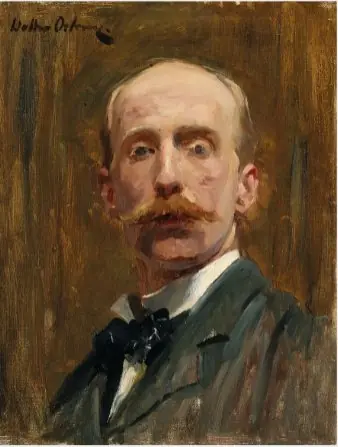 Self-Portrait
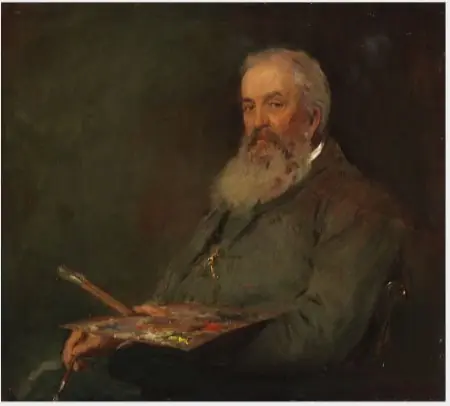 Portrait of Nathaniel Hone (1831-1917), Artist
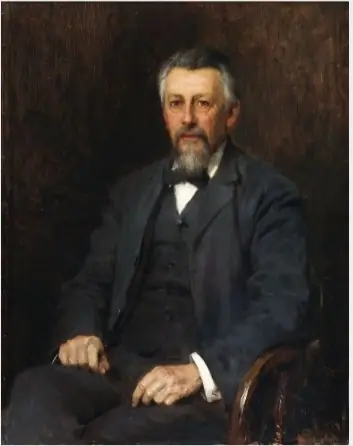 Portrait of Edward Dowden (1843-1913), Poet and Scholar
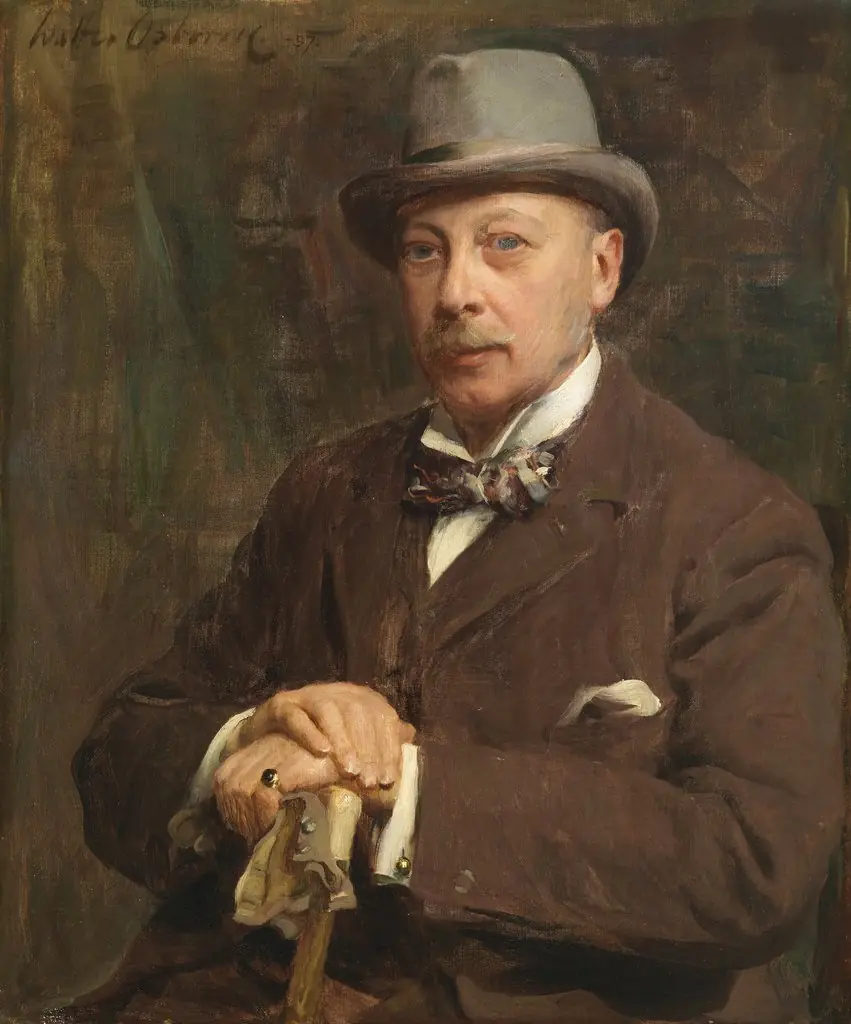 Portrait of a Gentleman
 Portrait of Mrs Chadwyck-Healey and her Daughter
 Portrait of Thomas W. Moffett, President, Queen's College, Galway (d.1906)
 George Wallis (1811–1891), FSA, Keeper of the Art Collections in the South Kensington Museum (1863–1891)
 The Hon. Henry Gullett MLC
 Portrait of Carlo Pellegrini, Caricaturist
 Portrait of William John Fitzpatrick (1830-1895), Historian and Biographer
 Portrait of B. Colles Watkins (1833-1891), Landscape Painter
 Jan Verhaert, the Artist's Father
 Portrait of Emile Augier
 Robert Browning (1812–1889)
 Edward Robert Bulwer Lytton (1831–1891), 1st Earl Lytton