Artwork
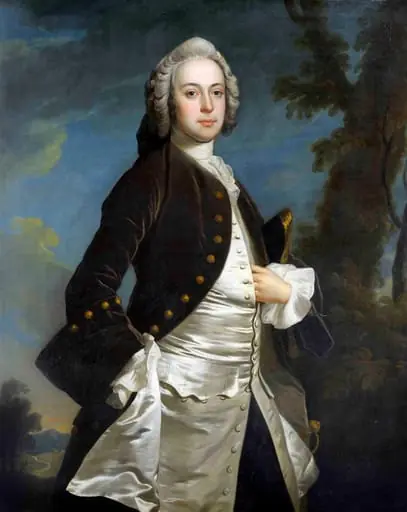
Portrait of John Rogerson
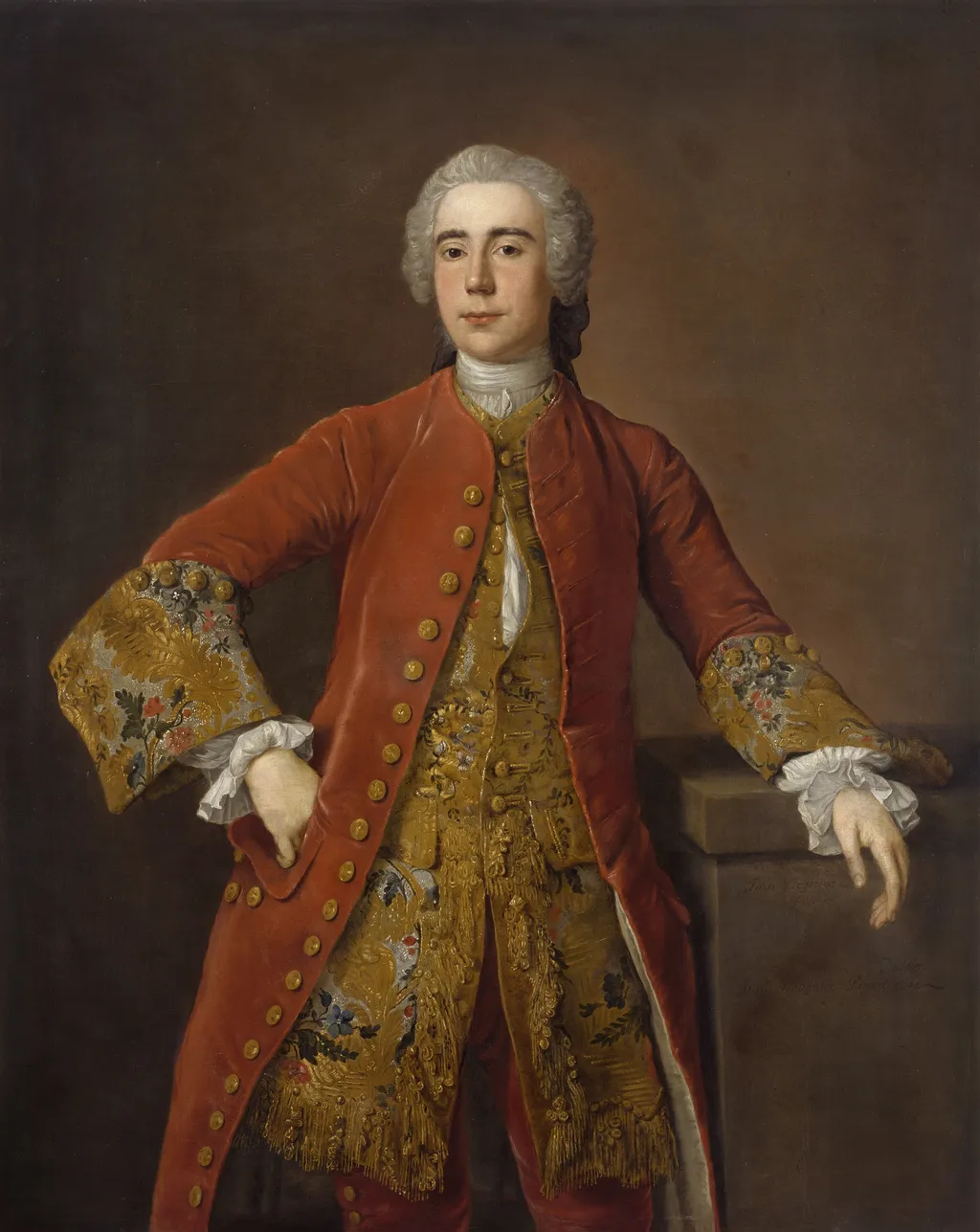
Portrait of John Rogerson is an oil painting by the Rococo painting artist Stephen Slaughter. It dates from 1741 and is held in the collection of the National Gallery of Ireland.
About this work
Overview
Painted in 1741, this oil portrait by Stephen Slaughter captures John Rogerson, a figure of social standing in early 18th-century Ireland.
Painted in 1741, this oil portrait by Stephen Slaughter captures John Rogerson, a figure of social standing in early 18th-century Ireland. Executed in the English portraiture tradition, the work reflects the refined aesthetic favored by the gentry. Slaughter, active in both England and Ireland, brought a polished, elegant style to Dublin’s artistic scene, where he influenced local taste through his commissions for affluent patrons.
Subject & Meaning
John Rogerson is depicted as a man of composure and quiet authority. His white hair and composed gaze suggest maturity and social confidence. The gesture of one hand in his pocket and the other resting on a stone ledge conveys ease, while the ornate clothing signals wealth and status. The portrait does not emphasize occupation or achievement but rather projects an image of refined gentility, typical of elite portraiture of the era.
Technique & Style
Slaughter employed soft brushwork and careful tonal gradations to render the textures of silk, lace, and stone. The rich red coat, accented with gold buttons and trim, contrasts sharply against the dark, indistinct background, drawing focus to the sitter. The lighting is subtle, modeling form without dramatic chiaroscuro, aligning with the restrained elegance of Rococo portraiture in Britain and Ireland.
History & Provenance
The painting has remained in institutional care since at least the 19th century and is now held by the National Gallery of Ireland. Its continuous presence in public collections suggests early recognition of its artistic merit. While specific ownership details before the 20th century are not well documented, its survival and preservation reflect its value to Irish cultural heritage.
Context
During the 1740s, Dublin’s elite sought to align themselves with English cultural norms, commissioning portraits that mirrored London’s fashionable styles. Slaughter, having worked extensively in Ireland, became a key conduit for this aesthetic. His portraits, like this one, helped define a visual language of gentility among Irish landowners and merchants, bridging English artistic conventions with local patronage.
Legacy
Slaughter’s work, including this portrait, contributed to the establishment of a recognizable school of portraiture in Ireland. Though less celebrated than his contemporaries in England, his output provided a model for local artists and preserved the visual identity of Ireland’s 18th-century upper class. The painting remains a representative example of cross-channel artistic influence during a period of cultural convergence.
Own this work as a print
Artist & collection
Artist
Stephen Slaughter (baptised 1697, died 1765) was an English portrait painter. He spent periods of his career in Dublin, where he introduced the English style of portrait painting.

 Portrait of Frederik Berregaard
 William Denison
 Portrait of Frederik Berregaard
 John Eld of Seighford Hall, Stafford
 Portrait of a Gentleman
 Portrait of Jan Jacek Tarnowski (1729–1808), Starost of Kahorlice and Byszów
 Adolf Fredrik (1710-1771), king of Sweden, duke of Holstein-Gottorp, prince bishop of Lübeck, married to Lovisa Ulrika of Prussia
 Portrait of a Gentleman
 Alexander Grant
 Robert d’Arcy, 4th Earl of Holderness
 William Wragg
 Portretul unui tânăr