Artwork
H Beard Print Collection
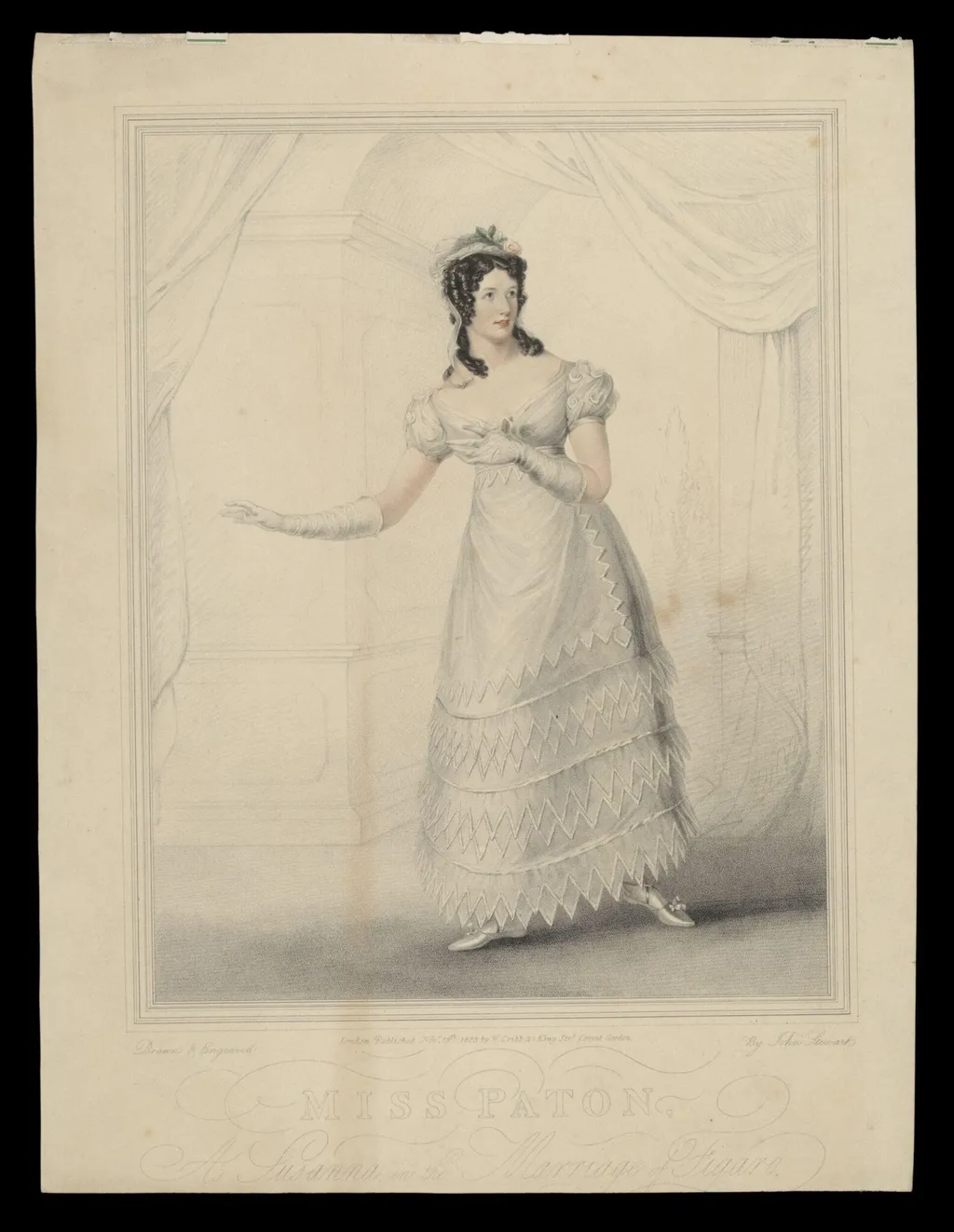
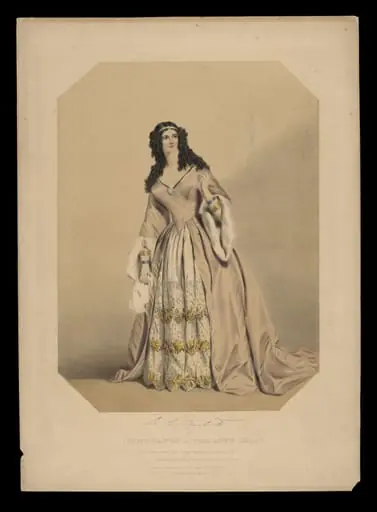
H Beard Print Collection is a print by the Romanticist artist J. Stewart. It dates from 18 and is held in the collection of the Victoria and Albert Museum. This hand-colored stipple print, published on 18 November 1823 by W.
About this work
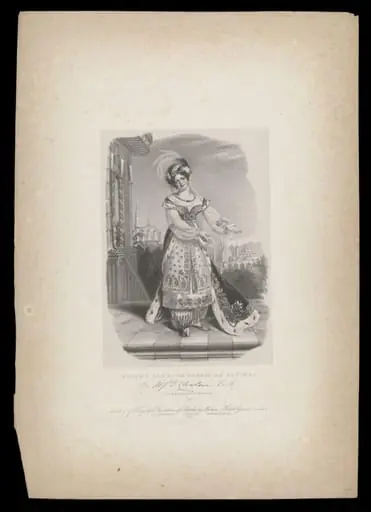
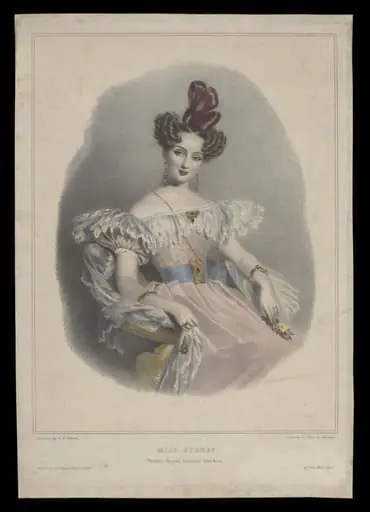
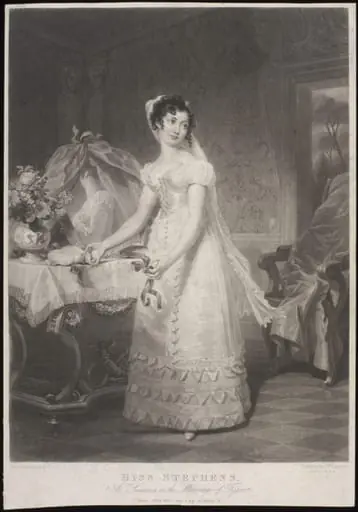
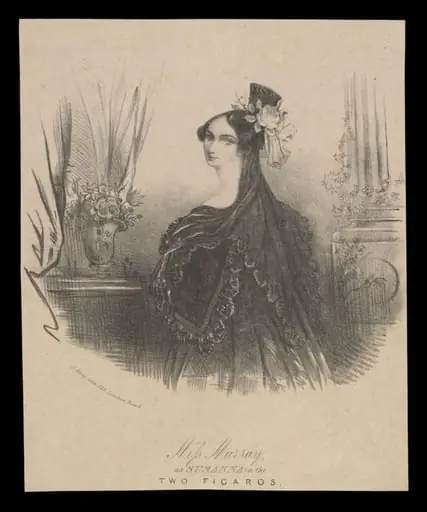
This is a hand-colored stipple print from 1823. It shows a portrait of Miss Paton as Susanna from *The Marriage of Figaro*. The artist used tiny dots to create shades and tones.
The print is part of the Harry Beard Collection. It was published by W. Cribb the same year.
Check out the Victoria and Albert Museum to see this print and other Romantic works.
Overview
Executed in the stipple technique—using fine dots to model form and light—it reflects the popular theatrical portraiture of the early 19th century.
This hand-colored stipple print, published on 18 November 1823 by W. Cribb, depicts the actress Miss Paton in the role of Susanna from Mozart’s opera *The Marriage of Figaro*. Executed in the stipple technique—using fine dots to model form and light—it reflects the popular theatrical portraiture of the early 19th century. The work is part of the Harry Beard Collection, now held at the Victoria and Albert Museum.
Subject & Meaning
Miss Paton, a celebrated performer of the era, is portrayed as Susanna, the clever and resourceful maid in Beaumarchais’s comedic opera. The image captures her in a moment of poised elegance, aligning with the character’s wit and social navigation. As a theatrical portrait, it served both as commemoration and advertisement, reinforcing the public’s fascination with stage personalities during the Romantic period.
Technique & Style
The print employs stippling—a method of applying ink in minute dots to create gradations of tone—common in portraiture before the widespread use of lithography. Hand-coloring was added after printing, enhancing facial features and fabric details with subtle washes. The delicate texture and restrained palette reflect the period’s preference for refined, intimate representation over bold dramatic effects.
History & Provenance
Produced by publisher W. Cribb in London in 1823, the print was likely sold as a keepsake to opera-goers. It entered the Harry Beard Collection, assembled by a noted theatre enthusiast, and was later acquired by the Victoria and Albert Museum. Its preservation reflects the growing institutional interest in ephemeral theatrical materials during the late 19th and early 20th centuries.
Context
In the 1820s, London’s theatre scene thrived with adaptations of French comedies, and *The Marriage of Figaro* remained a staple. Portraits of leading performers like Miss Paton were widely circulated, bridging live performance and domestic culture. Stipple prints offered an affordable, detailed alternative to oil paintings, catering to middle-class audiences seeking cultural connection.
Legacy
The print endures as a record of early 19th-century theatrical culture and printmaking practice. It illustrates how performance, print, and public taste intersected in an age before photography. Today, it contributes to scholarly understanding of how stage identities were constructed and consumed, preserving the visibility of actors who shaped Romantic-era entertainment.
Artist & collection
Artist
Printmaker from the early 1800s, J. Stewart made single-sheet satirical prints for London shop windows and tavern walls. Two survive in the H Beard Collection: one from November 18, 1823 mocking election-night crowds…