Artwork
H Beard Print Collection
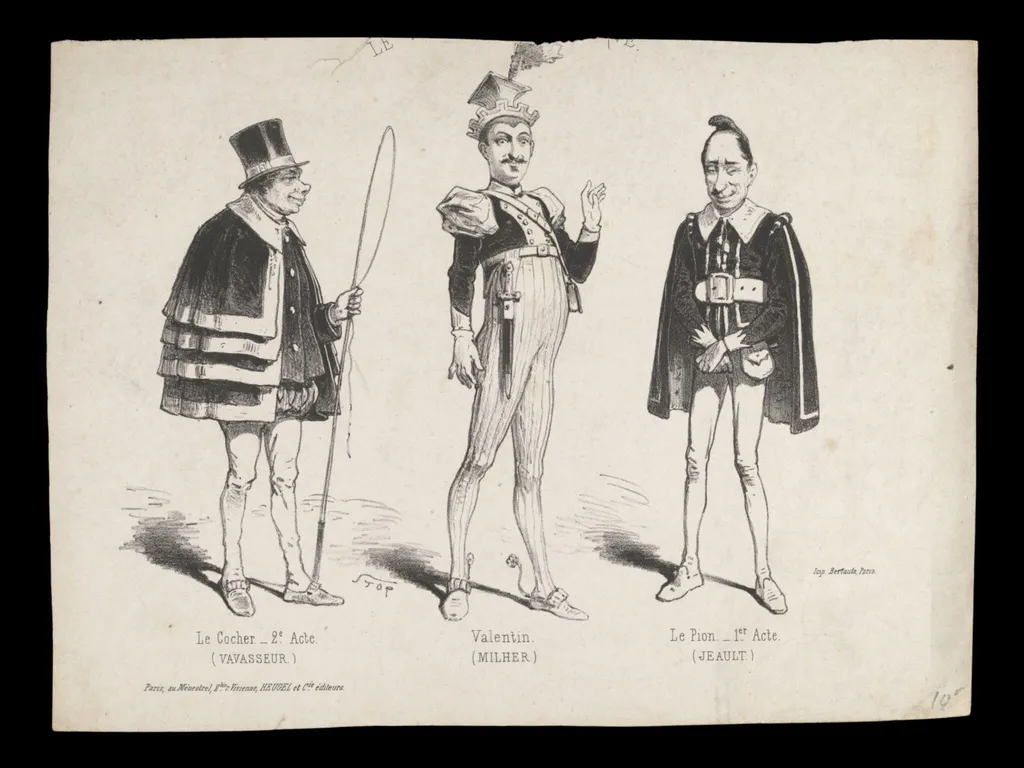
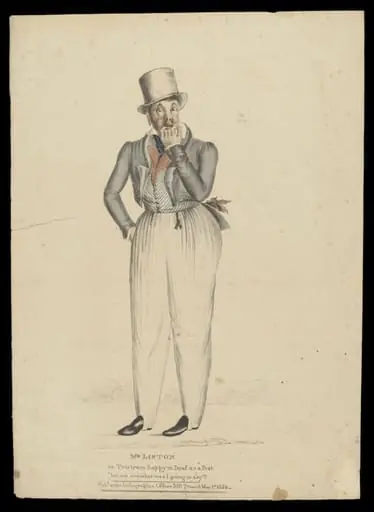
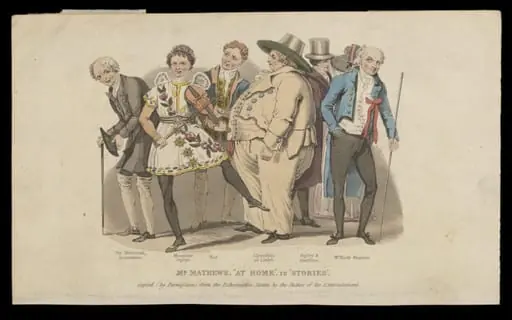
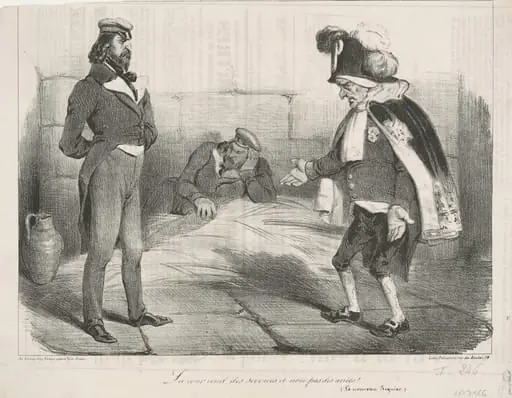
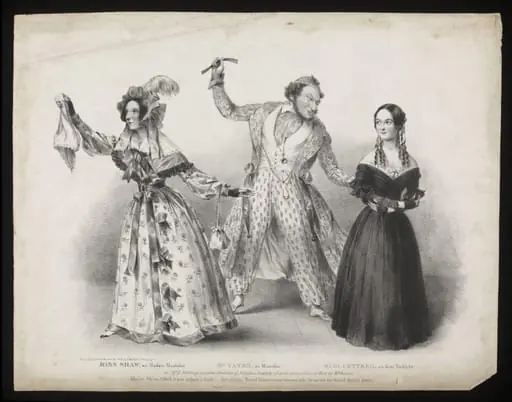
H Beard Print Collection is a print by Stop. It dates from 1850 and is held in the collection of the Victoria and Albert Museum. A lithographic print from the French newspaper Le Charivari depicts three actors in character from the comic opera Le Petit Faust by Hervé.
About this work
Overview
A lithographic print from the French newspaper Le Charivari depicts three actors in character from the comic opera Le Petit Faust by Hervé. The figures are portrayed mid-performance, capturing the theatrical energy of the piece as it was staged in the mid-19th century. The print served as both entertainment and cultural documentation for readers of the periodical.
Subject & Meaning
The characters—Le Cocher (played by Vavasseur), Milher (Valentin), and Le Pion (Jeault)—represent archetypal comic figures from Hervé’s satirical opera.
The characters—Le Cocher (played by Vavasseur), Milher (Valentin), and Le Pion (Jeault)—represent archetypal comic figures from Hervé’s satirical opera. Their exaggerated poses and expressions reflect the opera’s parody of grand opera conventions, using absurdity to mock social pretensions. The print freezes a moment of theatrical farce, emphasizing the performers’ roles as vehicles of humor rather than dramatic depth.
Technique & Style
Executed in lithography, the print employs bold outlines and tonal contrasts typical of illustrated newspapers of the era. The figures are rendered with caricatured features and dynamic gestures, prioritizing immediate recognition over naturalism. Background details are minimal, directing focus to the actors’ expressions and interactions, a hallmark of journalistic illustration in mid-1800s France.
History & Provenance
The print was published in Le Charivari, a prominent satirical weekly known for its political and cultural commentary through visual humor. It dates to the opera’s initial run in the 1860s, when the work enjoyed widespread popularity. As a mass-produced image, it circulated widely, anchoring the opera’s characters in public consciousness beyond the stage.
Context
Le Petit Faust premiered in 1869 as a burlesque take on Goethe’s Faust, blending operatic parody with contemporary satire. Le Charivari regularly featured illustrations of popular theatrical productions, reinforcing public engagement with the arts through accessible imagery. This print reflects the era’s blending of high culture and popular entertainment, mediated by the press.
Legacy
Though the opera itself faded from regular performance, the print endures as a record of 19th-century French theatrical culture. It exemplifies how illustrated newspapers shaped public perception of performance art, preserving fleeting stage moments in durable form. Today, it serves as a primary source for understanding the intersection of theater, print media, and popular satire in the period.
Artist & collection
Artist
This 19th-century printmaker drew humorous scenes of city life, selling them as single sheets to everyday buyers.

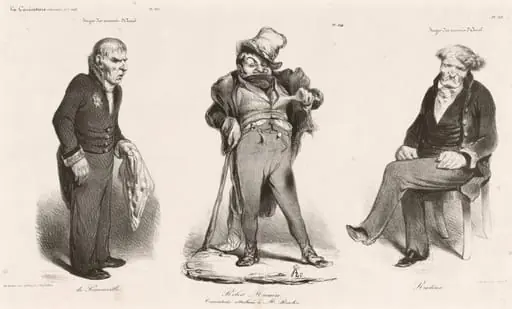 Huguet de Sémonville - Robert Macaire (Thiers) - Comte Roederer
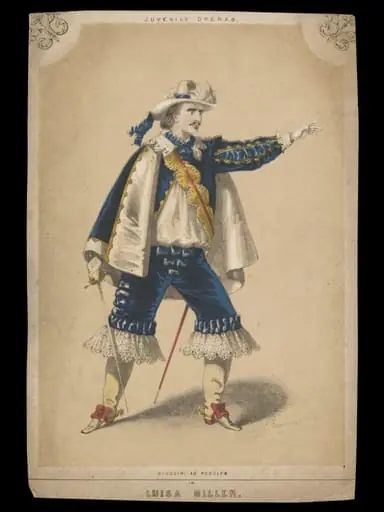 H Beard Print Collection
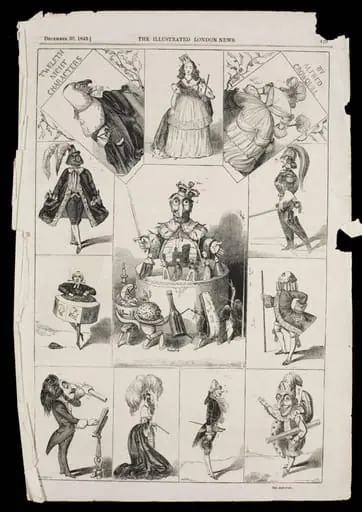 George Speaight Punch & Judy Collection
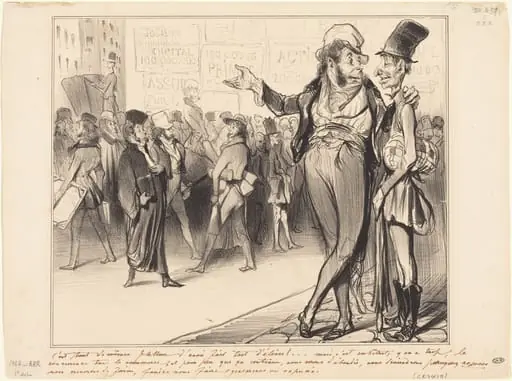 C'est tout de même flatteur d'avoir fait tant d'élèves!...
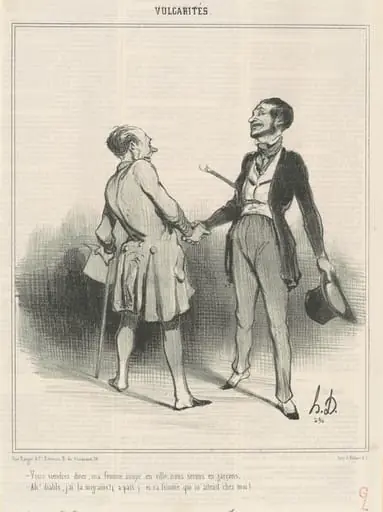 Vous viendrez diner, ma femme soupe en ville ...
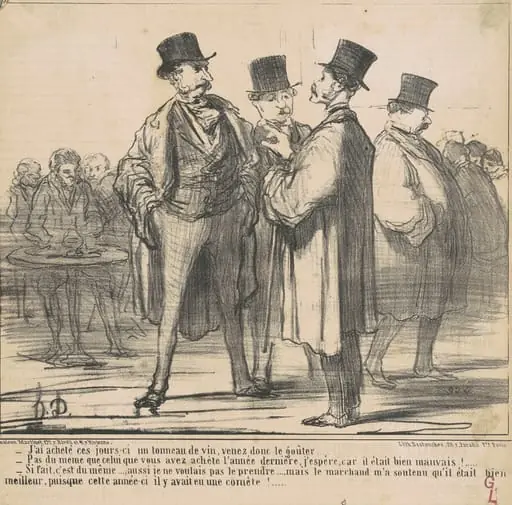 J'ai acheté ... un tonneau de vin ...
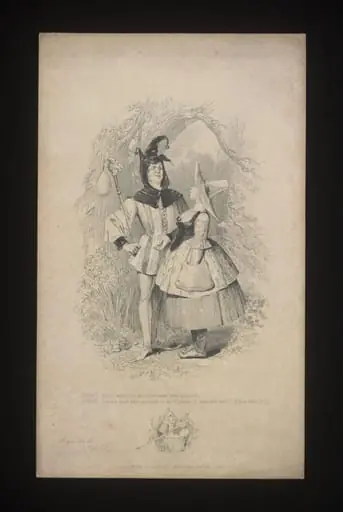 As You Like It
 H Beard Print Collection
 H Beard Print Collection
 La cour rend des services et non pas des arrêts!
 H Beard Print Collection
 H Beard Print Collection