Artwork
Meren allegoria
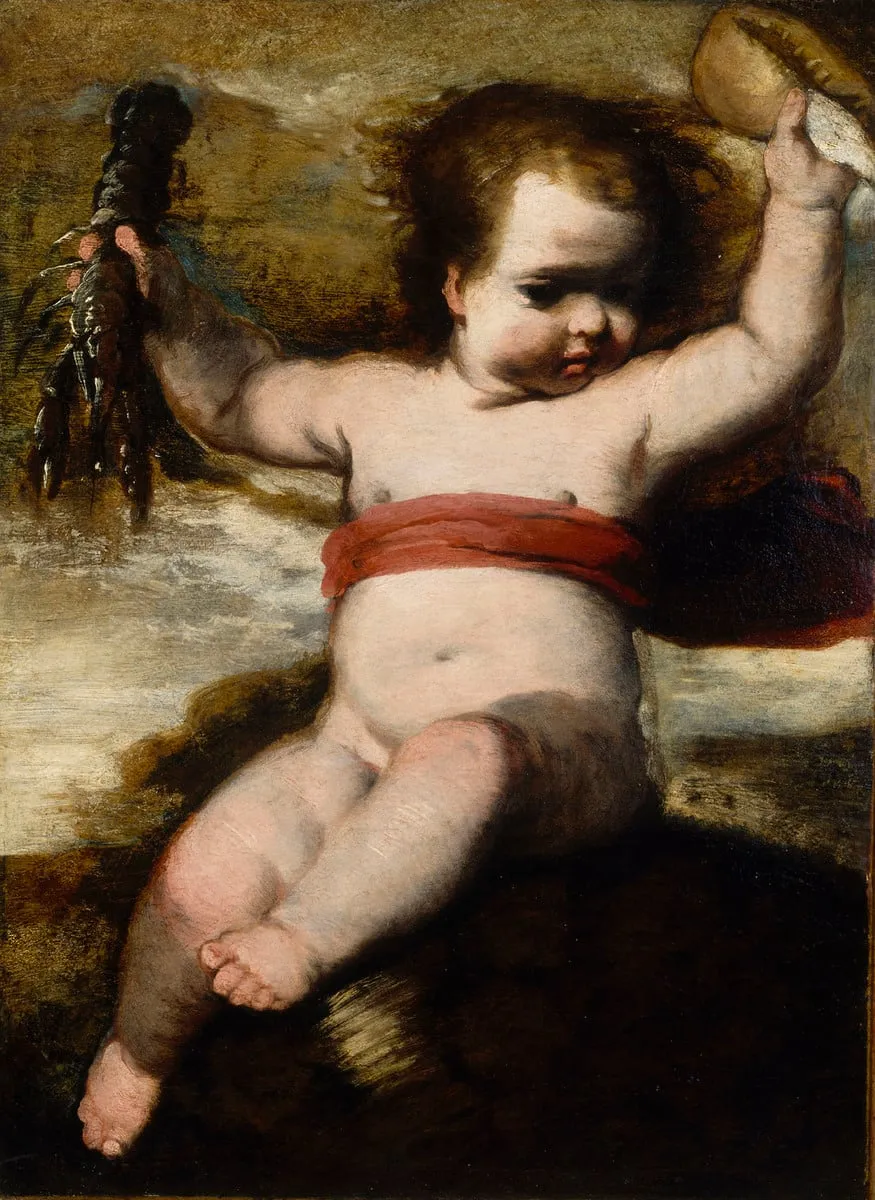
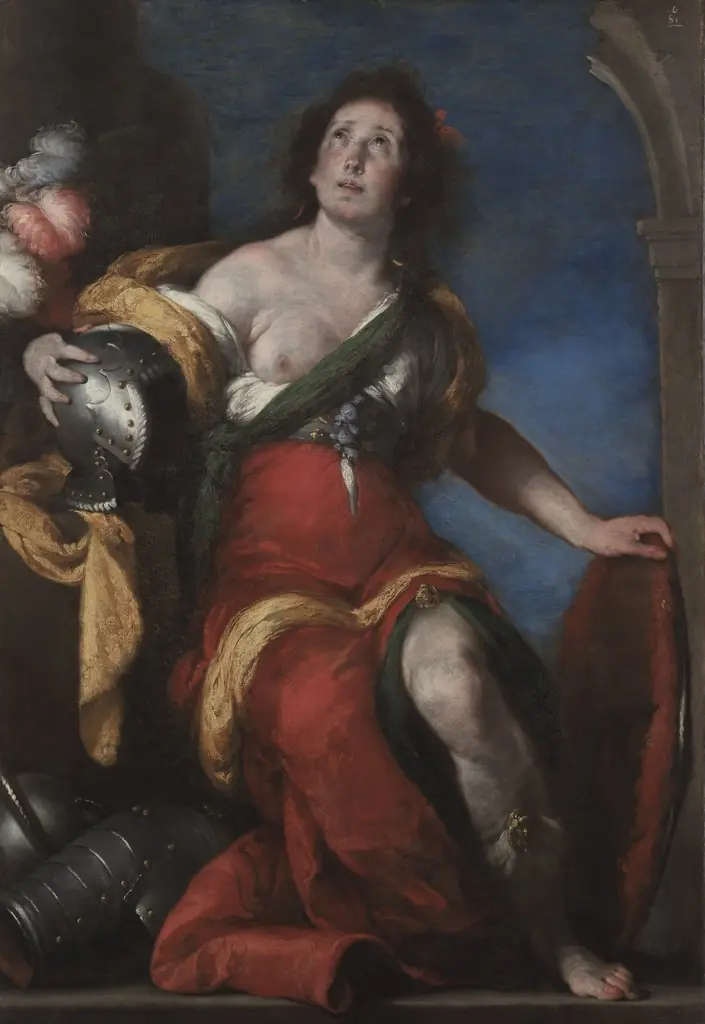
Meren allegoria is an unspecified painting by Bernardo Strozzi. It dates from 1643 and is held in the collection of the Finnish National Gallery.
About this work
Overview
This piece exemplifies his mature style, marked by emotional restraint and a refined use of light and color to convey abstract ideas through visual metaphor.
Painted around 1643 by Bernardo Strozzi, *Meren allegoria* is an allegorical composition that reflects the artist’s engagement with symbolic narratives. Strozzi, known for his work in both Genoa and Venice, blended religious, historical, and allegorical themes with a distinctive Baroque sensibility. This piece exemplifies his mature style, marked by emotional restraint and a refined use of light and color to convey abstract ideas through visual metaphor.
Subject & Meaning
The central figure is a serene woman, not a portrait but a personification of an abstract concept, likely tied to virtue, contemplation, or wisdom. Surrounding her are carefully arranged objects—books, vessels, textiles—each carrying symbolic weight. These elements form a visual language meant to communicate moral or philosophical ideals, consistent with early modern allegorical traditions that favored quiet dignity over dramatic spectacle.
Technique & Style
Strozzi employed a soft modeling of forms and a luminous palette to create depth and atmosphere. His brushwork balances precision with fluidity, avoiding harsh outlines in favor of subtle transitions between light and shadow. While not strictly sfumato in the Leonardo sense, his handling of tone echoes that technique’s quiet blending, enhancing the painting’s introspective mood and tactile realism.
History & Provenance
Created during Strozzi’s Venetian period, the painting emerged from a time when the city’s artistic circles were redefining Baroque expression through emotional nuance and rich color. Its early ownership is undocumented, but its survival suggests it was valued by private collectors or religious institutions sympathetic to allegorical themes. It remains a rare example of Strozzi’s non-religious allegorical work.
Context
In mid-17th century Venice, allegory was a favored vehicle for expressing intellectual and moral ideas without overt religious dogma. Strozzi’s work responded to broader trends in Northern Italian painting, where artists merged Caravaggesque naturalism with Venetian chromatic richness. *Meren allegoria* reflects this synthesis, positioning the figure within a contemplative space that invites quiet reflection rather than public declaration.
Legacy
Though less widely known than his religious scenes, *Meren allegoria* contributes to understanding Strozzi’s versatility and his role in expanding the expressive range of Venetian Baroque painting. It stands as a quiet testament to the period’s interest in symbolic representation, influencing later artists who sought to convey complex ideas through composed, intimate scenes rather than grand narratives.
Artist & collection
Artist
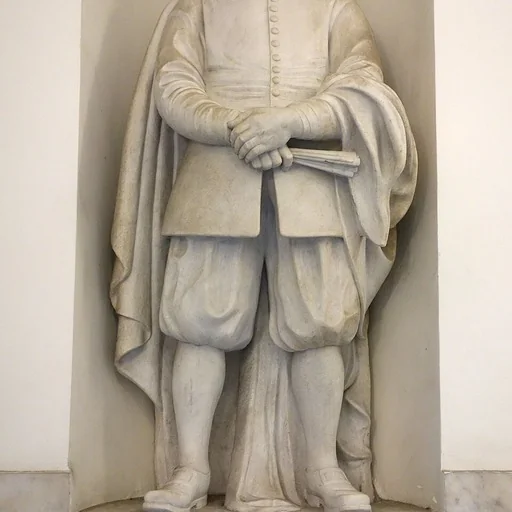
Bernardo Strozzi, named il Cappuccino and il Prete Genovese (c. 1581 – 2 August 1644), was an Italian Baroque artist who was a painter and engraver. A canvas and fresco artist, his wide subject range included history,…

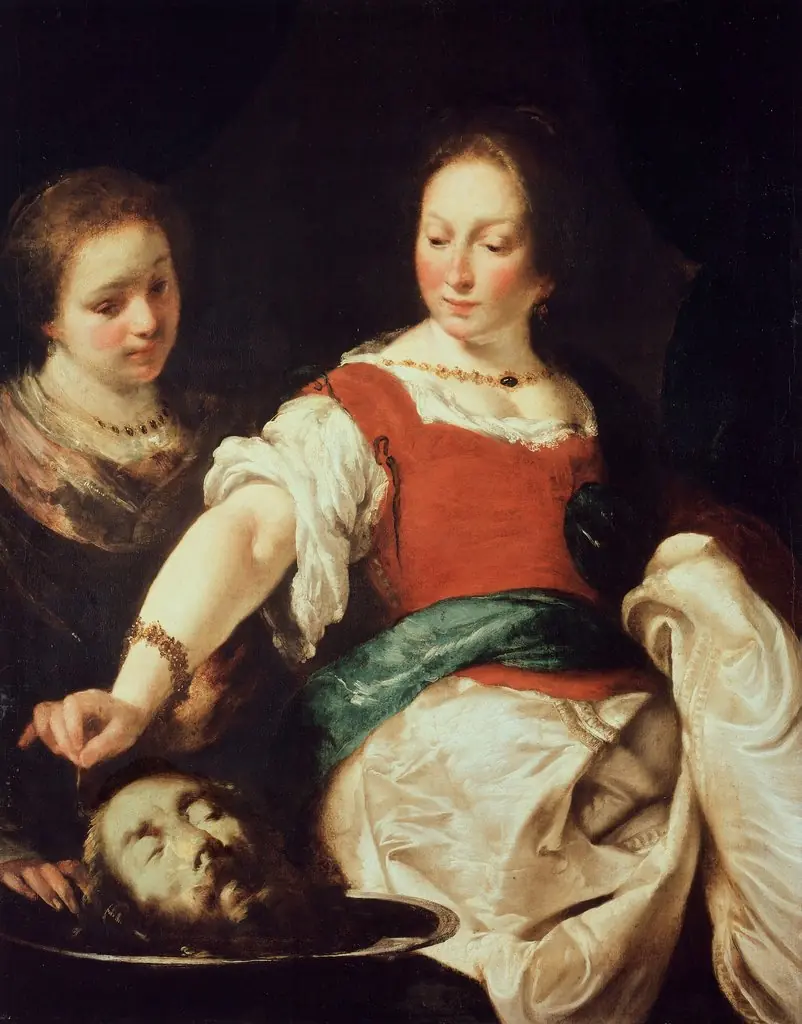
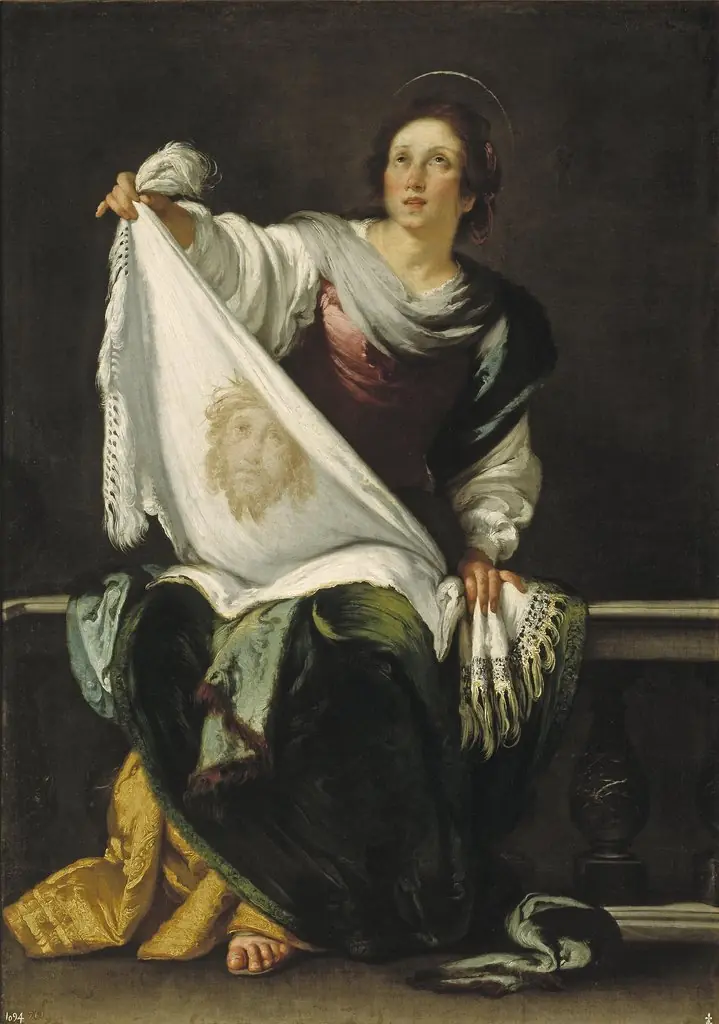
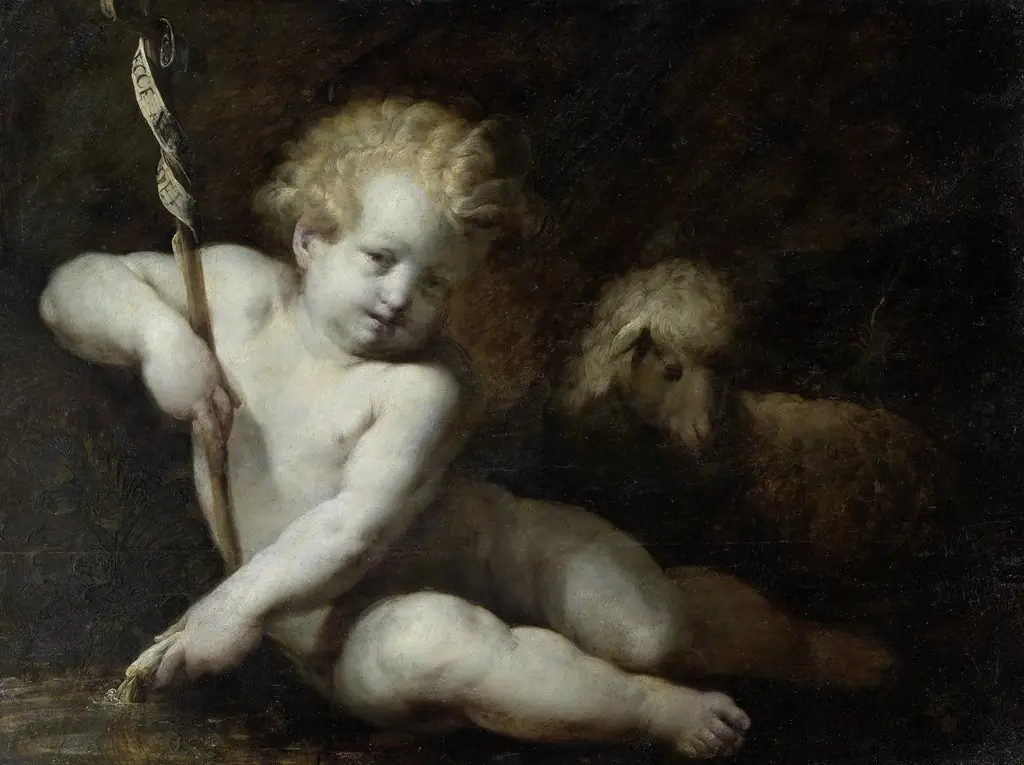 Young St. John
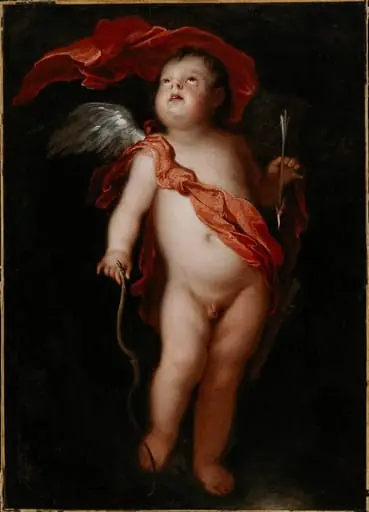 Amor jousineen
 Christ Child as Redeemer
 Cupid
Cupid El Niño Jesús y San Juan
 Virgin and Child
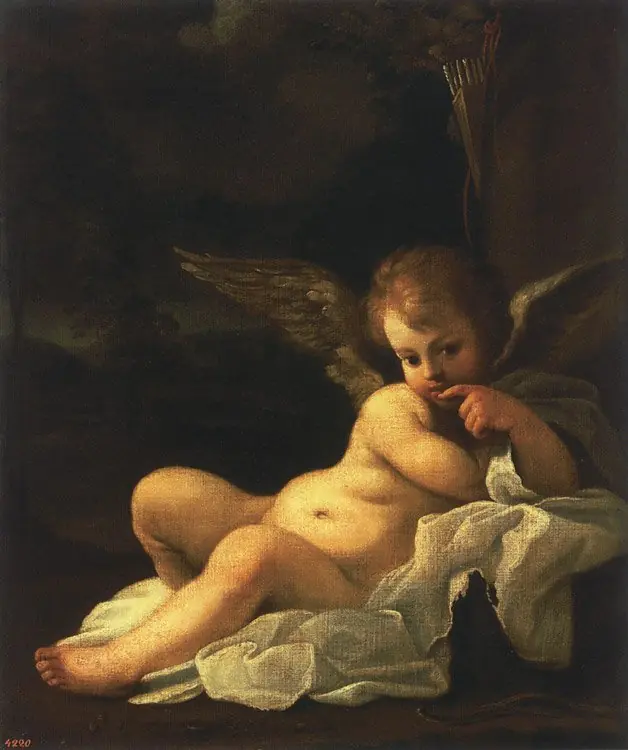 Cupid in a Landscape
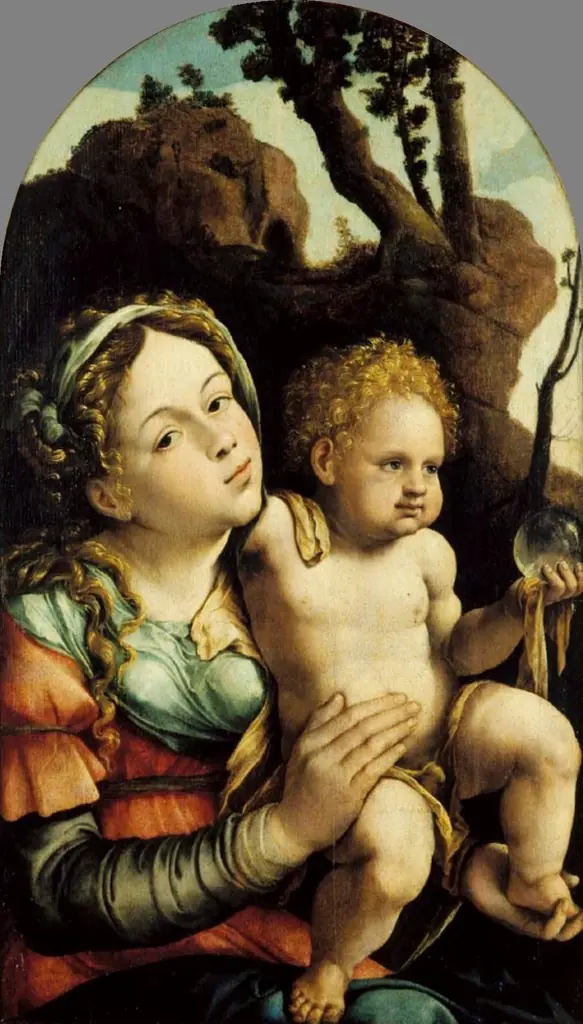 A Virgem Maria com o Menino Jesus
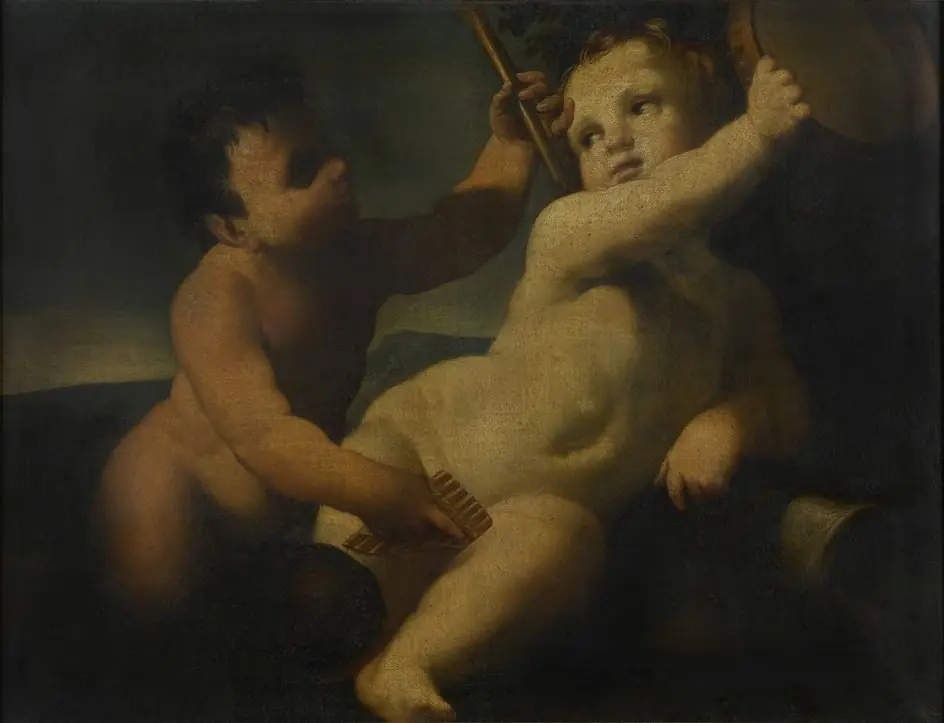 A Putto with a Tambourine and an Infant Satyr with a Panpipe
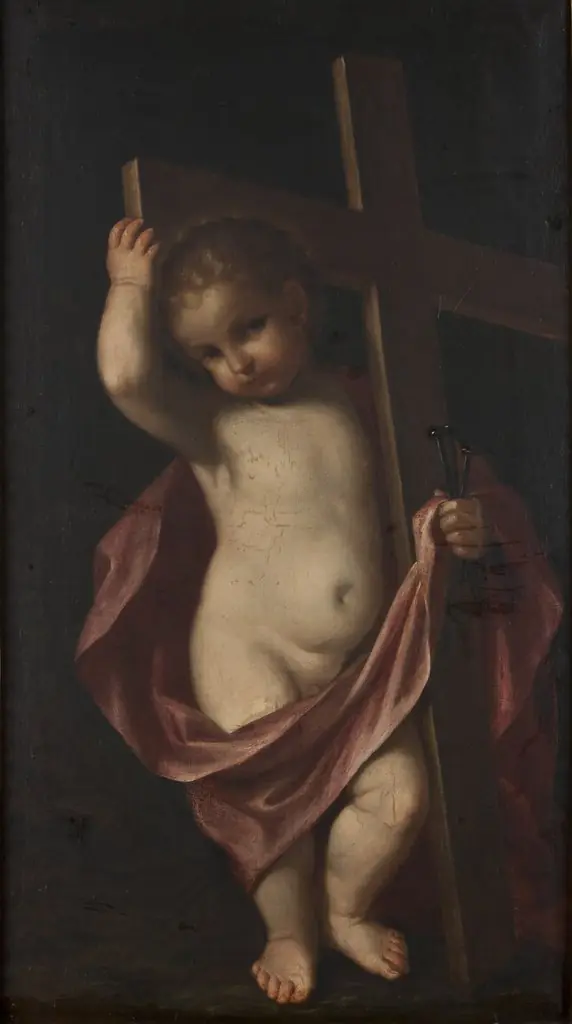 The Christ Child Holding the Cross
 Allegory of Spring
 The Christ Child Sleeping on the Cross