Artwork
A Putto with a Tambourine and an Infant Satyr with a Panpipe
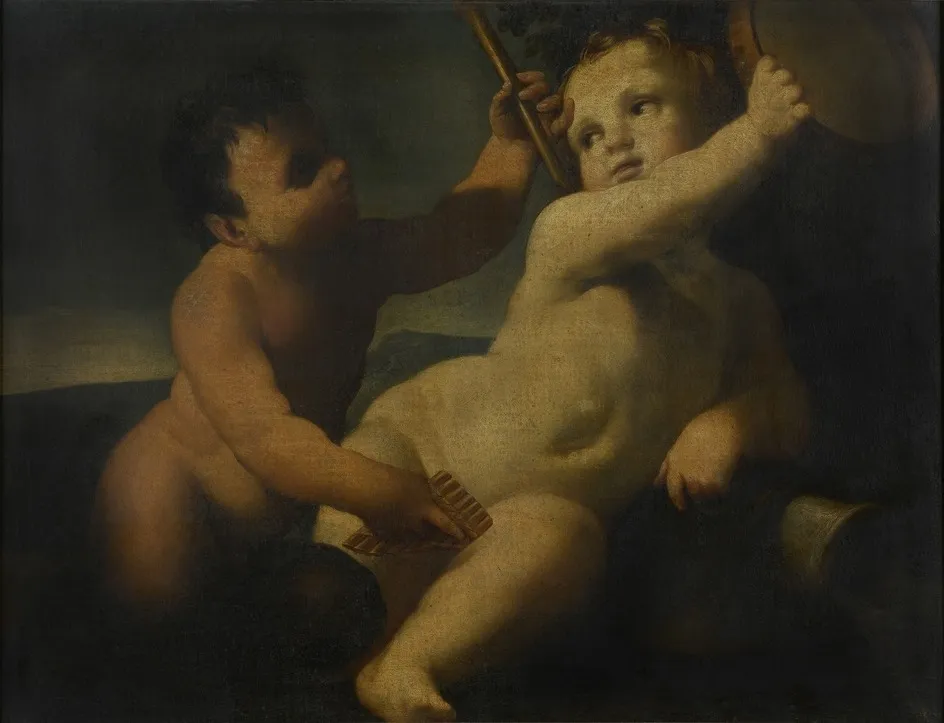
A Putto with a Tambourine and an Infant Satyr with a Panpipe is an oil painting by Carlo Cignani. It dates from 1678 and is held in the collection of the Ashmolean Museum.
About this work
Overview
Carlo Cignani’s oil painting, dated circa 1678, presents a tender scene of two infant figures—a putto holding a tambourine and a young satyr clutching a panpipe. Set against a deep, shadowed backdrop, the composition draws the eye to the illuminated bodies, emphasizing their delicate interaction and the subtle play of light across their flesh.
Subject & Meaning
The work juxtaposes a carefree, smiling putto with a more solemn infant satyr, suggesting a contrast between innocence and the nascent, mythic world of the satyr. Their shared musical instruments hint at harmony and the timeless theme of music as a bridge between the divine and the earthly, a common motif in Baroque allegory.
Technique & Style
Cignani employs a refined chiaroscuro, using strong contrasts to model the figures and create a sense of three‑dimensionality. The soft modeling of flesh and the gentle, almost pastel palette reflect his “new manner,” a shift toward quieter, more intimate moods within the Bolognese classicist tradition, anticipating later developments by Reni and Guercino.
History & Provenance
Created near the end of Cignani’s career, the painting entered the Ashmolean Museum’s collection, where it remains on display. Its acquisition reflects the museum’s focus on Baroque Italian art and provides a representative example of the artist’s late style, linking it to the broader narrative of 17th‑century Bolognese painting.
Artist & collection
Artist
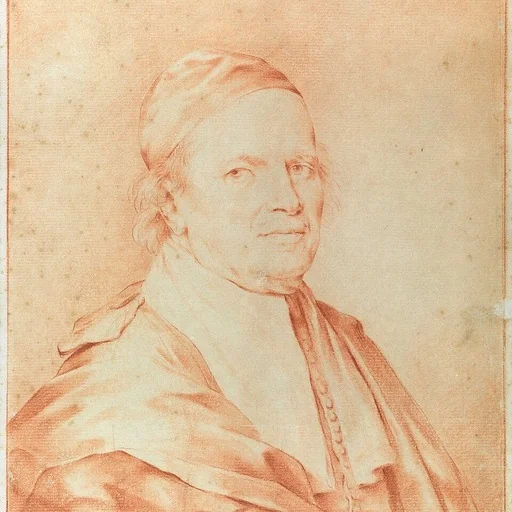
Carlo Cignani (Italian pronunciation: ; 15 May 1628 – 8 September 1719) was an Italian painter.

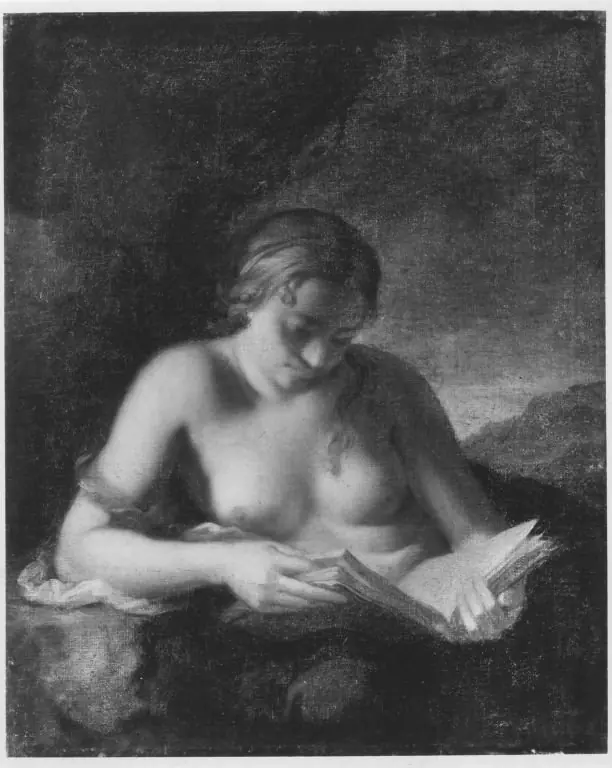
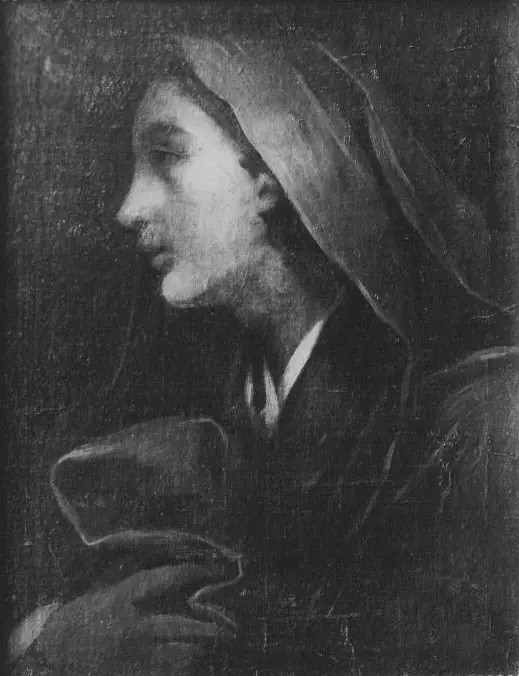
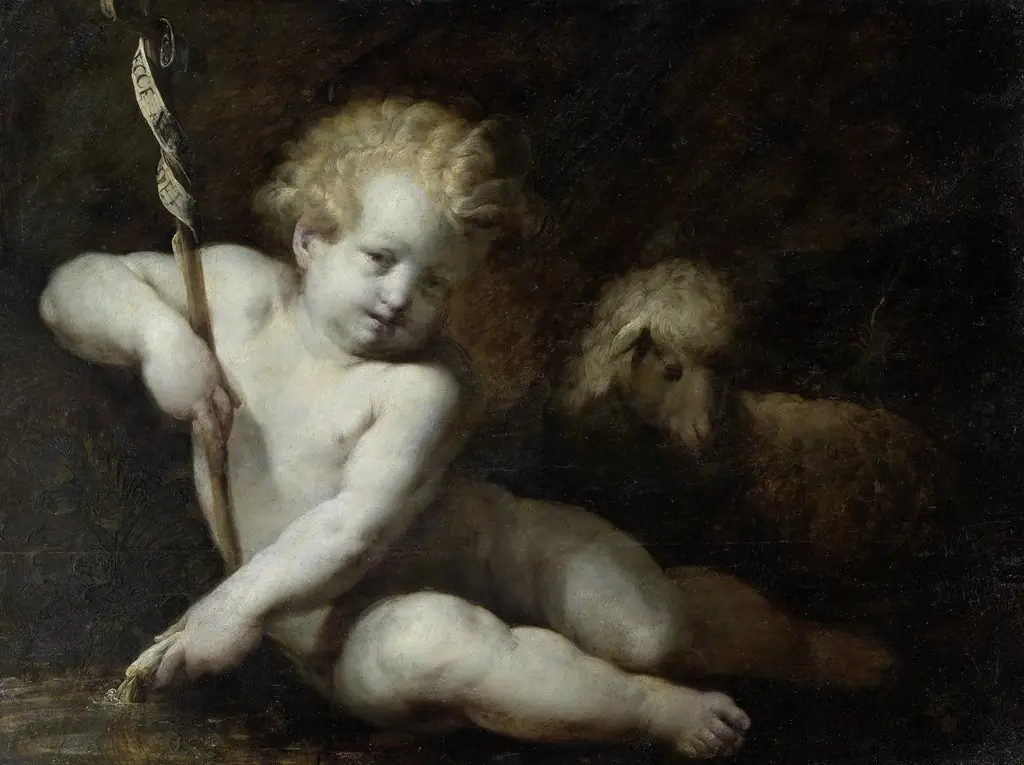 Young St. John
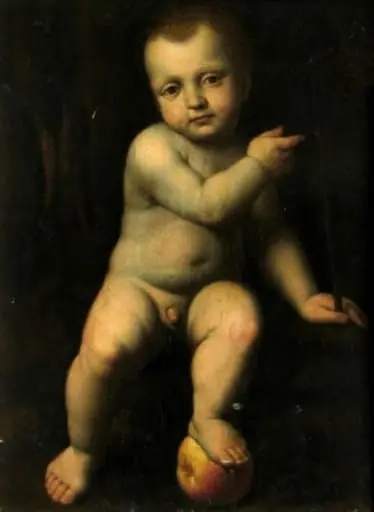 Salvator mundi (în registrul inventar: Micul Isus)
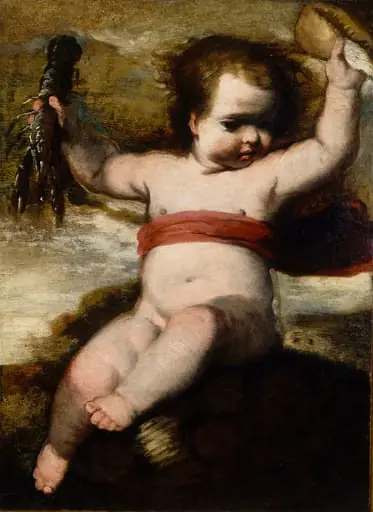 Meren allegoria
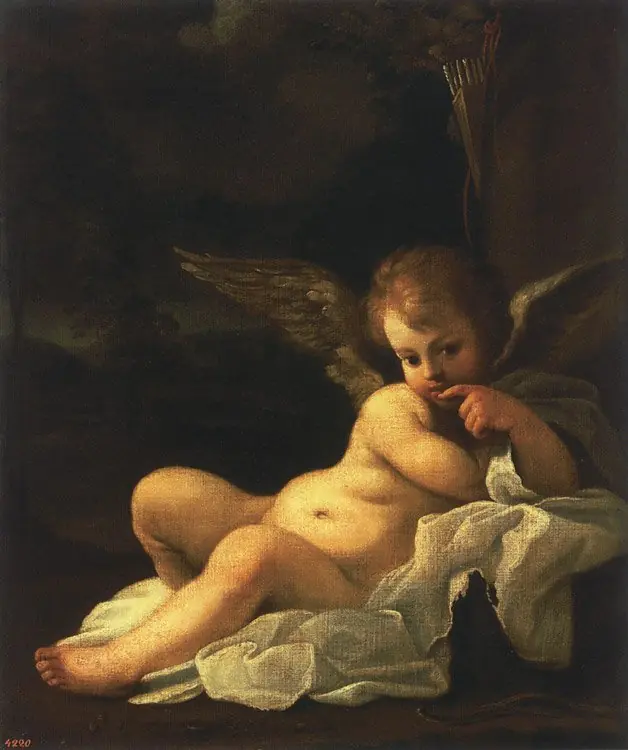 Cupid in a Landscape
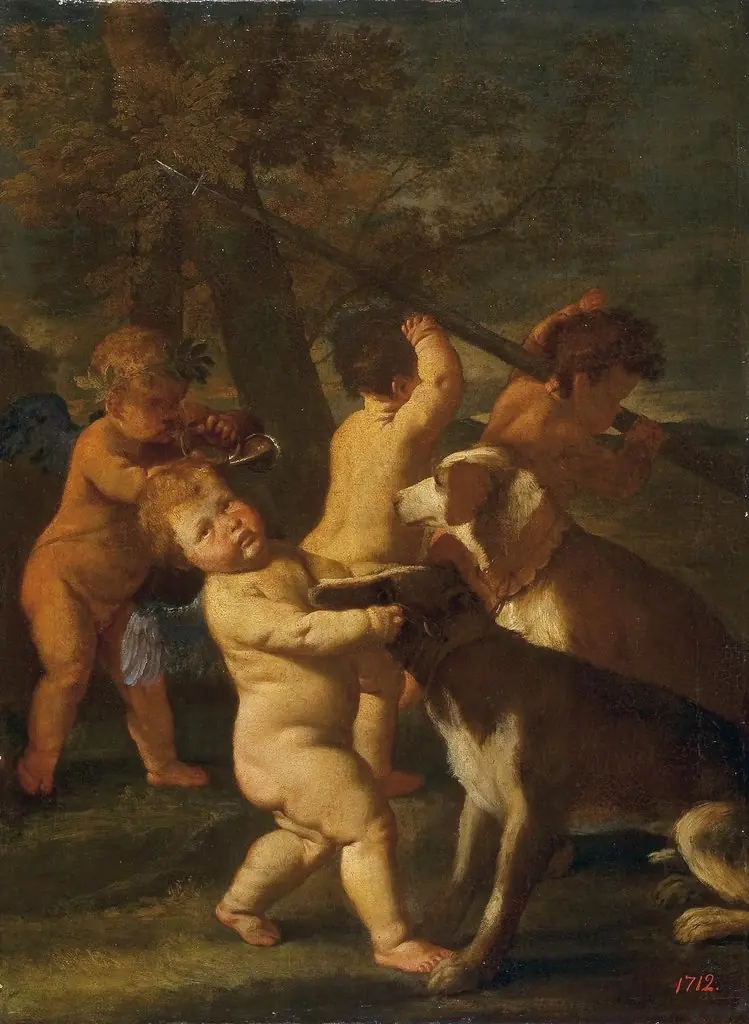 Cupids Hunting
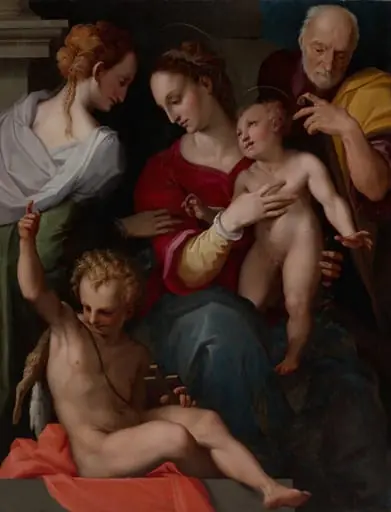 Holy Family with the Mystic Marriage of Saint Catherine
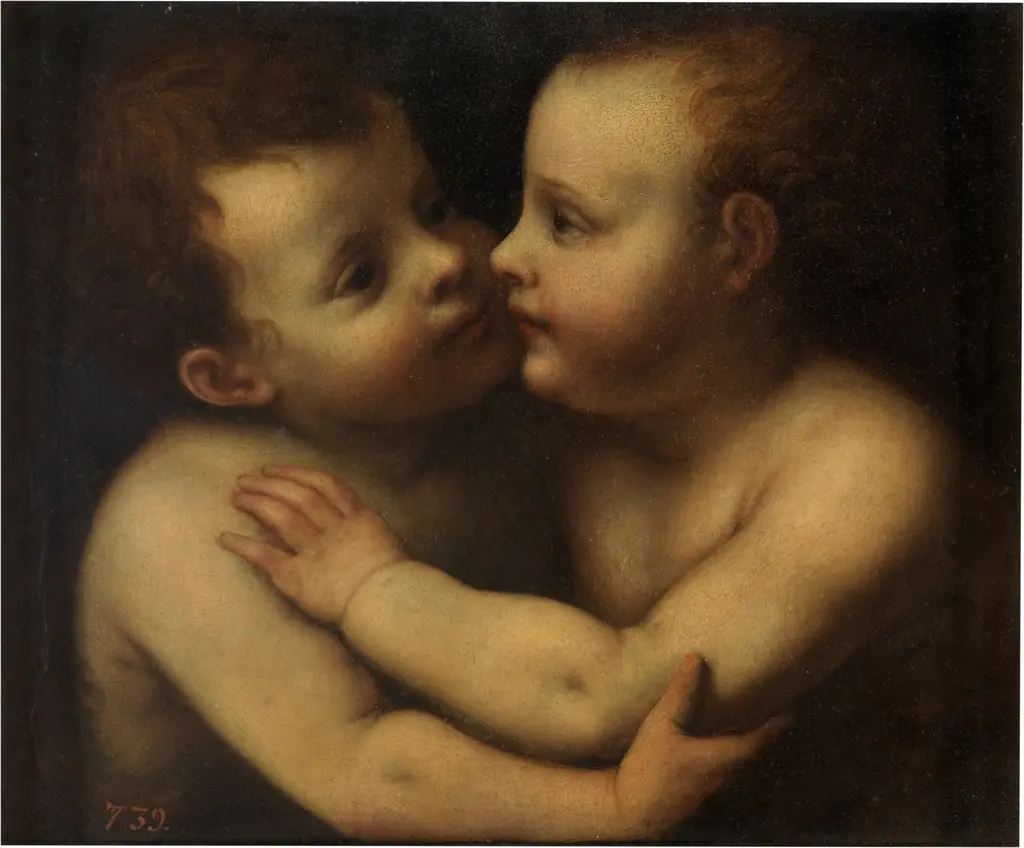 The Infant Christ and St John the Baptist
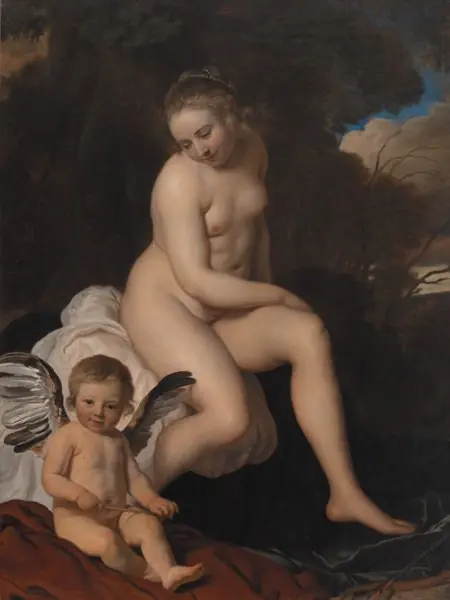 Venus and Cupid
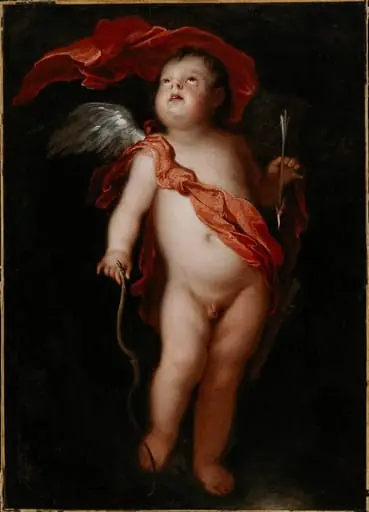 Amor jousineen
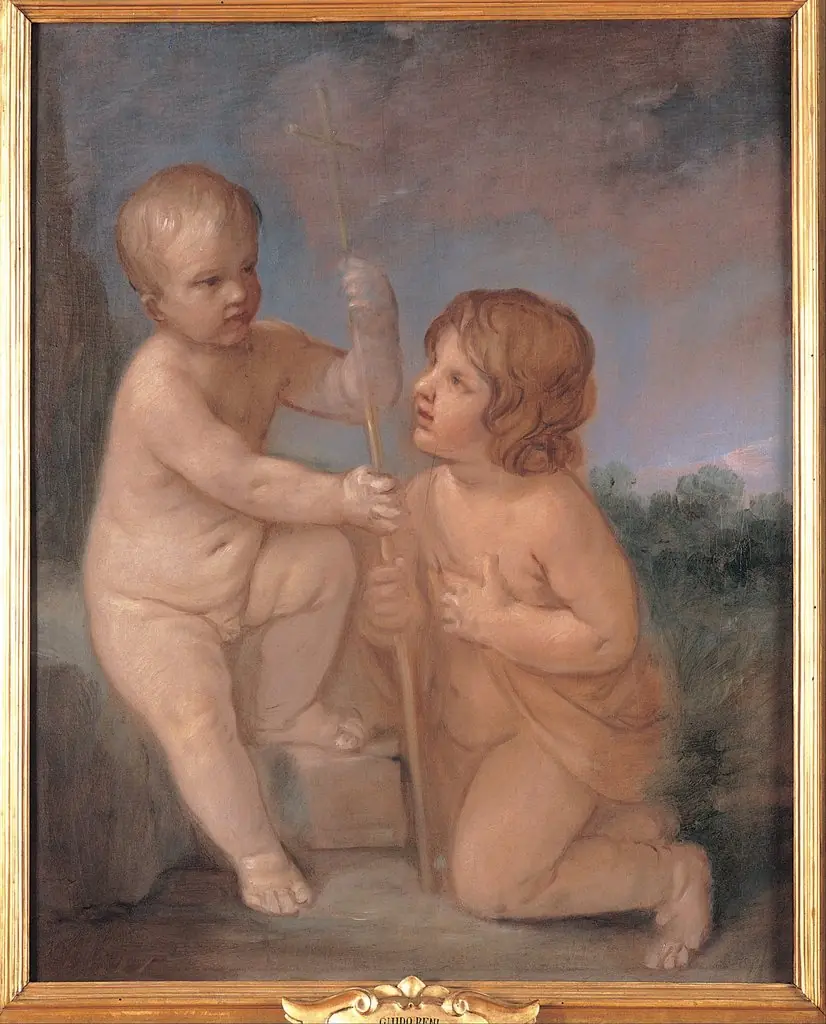 The infant Jesus and St. John
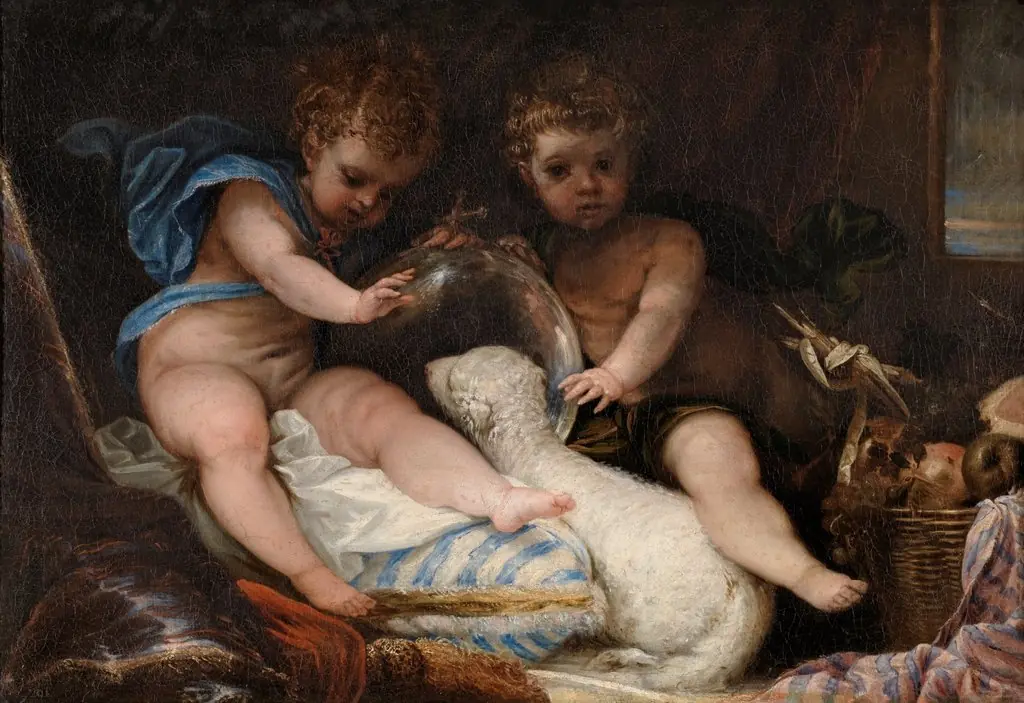 El Niño Jesús y San Juan
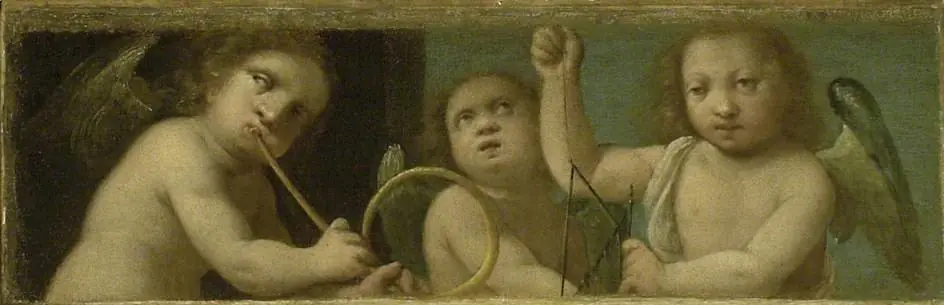 Three Putti with Musical Instruments