Artwork
Wild Duck Kōan
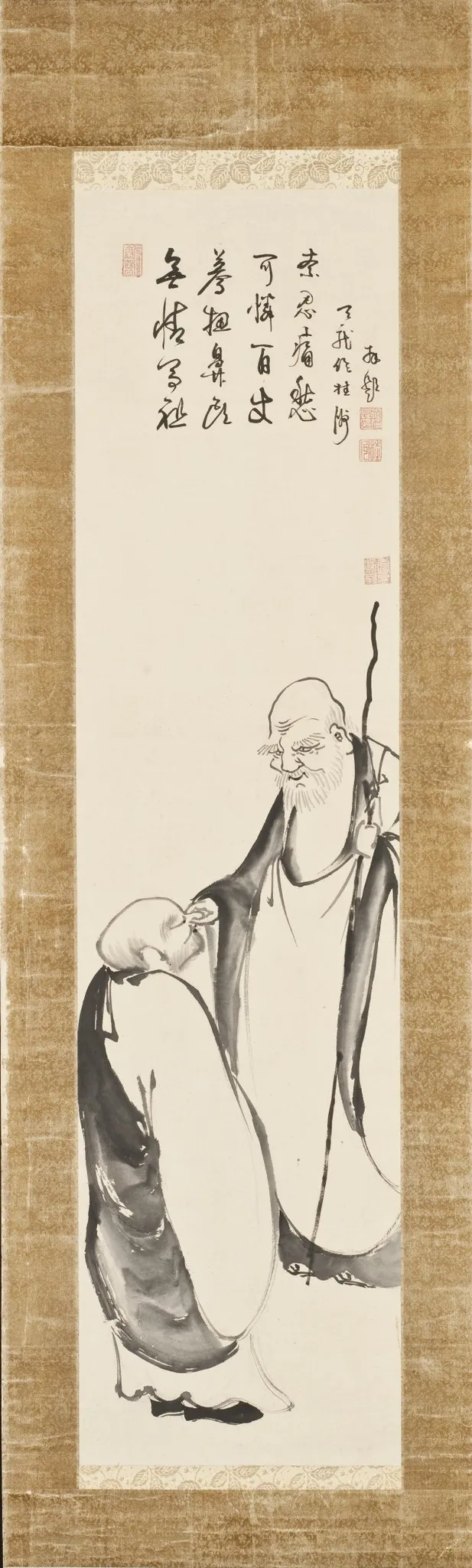
Wild Duck Kōan is an unspecified painting by the Rococo painting artist Suiō Genro. It dates from 1774 and is held in the collection of the Los Angeles County Museum of Art.
About this work
Overview
The painting resides in the collection of the Los Angeles County Museum of Art, where it is recognized as an example of Edo-period Zen-inspired art.
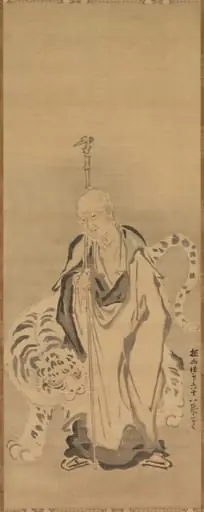
Painted in 1774 by Suiō Genro, Wild Duck Kōan is a monochrome ink work on paper depicting a solitary monk. The composition is minimal, with no landscape or contextual elements, focusing entirely on the figure. The painting resides in the collection of the Los Angeles County Museum of Art, where it is recognized as an example of Edo-period Zen-inspired art. Its restrained aesthetic reflects the spiritual discipline central to its subject.
Subject & Meaning
The monk portrayed is likely a Zen practitioner, embodying stillness and introspection. His downward gaze and serene expression suggest inner contemplation, aligning with kōan practice—the use of paradoxical questions to transcend logical thought. The staff, a traditional symbol of pilgrimage and spiritual authority, reinforces his role as a seeker. The absence of background emphasizes the internal nature of the journey, not the external world.
Technique & Style
Executed in ink on paper, the painting employs subtle gradations of tone to model the monk’s robe, suggesting volume without heavy shading. The flowing lines of the garment are rendered with controlled brushwork, capturing both weight and movement. The staff is drawn with precise, linear economy. The creamy paper ground serves as a neutral field, allowing the dark ink forms to dominate, characteristic of monochrome Zen painting traditions.
History & Provenance
Created during the late Edo period, the work reflects the continued influence of Chinese Chan Buddhist painting in Japanese monastic circles. Suiō Genro, a monk-artist active in Kyoto, produced works for temple and scholarly audiences. The painting entered LACMA’s collection through documented acquisitions in the 20th century, though its earlier ownership history remains largely unrecorded beyond its association with Zen circles.
Context
In 18th-century Japan, Zen Buddhism maintained a quiet presence among literati and monastic communities, fostering art that valued silence and suggestion over narrative. Paintings like Wild Duck Kōan were not decorative but meditative tools, used in private contemplation. The genre drew from earlier Chinese masters like Liang Kai, adapting their austere style to Japanese spiritual sensibilities without overt symbolism.
Legacy
Suiō Genro’s work remains a quiet reference in studies of Edo-period Zen art, valued for its restraint and spiritual clarity. While not widely exhibited, Wild Duck Kōan contributes to understanding how Zen ideals were visually encoded in ink painting. Its endurance in museum collections underscores its role as a bridge between religious practice and artistic expression in pre-modern Japan.
Artist & collection
Artist
A Japanese painter of the late Edo period, Suiō Genro is known for bird-and-flower scenes that feel both sharp and serene.

 Untitled
 明 傳仇英 十六羅漢圖 卷|The Sixteen Luohans
 白隠慧鶴筆 達磨像|Portrait of Bodhidharma
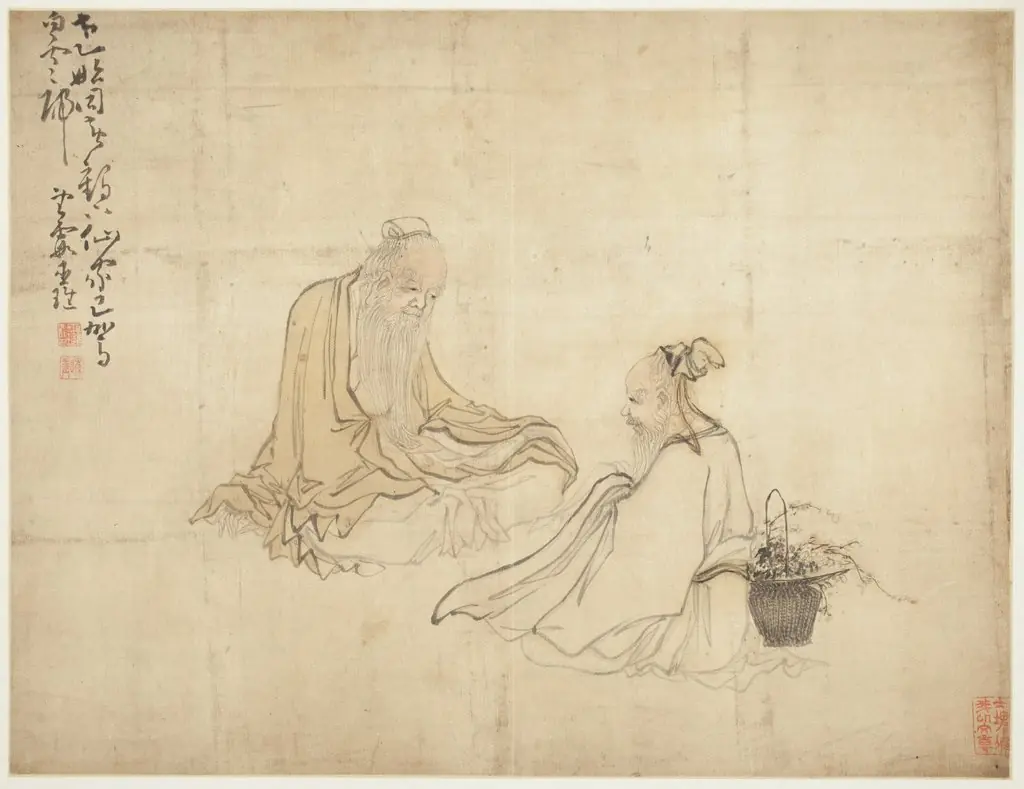 Landscapes and Figures: Figures
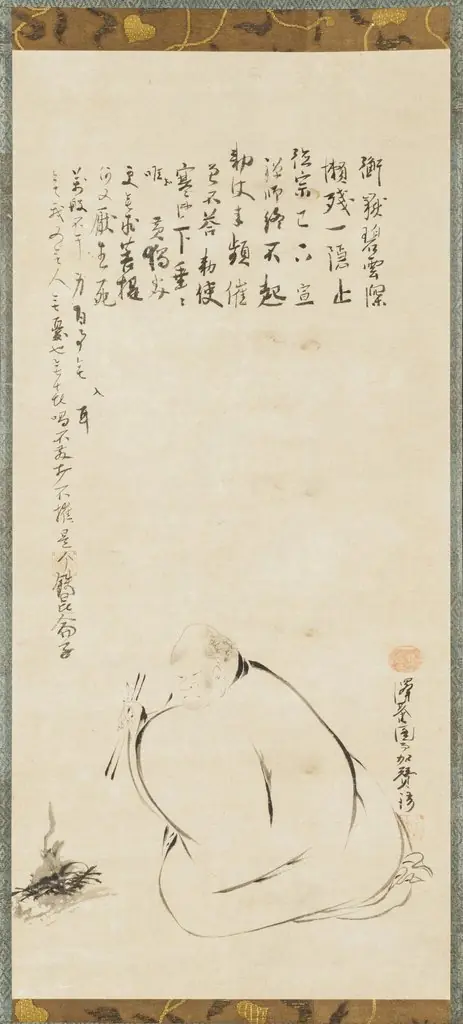 Monk Raisan
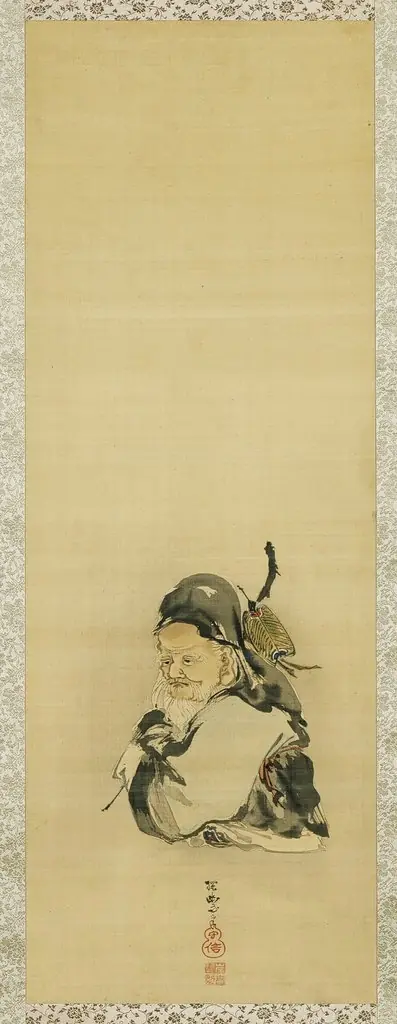 Buddhist Sage
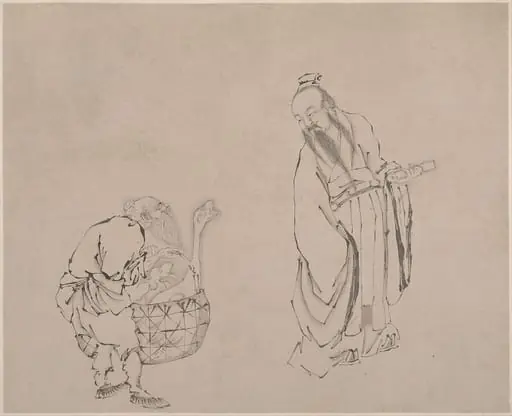 Untitled
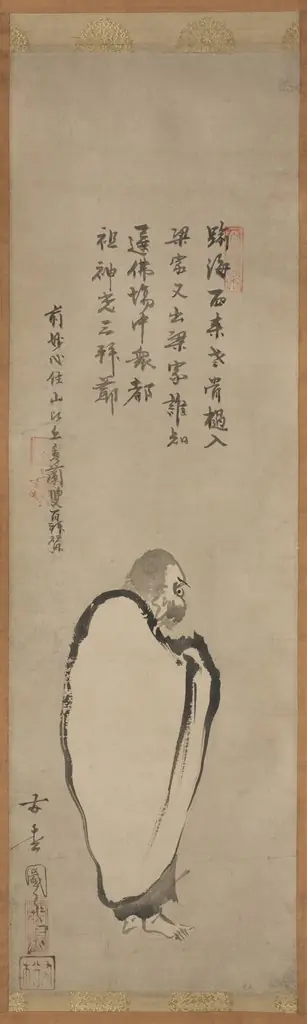 Figure of Daruma
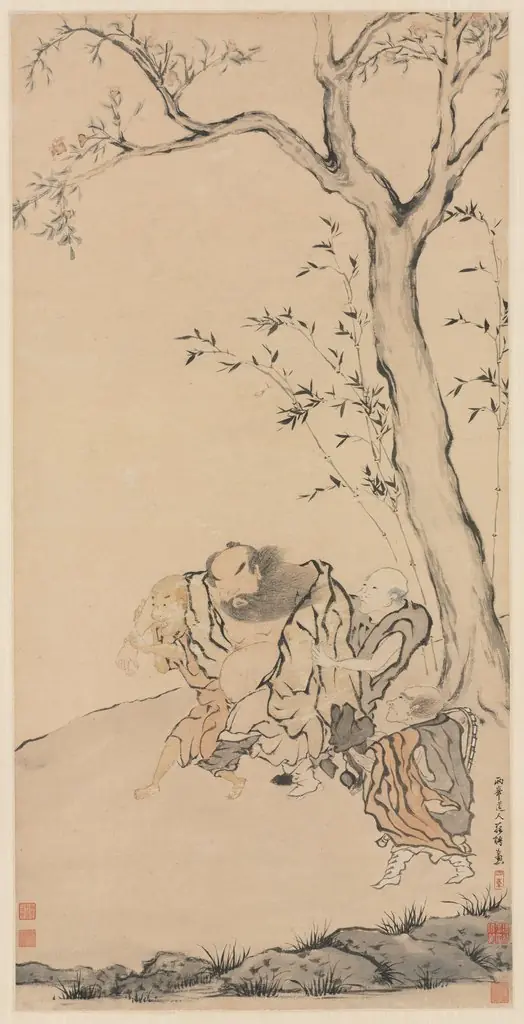 Zhong Kui Supported by Ghosts
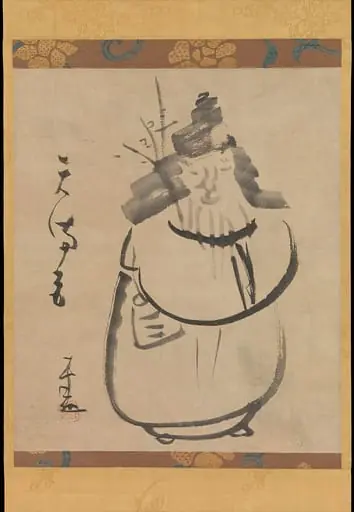 「天満宮」 渡唐天神図|“Tenmangū,” Sugawara no Michizane as Tenjin Traveling to China
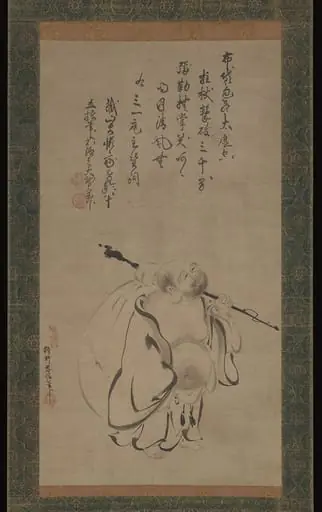 狩野孝信筆 布袋図「拄杖擊破三千界。彌勒撫掌笑呵呵,明月清風無。」|Hotei
 A Sage with Tiger