Artwork
Logodna mistică a Sfintei Ecaterina din Alexandria (în Reg. Inv. Logodna Sfintei Ecaterina)
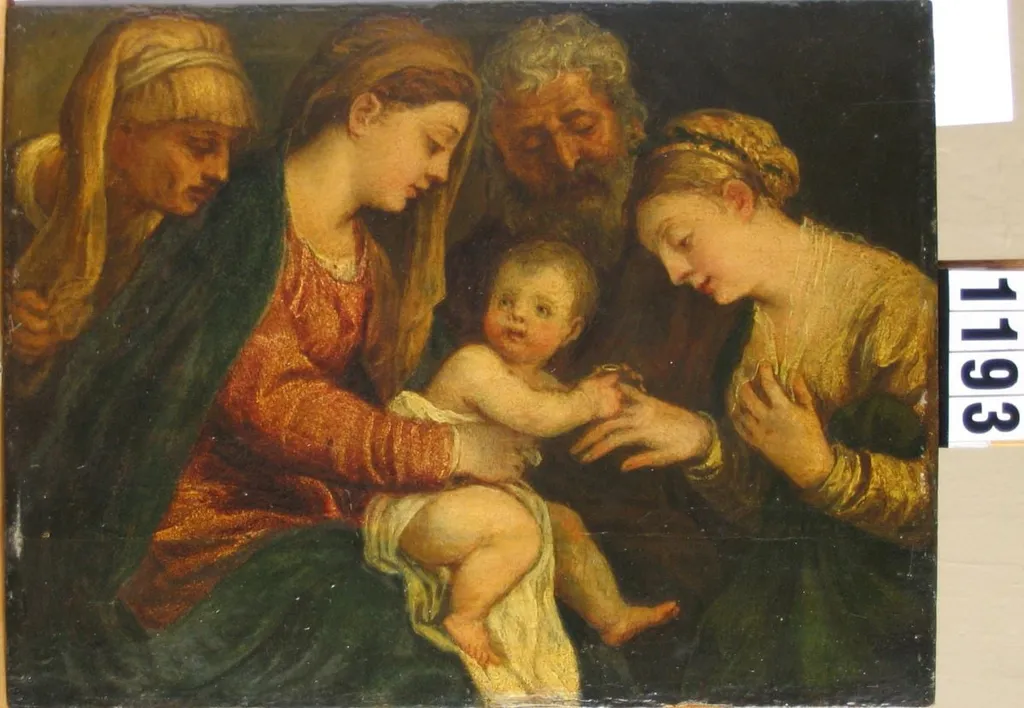
Logodna mistică a Sfintei Ecaterina din Alexandria (în Reg. Inv. Logodna Sfintei Ecaterina) is a print by Lambert zis Alberto de Olanda Sustris. It is held in the collection of the Brukenthal National Museum. This painting portrays a quiet, intimate moment centered on a woman holding an infant, surrounded by four other figures.
About this work
Overview
The subdued palette of muted greens, reds, and yellows enhances the solemn atmosphere, suggesting a moment of reflection rather than celebration.
This painting portrays a quiet, intimate moment centered on a woman holding an infant, surrounded by four other figures. The composition is restrained, with figures arranged in a close group against a dimly lit background. The subdued palette of muted greens, reds, and yellows enhances the solemn atmosphere, suggesting a moment of reflection rather than celebration. The absence of overt narrative cues invites contemplation over explicit storytelling.
Subject & Meaning
The scene likely depicts the betrothal of Saint Catherine of Alexandria, though the presence of an infant introduces ambiguity. The woman’s tender hold on the child, paired with another woman’s gentle touch, suggests familial or spiritual care. The solemn expressions of the surrounding figures imply gravity, possibly hinting at divine destiny or impending sacrifice. The infant’s role remains open, possibly symbolizing future sanctity or the weight of sacred duty.
Technique & Style
The artist employs a restrained chiaroscuro, using soft contrasts to model forms without dramatic lighting. Colors are muted and earth-toned, with no bright highlights to disrupt the somber tone. Figures are rendered with quiet precision, their gestures subtle and deliberate. The lack of ornate detail or spatial depth focuses attention on the emotional interplay between the figures, emphasizing stillness over movement.
History & Provenance
The work is cataloged under a reference to Saint Catherine of Alexandria, though its iconography diverges from traditional depictions of her betrothal. Its attribution to Lambert Sustris, also known as Lambert van Olanda, is suggested by stylistic parallels in his use of tone and composition. The painting likely originated in a Venetian or Northern Italian context during the mid-16th century, possibly commissioned for private devotion.
Context
In mid-16th-century Italy, devotional imagery often blended biblical narratives with human intimacy. While Saint Catherine’s betrothal typically involved a vision of Christ, this painting’s focus on an infant and quiet gestures reflects a broader trend toward domesticated spirituality. The somber mood aligns with Counter-Reformation sensibilities, favoring contemplative piety over theatricality.
Legacy
The painting stands as an example of how traditional hagiography was adapted into emotionally nuanced scenes during the Renaissance. Its understated approach influenced later devotional works that prioritized psychological depth over symbolic clarity. Though not widely reproduced, it remains a quiet testament to the period’s evolving approach to sacred narrative and human connection.
Artist & collection
Artist
Lambert zis Alberto de Olanda Sustris
Lambert Sustris was the Dutch painter who ran off to Venice, swapped his name for something fancier, and never looked back.

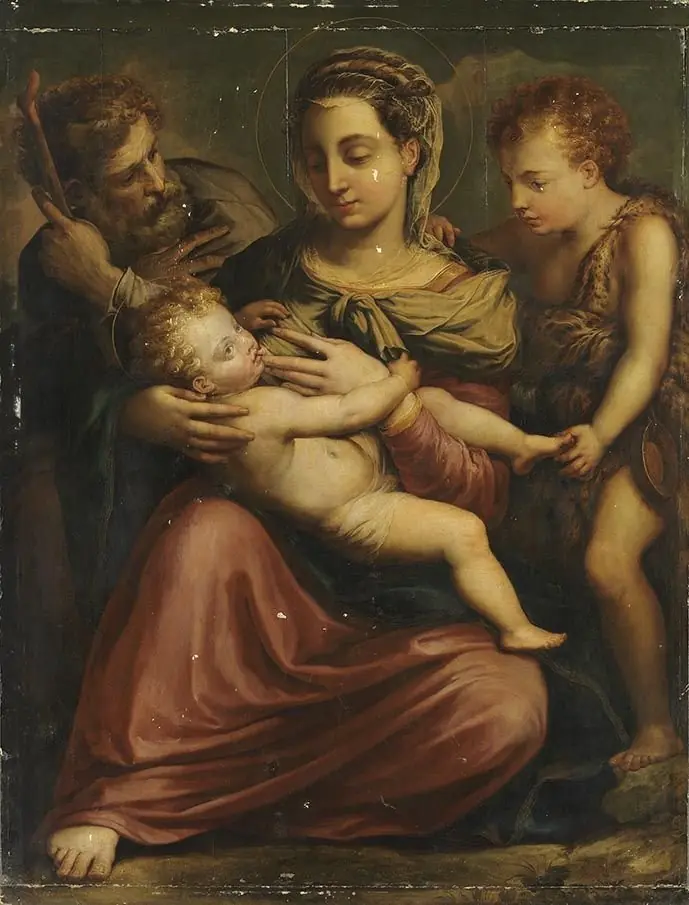 Holy Family with John the Baptist as child
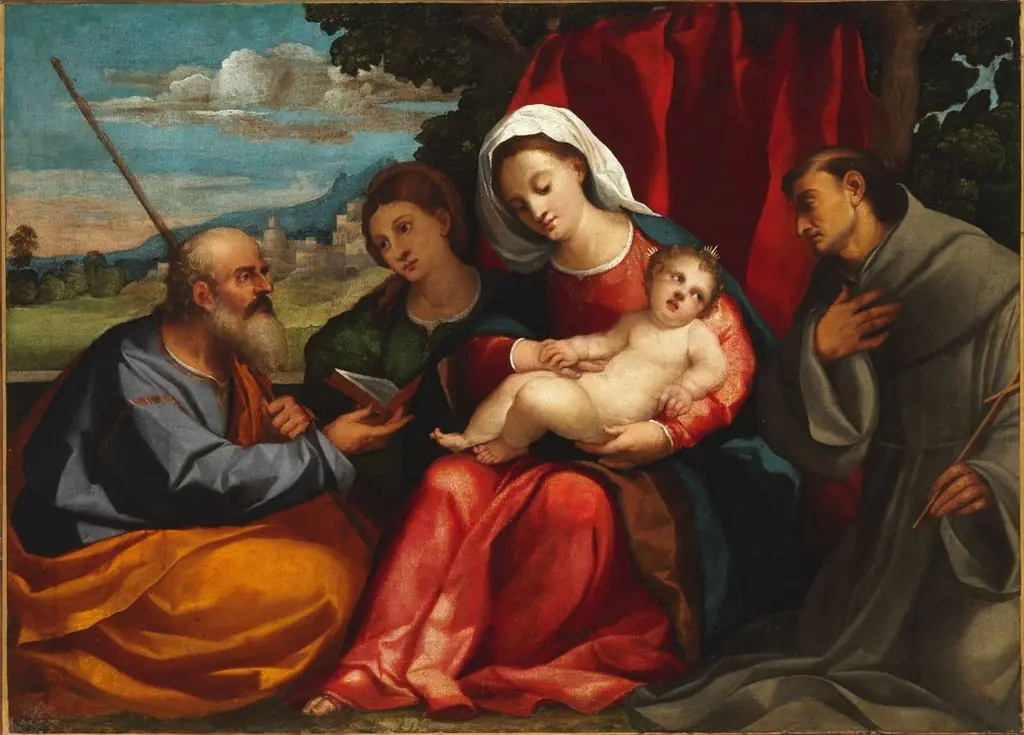 The Holy Family with a Female Saint and Saint Francis of Assisi
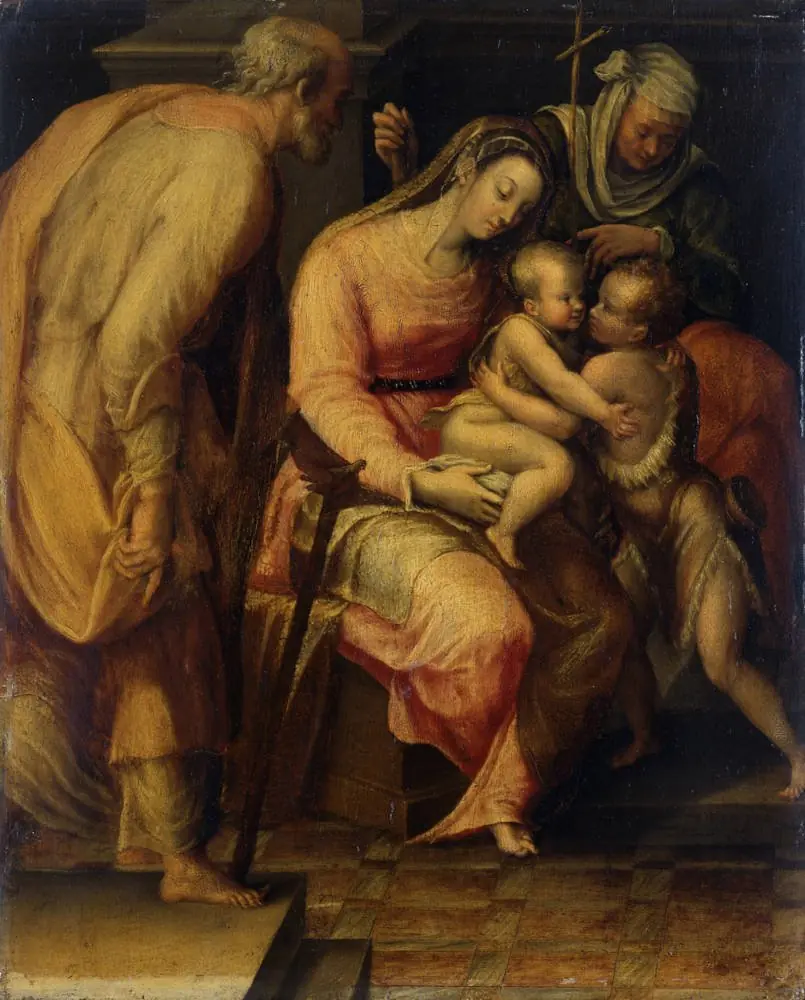 The Holy Family
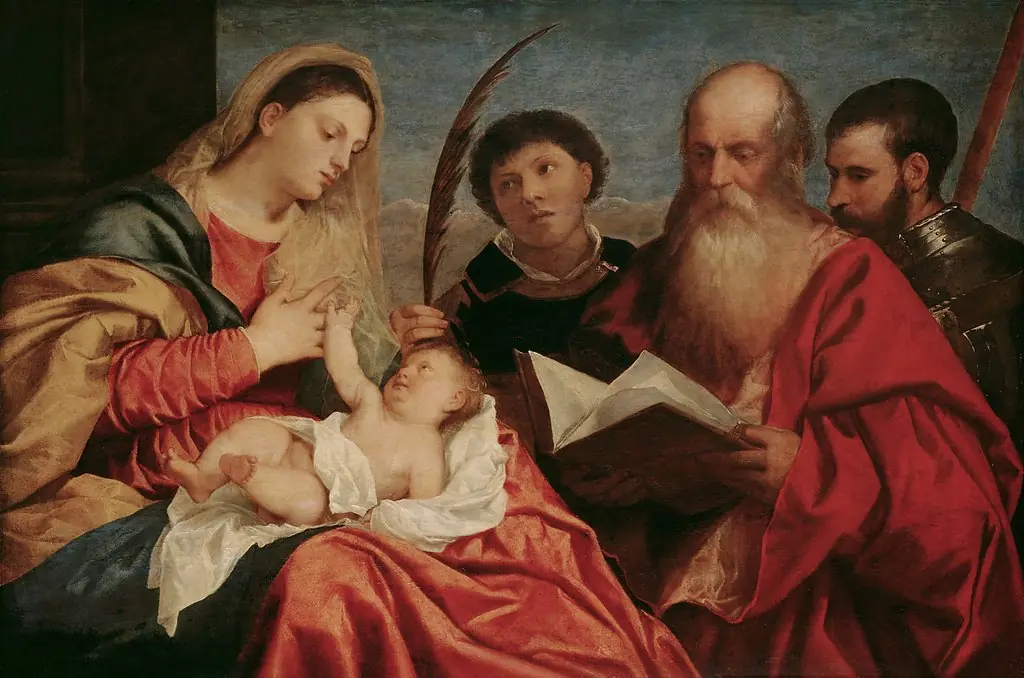 Virgin and Child with Saints Stephen, Jerome and Maurice
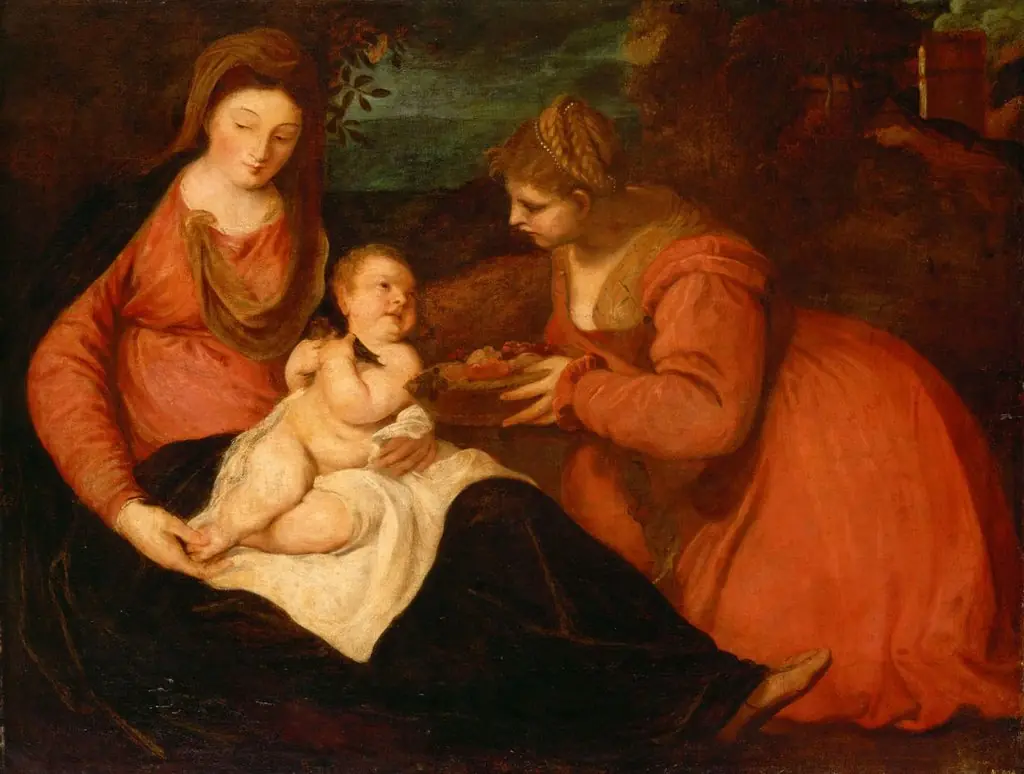 Madonna and Child with Saint Dorothy
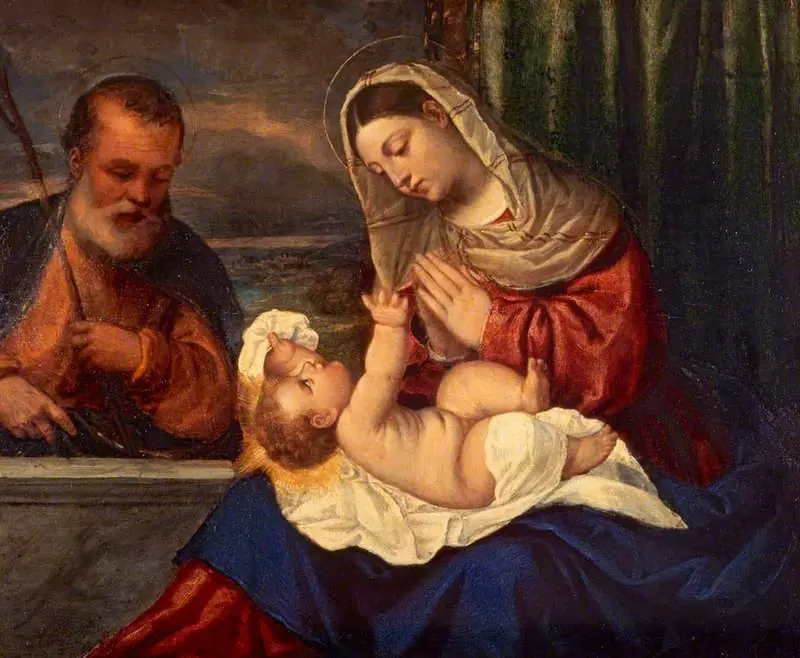 The Holy Family
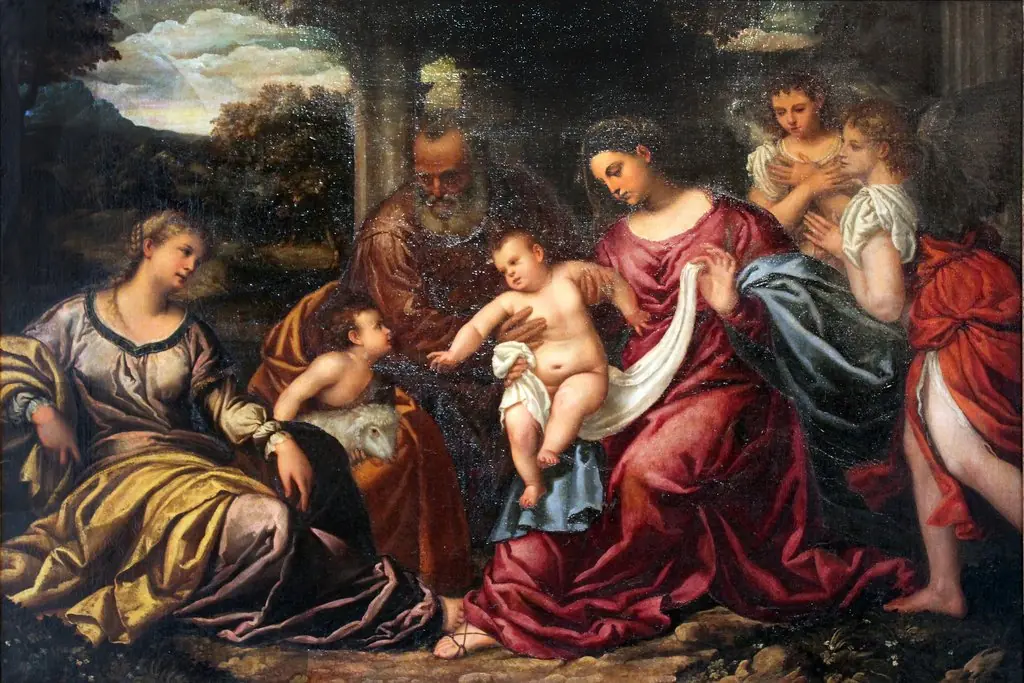 The Holy Family
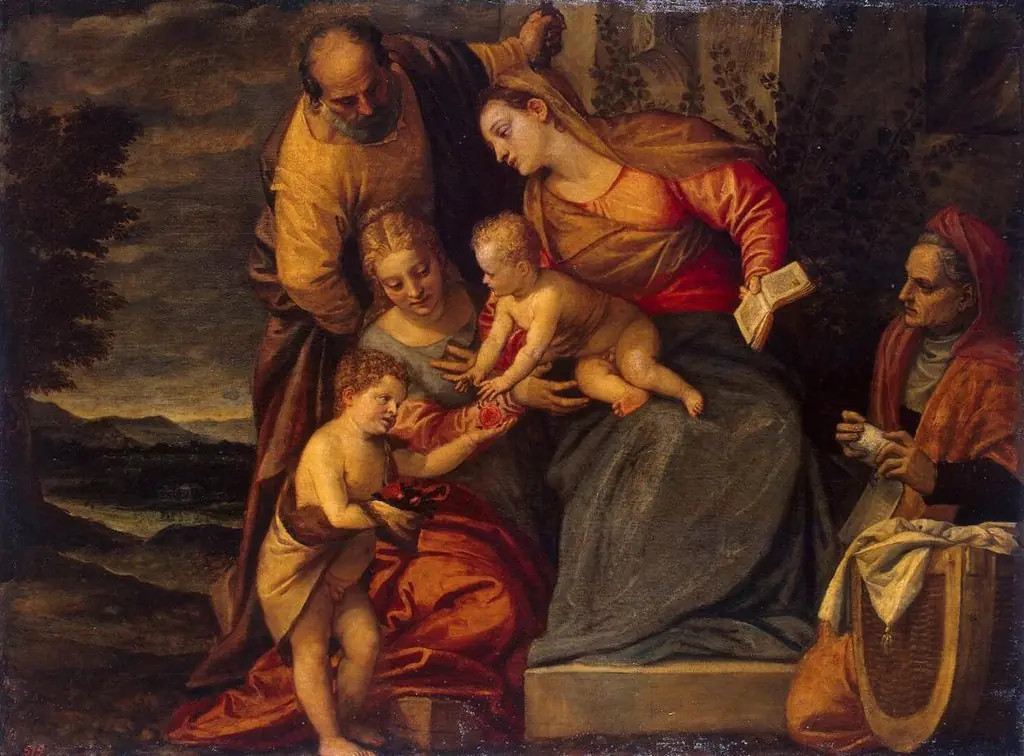 Holy Family with Sts Catherine, Anne and John
 Sfânta Familie
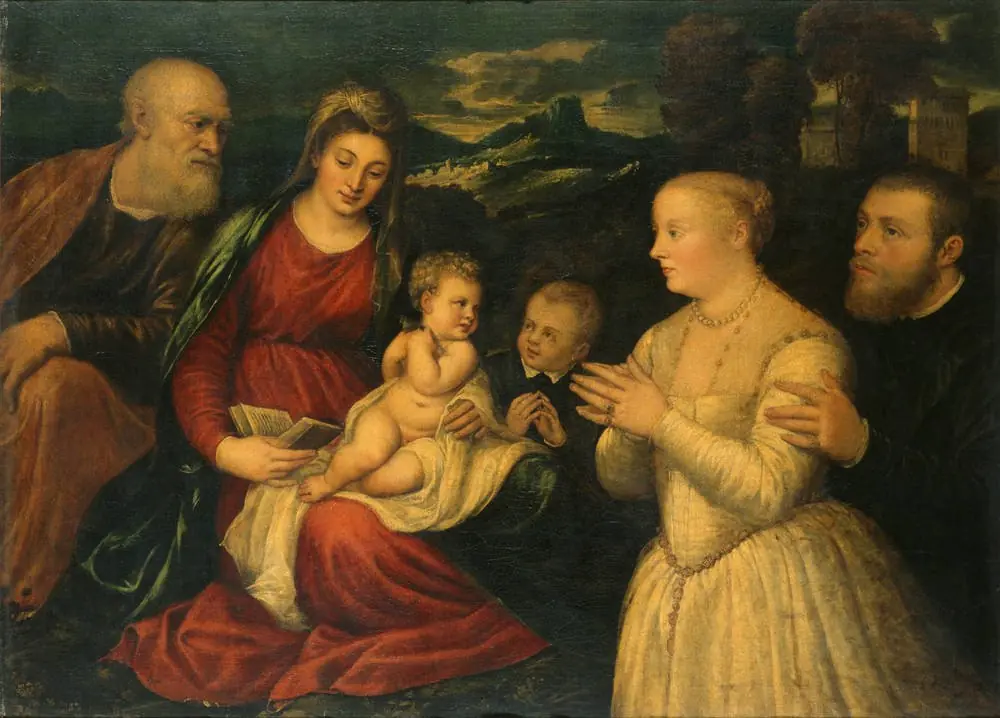 The Holy Family with Donors
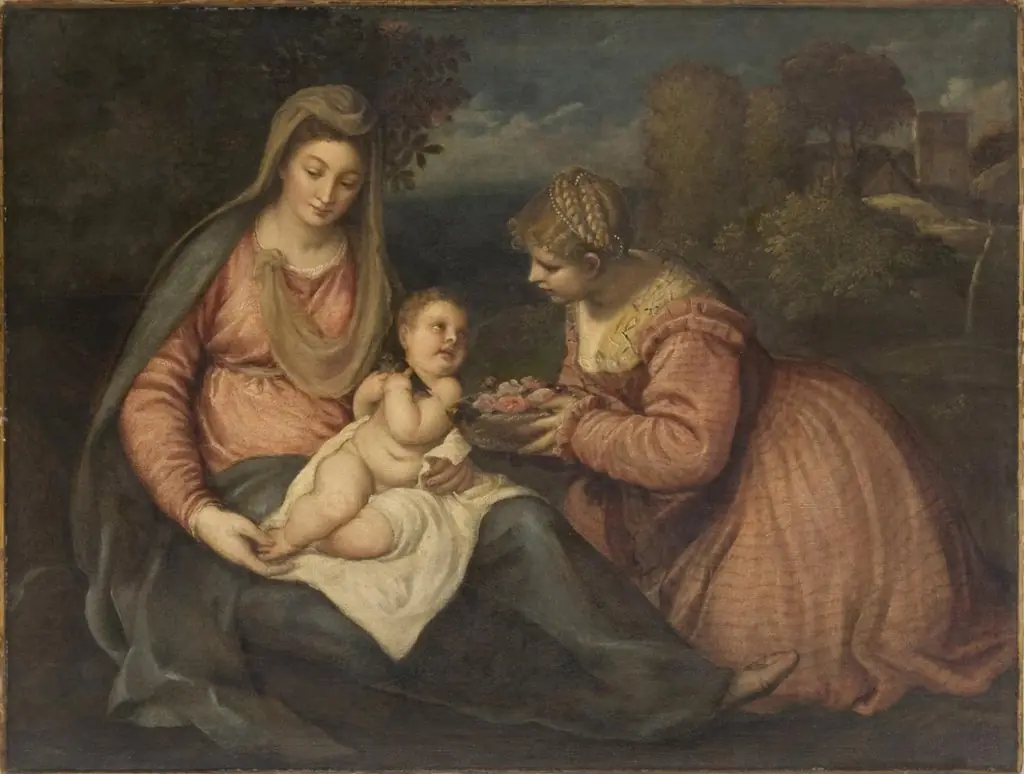 Virgin and Child, with Saint Dorothy
 Logodna mistică a sfintei Ecaterina de Alexandria