Artwork
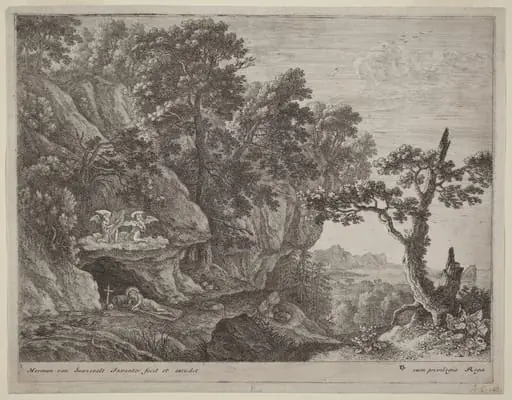
Mary Magdalene Repentant
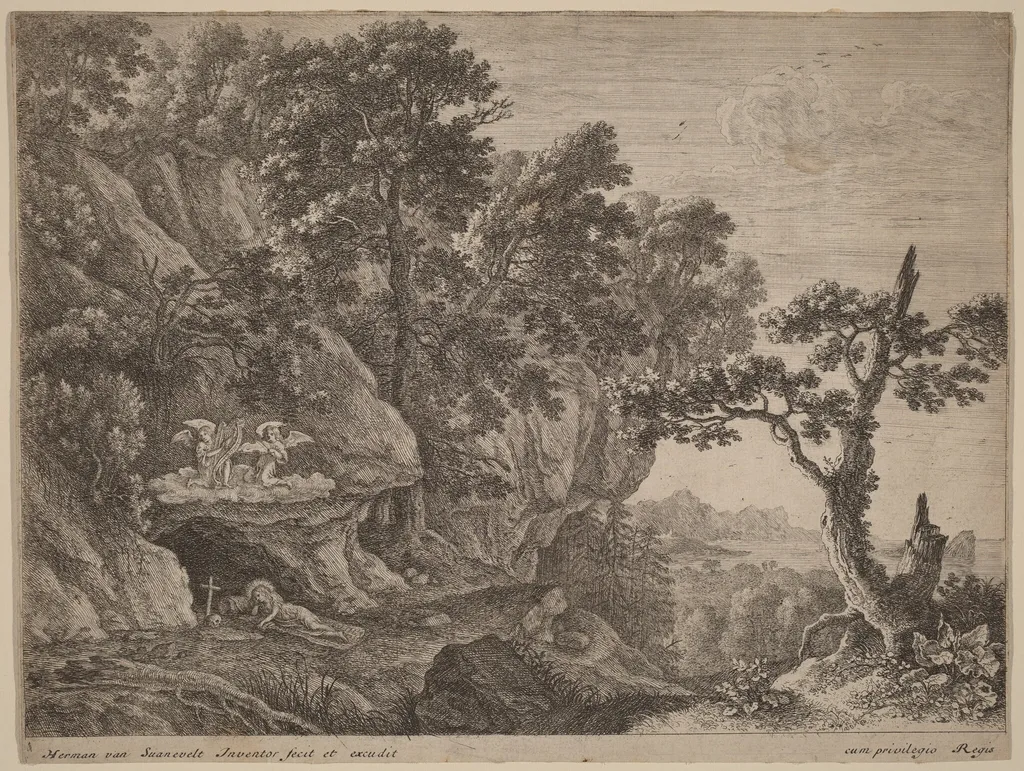
Mary Magdalene Repentant is an ink print by the Baroque artist Herman van Swanevelt. It dates from 1628 and is held in the collection of the National Gallery of Art.
About this work
Overview
The composition relies on fine, incised lines to convey depth, texture, and atmosphere, characteristic of early 17th-century printmaking techniques.
Created in 1628, Mary Magdalene Repentant is a black-and-white etching by Dutch artist Herman van Swanevelt. The print depicts a solitary female figure in a rugged natural setting, engaged in a moment of quiet contemplation. A cherub hovers above, suggesting divine presence. The composition relies on fine, incised lines to convey depth, texture, and atmosphere, characteristic of early 17th-century printmaking techniques.
Subject & Meaning
The figure represents Mary Magdalene in a moment of spiritual penitence, a common theme in Counter-Reformation art. Her kneeling posture and clasped hands signal prayer and remorse, while the hovering cherub implies divine attention or grace. The barren landscape reinforces solitude and inner reflection, aligning with contemporary devotional ideals that emphasized personal repentance and moral transformation.
Technique & Style
Van Swanevelt employed etching to carve detailed lines into a metal plate, which was then inked and pressed onto paper. The work features delicate hatching and cross-contour lines to model form and suggest shadow, particularly in the rocks and foliage. The absence of color focuses attention on line and tone, enhancing the somber, introspective mood of the scene.
History & Provenance
The etching was produced during van Swanevelt’s early career, likely in Rome, where he was influenced by Italian landscape traditions. It circulated among collectors and religious patrons in the Netherlands and Italy, reflecting the period’s interest in devotional imagery. No definitive early ownership records survive, but similar prints by the artist are held in European museum collections.
Context
In the 1620s, religious imagery in Northern Europe often emphasized personal piety and emotional devotion, especially following the Council of Trent. Etchings like this one served as affordable, portable aids for private meditation. Van Swanevelt’s fusion of Italianate landscape with Northern devotional subject matter reflects the cross-cultural exchange among artists in Rome at the time.
Legacy
Though not widely reproduced in later centuries, this etching exemplifies van Swanevelt’s contribution to the development of religious printmaking. His use of landscape as a psychological backdrop influenced subsequent generations of Northern European printmakers. The work remains a quiet example of how spiritual themes were rendered with subtlety in the early Baroque period.
Own this work as a print
Artist & collection

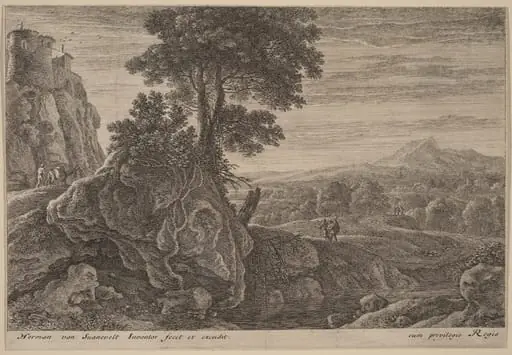 House on a Rock
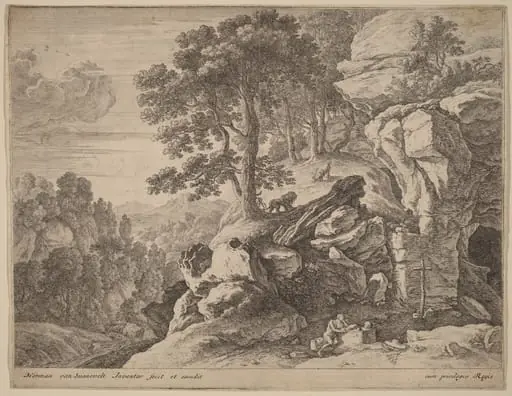 Saint Jerome in the Wilderness
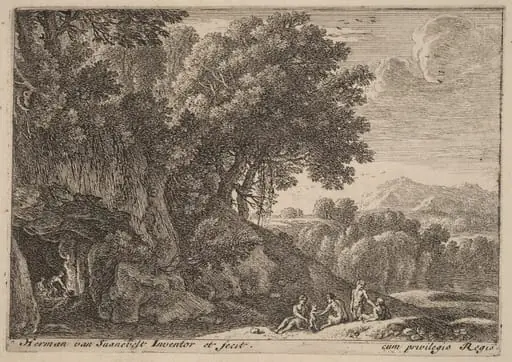 Satyrs around a Fire
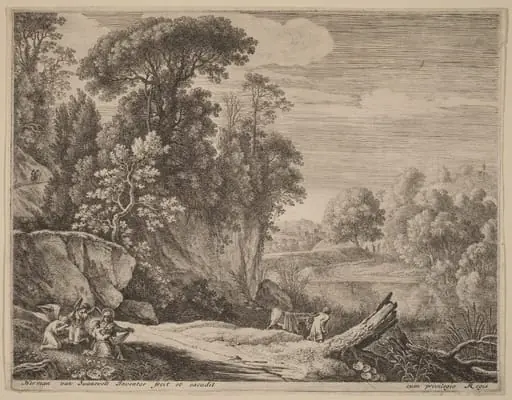 The Donkey Led to the River
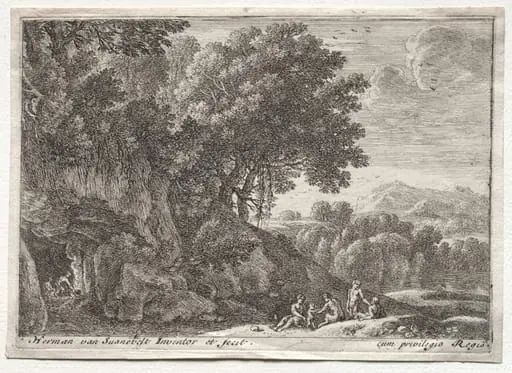 Landscape with Satyrs
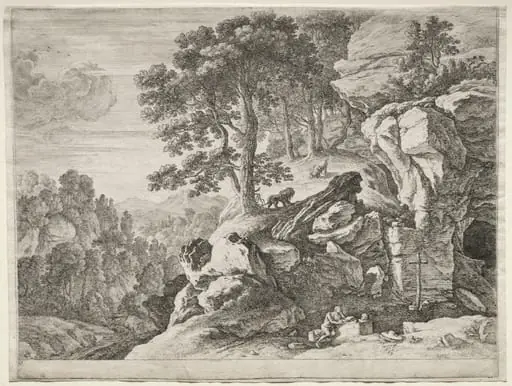 The Penitents: St. Jerome in the Desert
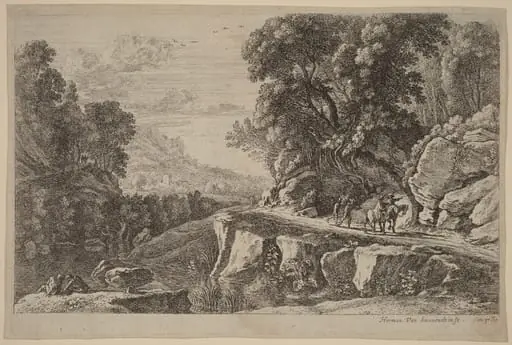 The Two Horsemen
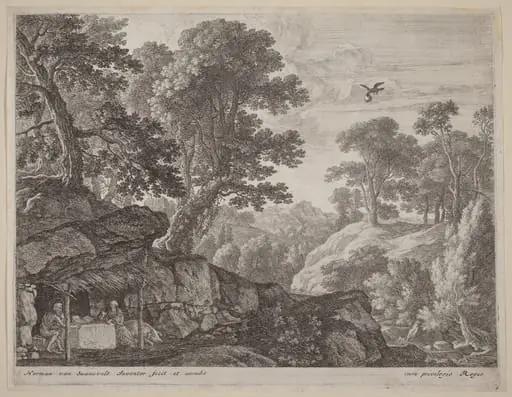 Saint Paul and Saint Anthony by the Entrance to the Cave
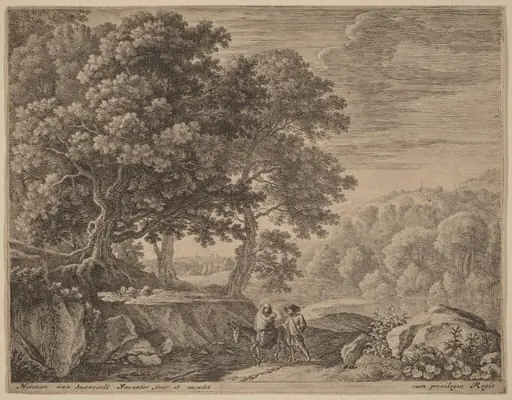 The Little Angels on the Hill
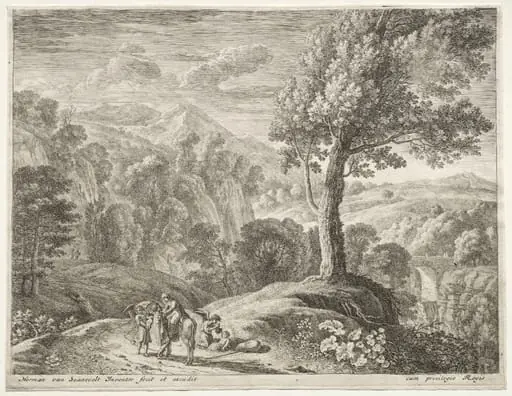 The Flight into Egypt: The Large Tree and the Cascade
 The Repentant Magdalene in a Landscape
 Venus Offering Diana a Choice between Cupid and Adonis