Artwork
Saint Jerome in the Wilderness
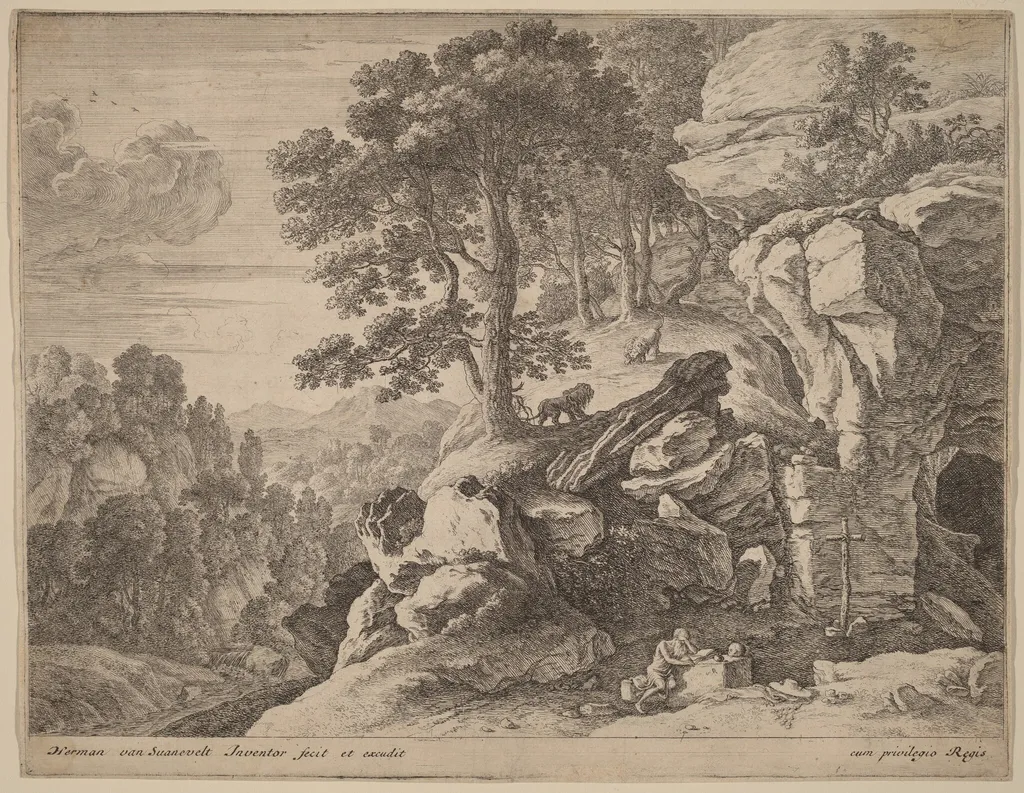
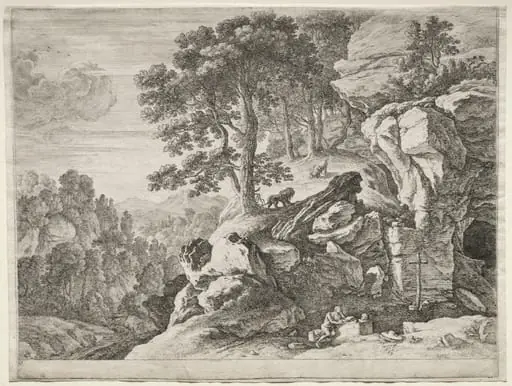
Saint Jerome in the Wilderness is an ink print by the Baroque artist Herman van Swanevelt. It dates from 1628 and is held in the collection of the National Gallery of Art.
About this work
Overview
Rendered in monochrome, the print captures the saint in contemplation beside a lion, set against a textured terrain of rocky outcrops and sparse vegetation.
Herman van Swanevelt’s 1628 etching depicts Saint Jerome in a rugged, isolated landscape. Rendered in monochrome, the print captures the saint in contemplation beside a lion, set against a textured terrain of rocky outcrops and sparse vegetation. The composition balances stillness and natural detail, emphasizing solitude and quiet devotion. The technique of etching allowed for fine linear precision, characteristic of van Swanevelt’s approach to landscape and figure integration.
Subject & Meaning
The scene illustrates Saint Jerome, the scholar-saint, in his desert retreat, engaged in prayer or translation of the Bible. The lion, traditionally linked to the legend of Jerome removing a thorn from its paw, lies peacefully beside him—symbolizing harmony between humanity and nature under divine grace. The absence of violence or drama underscores a theme of spiritual serenity rather than miraculous intervention.
Technique & Style
Van Swanevelt employed etching to achieve delicate tonal gradations and intricate line work. The rocky terrain and tangled brush are rendered with fine, controlled strokes, while the sky is left lightly etched to suggest atmospheric light. The lion’s form is simplified yet expressive, its calm posture contrasting with the jagged environment. This restrained style reflects Northern European print traditions focused on mood over spectacle.
History & Provenance
Created in 1628 during van Swanevelt’s time in Rome, the print aligns with his interest in Italianate landscapes and religious subjects. It was likely produced for a limited audience of collectors and clergy familiar with Jerome’s hagiography. No definitive early ownership records survive, but the work appears in later 17th-century print collections, indicating its circulation among connoisseurs of religious graphic art.
Context
In early 17th-century Europe, etchings of saints in solitude were popular among devotional audiences. Van Swanevelt’s version diverges from dramatic Baroque treatments by favoring quietude and naturalism. His time in Italy influenced his use of light and topography, blending Northern attention to detail with Southern compositional harmony. This print reflects a broader trend of spiritual imagery tailored to private meditation rather than public display.
Legacy
Though not widely reproduced, van Swanevelt’s etching contributed to the tradition of intimate religious prints in the Dutch and Flemish schools. Its emphasis on psychological stillness and naturalistic setting influenced later artists exploring solitude in sacred contexts. The work remains a quiet example of how printmaking could convey contemplative depth without grandeur, preserving a nuanced vision of sanctity.
Own this work as a print
Artist & collection

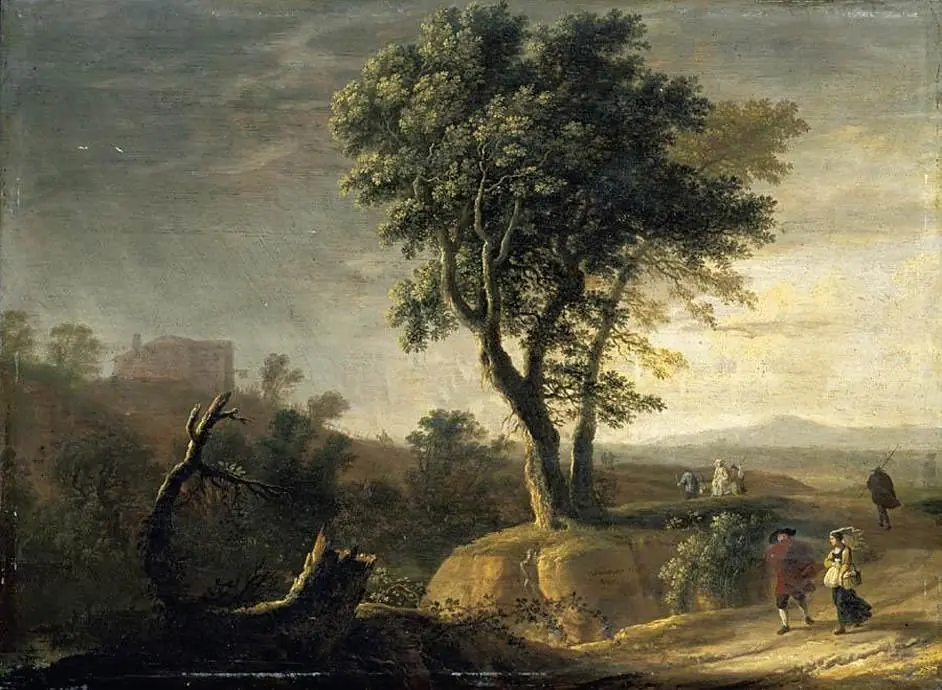
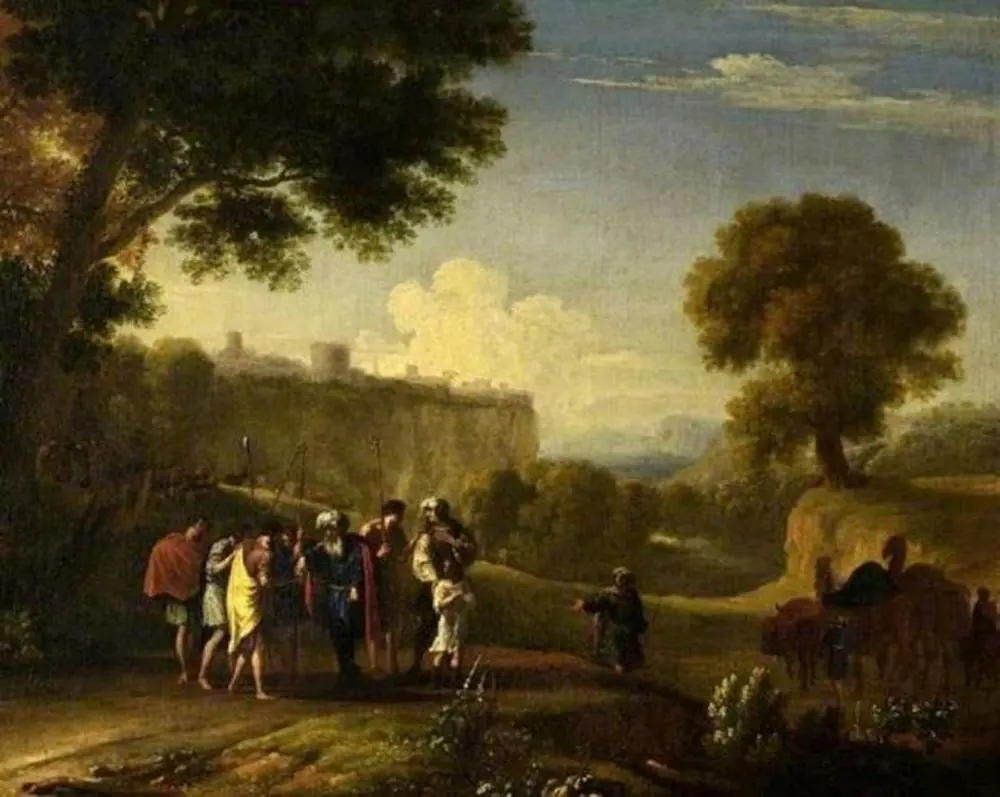
 The Penitents: St. Jerome in the Desert
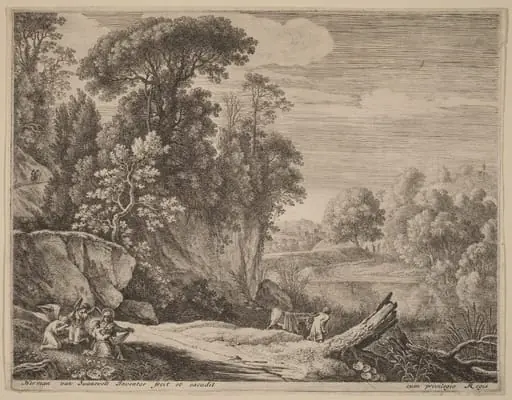 The Donkey Led to the River
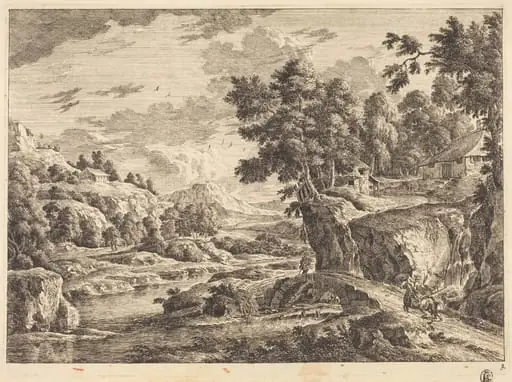 Landscape with a Bridge and Three Farm Buildings
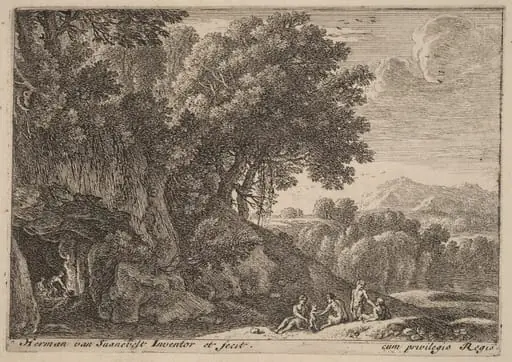 Satyrs around a Fire
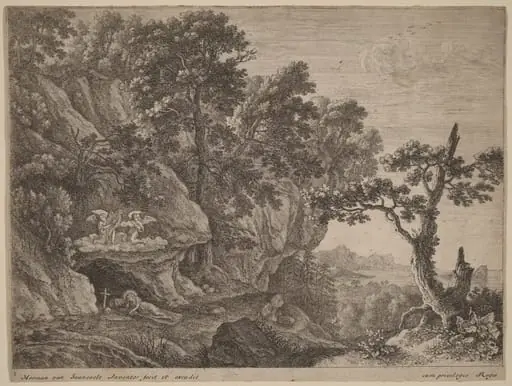 Mary Magdalene Repentant
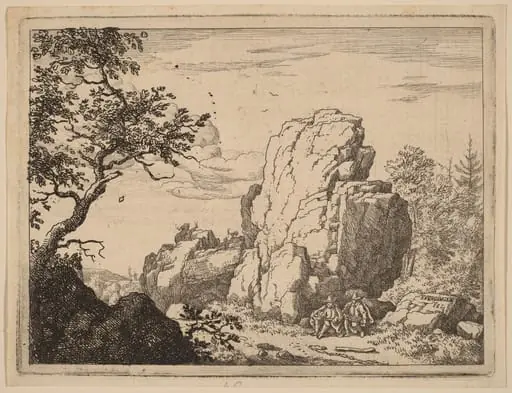 Two Men Seated at the Foot of a High Rock
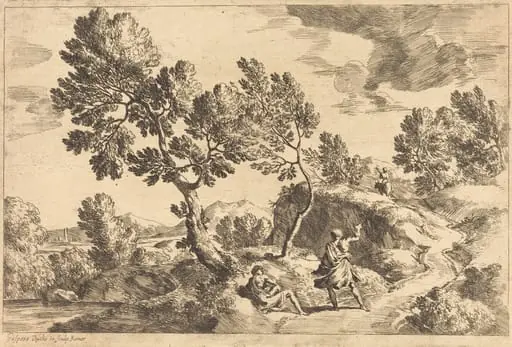 Roman Landscape
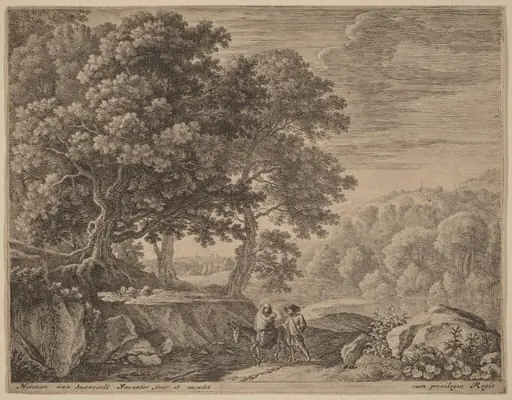 The Little Angels on the Hill
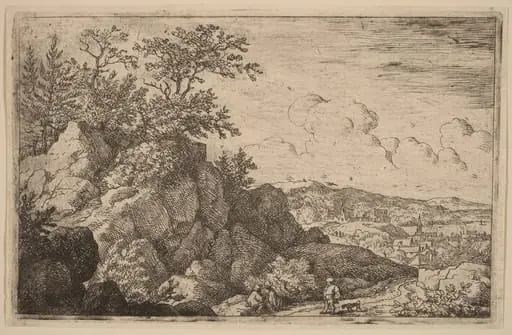 Peasant with His Dog
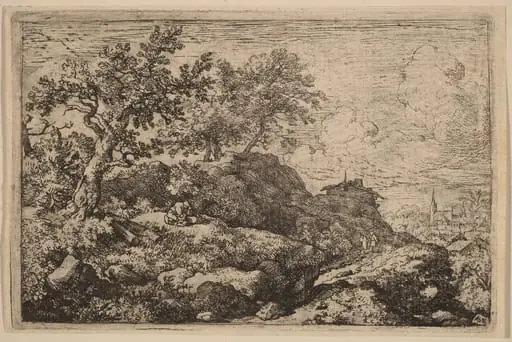 Two Peasants Seated on a Hill
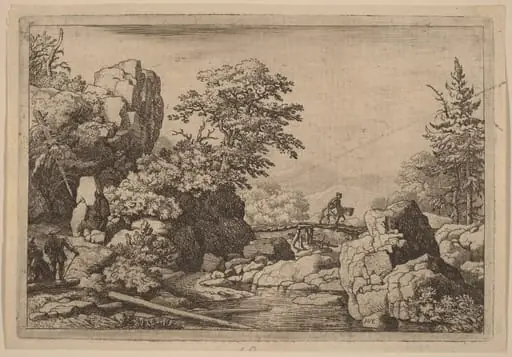 Horseman on a Bridge
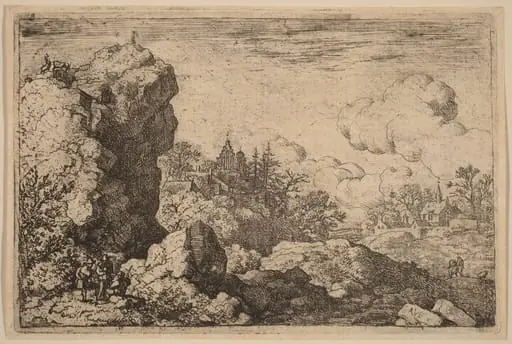 Three Travelers at the Foot of a High Rock