Artwork
Two Satyrs Tending a Flock of Goats
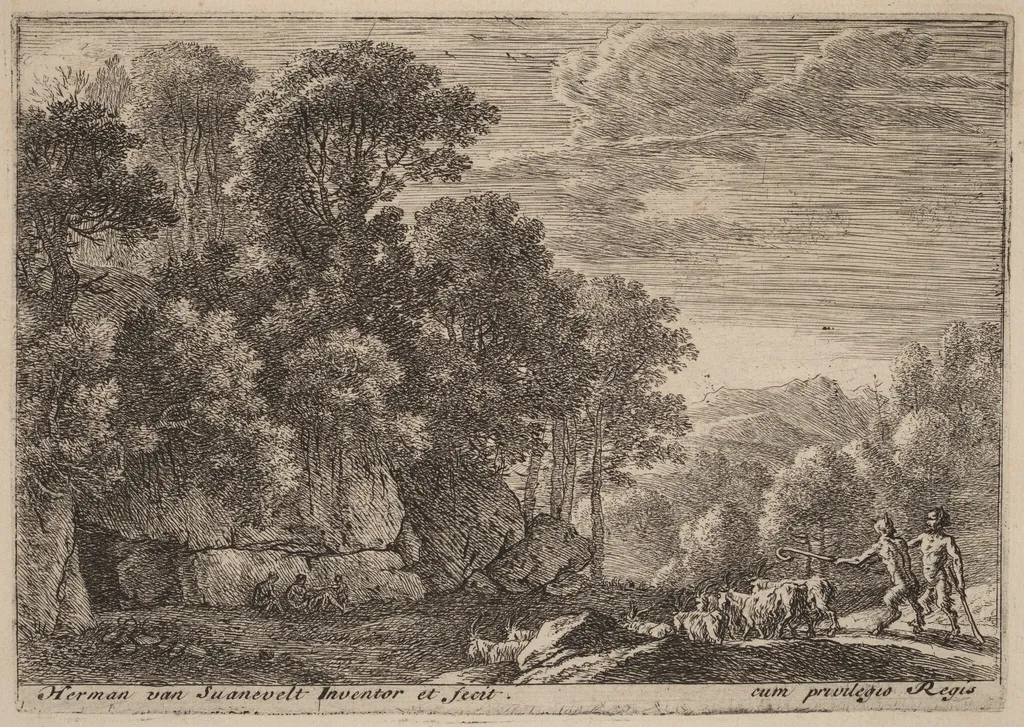
Two Satyrs Tending a Flock of Goats is an ink print by the Baroque artist Herman van Swanevelt. It dates from 1628 and is held in the collection of the National Gallery of Art.
About this work
Overview
Herman van Swanevelt's 1628 etching, Two Satyrs Tending a Flock of Goats, depicts a serene, natural scene in black and white, characterized by intricate details and textures achieved through fine line work.
Subject & Meaning
The etching shows two half-naked figures, identified as satyrs, herding goats through a dense, wooded landscape. A staff and a branch are used by the figures, suggesting a pastoral, possibly mythological, context.
Technique & Style
Van Swanevelt employed fine lines to create deep shadows and textured elements, such as tangled tree branches and the subtle glow of a small fire. This technique is emblematic of 17th-century etching practices, where ink was impressed into a metal plate to produce detailed prints.
History & Provenance
Created in 1628, the etching's provenance and historical ownership trail are not detailed in available information, focusing instead on its creation within the etching traditions of its time.
Context
The work reflects the early 17th-century interest in naturalistic and mythological themes. The peaceful, wooded setting with satyrs engaged in a pastoral activity aligns with contemporary artistic explorations of idyllic landscapes.
Legacy
While specific influences or direct artistic lineage of Two Satyrs Tending a Flock of Goats are not prominently documented, it contributes to the broader legacy of 17th-century etching techniques and the enduring depiction of mythological subjects in art.
Artist & collection



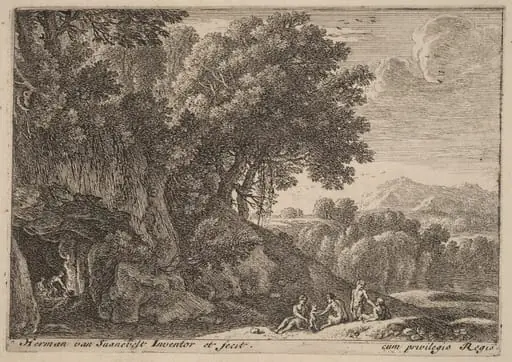 Satyrs around a Fire
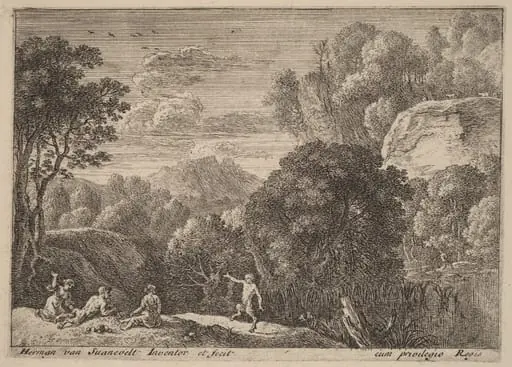 A Dancing Satyr
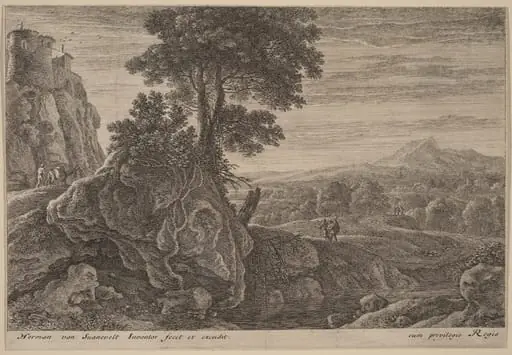 House on a Rock
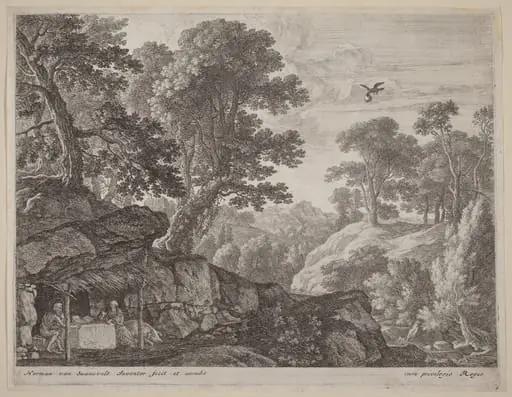 Saint Paul and Saint Anthony by the Entrance to the Cave
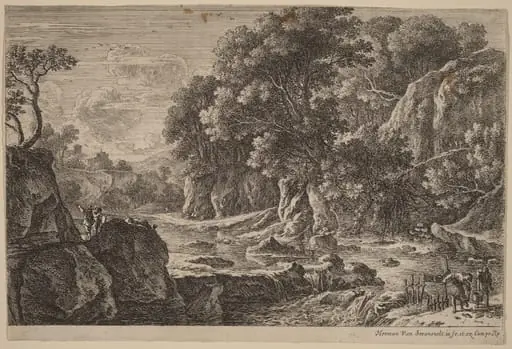 The Fishermen
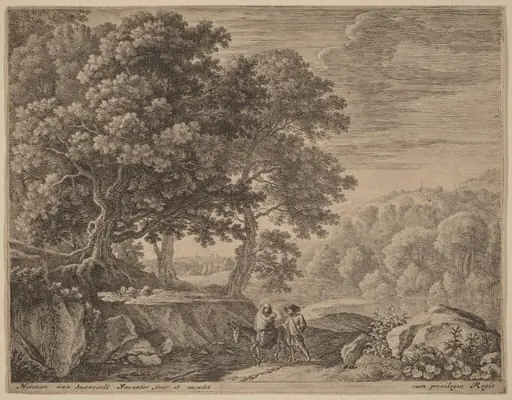 The Little Angels on the Hill
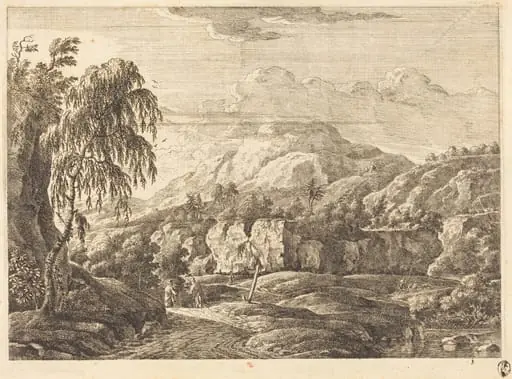 Landscape with Cross and Figures
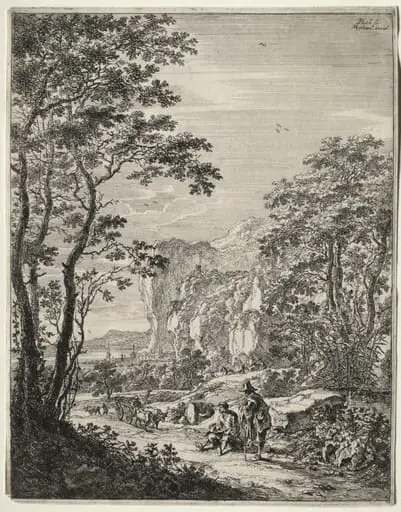 Ox-Cart. View between Ancona and Sinigaglia
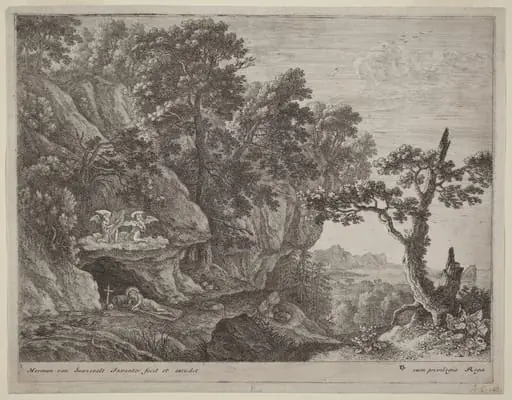 The Repentant Magdalene in a Landscape
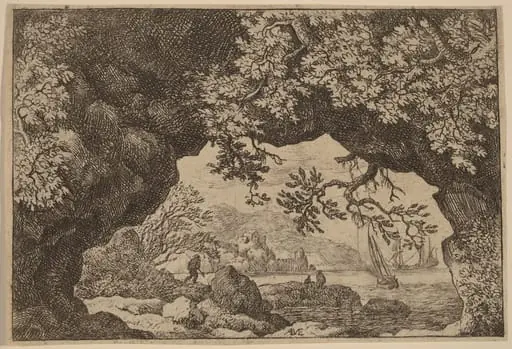 View through a Pierced Rock
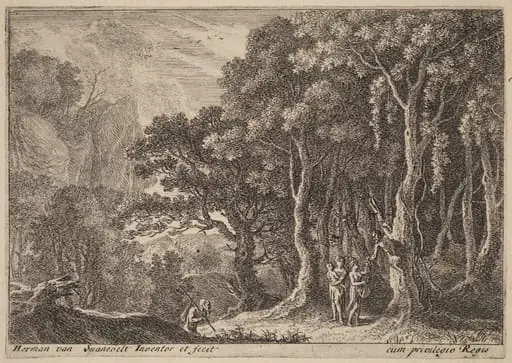 A Satyr Gathering Fruit
 The Small Waterfall