Artwork
Untitled
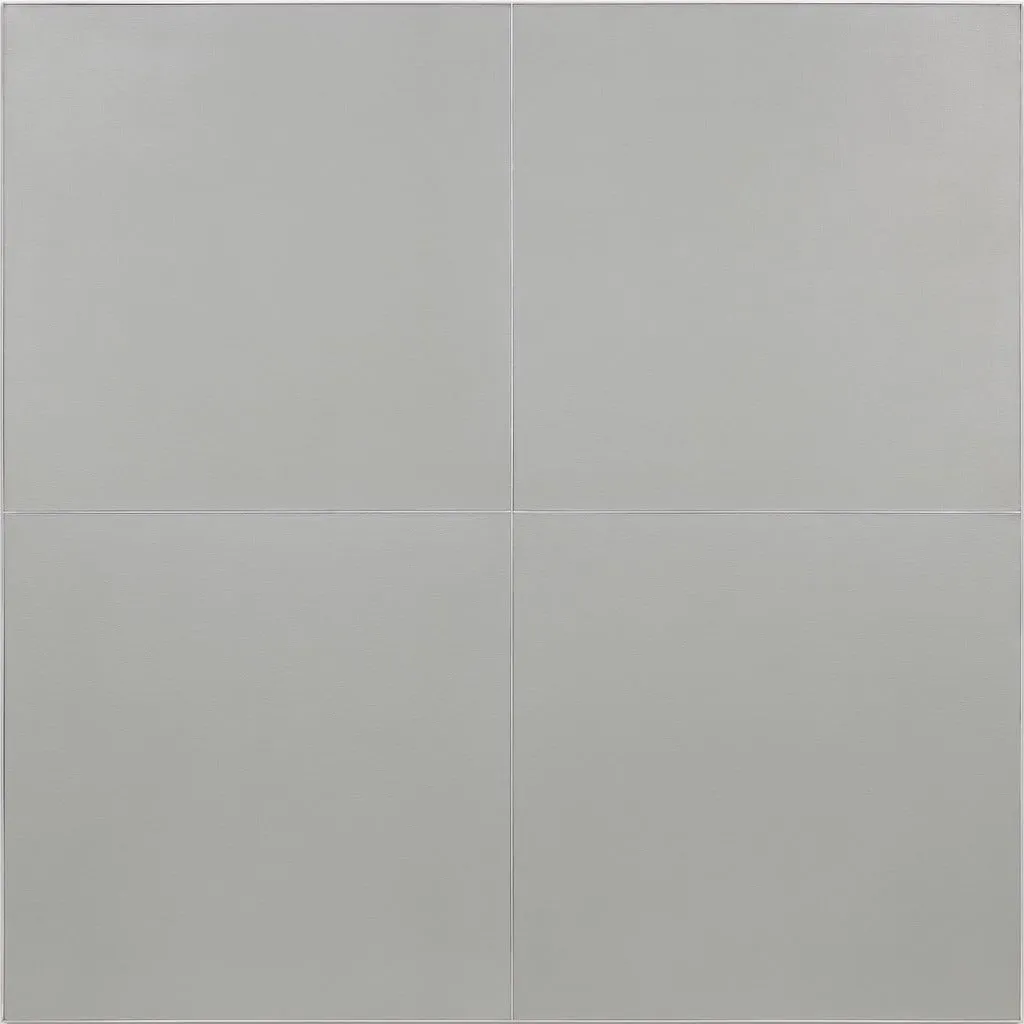
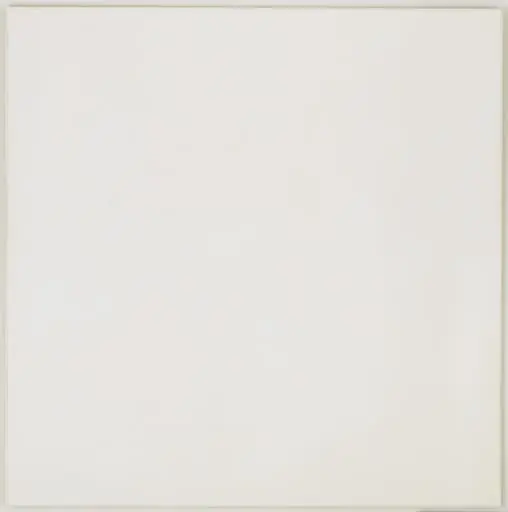
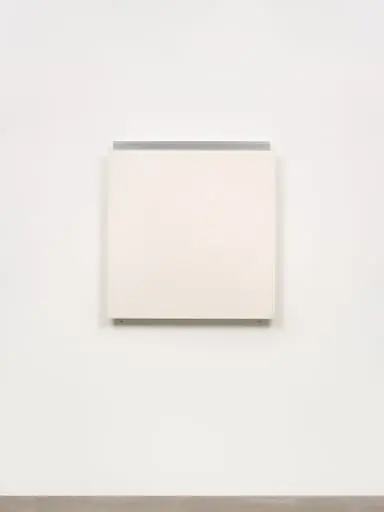
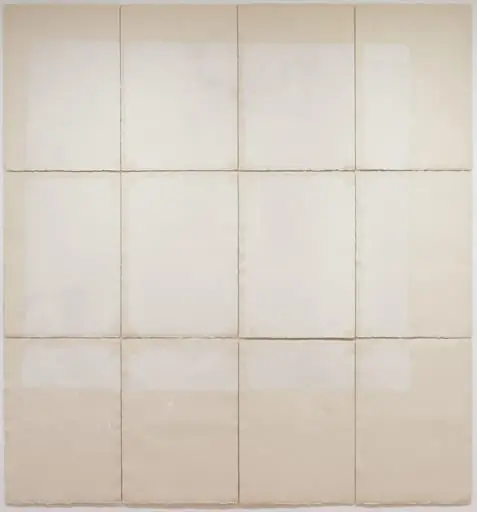
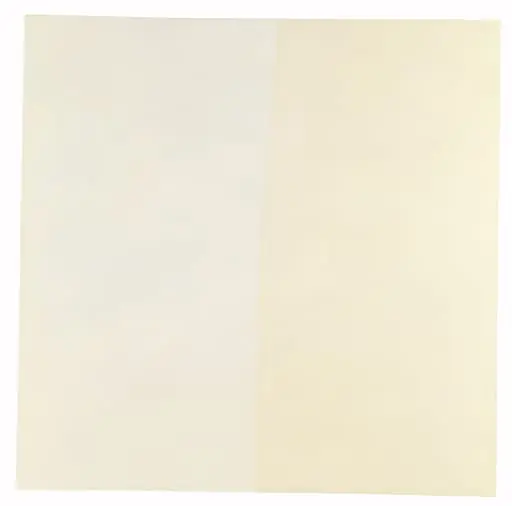
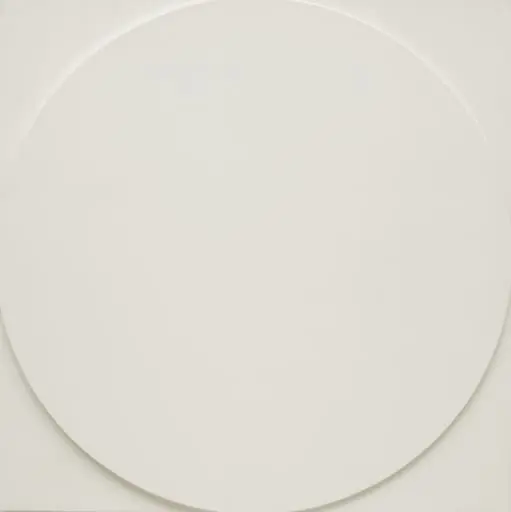
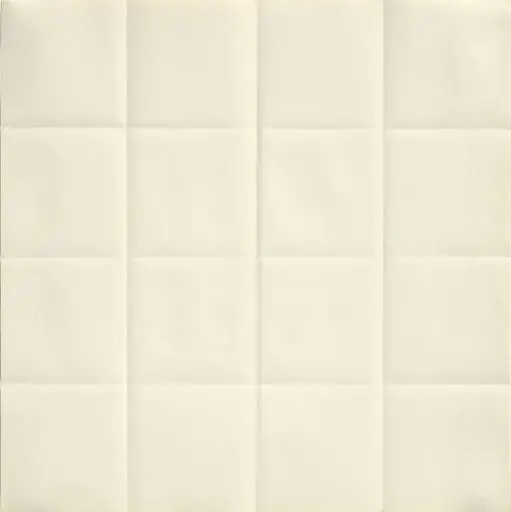
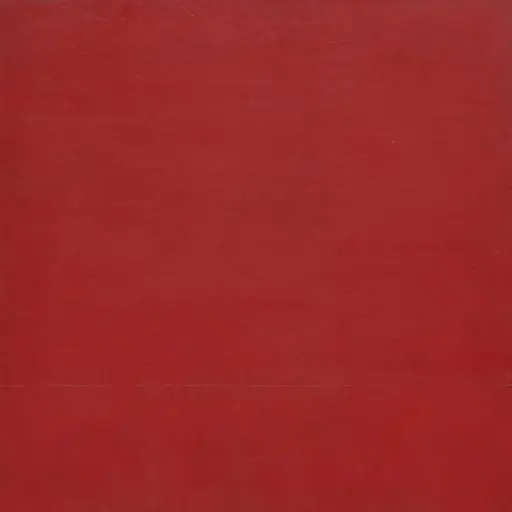
Untitled is a paint painting by the Contemporary Abstract artist Tadaaki Kuwayama. It dates from 1977 and is held in the collection of the Museum of Modern Art.
About this work
Overview
Created in 1977, this painting by Tadaaki Kuwayama consists of four identical rectangular panels arranged horizontally.
Created in 1977, this painting by Tadaaki Kuwayama consists of four identical rectangular panels arranged horizontally. Executed in metallic paint blended with aluminum, the surface presents a uniform, pale gray tone with a subtle sheen. The work rejects traditional pictorial elements, focusing instead on material presence and spatial arrangement. It resides in the collection of The Museum of Modern Art.
Subject & Meaning
The painting offers no representational imagery or symbolic narrative. Its subject is the physicality of its components: color, surface, and geometry. By repeating identical forms, Kuwayama emphasizes repetition and minimal variation, inviting attention to the quiet interaction between the panels and their environment. The work reflects a concern with perception rather than expression.
Technique & Style
Kuwayama applied metallic paint mixed with aluminum powder to create a smooth, non-textured finish devoid of brushwork. The surface reflects ambient light evenly, enhancing the sense of flatness and industrial precision. The technique aligns with Minimalist principles, prioritizing material integrity and optical consistency over gestural or emotional content.
History & Provenance
Made in 1977, the work entered The Museum of Modern Art’s collection shortly after its creation. Kuwayama, active in New York during the 1960s and 70s, was part of a generation of artists exploring abstraction through industrial materials. This piece reflects his ongoing investigation into the limits of painting as an object rather than a window.
Context
Emerging from the Minimalist movement, the work responds to contemporaneous inquiries into art’s material essence. It shares affinities with artists like Donald Judd and Robert Ryman, who similarly reduced form to basic geometries and emphasized surface qualities. Kuwayama’s use of aluminum distinguishes his approach within this context, introducing a quiet luminosity.
Legacy
The painting contributes to a broader redefinition of painting in the late 20th century, where the objecthood of the work superseded narrative or emotional content. Its restrained aesthetic continues to influence artists interested in material neutrality and perceptual subtlety, reinforcing the value of restraint in contemporary visual practice.
Artist & collection