Artwork
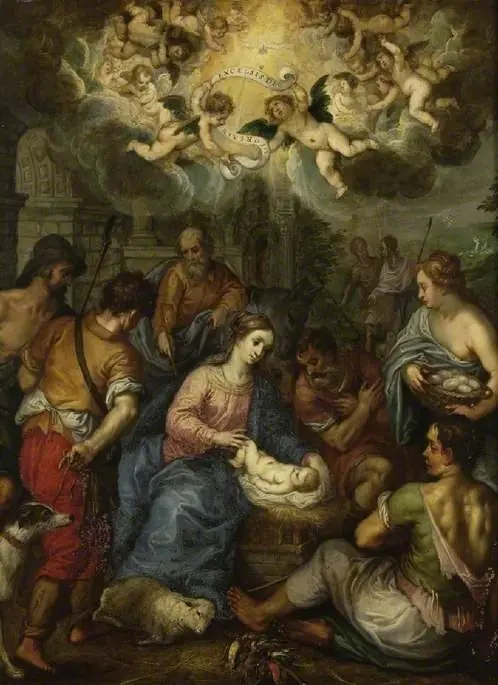
Adoration of the Kings

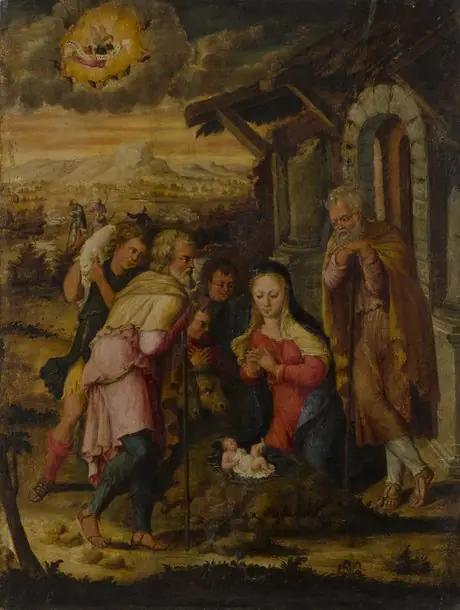
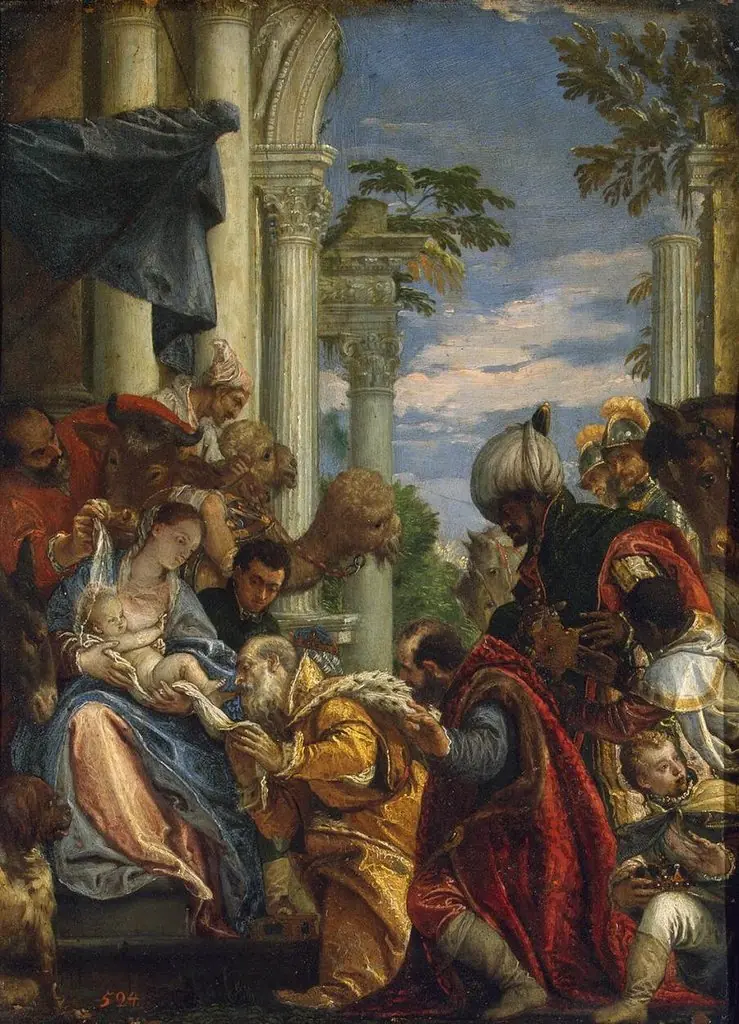
Adoration of the Kings is an oil painting by the Mannerist artist Taddeo Zuccari. It dates from 1550 and is held in the collection of the Fitzwilliam Museum.
About this work
Overview
Taddeo Zuccari’s *Adoration of the Kings*, executed in oil around 1550, is a Mannerist composition now held by the Fitzwilliam Museum. The work presents a compact group assembled before a luminous infant, set against a ruinous backdrop that frames the central action with dramatic light.
Subject & Meaning
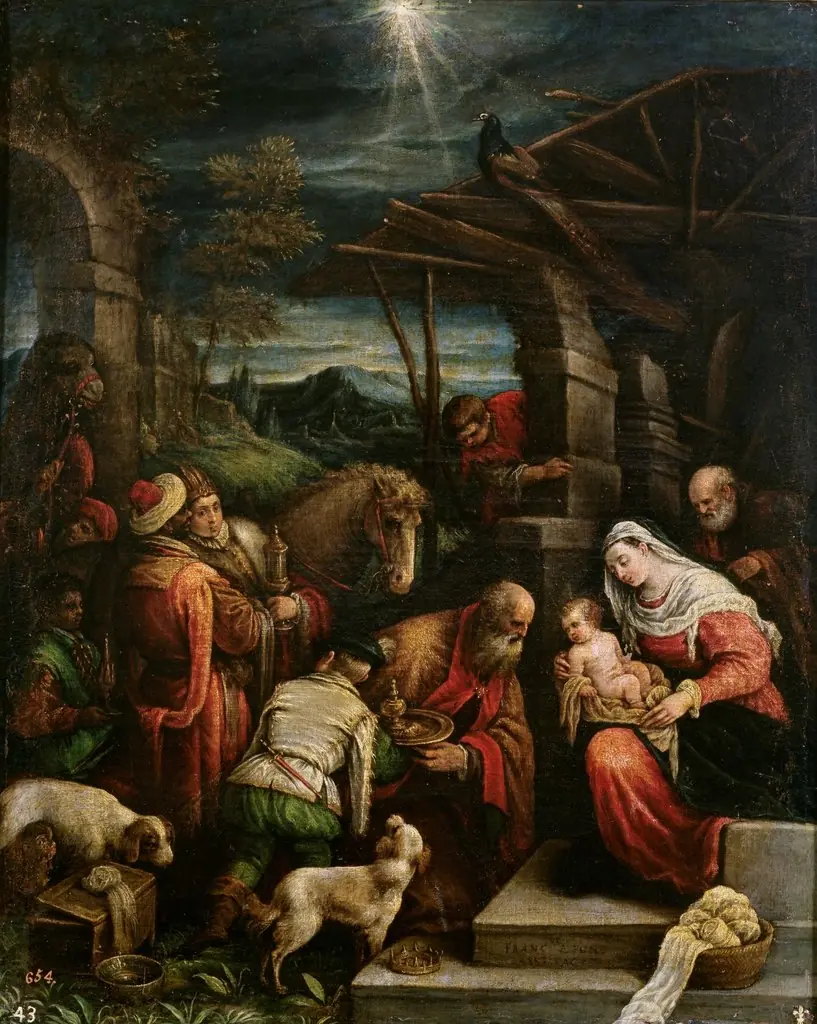
The scene portrays the biblical adoration of the newborn Christ. A woman, robed in blue and crowned with stars, cradles the infant, while three richly dressed figures—one bearing a golden staff—approach in reverence. An elderly kneeler gazes upward, emphasizing devotion and the recognition of divine authority.
Technique & Style
Zuccari employs pronounced chiaroscuro, using deep shadows and bright highlights to model faces and garments with a near‑sculptural solidity. The exaggerated poses, elongated forms, and vivid coloration are hallmarks of the Roman Mannerist idiom, creating a sense of theatricality and emotional intensity.
History & Provenance
Born in 1529, Zuccari emerged as a leading painter of the Roman Mannerist school before his death in 1566. *Adoration of the Kings* entered the Fitzwilliam Museum’s collection through acquisition in the 20th century, where it remains a representative example of his mature output.
Context
The painting reflects the mid‑16th‑century fascination with complex compositions and refined elegance that characterized Mannerism in Italy. Its architectural ruins and celestial light echo contemporary interests in antiquity and the theological emphasis on the Incarnation, situating the work within both artistic and devotional currents of its time.
Artist & collection
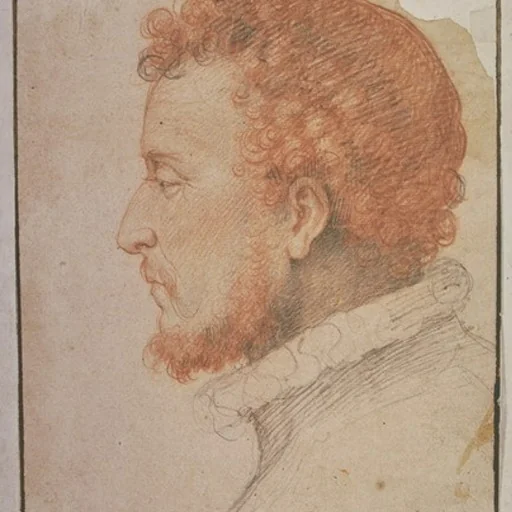
Artist
Taddeo Zuccaro (or Zuccari) (1 September 1529 – 2 September 1566) was an Italian painter, one of the most popular members of the Roman mannerist school.