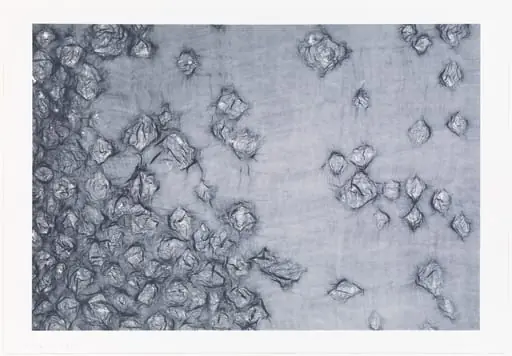
Artwork
Άτιτλο
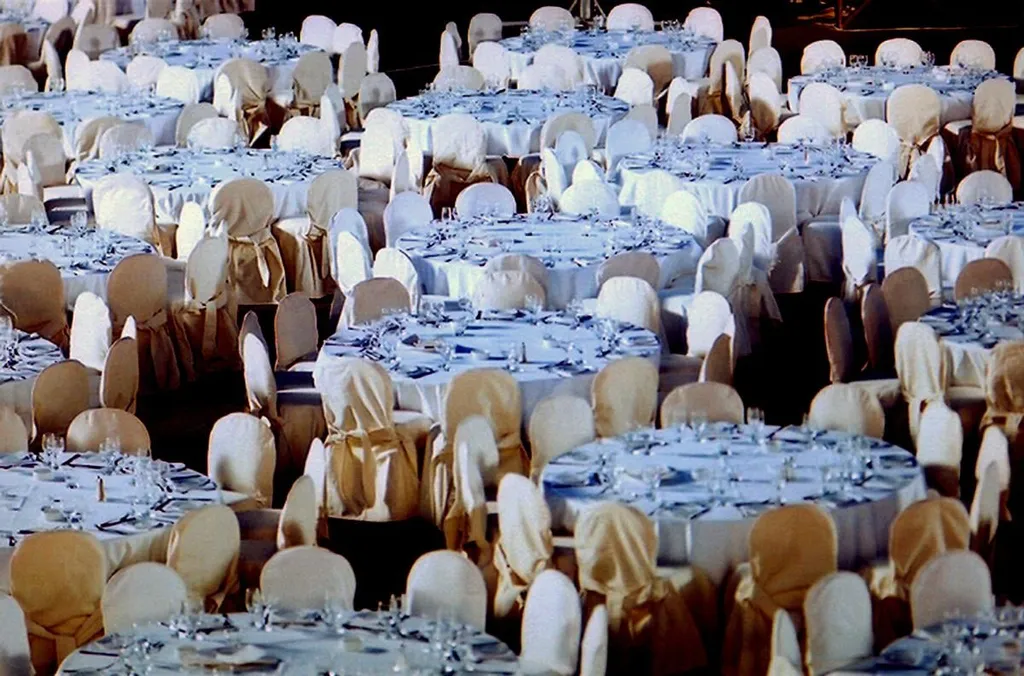
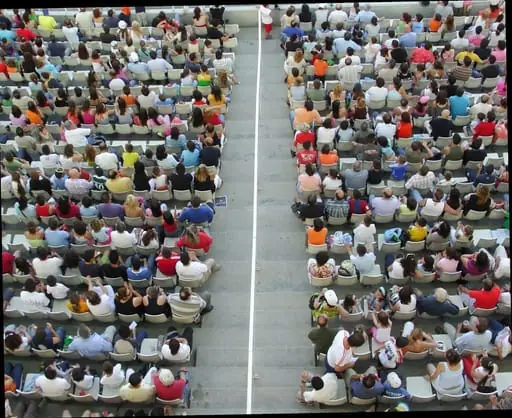
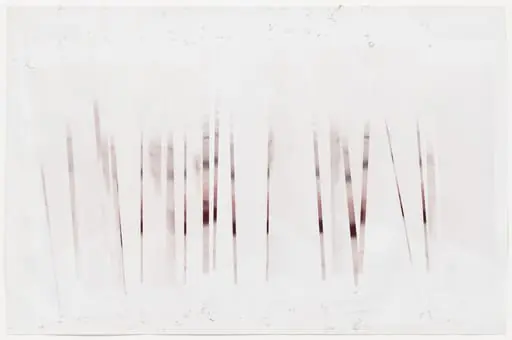
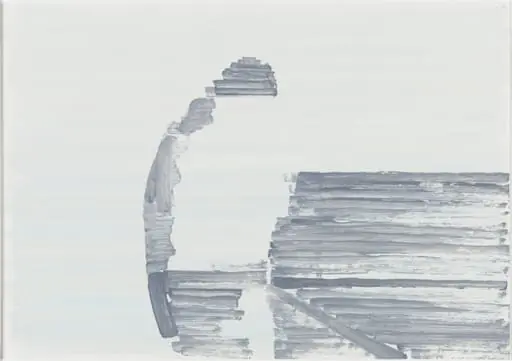
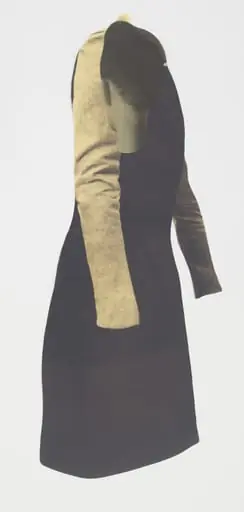
Άτιτλο is a photography by TASSOS KALIAKATSOS. It dates from 2006 and is held in the collection of the Athens School of Fine Arts. This photograph captures a dense urban crowd viewed from above, emphasizing collective movement over individual presence.
About this work
You see a crowd of people from above, all walking the same way, dressed in similar colors. Their heads line up like dots on a grid. The photo feels quiet, not loud.
This is a view we don’t often take. It shows how people move in sync without realizing it. The artist took it in 2006, but it could be any city, any year.
Look up the Museum of Ethnography.
Overview
This photograph captures a dense urban crowd viewed from above, emphasizing collective movement over individual presence. Taken in 2006, it presents a moment of quiet synchronization—people moving in unison, their forms reduced to rhythmic patterns by perspective and attire. The image avoids dramatic tension, instead inviting reflection on the subtle order embedded in daily public life.
Subject & Meaning
The subjects are anonymous figures, indistinguishable in posture and dress, moving along a shared path. Their alignment suggests an unspoken conformity, shaped by urban infrastructure and social habit rather than conscious choice. The work does not judge but observes how individuals become part of a larger, invisible rhythm in the modern city.
Technique & Style
Shot from a high vantage point, the composition flattens depth, turning bodies into a grid of similar tones and shapes. The lighting is even, minimizing shadows and contrast, reinforcing the sense of uniformity. The absence of focal points or emotional expression directs attention to structure rather than narrative, enhancing the photograph’s observational tone.
History & Provenance
Created in 2006, the image entered the collection of the Museum of Ethnography, an institution focused on documenting human behavior through material and visual culture. Its inclusion reflects the museum’s interest in everyday rituals and social patterns, positioning the photograph as an anthropological record rather than a conventional artistic statement.
Context
The image resonates with broader 21st-century concerns about urbanization, anonymity, and the erosion of individuality in public spaces. While specific to its moment of capture, its visual language transcends place and time, echoing earlier studies of mass behavior in industrialized societies without overt political commentary.
Legacy
The photograph contributes to a visual tradition of documenting collective movement, influencing how institutions and viewers interpret the quiet mechanics of urban life. Its enduring relevance lies in its neutrality—it does not prescribe meaning but offers a frame through which to observe the subtle forces that shape human behavior in crowds.
Artist & collection
Artist