Artwork
Άτιτλο
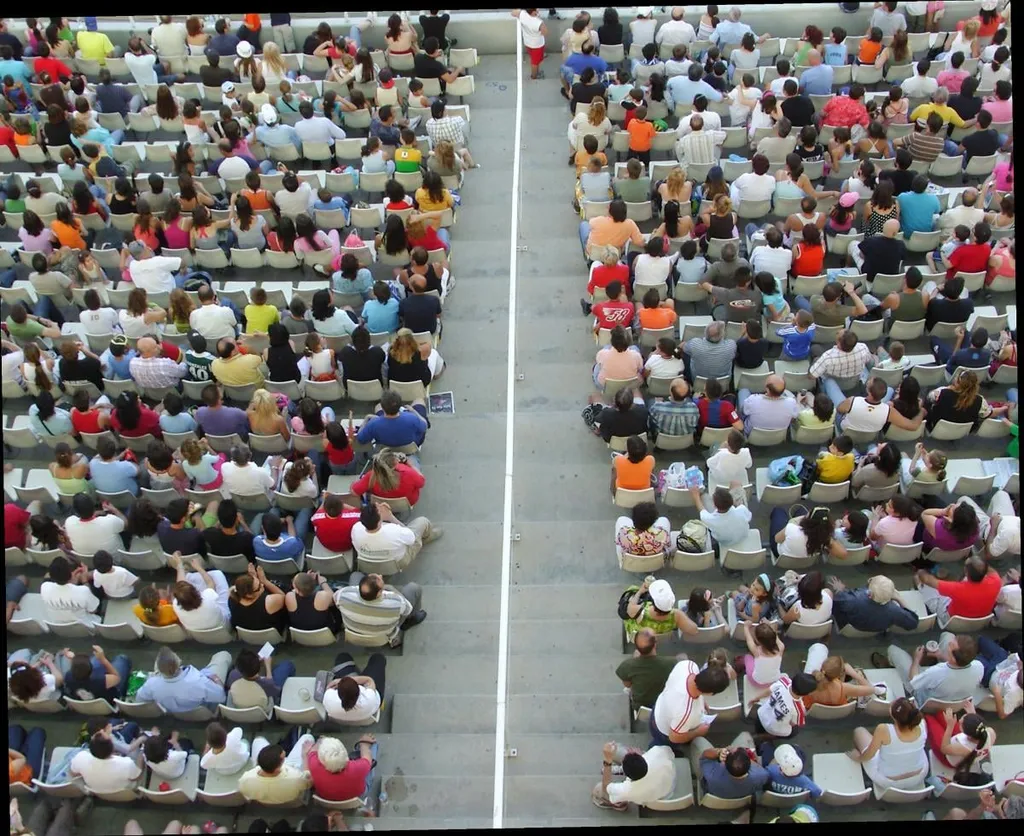
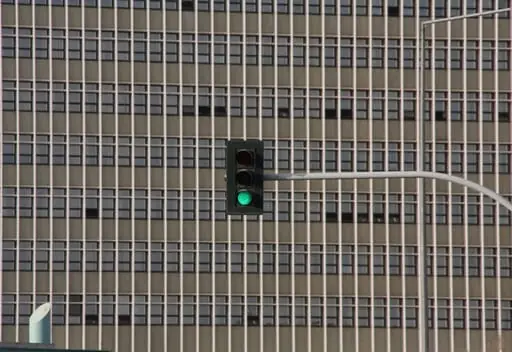
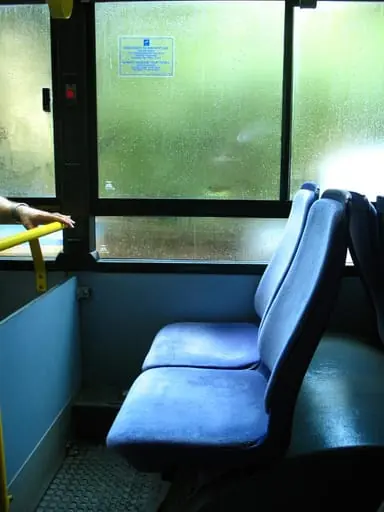
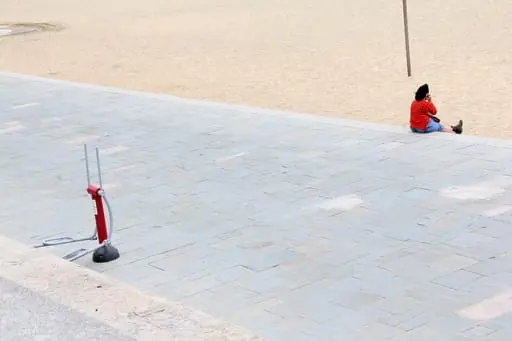
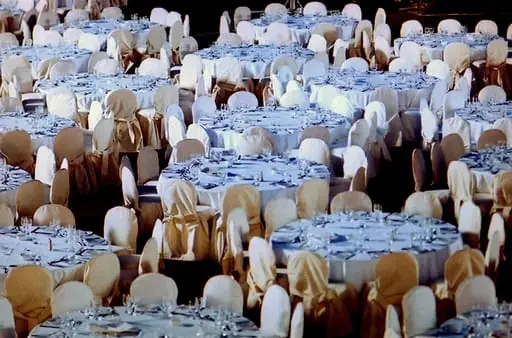
Άτιτλο is a photography by Dimitris Kostas. It dates from 2007 and is held in the collection of the Athens School of Fine Arts.
About this work
Overview
Created in 2007 by Greek artist Dimitris Kostas, this untitled work is part of the Museum of Ethnography’s collection. It depicts a group of individuals seated in orderly rows, all oriented toward a single direction. The scene captures a moment of suspended expectation, with no clear event or focal point visible, emphasizing the quiet tension of collective waiting.
Subject & Meaning
The painting portrays a crowd in casual attire, seated on light-colored chairs, some glancing sideways or upward, others engaged in quiet conversation.
The painting portrays a crowd in casual attire, seated on light-colored chairs, some glancing sideways or upward, others engaged in quiet conversation. The white line dividing the group suggests a threshold or boundary, reinforcing the sense of anticipation. The absence of a visible catalyst—no stage, speaker, or performer—invites reflection on the nature of communal patience and unspoken rituals.
Technique & Style
Kostas employs a restrained palette with varied hues in clothing to distinguish individuals within the uniformity of the setting. Brushwork is deliberate but not overly detailed, favoring flattened forms and soft edges. The composition is tightly structured, with perspective minimized to focus attention on the group’s collective posture rather than spatial depth.
History & Provenance
The work entered the Museum of Ethnography’s collection shortly after its completion in 2007. It was acquired directly from the artist, with no prior exhibition history documented. Its inclusion in an ethnographic context suggests an interest in documenting contemporary social behaviors rather than traditional cultural artifacts.
Context
Created during a period of increasing public awareness around civic participation and collective experience in Greece, the piece reflects broader societal themes of waiting—whether for political change, social recognition, or personal resolution. It aligns with post-2000 European art trends that examine everyday rituals as sites of meaning.
Legacy
Though not widely exhibited beyond its institutional home, the work remains a quiet reference in studies of contemporary Greek visual culture. Its focus on mundane, shared moments has influenced younger artists exploring the aesthetics of stillness and collective presence in urban environments.
Artist & collection
Artist
 Άτιτλο
 Άτιτλο
 Άτιτλο
 Untitled
 PORTRETUL SOȚIEI - ANA
 Flowers (Tulips and Daisies)
 Untitled
 Άτιτλο
 Dansatoare
 Untitled
 Burta-i iese pe gură
 Icoana o reprezintă pe Maica Domnului cu Pruncul Iisus, ferecată în metal (tablă) argintată, având gravate cuvintele „Maica Domnului, Iisus Hristos” în limba greacă, prescurtate. Ferecarea este în relief, decor fiind liniar, punctiform, vegetal, realizate prin batere – lovire cu ciocanul. Fețele sunt pictate. Cromatică: argintiu, maro, cărămiziu, alb, negru, auriu. Icoana este înrămată.