Artwork
Autoportret
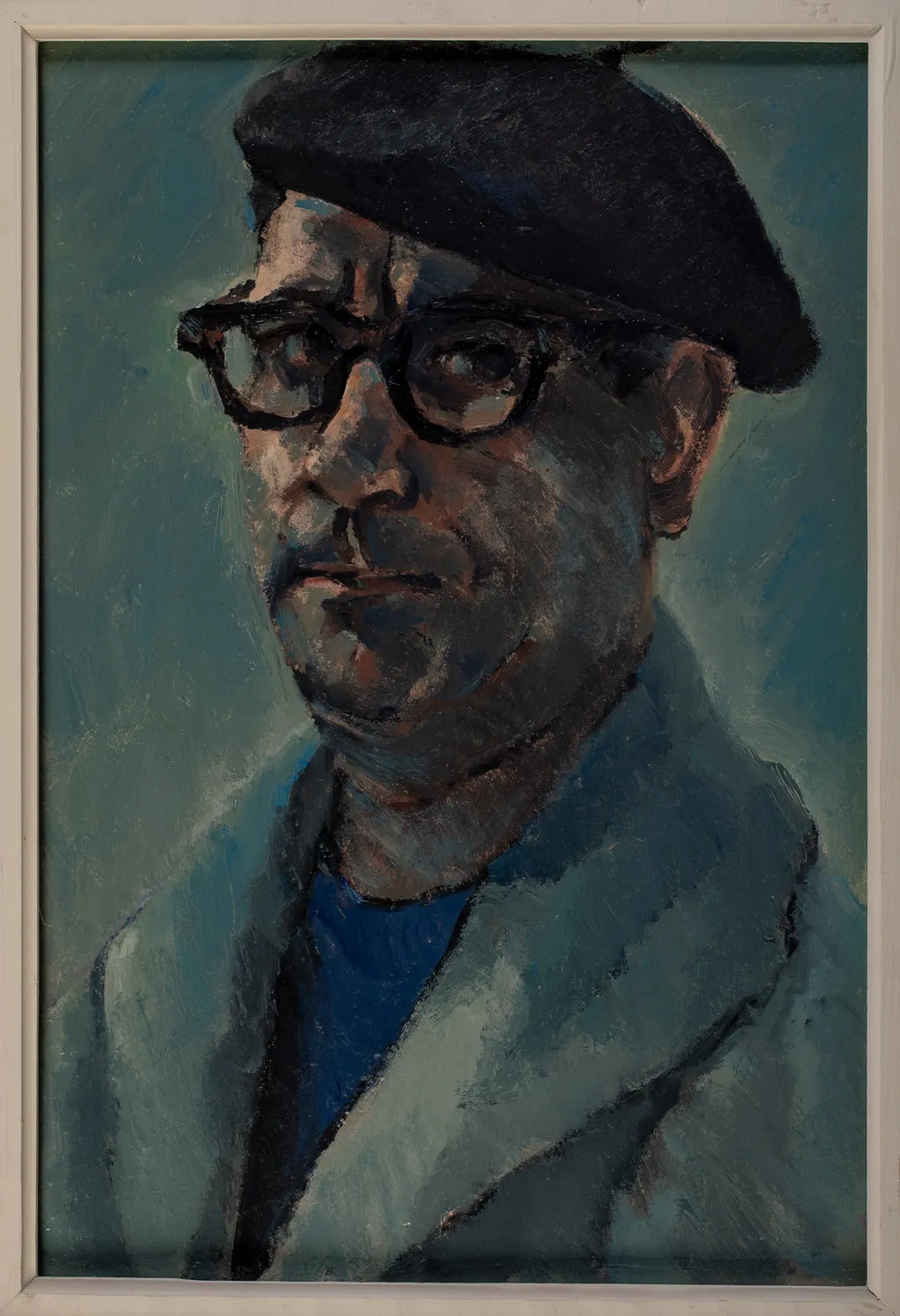
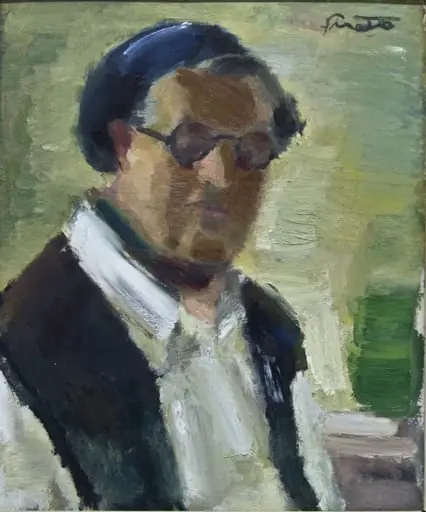
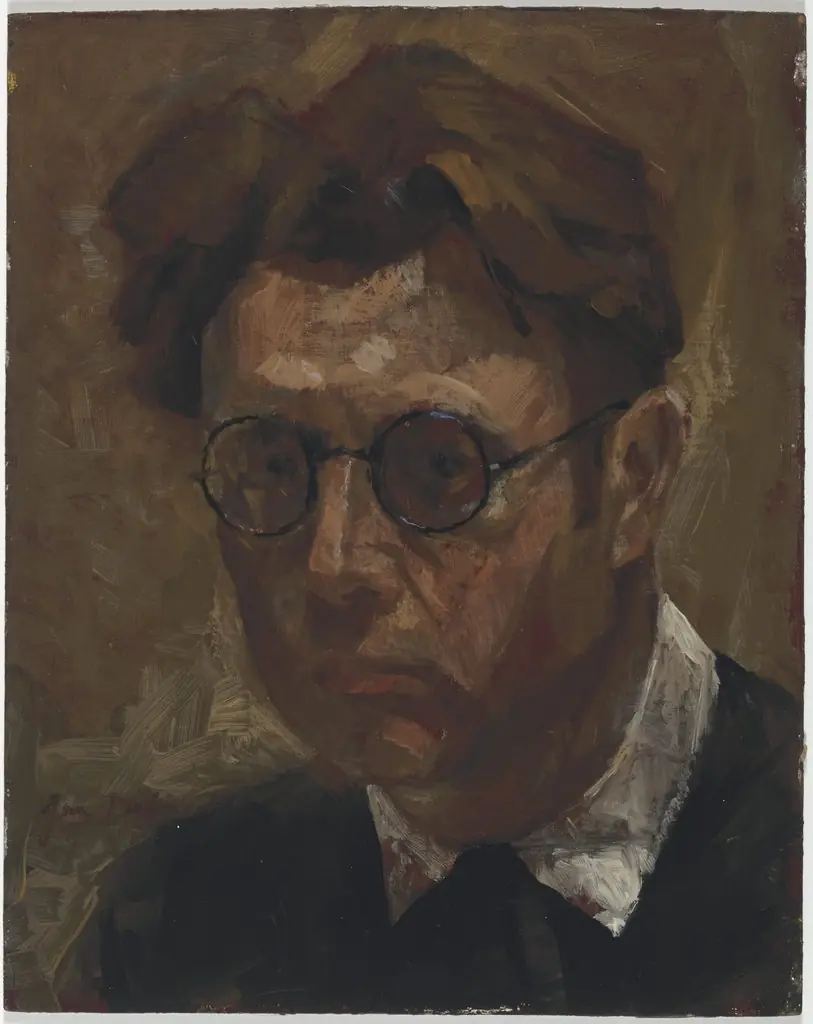
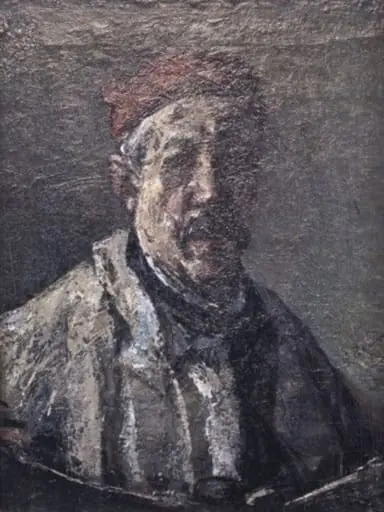
Autoportret is a print by Ștefan Hotnog. It is held in the collection of the Moldova National Museum Complex. This self-portrait presents a direct, unidealized view of the artist, rendered with minimal detail and a focus on broad forms.
About this work
Overview
The face, framed by a dark cap and thick glasses, emerges from a flat green background, emphasizing the subject’s presence without decorative distraction.
This self-portrait presents a direct, unidealized view of the artist, rendered with minimal detail and a focus on broad forms. The face, framed by a dark cap and thick glasses, emerges from a flat green background, emphasizing the subject’s presence without decorative distraction. Loose, textured brushwork suggests immediacy, as if the image were captured in a single sitting rather than meticulously composed.
Subject & Meaning
The artist turns the gaze inward, offering a candid, unadorned depiction of self. The heavy glasses and modest headwear imply introspection or practicality, while the absence of elaborate clothing or setting removes external identifiers. The work functions less as a statement of status and more as a quiet, unembellished record of appearance and presence.
Technique & Style
Brushstrokes are deliberately rough and unrefined, avoiding smooth blending or fine detail. Earthy tones dominate the face, contrasted by a hint of blue from the collar, adding subtle depth. The background is uniformly flat, eliminating spatial context and forcing attention onto the facial structure. The approach prioritizes expressive gesture over realism, aligning with a modernist tendency toward simplification.
History & Provenance
The work’s origin is not documented in available records, and no known exhibition or ownership history has been established. It is cataloged as an image without a specific date or collection attribution, suggesting it may have been privately held or produced outside formal artistic circuits.
Context
The painting’s style echoes early 20th-century shifts away from academic precision, favoring emotional or perceptual truth over polish. While not directly tied to movements like Expressionism or Fauvism, its disregard for detail and emphasis on color mass reflect broader trends in modern portraiture that valued authenticity over convention.
Legacy
The portrait’s rawness and economy of means anticipate later developments in informal self-representation, particularly in artists who used self-portraiture to explore identity without embellishment. Its lack of polish and absence of traditional framing make it a quiet precursor to more radical departures from portraiture norms in the mid-century.
Artist & collection
Artist
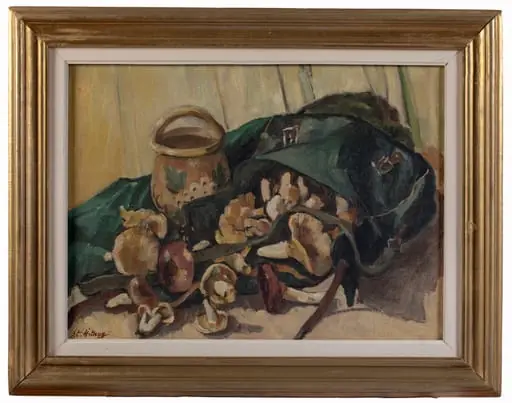
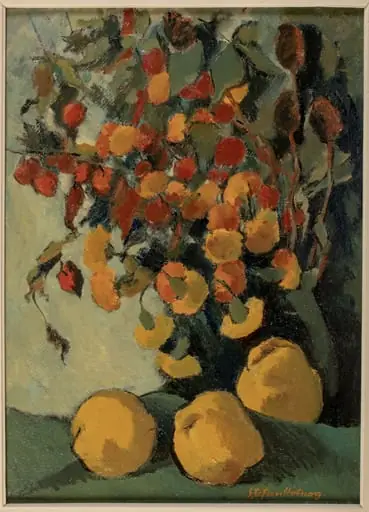
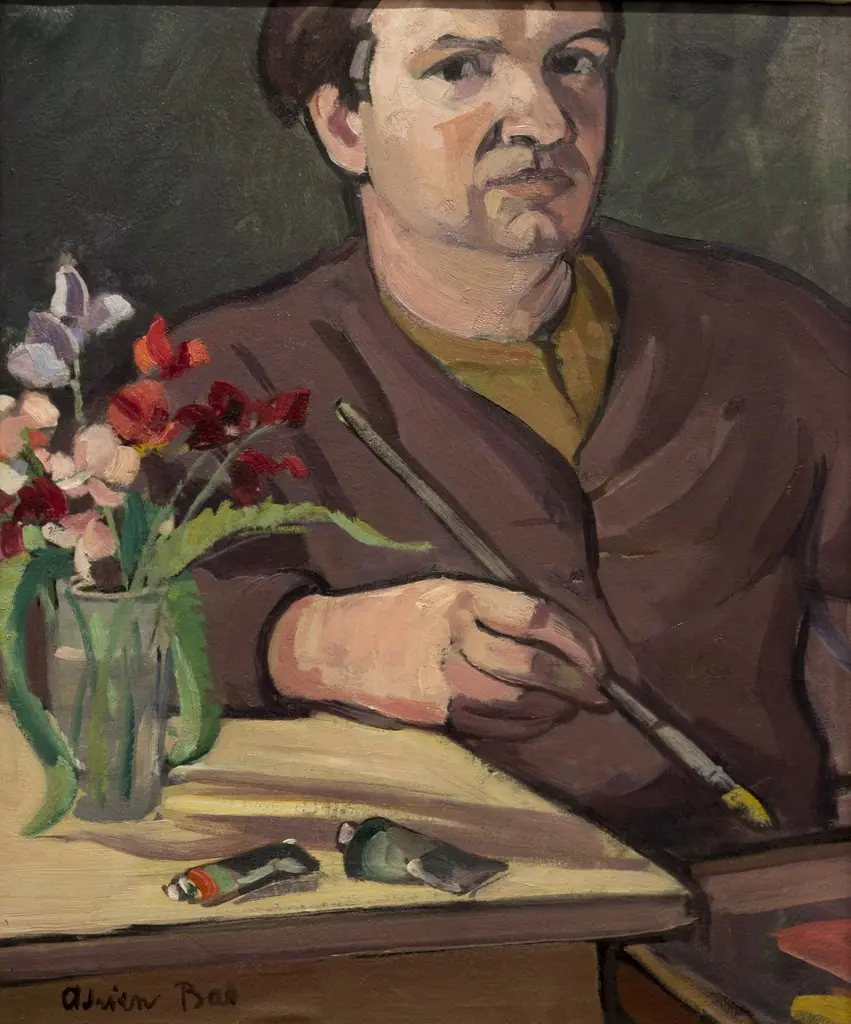
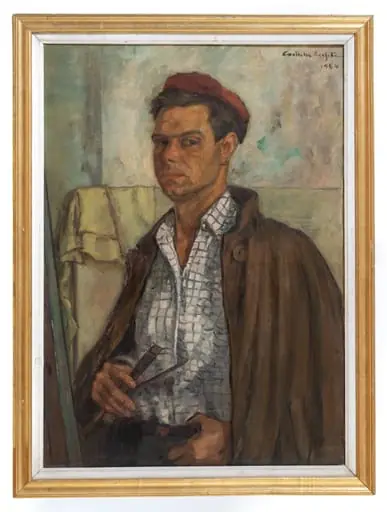
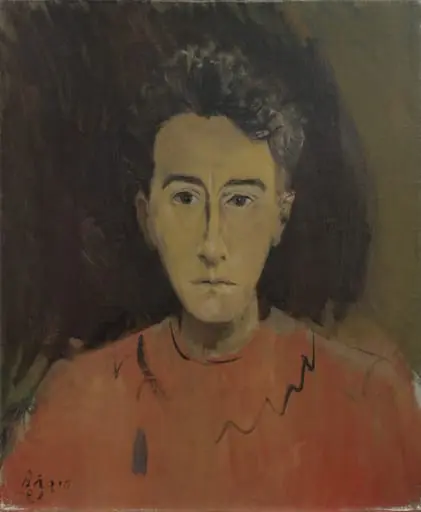
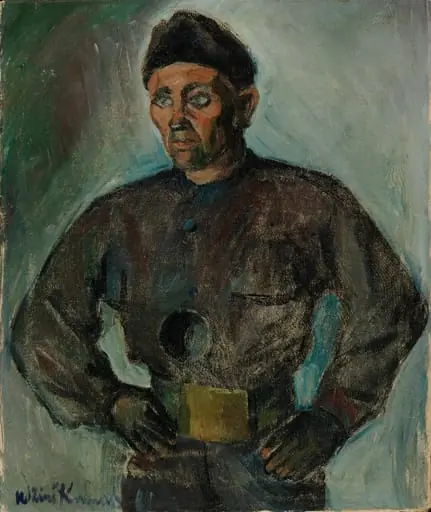
These prints and paintings show still lifes, landscapes, and self-portraits in a quiet, direct style.