Artwork
Philip as a Boy before Margaret of Austria
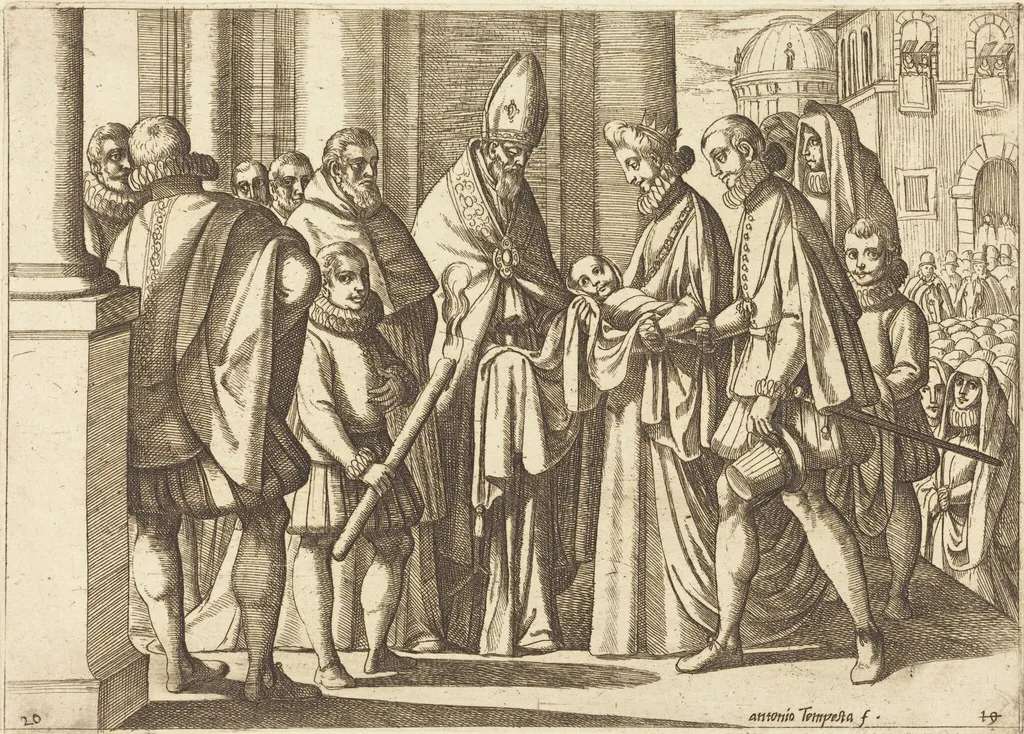
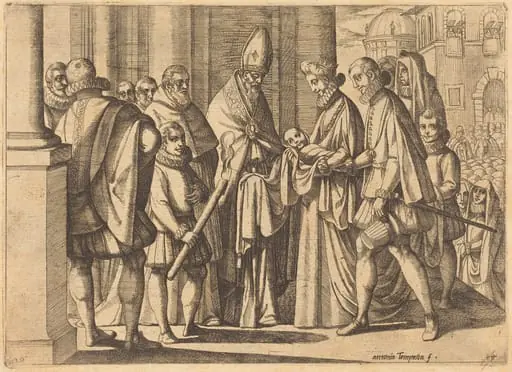
Philip as a Boy before Margaret of Austria is an ink print by the Baroque artist Antonio Tempesta. It dates from 1612 and is held in the collection of the National Gallery of Art.
About this work
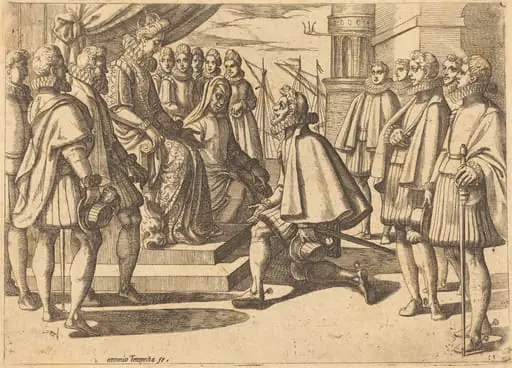
This etching shows a group of people dressed in old-fashioned clothes, standing in a room with tall columns.
This etching shows a group of people dressed in old-fashioned clothes, standing in a room with tall columns. A bishop in a tall hat holds a baby while a woman in fancy robes looks on. The men around them wear chainmail and hold swords or books. The scene looks formal, like a ceremony or important moment.
The artist used sharp lines to show texture in the fabrics and armor. The faces look serious, but the baby’s small hands add a quiet detail. This was made in 1612 as a portrait of Philip IV as a child.
Next, look up etching to see how artists like Tempesta made prints like this.
Overview
Antonio Tempesta’s 1612 etching, titled *Philip as a Boy before Margaret of Austria*, presents a young royal figure in a formal interior. The composition gathers a group of attendants—clergy, nobles, and soldiers—around the child, suggesting a ceremonial occasion. Rendered on laid paper, the image reflects the early‑Baroque taste for narrative clarity and detailed costuming.
Subject & Meaning
The central figure is the future Philip IV, shown as a small boy in the presence of Margaret of Austria, a prominent female patron of the Habsburg court. The surrounding attendants, including a bishop cradling an infant and armored men with swords and books, emphasize the political and dynastic significance of Philip’s upbringing within a courtly, religious framework.
Technique & Style
Tempesta employed a fine‑etched line to delineate the textures of silk, armor, and stone, allowing the intricate patterns of fabric and chainmail to emerge with clarity. The use of sharp hatching creates depth in the columned space, while the restrained tonal range typical of etching conveys a solemn atmosphere without resorting to heavy chiaroscuro.
History & Provenance
Created in Rome in 1612, the print was later issued as a restrike, indicating continued demand for the image after its initial release. Tempesta, an Italian artist who bridged Roman Baroque and Flemish print traditions, produced the work during a period when portraiture served both commemorative and propagandistic purposes for the Spanish Habsburg dynasty.
Artist & collection
Artist
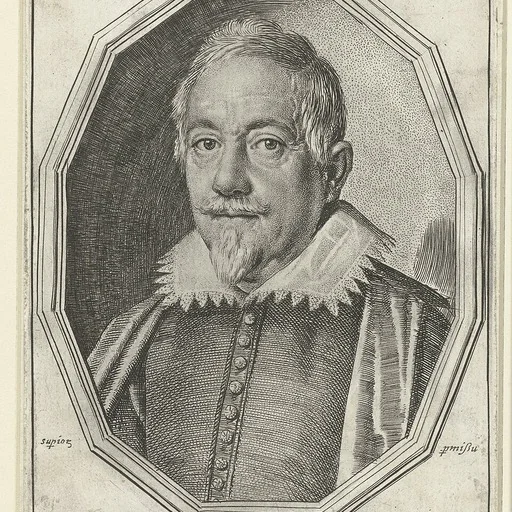
Antonio Tempesta, also called il Tempestino (1555 – 5 August 1630), was an Italian painter and engraver, whose art acted as a point of connection between Baroque Rome and the culture of Antwerp.

 Philip as a Boy before Margaret of Austria
![Philip as a Boy Before Margaret of Austria [verso], by Antonio Tempesta](https://artifactworldgallery.com/img/antonio-tempesta--philip-as-a-boy-before-margaret-of-austria-verso--5d0bdff43e5d7fe9-w320.webp) Philip as a Boy Before Margaret of Austria [verso]
Philip as a Boy Before Margaret of Austria [verso]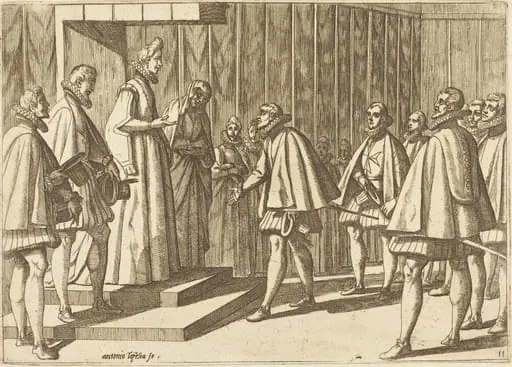 Italian Prince before Margaret of Austria
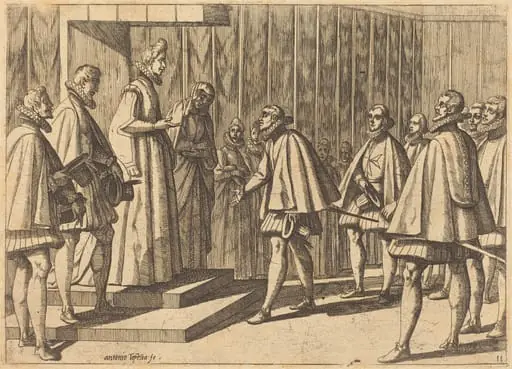 Italian Prince before Margaret of Austria
![The Betrothal of Margaret of Austria to Philip III, King of Spain [verso], by Raffaello Schiaminossi](https://artifactworldgallery.com/img/raffaello-schiaminossi--the-betrothal-of-margaret-of-austria-to-philip-iii-king-of-s--509229b9feb3b80f-w320.webp) The Betrothal of Margaret of Austria to Philip III, King of Spain [verso]
The Betrothal of Margaret of Austria to Philip III, King of Spain [verso]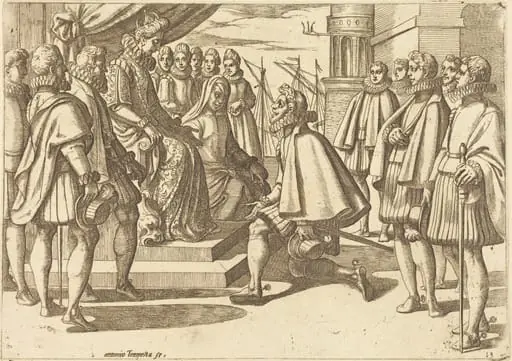 Spanish Duke before Margaret of Austria
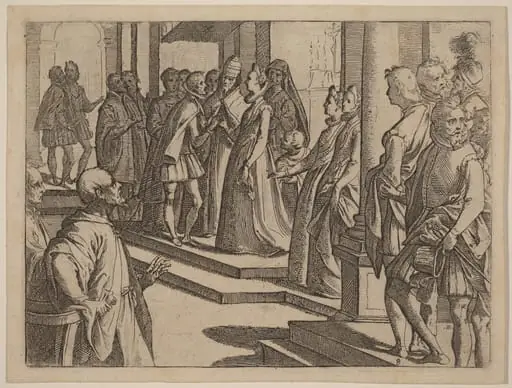 The Betrothal of Margaret of Austria to Philip III, King of Spain
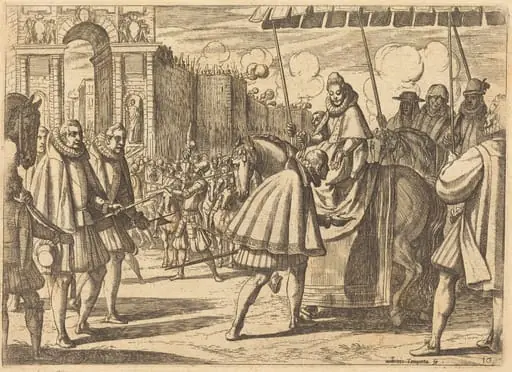 Triumphal Entry of Margaret of Austria
![Spanish Duke Before Margaret of Austria [verso], by Antonio Tempesta](https://artifactworldgallery.com/img/antonio-tempesta--spanish-duke-before-margaret-of-austria-verso--9bdf15ebc4e5a042-w320.webp) Spanish Duke Before Margaret of Austria [verso]
Spanish Duke Before Margaret of Austria [verso]![Marriage of Margaret of Austria and Philip III [verso], by Jacques Callot](https://artifactworldgallery.com/img/jacques-callot--marriage-of-margaret-of-austria-and-philip-iii-verso--865d26b5b3dbf236-w320.webp) Marriage of Margaret of Austria and Philip III [verso]
Marriage of Margaret of Austria and Philip III [verso]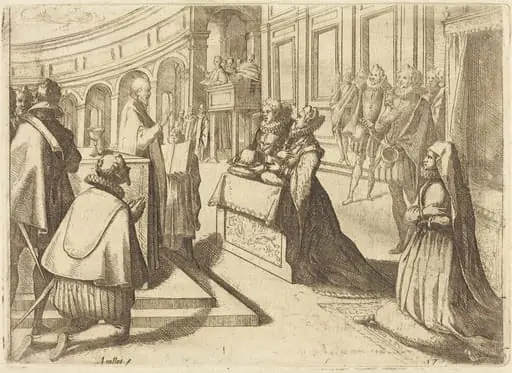 Marriage of Margaret of Austria and Philip III
 Spanish Duke before Margaret of Austria