Artwork
Schlachtenbild
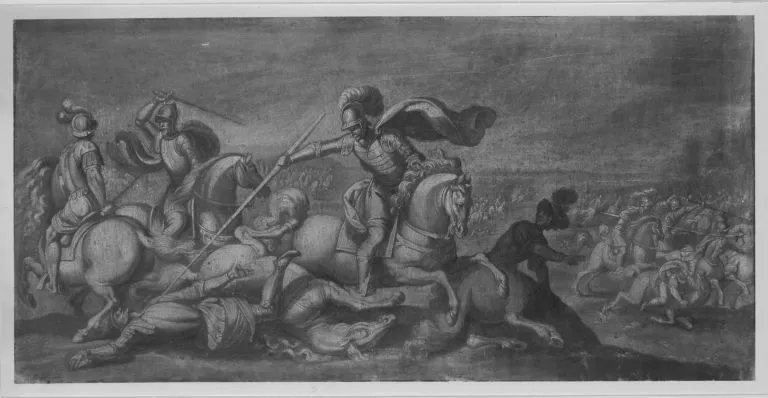
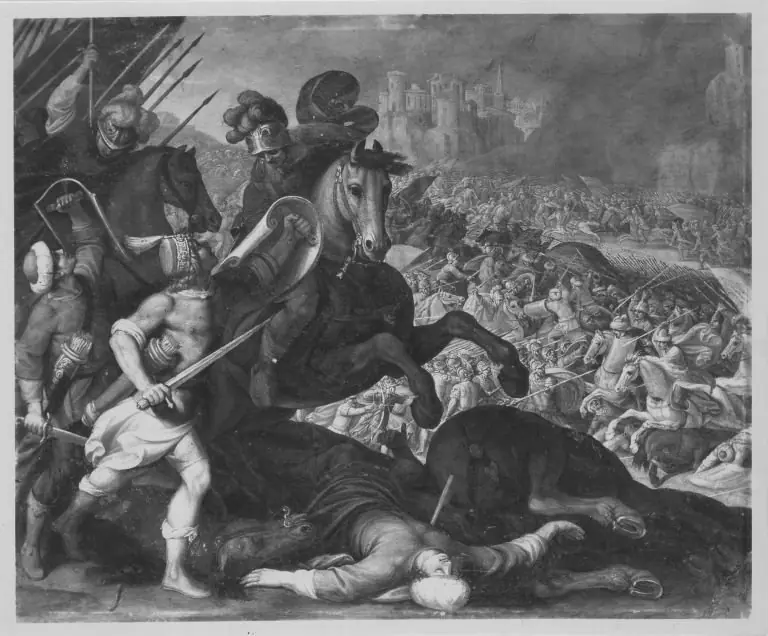
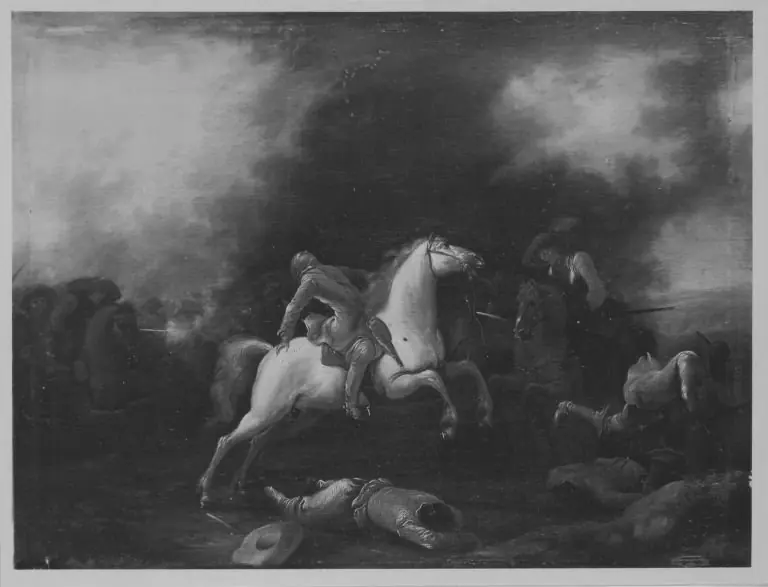
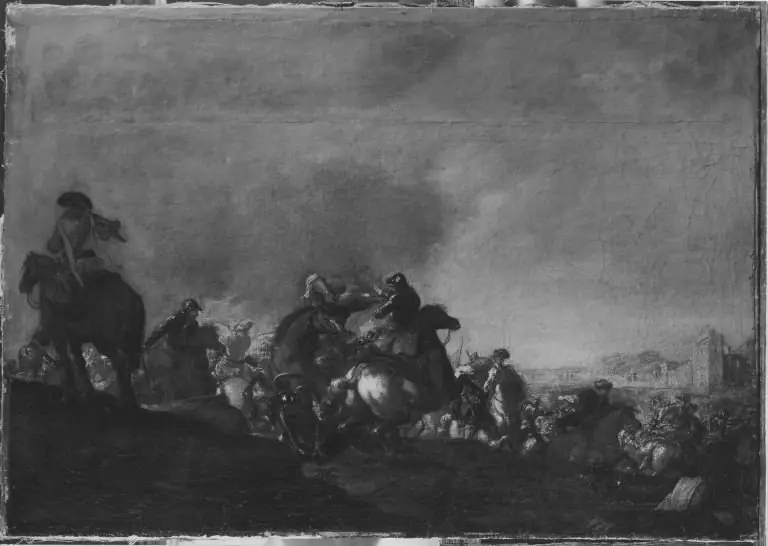
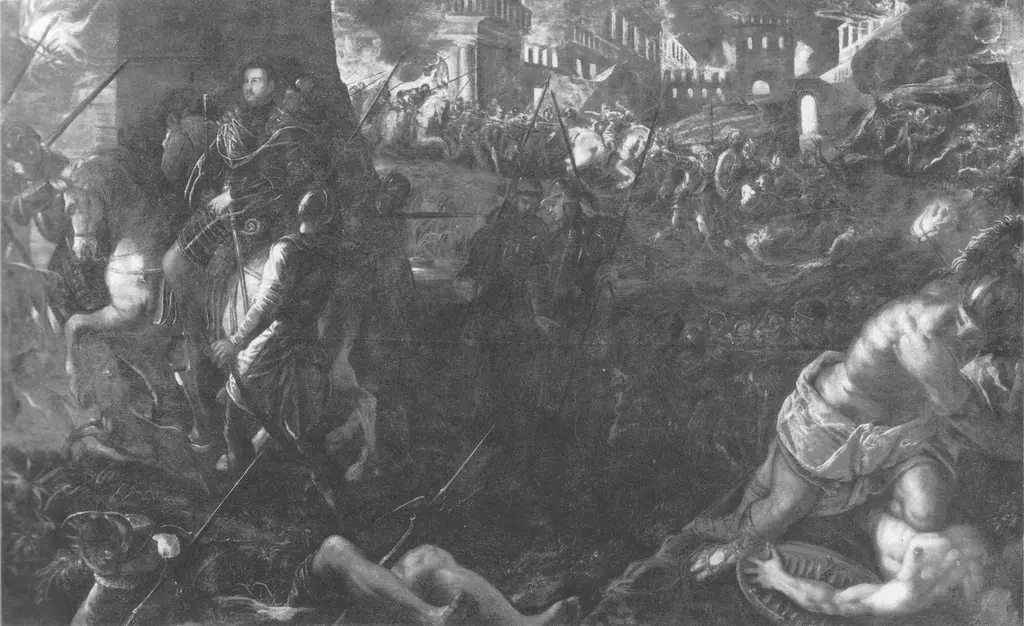
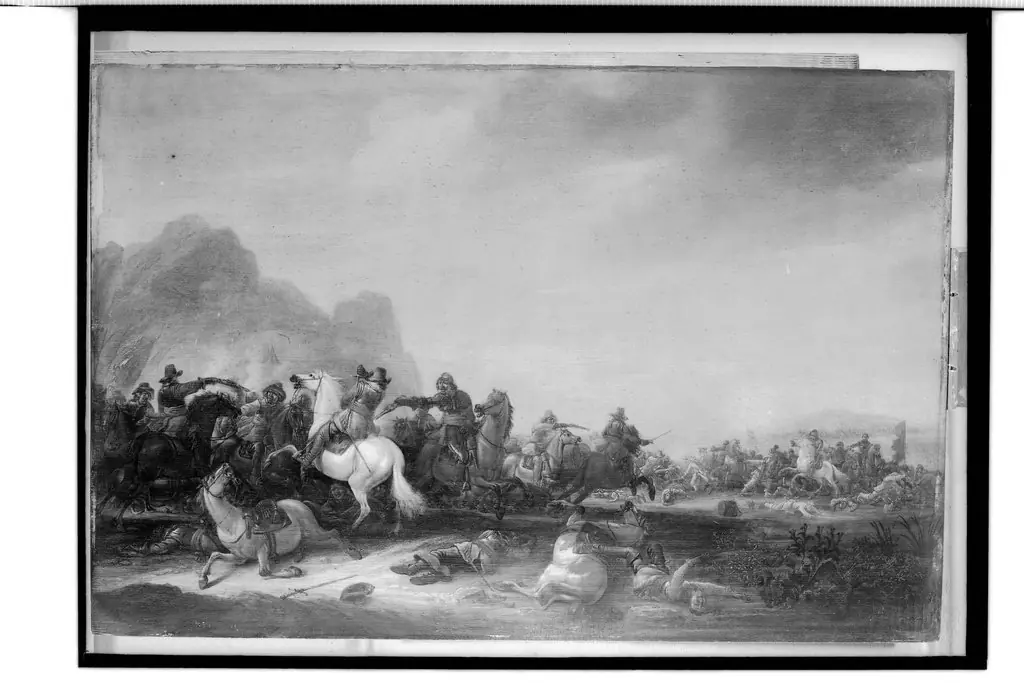
Schlachtenbild is an unspecified painting by the Early Baroque Italian artist Antonio Tempesta. It dates from 1596 and is held in the collection of the Bavarian State Painting Collections.
About this work
Overview
Tempesta, active in Rome and known by the nickname *il Tempestino*, combined Italian compositional rigor with Northern European attention to detail.
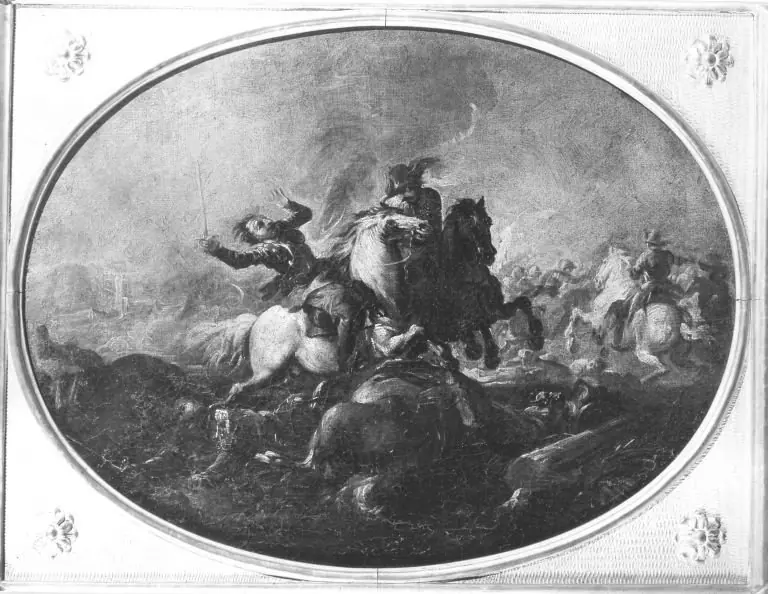
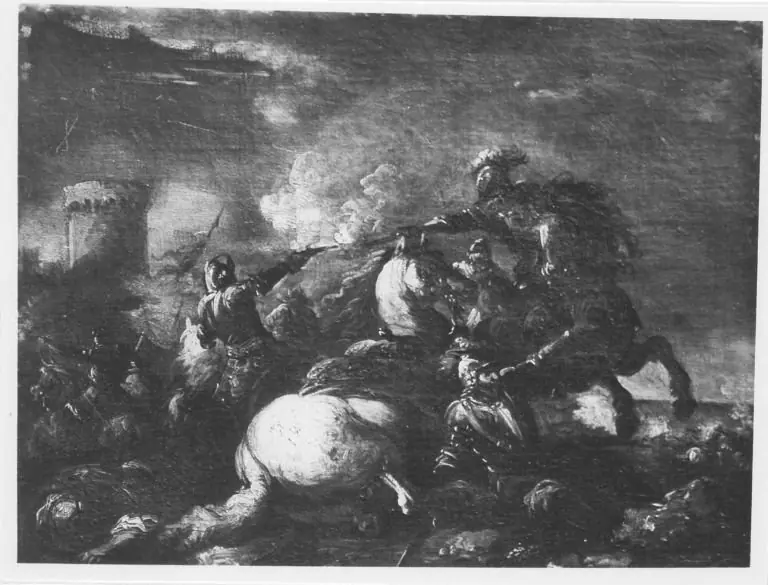
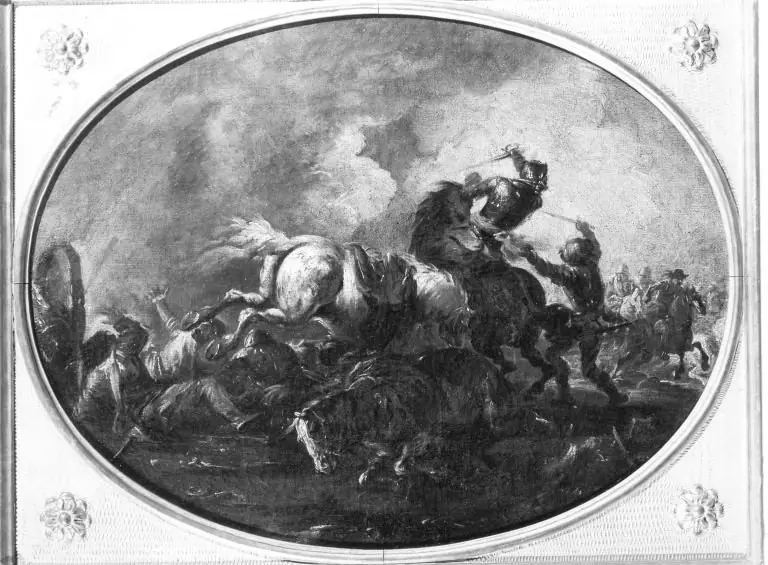
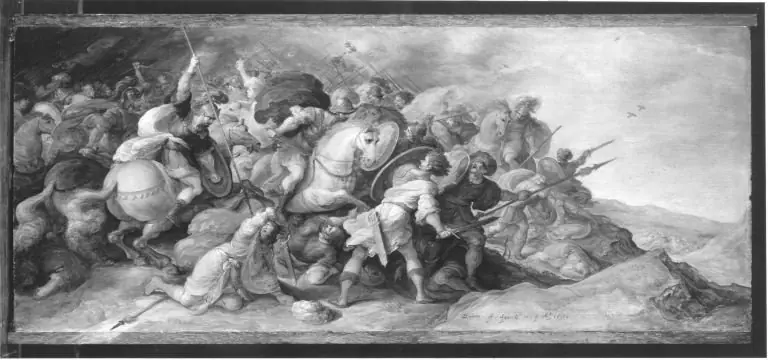
Antonio Tempesta’s *Schlachtenbild*, dated 1596, is an early Baroque oil painting that captures the intensity of combat. Tempesta, active in Rome and known by the nickname *il Tempestino*, combined Italian compositional rigor with Northern European attention to detail. The work is part of the Alte Pinakothek’s collection in Munich, reflecting its significance in European military imagery of the late 16th century.
Subject & Meaning
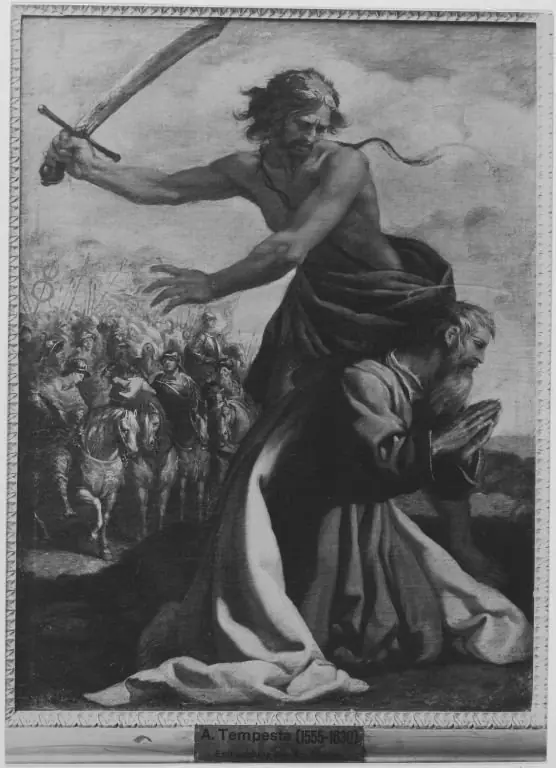
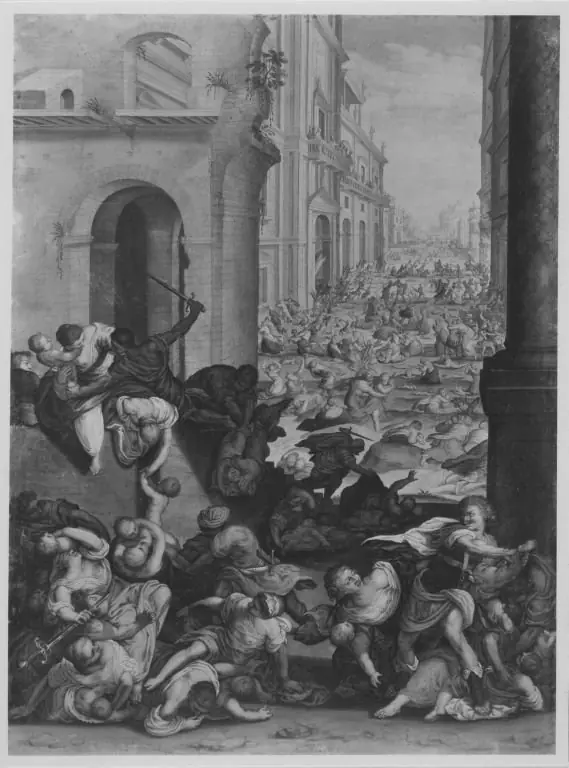
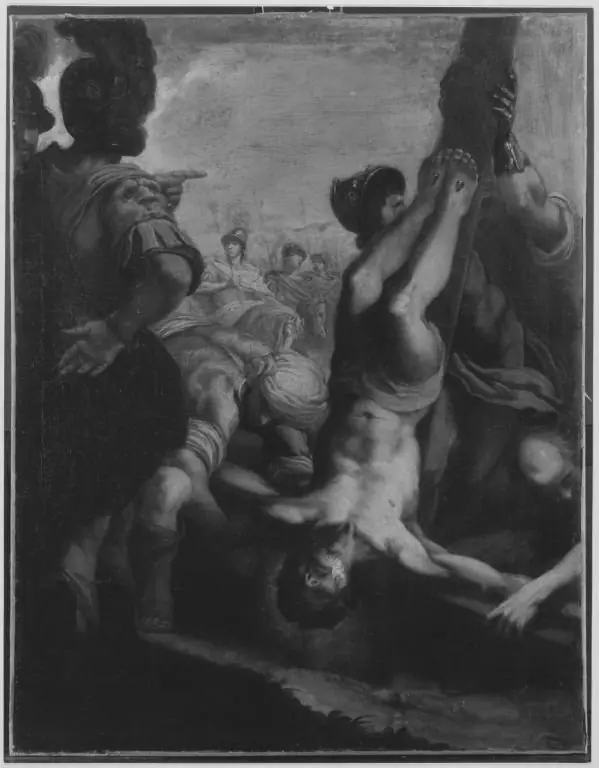
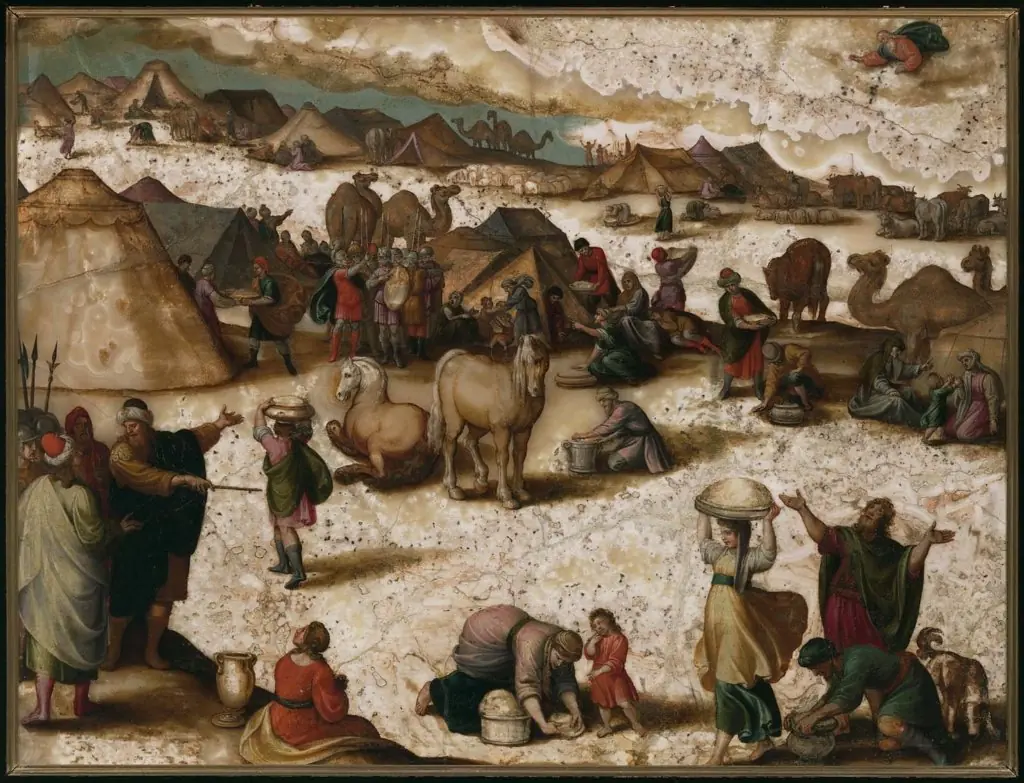
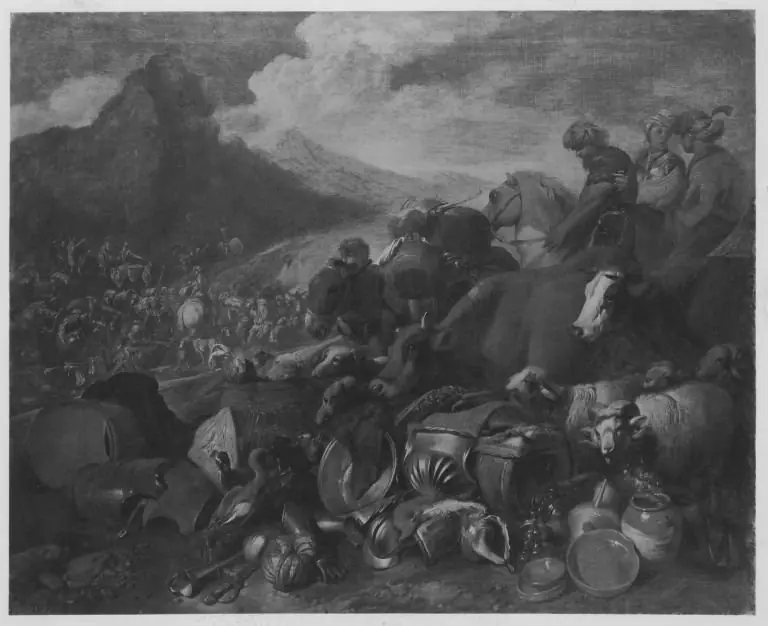
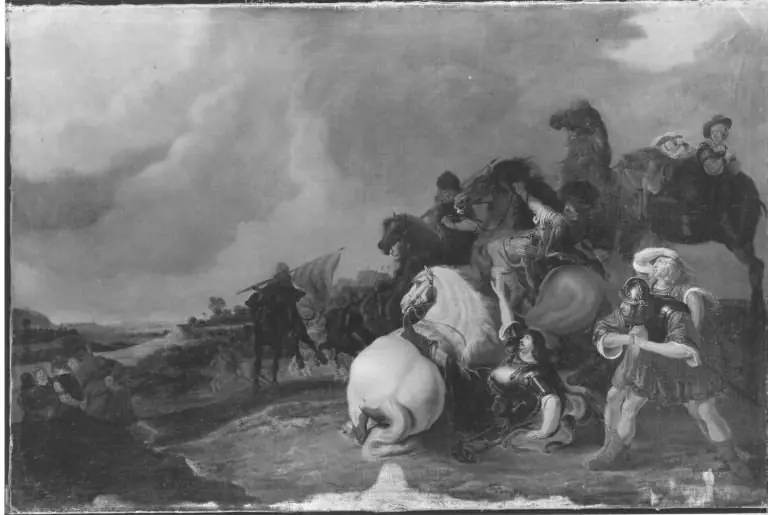
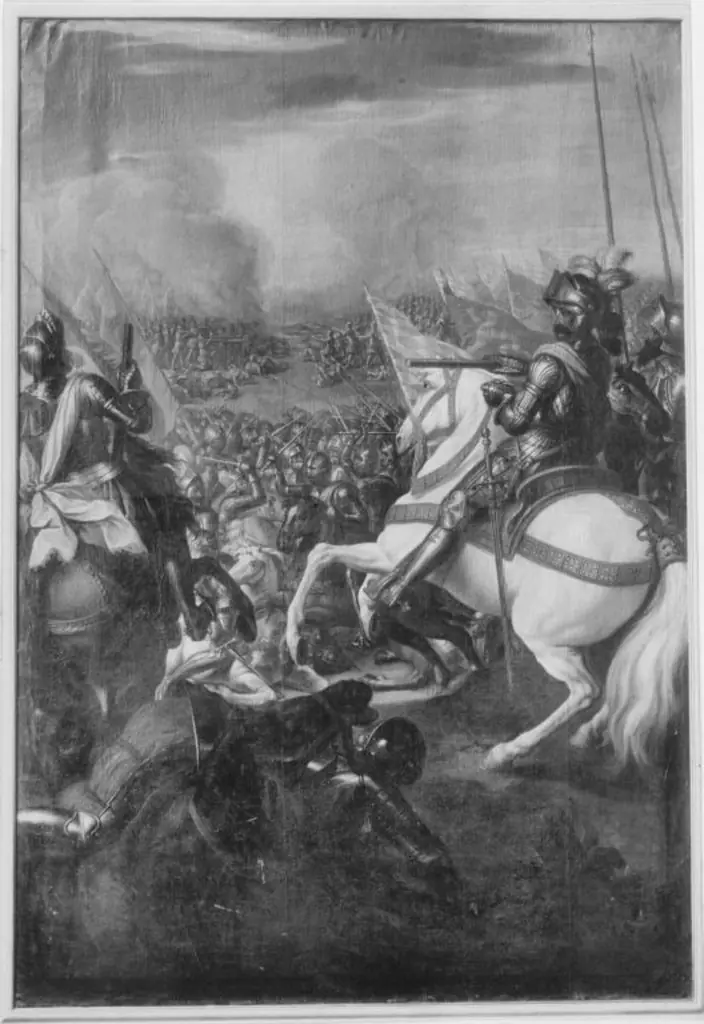
The painting portrays a violent, crowded battlefield with mounted soldiers engaged in close combat. Figures are shown in moments of fall or struggle, emphasizing chaos and physical exertion. While no specific historical conflict is identified, the scene reflects the era’s fascination with warfare as a test of valor and order. The absence of clear narrative markers suggests a generalized representation of battle rather than a documented event.
Technique & Style
Tempesta employs strong chiaroscuro to isolate foreground figures against a dimmer, indistinct background, enhancing spatial depth and emotional tension. Brushwork is precise in rendering armor and weaponry, while distant elements are rendered with looser strokes to suggest movement and scale. The composition is densely packed, yet carefully structured to guide the viewer’s eye through the melee without overwhelming it.
History & Provenance
Created in 1596, the painting entered the Alte Pinakothek’s collection in the 19th century as part of the Bavarian royal holdings. Its presence there aligns with the museum’s focus on early Baroque and Northern Renaissance works. Tempesta’s reputation as both painter and engraver helped disseminate his battle scenes across Europe, though few large-scale paintings from this period survive with documented provenance.
Context
In late 16th-century Italy, battle scenes were popular among patrons seeking to commemorate martial prowess, especially amid ongoing conflicts like the Eighty Years’ War and the Ottoman-Habsburg struggles. Tempesta’s work reflects this trend, blending the dynamism of Flemish battle painting with the classical structure favored in Roman academies. His engravings of similar scenes reached wider audiences, influencing the visual language of war imagery.
Legacy
Tempesta’s *Schlachtenbild* exemplifies the transition from Mannerist complexity to Baroque dynamism in Italian art. Though less celebrated than contemporaries like Caravaggio, his ability to convey motion and violence through controlled composition influenced later battle painters. The painting remains a key example of how military themes were rendered with both realism and symbolic weight in the early Baroque period.
Artist & collection
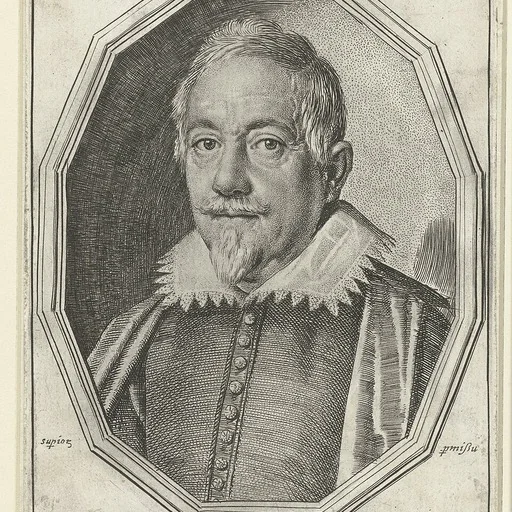
Artist
Antonio Tempesta, also called il Tempestino (1555 – 5 August 1630), was an Italian painter and engraver, whose art acted as a point of connection between Baroque Rome and the culture of Antwerp.