Artwork
Doi fumători într-o tavernă
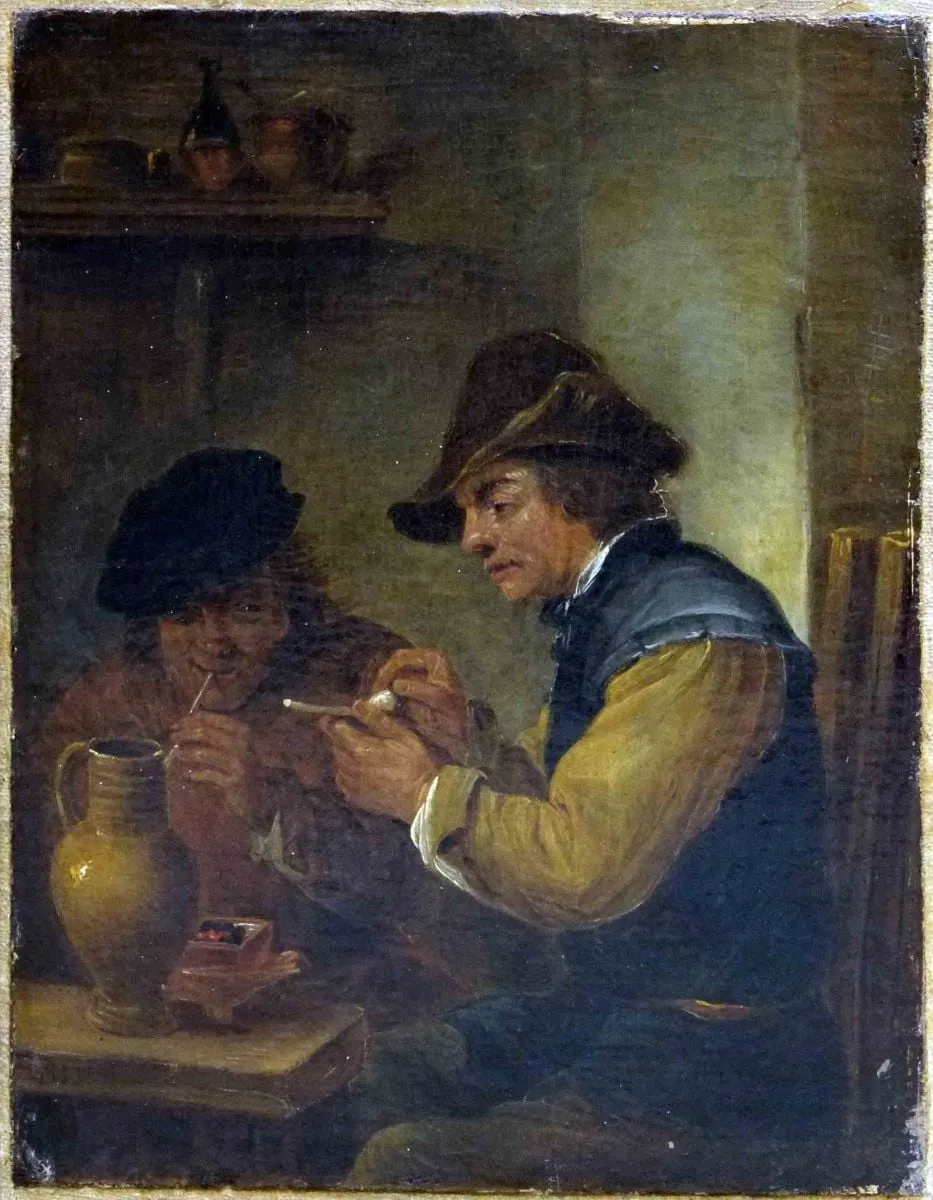
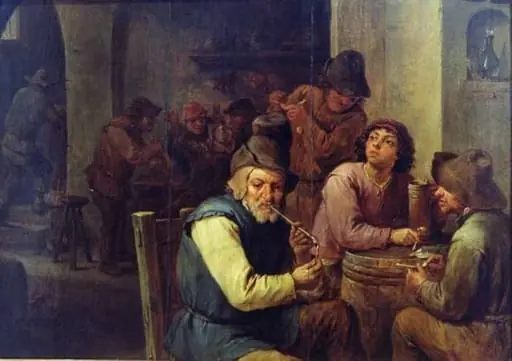
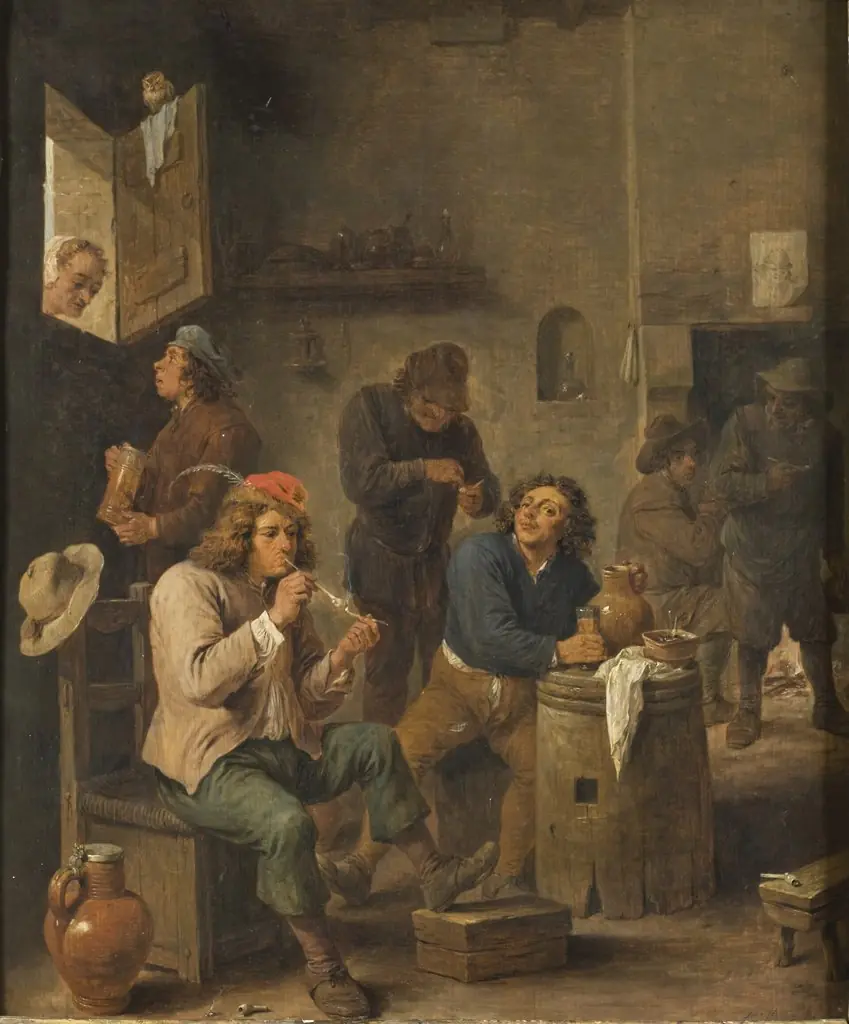
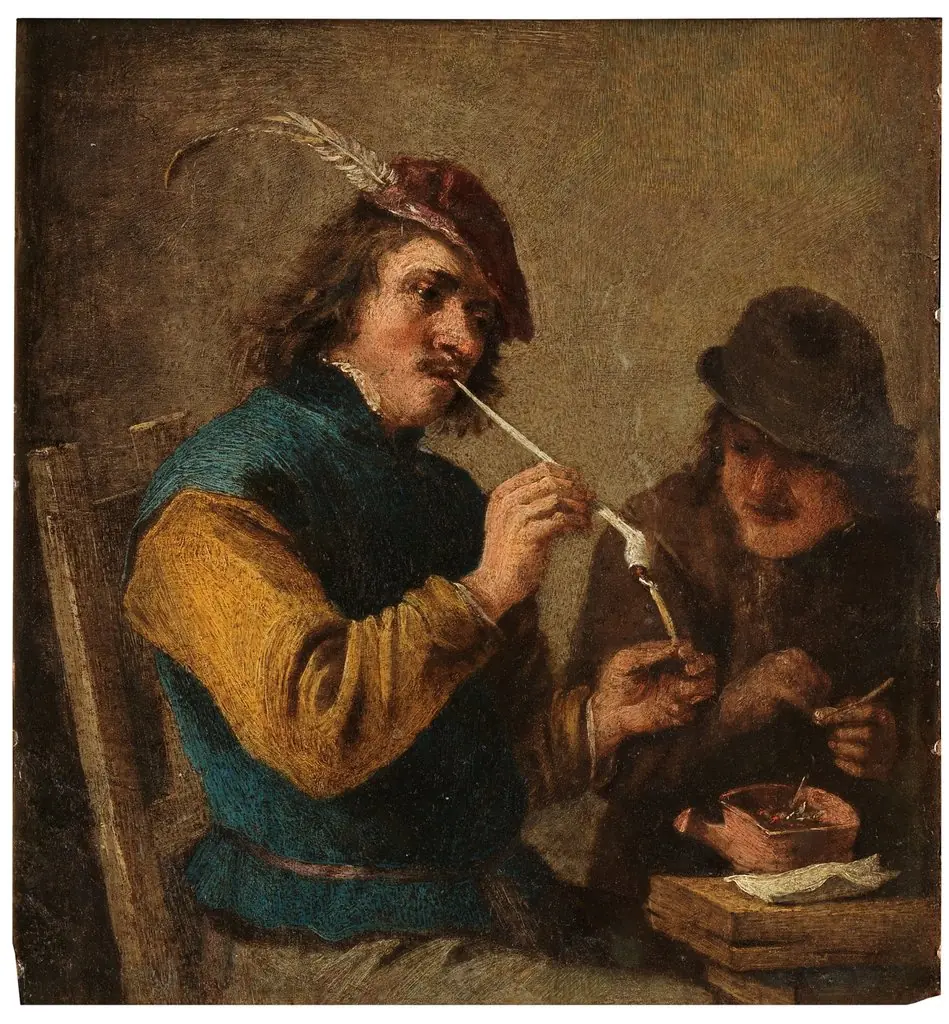
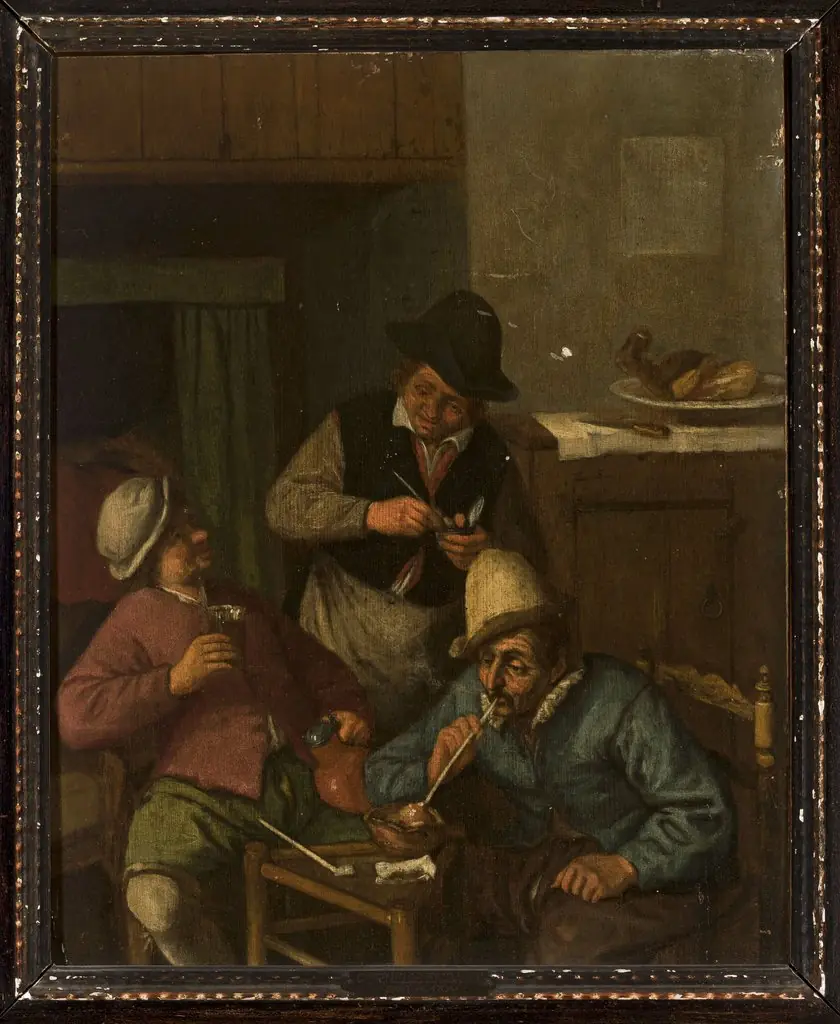
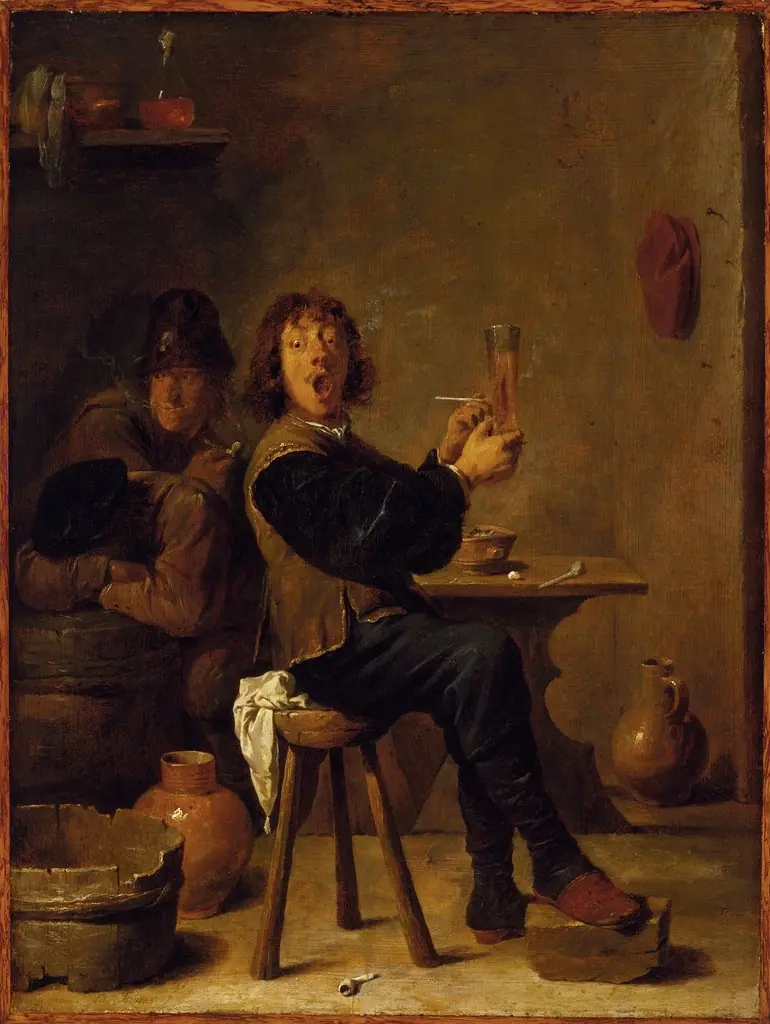
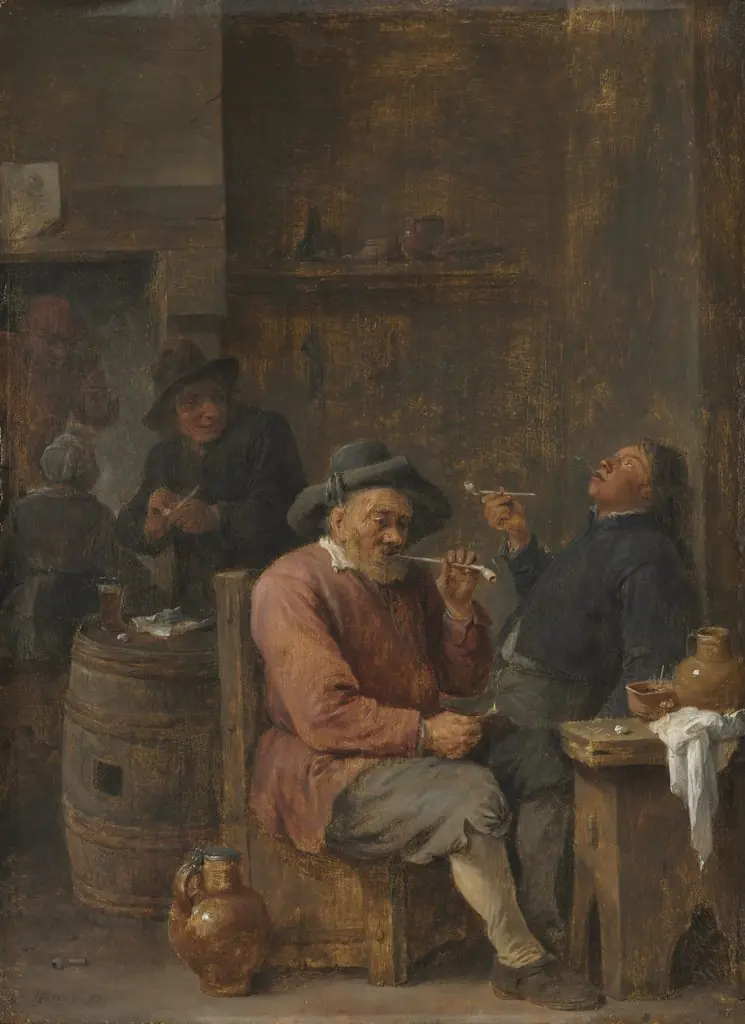
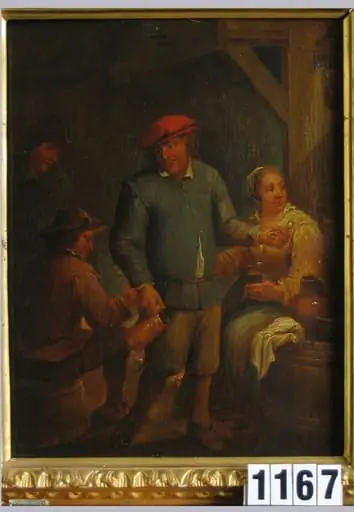
Doi fumători într-o tavernă is an unspecified painting by the Baroque artist David cel Tânăr Teniers. It is held in the collection of the National Museum of Art of Romania. This image depicts two men seated in a modest tavern, each holding a pipe, their quiet companionship underscored by the slow rise of smoke.
About this work
Overview
This image depicts two men seated in a modest tavern, each holding a pipe, their quiet companionship underscored by the slow rise of smoke.
This image depicts two men seated in a modest tavern, each holding a pipe, their quiet companionship underscored by the slow rise of smoke. A woman in the background attends to patrons, while a slanted beam of light from a small window illuminates the wooden table, casting sharp contrasts against the dim interior. The scene captures an unremarkable moment of daily life, rendered with attention to atmosphere rather than drama.
Subject & Meaning
The figures represent ordinary working-class individuals engaged in a common ritual: smoking and sharing time in a tavern. The absence of narrative action emphasizes stillness and routine, suggesting a quiet dignity in mundane existence. The woman serving drinks reinforces the tavern as a social hub, where labor and leisure intersect without grandeur or spectacle.
Technique & Style
The artist employs subtle chiaroscuro to define space, using directional light to model surfaces and draw focus to the table and figures. Brushwork is restrained, favoring texture over detail—wood grain, fabric folds, and smoke are suggested rather than meticulously rendered. The palette is muted, dominated by earth tones, enhancing the intimate, enclosed feeling of the interior.
History & Provenance
Attributed to David Teniers the Younger, the work aligns with his broader output documenting Flemish peasant life in the mid-17th century. Likely produced for private collectors interested in genre scenes, it reflects the period’s growing appetite for depictions of everyday reality. Its provenance traces through European private collections, though specific ownership records remain incomplete.
Context
In 17th-century Flanders, tavern scenes were popular subjects among genre painters, offering a counterpoint to religious and mythological themes. Teniers and his contemporaries portrayed such spaces as sites of social equilibrium, where class and occupation blurred in shared routines. These images subtly affirmed the value of ordinary life amid a society still dominated by aristocratic patronage.
Legacy
Teniers’ focus on unidealized domestic and working-class settings influenced later genre painters across Northern Europe. His approach helped normalize the depiction of common people as worthy subjects of art, paving the way for 18th- and 19th-century realist traditions. While not widely exhibited today, his works remain referenced in studies of early modern social representation.
Artist & collection
Artist
A Flemish painter who loved taverns and card games, he filled canvases with warm, smoky rooms where figures huddle around tables.