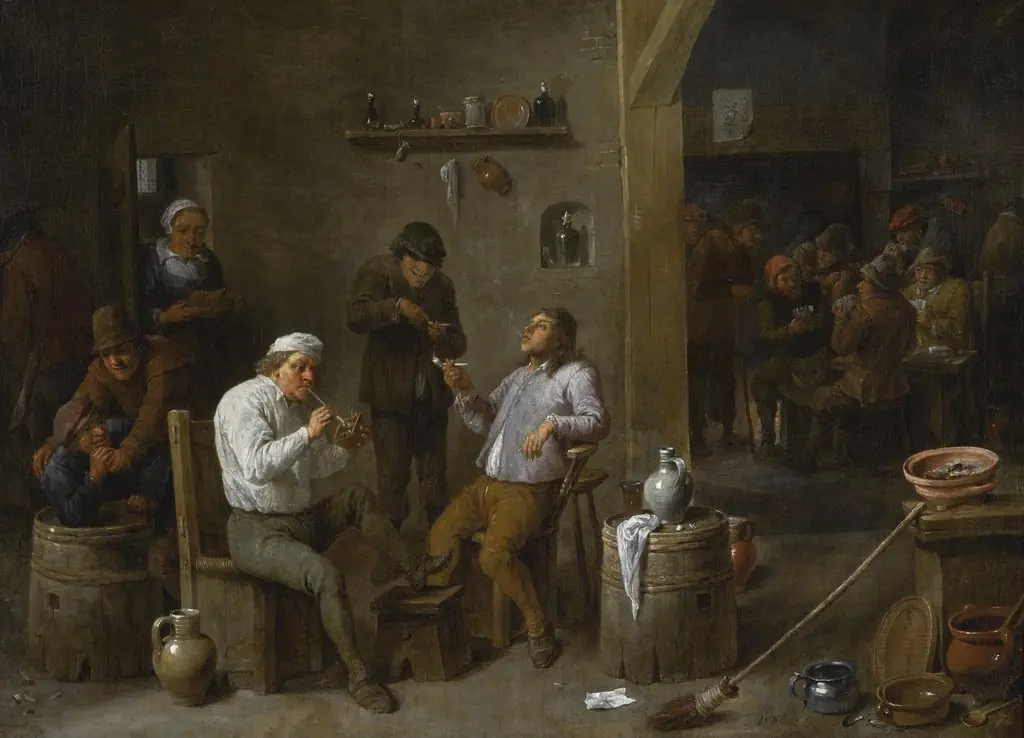
Artwork
Cârciumă olandeză
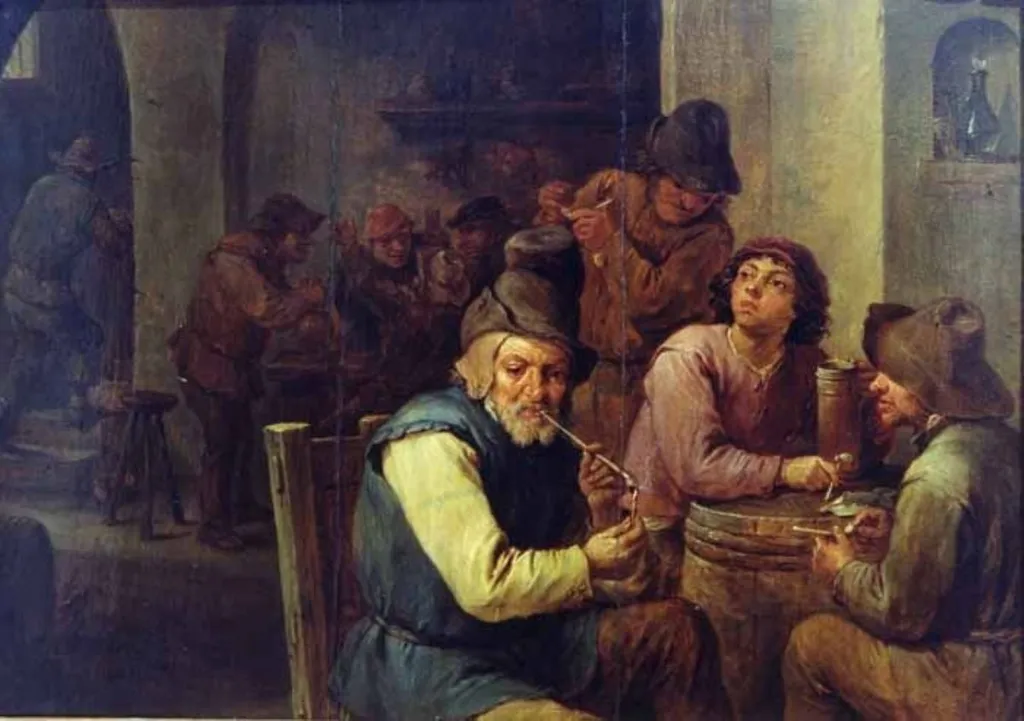
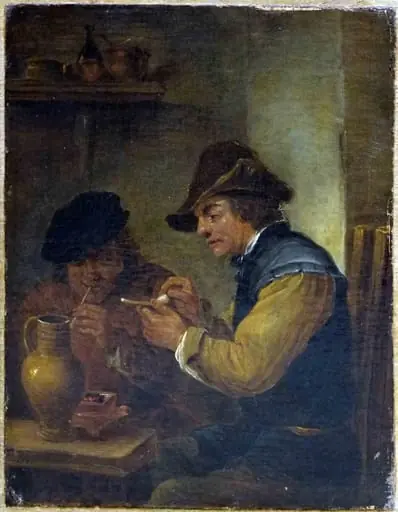
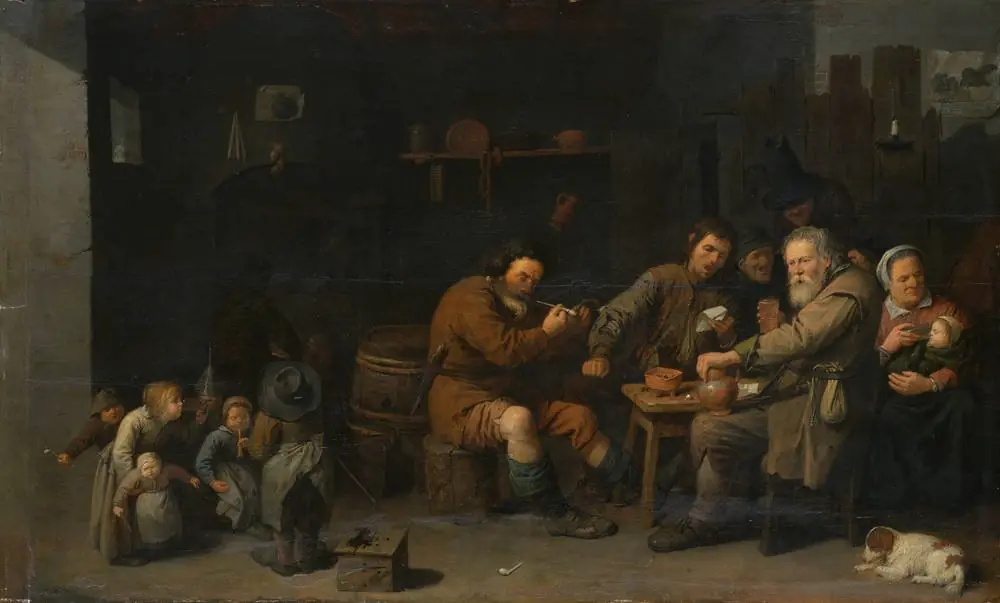
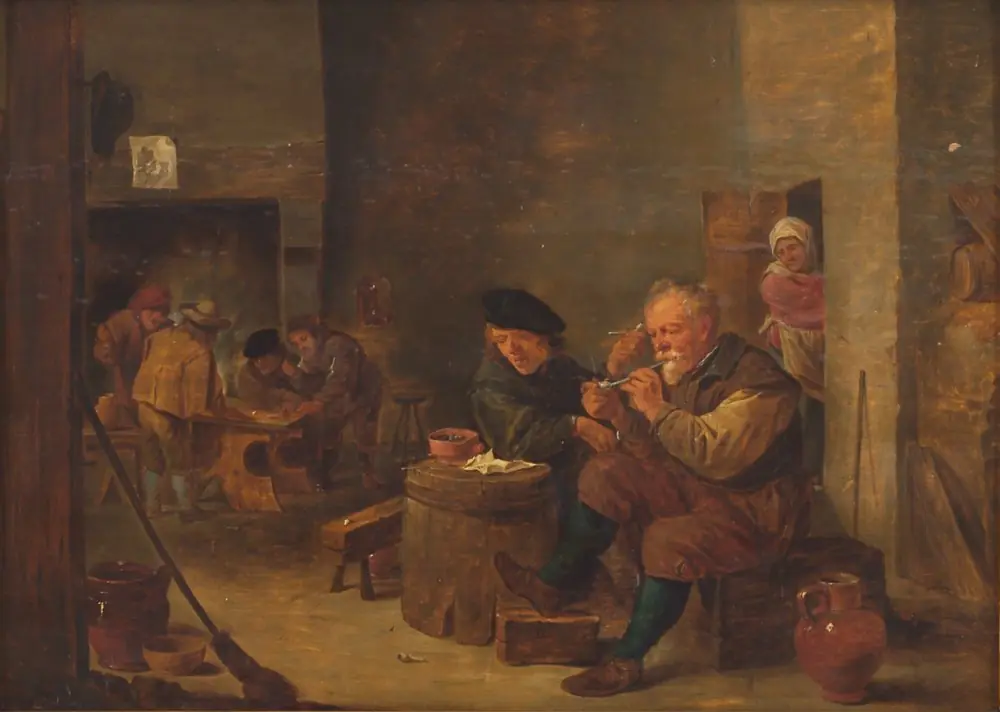
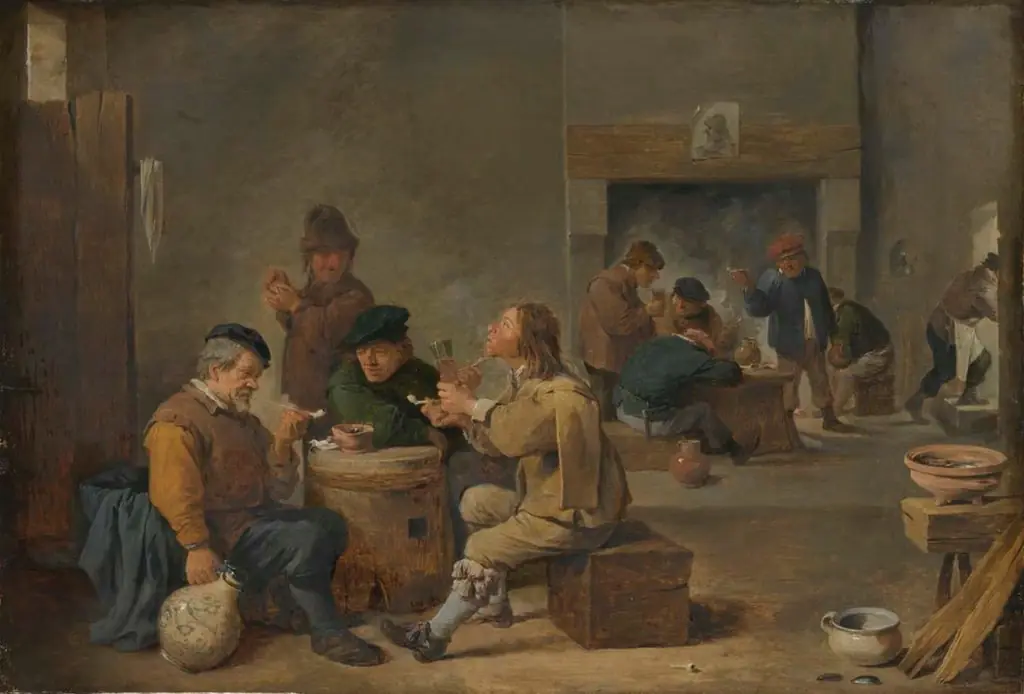
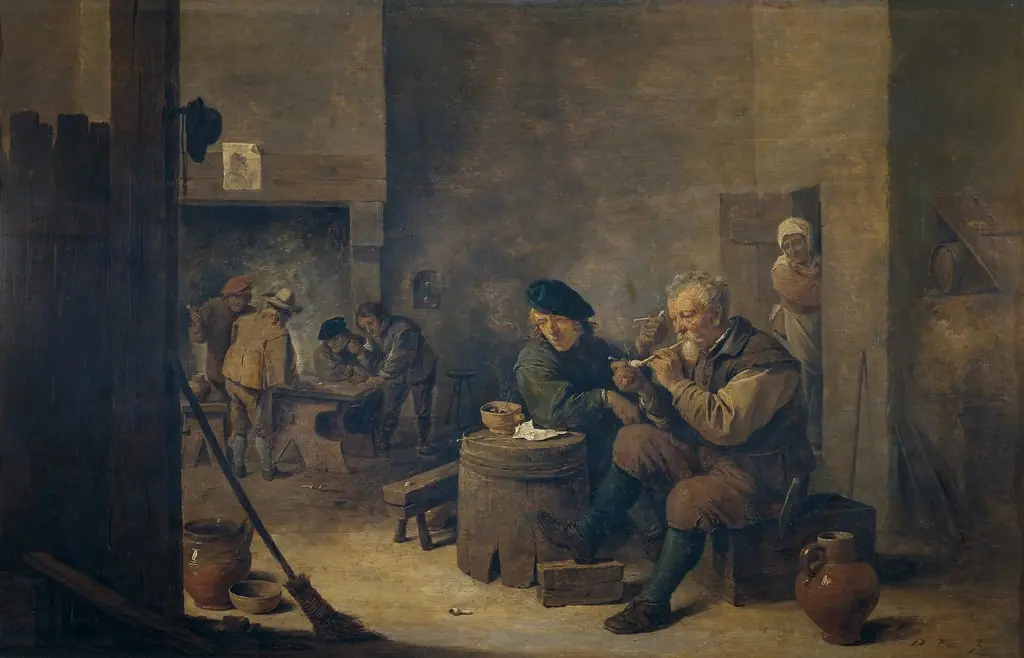
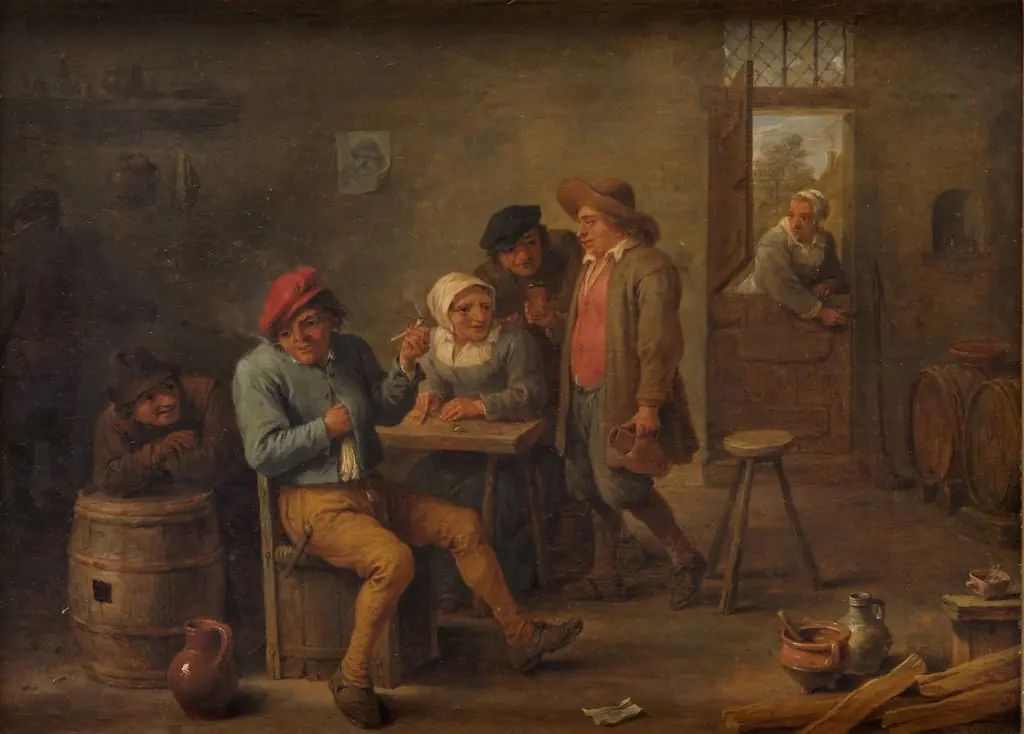
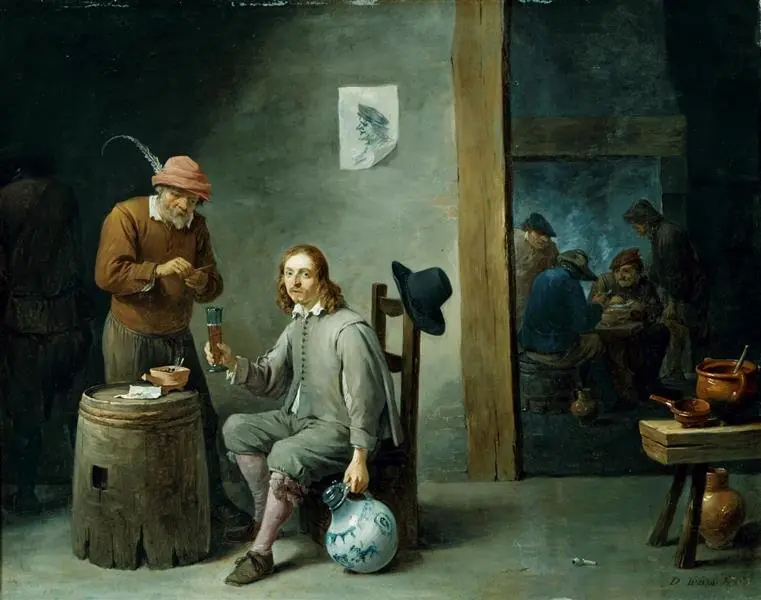
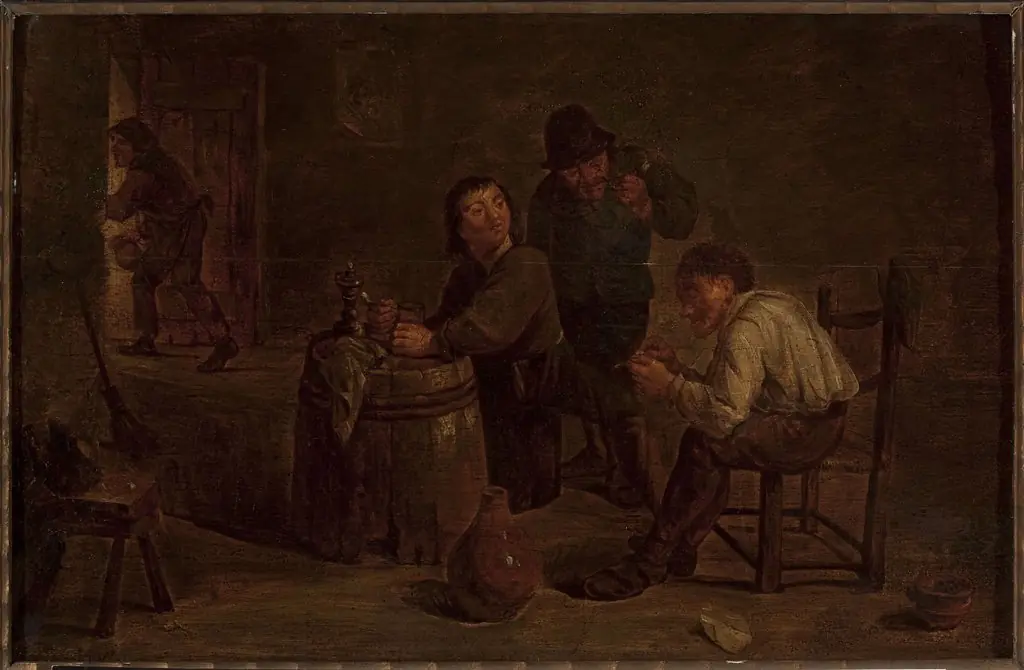
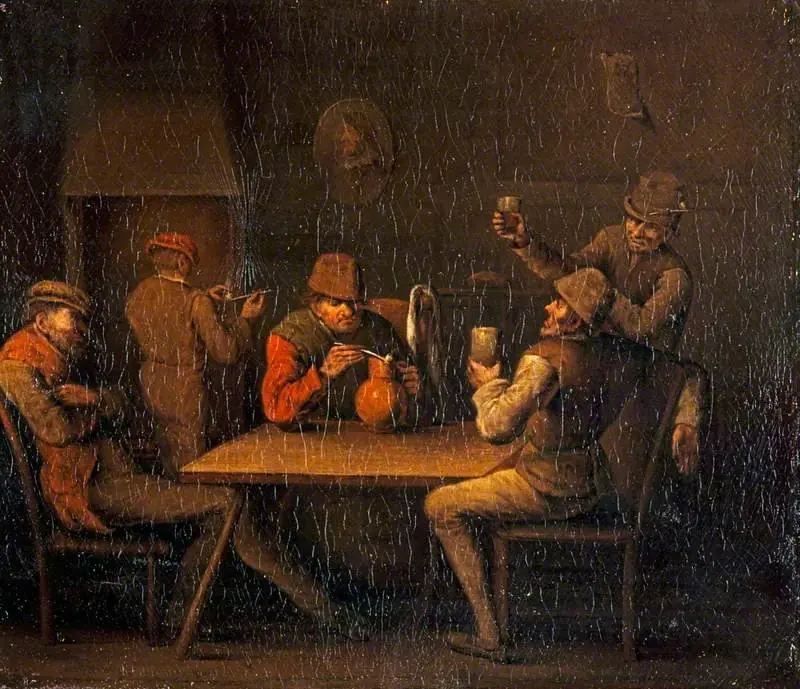
Cârciumă olandeză is an unspecified painting by the Dutch Golden Age artist David cel Tânăr Teniers. It is held in the collection of the National Museum of Art of Romania. This painting depicts a quiet interior scene in a Dutch tavern, where five men are gathered around a wooden table.
About this work
Overview
This painting depicts a quiet interior scene in a Dutch tavern, where five men are gathered around a wooden table. The composition is tightly framed, emphasizing intimacy and stillness. A single source of light from a window illuminates the central figure, while the surrounding space recedes into shadow. The atmosphere is subdued, suggesting a moment of pause amid routine social interaction.
Subject & Meaning
The figures appear engaged in ordinary tavern activities—drinking, smoking, and observing. The older man, bearded and leaning forward with a pipe and small object, seems to be the focal point, perhaps sharing a story or examining something of personal significance. The others, absorbed in their own actions, suggest a scene of unremarkable daily life, valued for its authenticity rather than drama.
Technique & Style
The artist employs chiaroscuro to model form and direct attention, using sharp contrasts between light and dark to define faces and textures. The brushwork is restrained, favoring subtle gradations over detail. The dim interior, rendered with muted tones, enhances the sense of enclosure, while the focused illumination isolates the central figure, reinforcing the painting’s quiet narrative tone.
History & Provenance
The work originates from the Dutch Golden Age, likely created in the early to mid-17th century. It reflects the period’s interest in domestic and vernacular scenes, though its specific provenance remains undocumented. No known records link it to a major collection or collector prior to modern times, suggesting it may have remained in private hands for much of its history.
Context
Tavern scenes were common in Dutch genre painting, offering insight into the social habits of the middle class. Unlike grand historical or religious subjects, these works celebrated ordinary life, often with moral undertones. This painting aligns with that tradition, capturing a moment of quiet camaraderie without overt symbolism or narrative climax.
Legacy
Though not widely exhibited or studied, the painting exemplifies the quiet realism favored by lesser-known Dutch genre painters. Its restrained use of light and focus on unremarkable human behavior contribute to a broader understanding of 17th-century Dutch visual culture beyond the works of its most famous contemporaries.
Artist & collection
Artist
A Flemish painter who loved taverns and card games, he filled canvases with warm, smoky rooms where figures huddle around tables.