Artwork
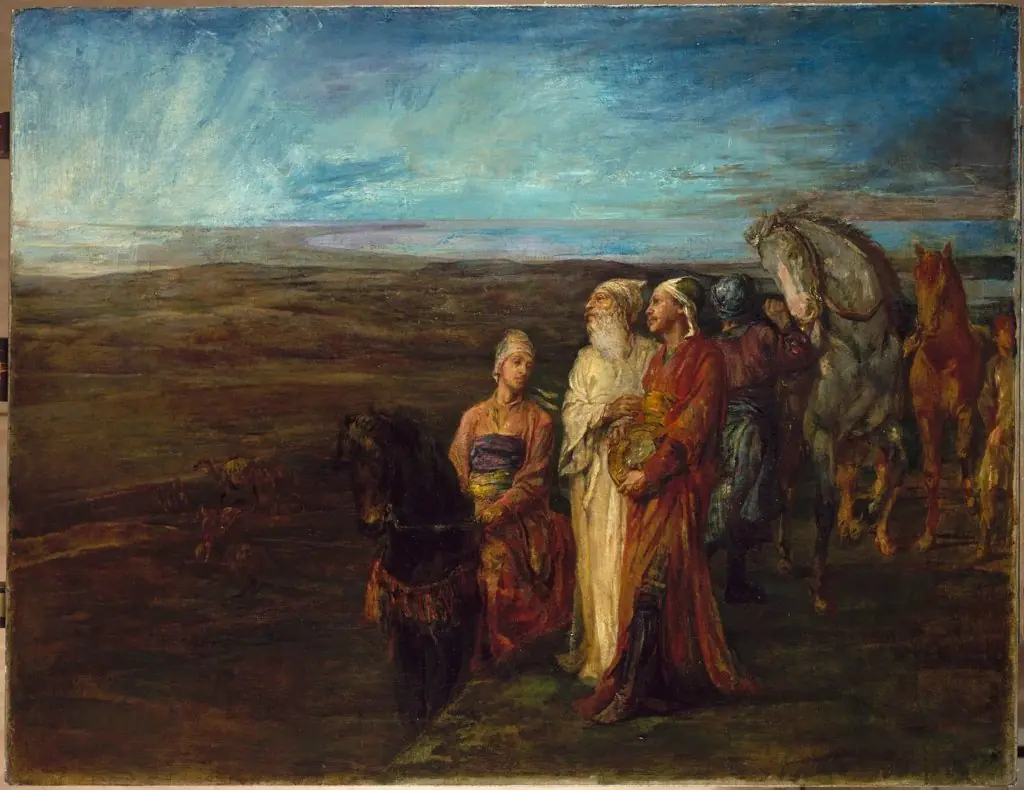
Recovery of Wounded Warriors
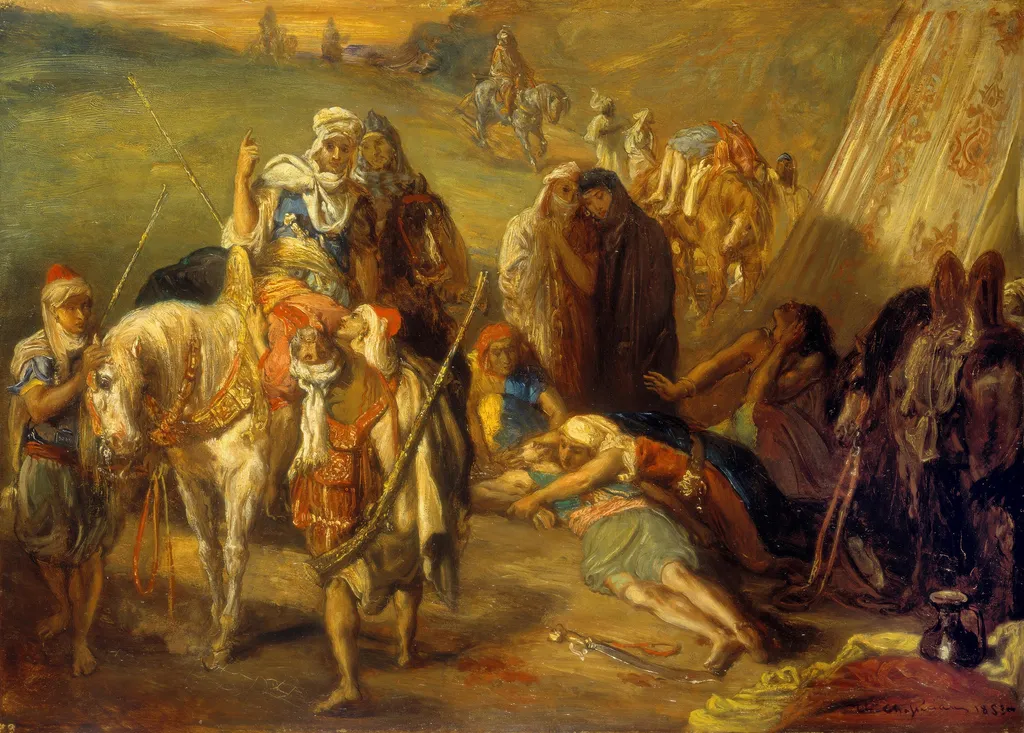
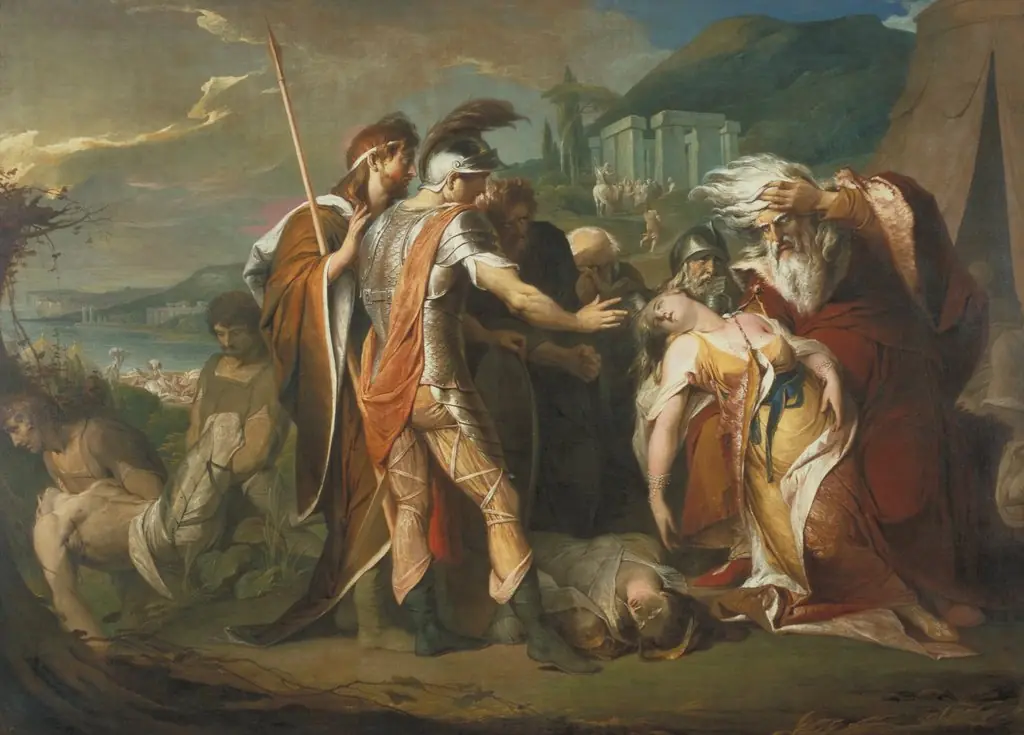
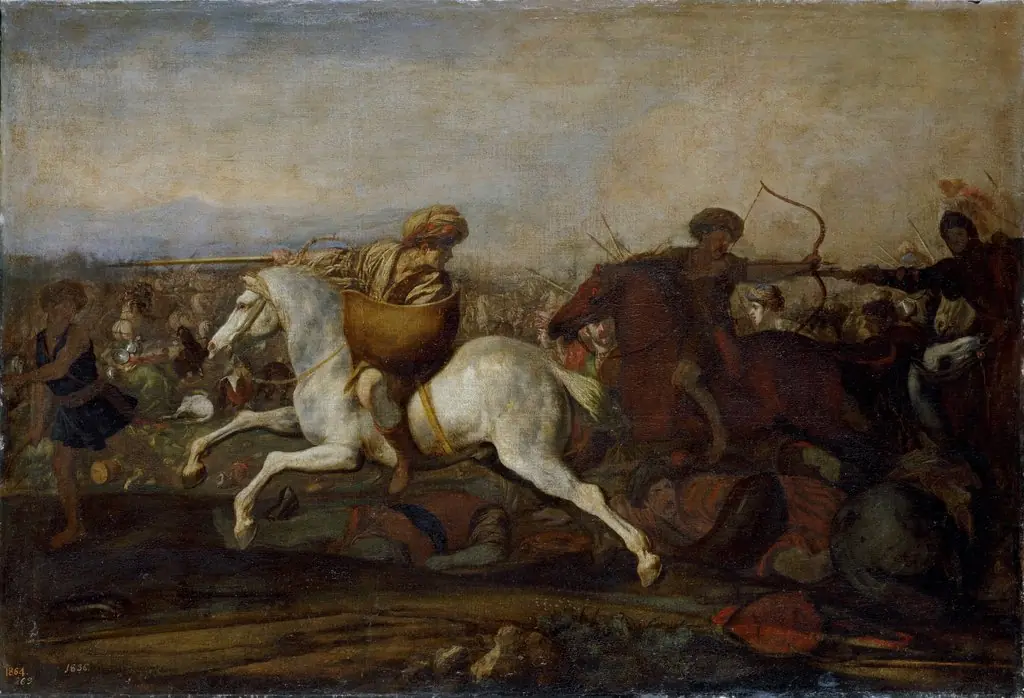
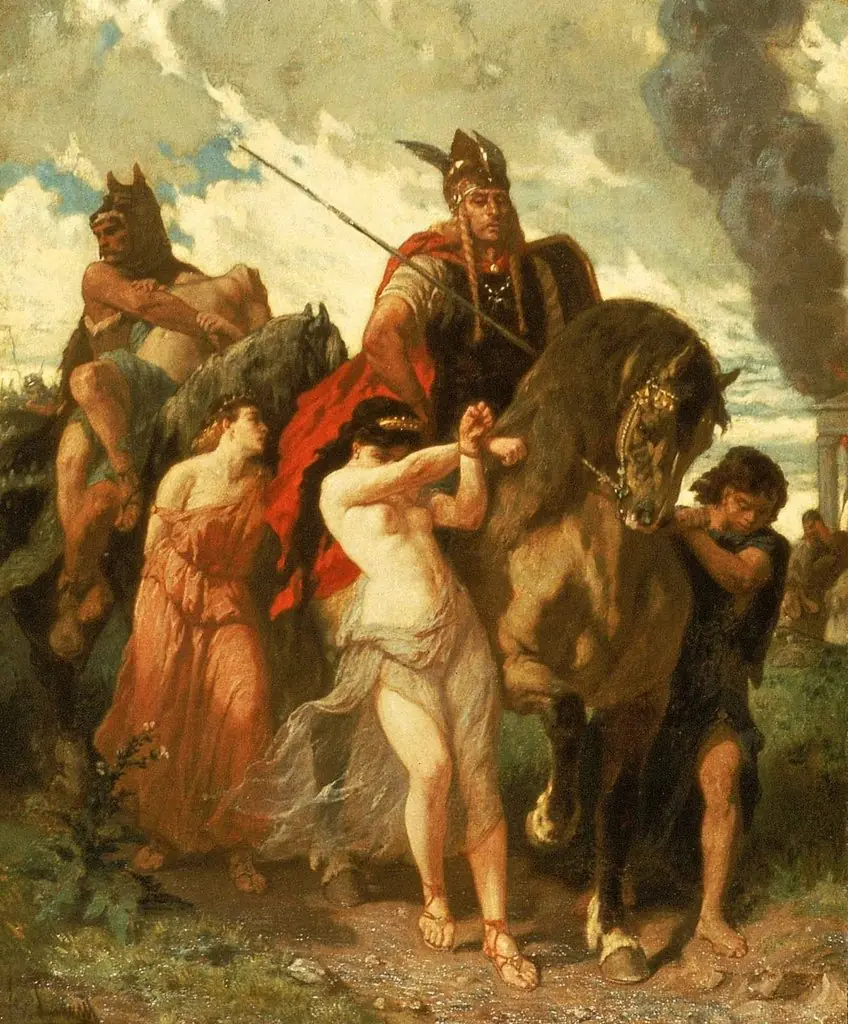
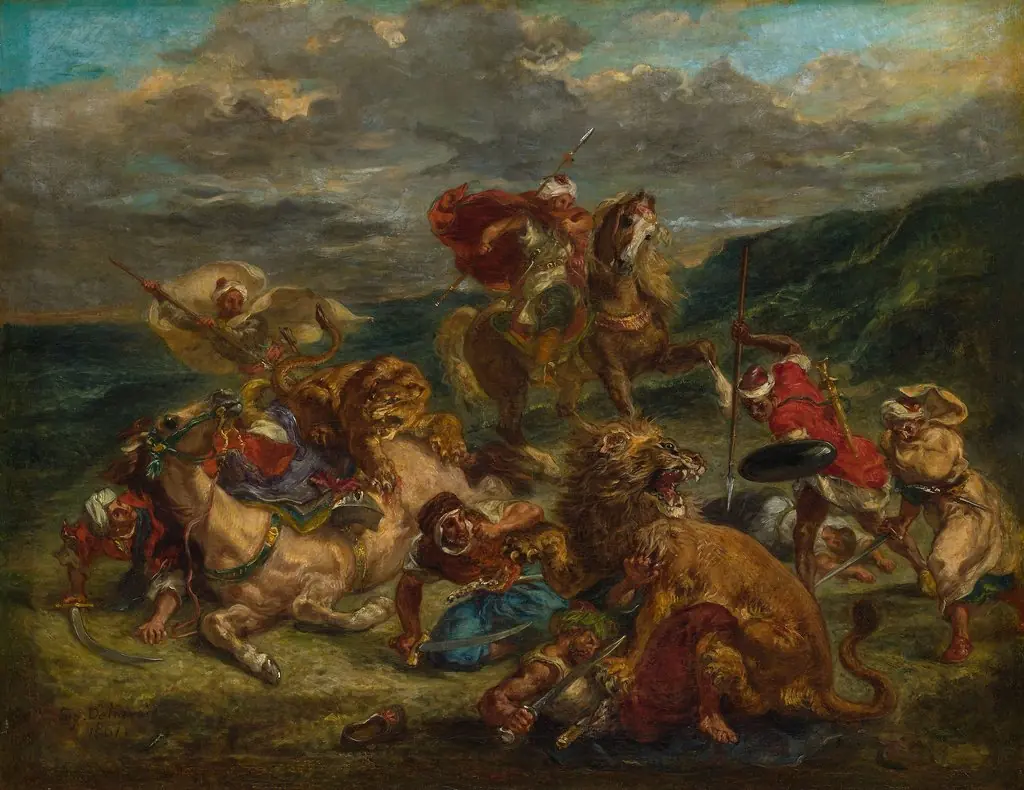
Recovery of Wounded Warriors is an oil painting by the French Romanticist artist Théodore Chassériau. It dates from 1853 and is held in the collection of the Foundation E.G. Bührle Collection.
About this work
Overview
Chassériau, born in the Dominican Republic and raised in France, was trained in Neoclassicism but shifted toward Romanticism under Delacroix’s influence.
Painted in 1853 by Théodore Chassériau, this oil on canvas work depicts a moment of medical attention among wounded soldiers in a desert setting. Chassériau, born in the Dominican Republic and raised in France, was trained in Neoclassicism but shifted toward Romanticism under Delacroix’s influence. The painting is part of the Kunsthaus Zürich’s collection and reflects his engagement with contemporary military and humanitarian themes.
Subject & Meaning
The scene portrays a group tending to a fallen soldier, surrounded by figures in Middle Eastern attire, suggesting a North African or Ottoman context. Rather than glorifying battle, the focus is on care and vulnerability. The composition emphasizes communal responsibility, with figures arranged in a tight circle around the injured man, conveying urgency and compassion without overt heroism.
Technique & Style
Chassériau employs bold, textured brushwork and warm, earthy tones to heighten emotional intensity. The lighting is dramatic, with strong contrasts between shadow and illuminated skin and fabric, suggesting chiaroscuro influenced by both Ingres and Delacroix. The figures are rendered with fluid, expressive lines, and the desert background is loosely suggested, drawing attention to the human drama at the center.
History & Provenance
Commissioned during a period of French military involvement in North Africa, the painting was completed in 1853 and entered the Kunsthaus Zürich’s holdings in the late 19th century. Its journey from private French collections to a Swiss institution reflects broader 19th-century patterns of art acquisition and the growing European interest in Orientalist subjects.
Context
Created amid France’s colonial campaigns in Algeria, the painting responds to public fascination with the region’s landscapes and peoples. While often categorized as Orientalist, Chassériau’s focus on medical care diverges from exoticizing tropes, instead emphasizing shared human suffering. His synthesis of academic training and Romantic sensibility situates the work between tradition and innovation.
Legacy
Though less widely known than his mythological or portrait works, this painting illustrates Chassériau’s ability to merge documentary observation with emotional depth. It stands as a quiet counterpoint to grand military narratives of the era, offering a human-centered view of war’s aftermath that influenced later depictions of medical care in conflict zones.
Own this work as a print
Artist & collection
Artist
Théodore Chassériau (French pronunciation: ; Spanish: Teodoro Chasseriau; September 20, 1819 – October 8, 1856) was a Dominican-born French Romantic painter noted for his portraits, historical and religious paintings,…