Artwork
Alexis de Tocqueville
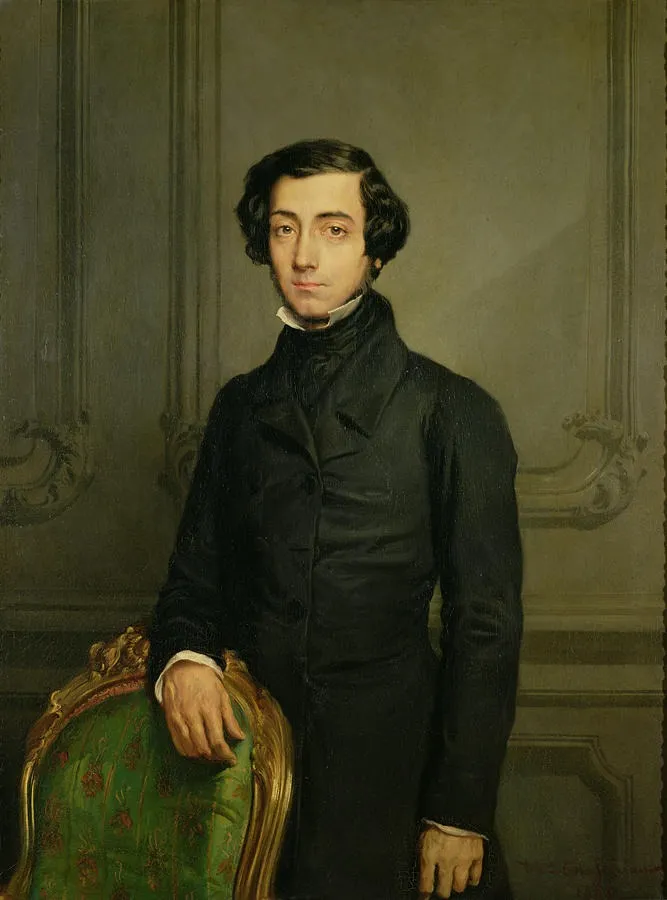
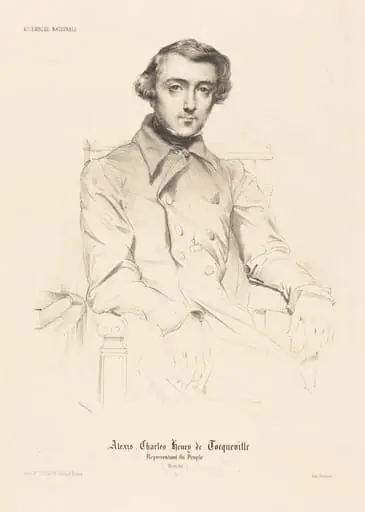
Alexis de Tocqueville is an oil painting by Théodore Chassériau. It dates from 1850 and is held in the collection of the Palace of Versailles.
About this work
Chassériau, a noted romantic‑era painter, created the piece a few years before Tocqueville opposed Napoleon III’s 1851 coup and retired to focus on his writing.
Alexis de Tocqueville is a portrait painted in oil by Théodore Chassériau in 1850. The work shows the French politician and historian best known for Democracy in America. Chassériau, a noted romantic‑era painter, created the piece a few years before Tocqueville opposed Napoleon III’s 1851 coup and retired to focus on his writing. The French state bought the canvas in 1948, and it now hangs in the Musée de l’Histoire de France at the Palace of Versailles. If you’re curious about the creator, check out artist: Théodore Chassériau.
Overview
Théodore Chassériau’s 1850 oil portrait presents the French statesman and historian Alexis de Tocqueville. Executed on canvas, the work captures the figure at a time when his political career was still active, prior to his later withdrawal from public affairs. The painting now belongs to the Musée de l’Histoire de France in the Palace of Versailles.
Subject & Meaning
The sitter, Alexis de Tocqueville, is best remembered for his comparative study of American democracy and his analysis of the French Revolution. In the portrait he is rendered with a composed, contemplative demeanor, reflecting the intellectual seriousness that underpinned his seminal writings on liberty, equality and the dynamics of modern societies.
Technique & Style
Chassériau employs the Romantic sensibility of the mid‑nineteenth century, using a rich palette and fluid brushwork to model Tocqueville’s features. The handling of light across the face and the subtle gradations of tone convey a sense of immediacy, while the restrained background keeps focus on the sitter’s expression and attire.
History & Provenance
Created shortly before Tocqueville’s opposition to Napoleon III’s 1851 coup, the portrait entered the French state’s collection in 1948. Since that acquisition it has been displayed at the Musée de l’Histoire de France, forming part of the broader narrative of French political and intellectual history presented at Versailles.
Context
The painting emerges from a period when Romantic artists often portrayed contemporary figures of political and cultural significance. Chassériau, a prominent painter of the era, chose Tocqueville—a leading commentator on democracy—as a subject, linking the visual arts with the era’s vigorous debates over governance and societal change.
Artist & collection
Artist
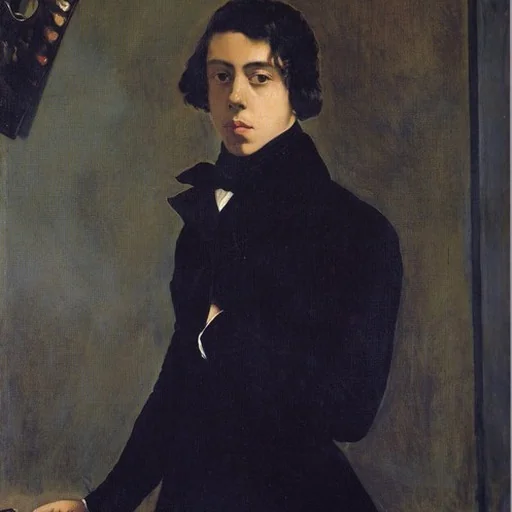
Théodore Chassériau (French pronunciation: ; Spanish: Teodoro Chasseriau; September 20, 1819 – October 8, 1856) was a Dominican-born French Romantic painter noted for his portraits, historical and religious paintings,…

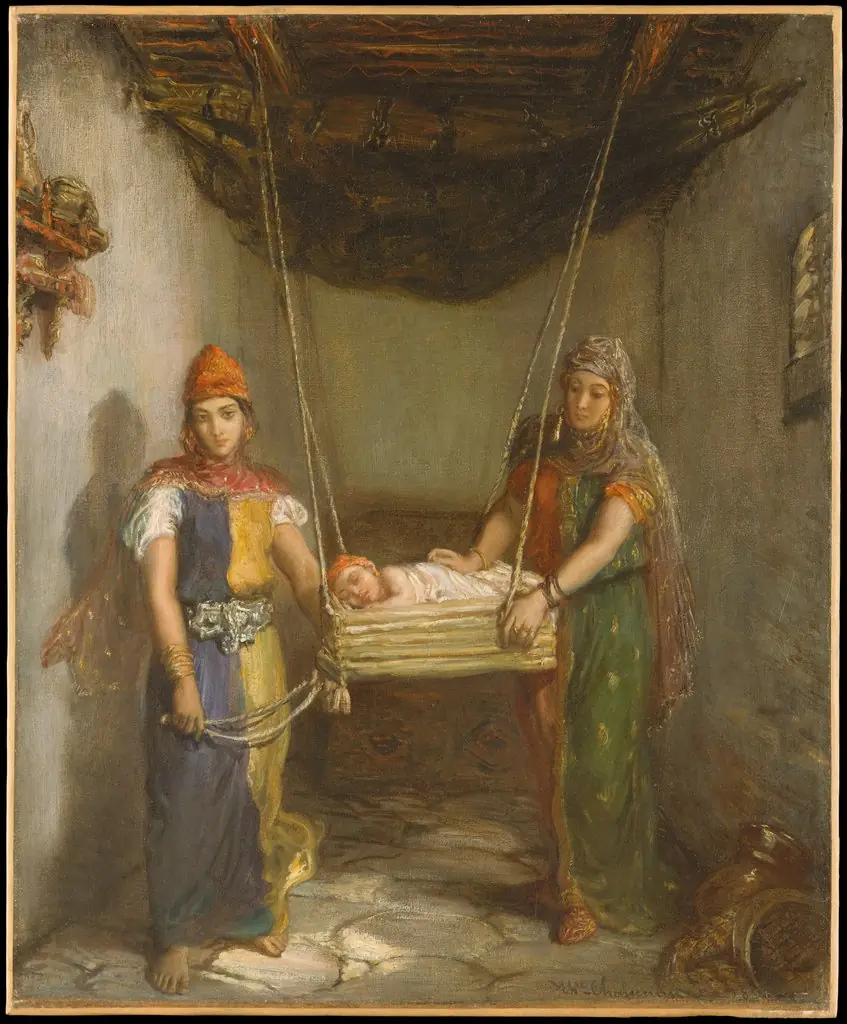 Scene in the Jewish Quarter of Constantine
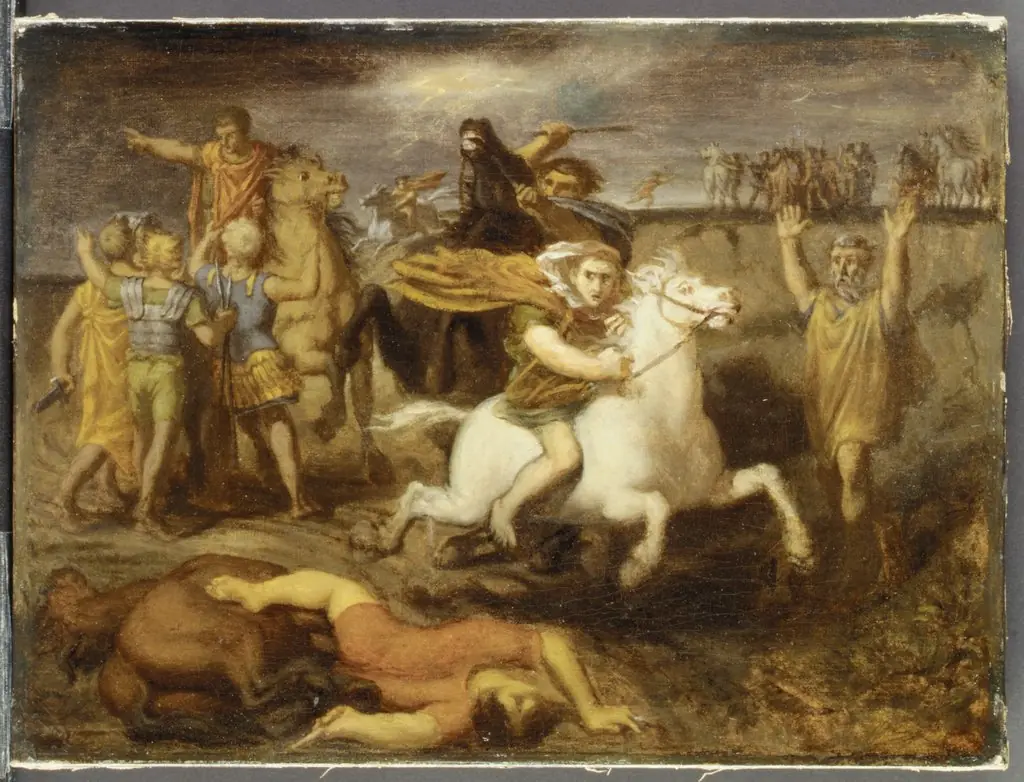 Scene from the Gallic Wars: The Gaul Littavicus, Betraying the Roman Cause, Flees to Gergovie to Support Vercingétorix
 Desdemona (The Song of the Willow)
 The Caliph of Constantine
 Jules Monnerot
 Drover with Oxen Pulling a Cart
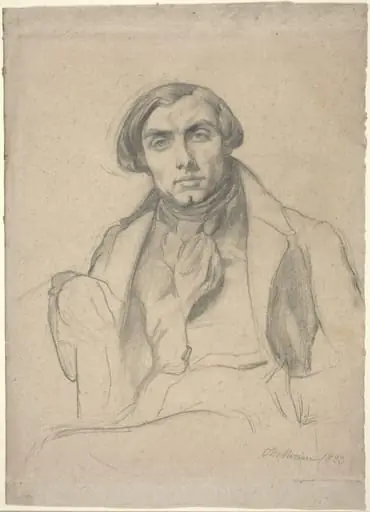 Auguste Ottin
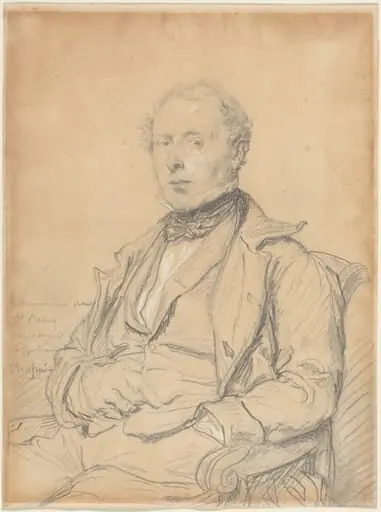 Victor-Auguste de Saint-Rémy
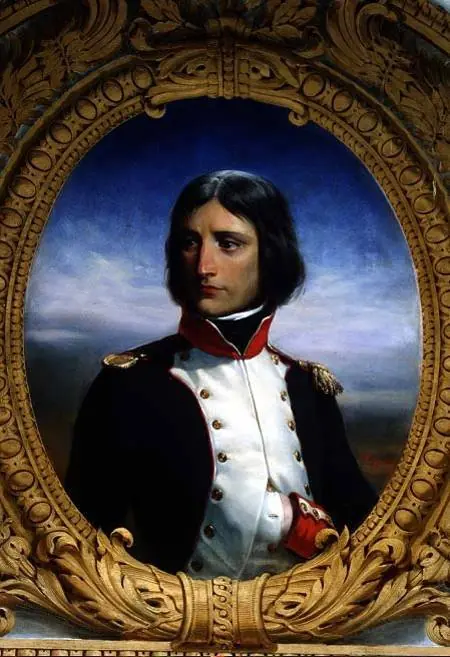 Napoleon Bonaparte
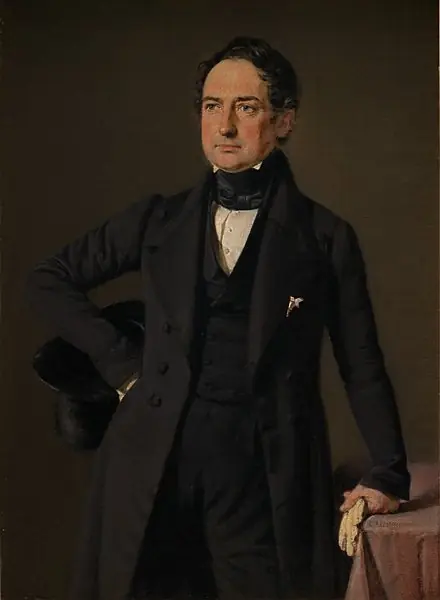 Fabriksdirektør Ole Jørgen Rawert
 Portrait of Mr. Blodgett
 Marcotte d'Argenteuil
 Unknown young Frenchman
 Portrait of Józef Węgleński
 Portrait of Merchant D.P.Botkin
 Portrait of D.E. Benardaki
 Alexander Van Rensselaer
 Portrait of Baron Joseph-Pierre Vialetès de Mortarieu
 Portrait of de Michel du Roс, the Count de Frioul
 Alexis Charles Henry de Tocqueville