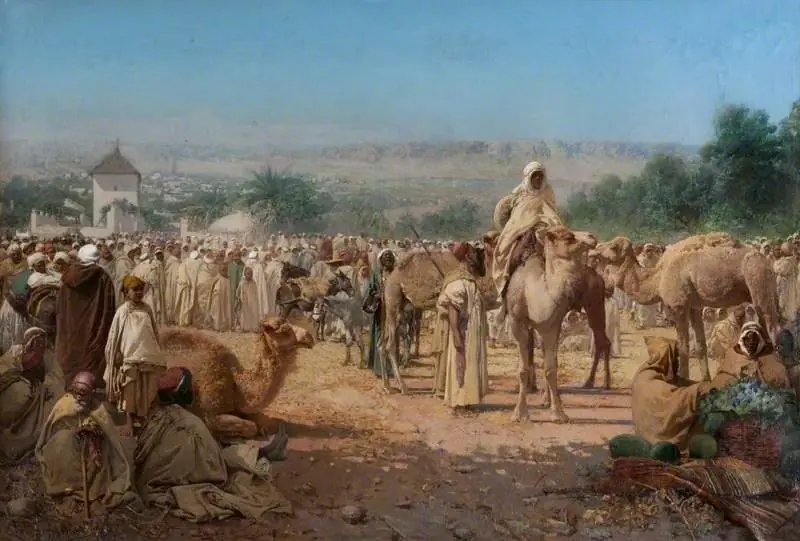
Artwork
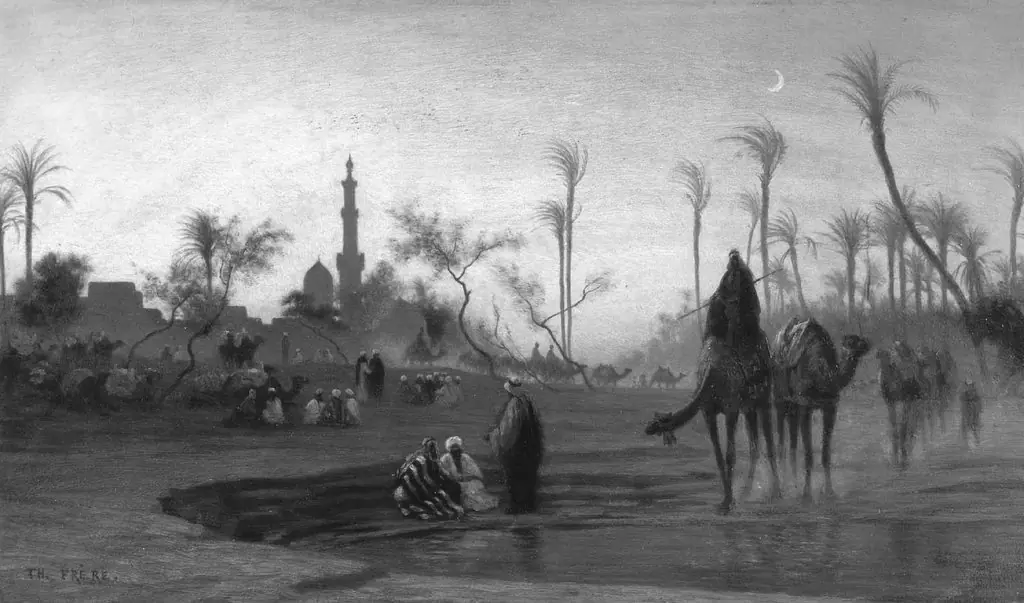
Scene in Cairo
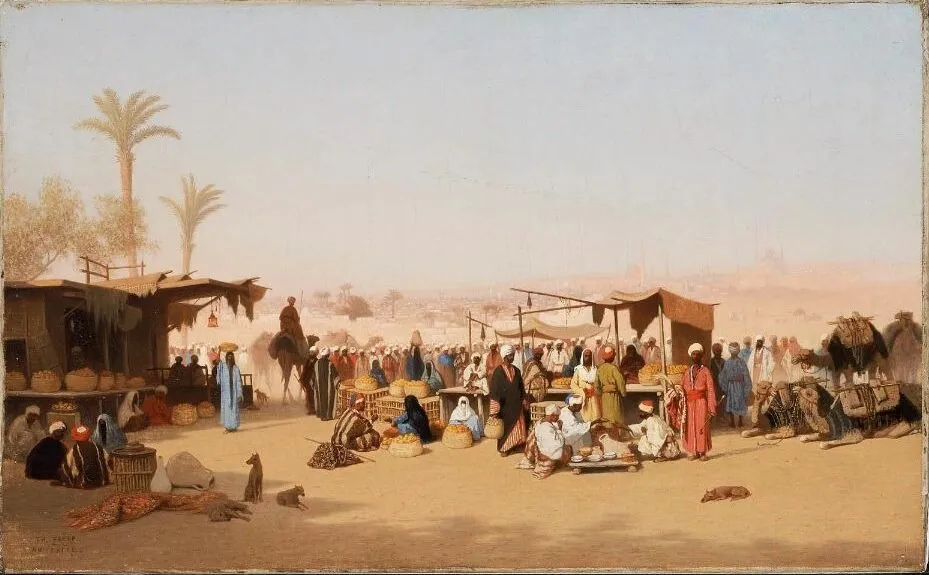
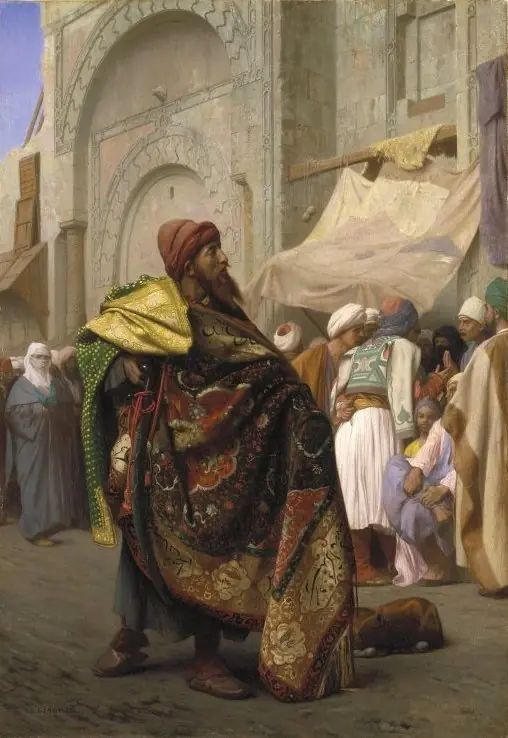
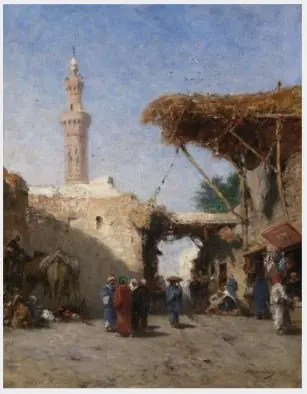
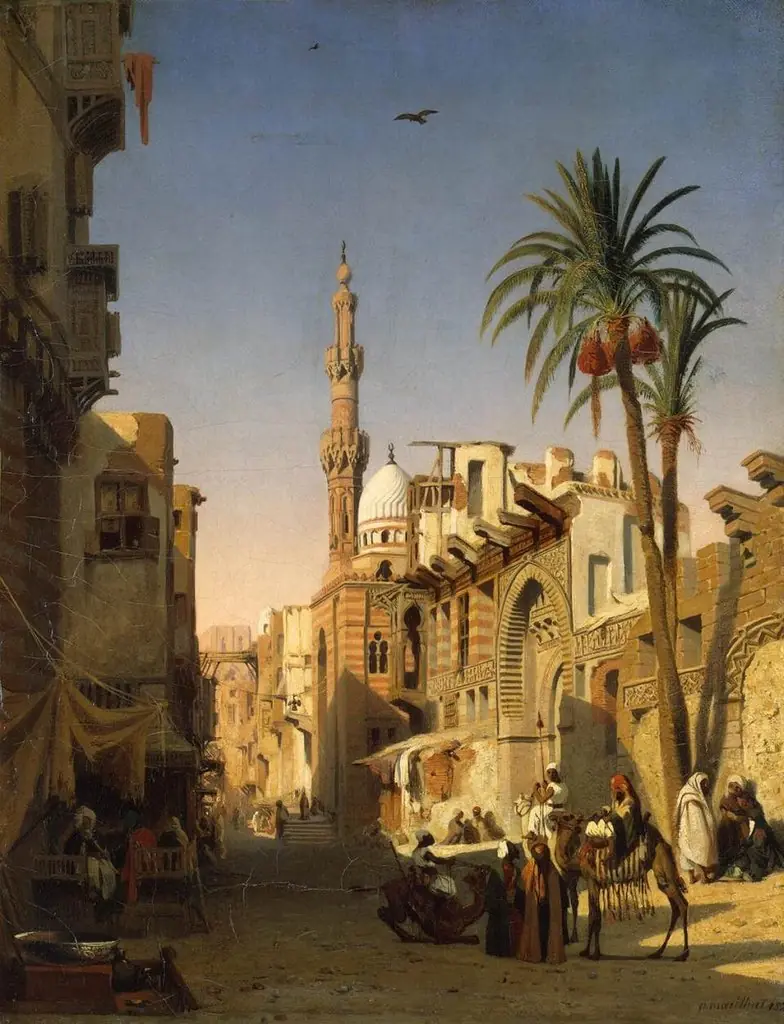
Scene in Cairo is an oil painting by the Orientalist artist Théodore Frère. It dates from 1864 and is held in the collection of the Museum of Fine Arts Boston.
About this work
Overview
The work is part of the Museum of Fine Arts, Boston’s permanent collection, reflecting 19th-century European interest in non-Western cultures.
Théodore Frère painted Scene in Cairo in 1864 using oil on canvas, capturing a moment in the bustling urban life of Egypt’s capital. A French artist associated with Orientalism, Frère traveled extensively in North Africa and the Middle East, drawing inspiration from direct observation rather than imagination. The work is part of the Museum of Fine Arts, Boston’s permanent collection, reflecting 19th-century European interest in non-Western cultures.
Subject & Meaning
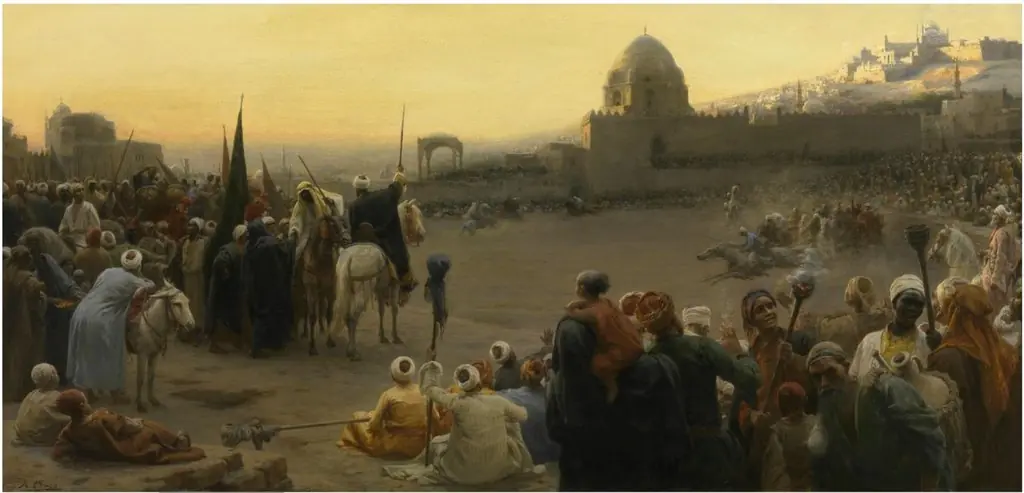
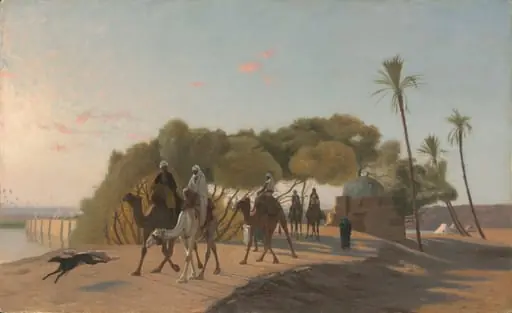
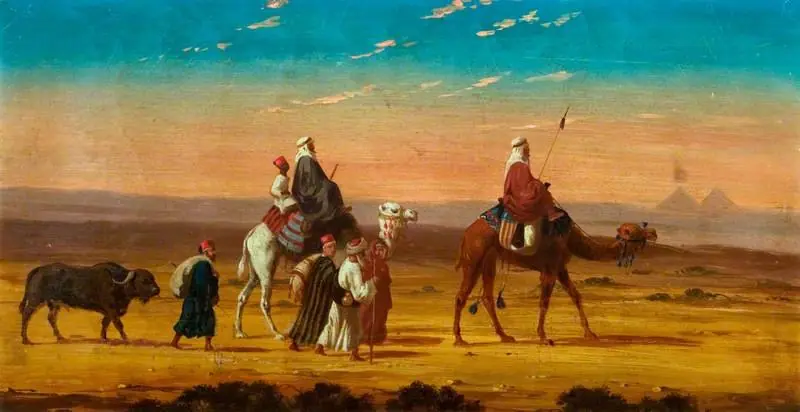
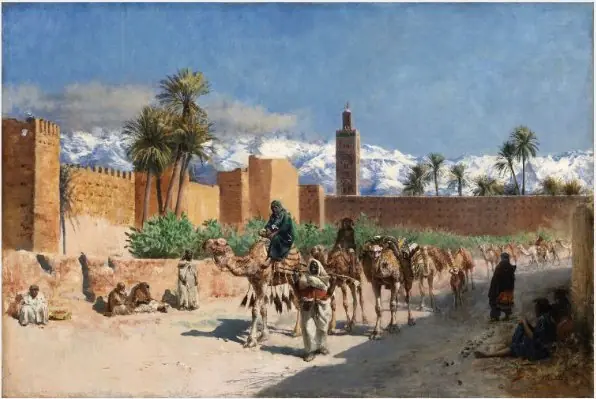
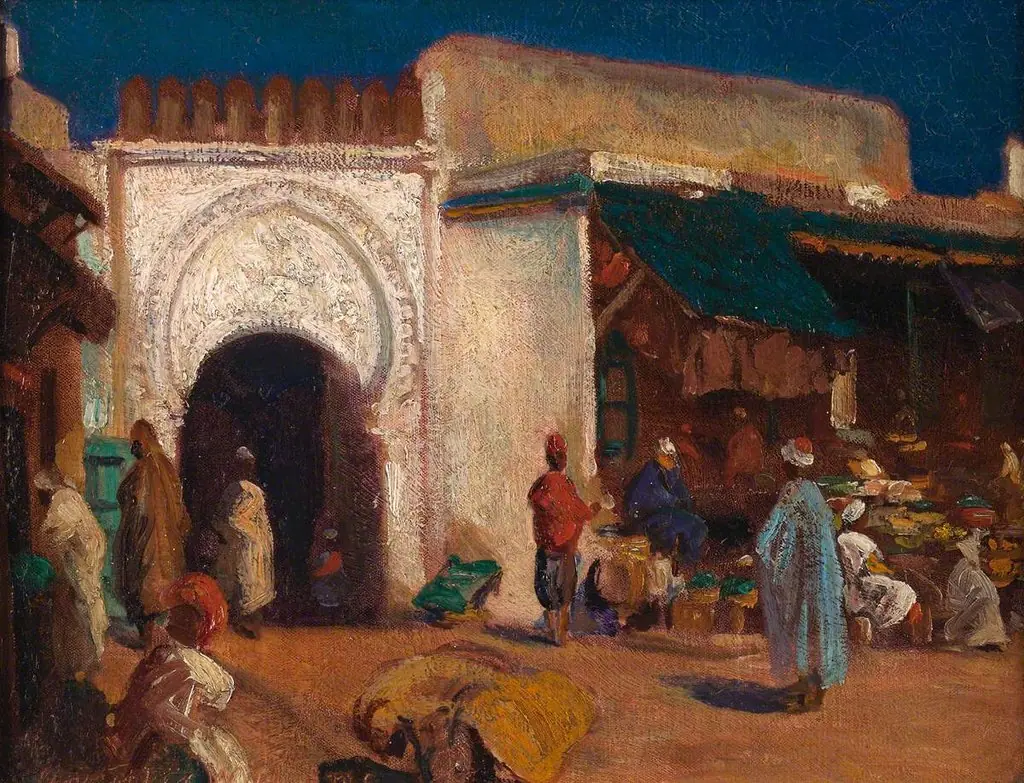
The painting portrays a vibrant market in Cairo, with vendors, travelers, and laborers engaged in daily commerce. Figures of varying ages and social roles are arranged naturally, suggesting authenticity rather than staged exoticism. Camels and donkeys move through the crowd, while stalls display textiles, pottery, and food. The scene conveys the rhythm of urban life without overt narrative, emphasizing atmosphere over symbolism.
Technique & Style
Frère employed fine brushwork to render the textures of woven fabrics, weathered wood, and animal hides with precision. The hazy blue sky and soft shadows suggest atmospheric perspective, enhancing spatial depth. His palette favors earth tones with muted accents, avoiding theatrical contrast. Attention to facial expressions and garment patterns reflects a commitment to observational detail, characteristic of his approach to Orientalist subjects.
History & Provenance
Created after Frère’s travels in Egypt, the painting entered the Museum of Fine Arts, Boston’s collection in the late 19th or early 20th century. It was likely acquired during a period when American institutions were expanding their holdings of Orientalist art. The work has remained in public view since, with no documented changes in ownership or significant restoration.
Context
Frère’s work emerged within a European artistic trend that idealized and documented the Islamic world through a colonial lens. While his depictions avoided overt caricature, they still reflected contemporary Western assumptions about Eastern societies. His commitment to accuracy distinguished him from more fantastical Orientalists, aligning him with travelers and ethnographers of his time.
Legacy
Though less widely known than some contemporaries, Frère’s paintings are valued for their restrained realism and careful documentation of daily life. His family included multiple artists, continuing a tradition of visual storytelling. Scene in Cairo remains a reference point for scholars studying 19th-century cross-cultural representation and the evolution of Orientalist aesthetics in Western art.
Artist & collection
Artist
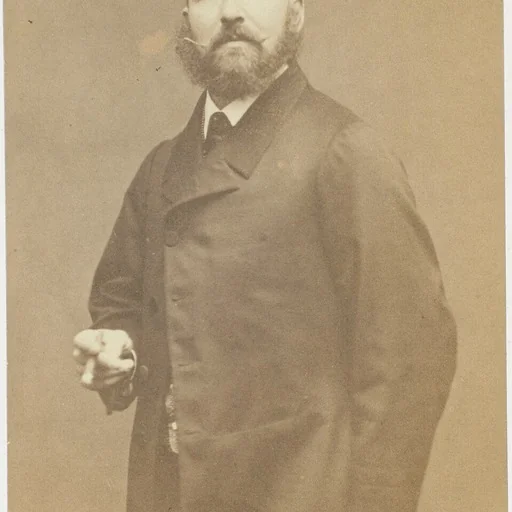
Charles-Théodore Frère (21 June 1814, Paris – 24 March 1888) was a French Orientalist painter. His younger brother, Pierre-Édouard, and his nephew and namesake, Charles Edouard Frère, were also painters.