Artwork
Cheval de charrette sorti des limons
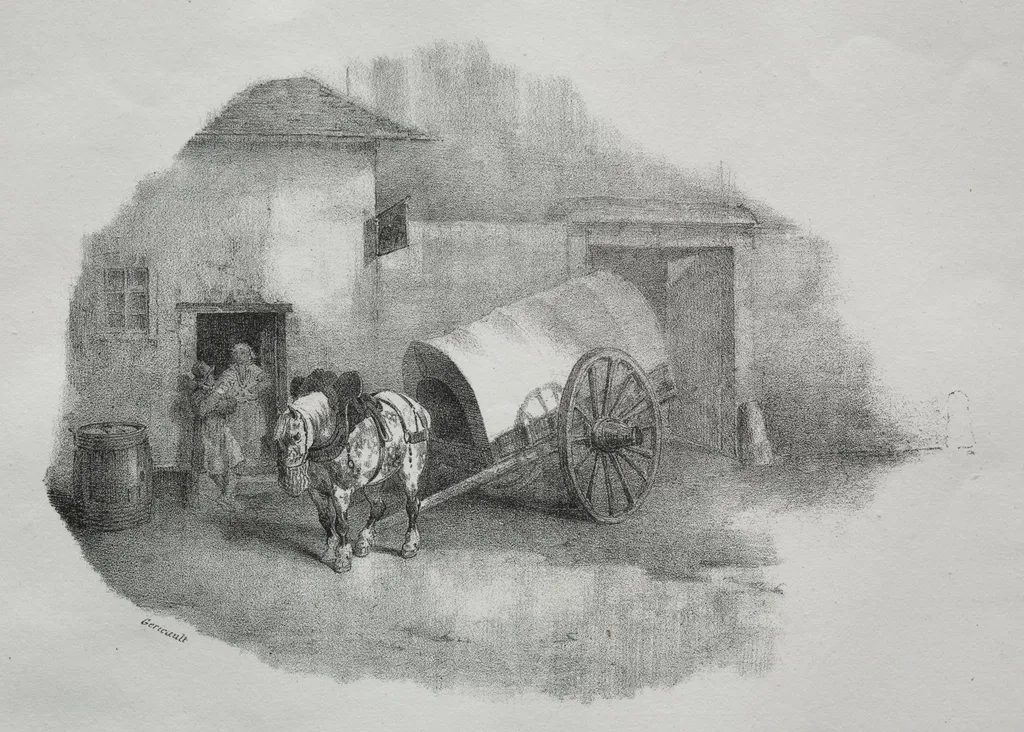
Cheval de charrette sorti des limons is a print by the Romanticist artist Théodore Géricault. It dates from 1822 and is held in the collection of the Cleveland Museum of Art.
About this work
The wagon's canvas cover is a lighter shade than the horse's coat, and it appears to be made of a coarse, woven fabric.
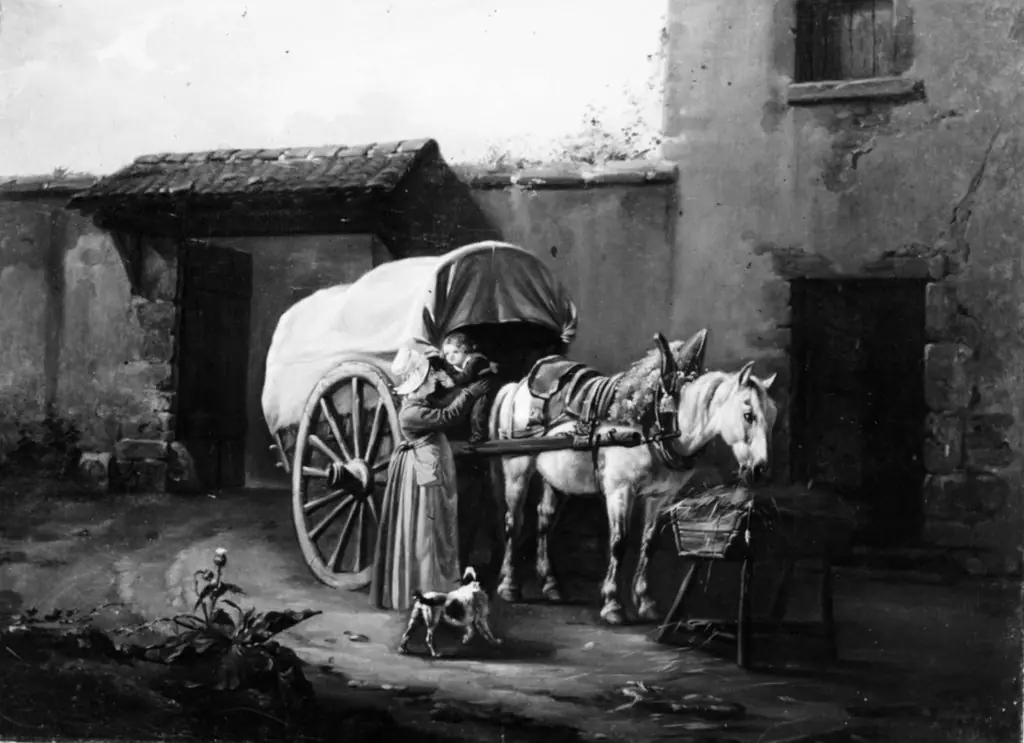
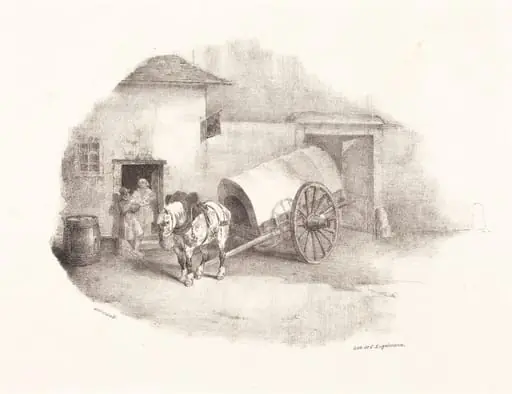
This painting depicts a horse, its white coat mottled with darker spots, standing in front of a large, covered wagon. The horse is harnessed to the wagon, which is positioned at an angle, with its rear end closest to the viewer. The wagon's canvas cover is a lighter shade than the horse's coat, and it appears to be made of a coarse, woven fabric.
In the background, a building with a sloping roof and a doorway can be seen, although it is somewhat indistinct. The overall atmosphere of the painting is one of quiet, rustic simplicity.
The artist who created this work is Théodore Géricault (French, 1791–1824).
Overview
Théodore Géricault’s 1822 print, *Cheval de charrette sorti des limons*, presents a draft horse in the act of being untethered from a wagon. The animal, a white horse marked with darker patches, stands before a large, canvas‑covered cart whose rear is nearest the viewer. A modest building with a sloping roof appears faintly in the background, giving the scene a quiet, rural ambience.
Subject & Meaning
The composition focuses on the moment of transition as the horse is led away from its harness, emphasizing the physicality and labor of rural transport. By isolating the animal against a simple backdrop, Géricault draws attention to the animal’s strength and the everyday toil of agrarian life, reflecting Romantic interest in the dignity of ordinary subjects.
Technique & Style
Executed as a lithographic print, the work showcases Géricault’s precise handling of line and tonal contrast. The horse’s musculature and the texture of the wagon’s coarse canvas are rendered with fine detail, while the background is suggested with softer, less defined strokes, creating depth without detracting from the central figure.
History & Provenance
Created during the early phase of Géricault’s career, the print aligns with his broader engagement with Romantic themes of drama and movement. Though the original plate’s ownership history is not extensively documented, the work remains associated with the artist’s oeuvre from the period shortly before his death in 1824.
Artist & collection
Artist
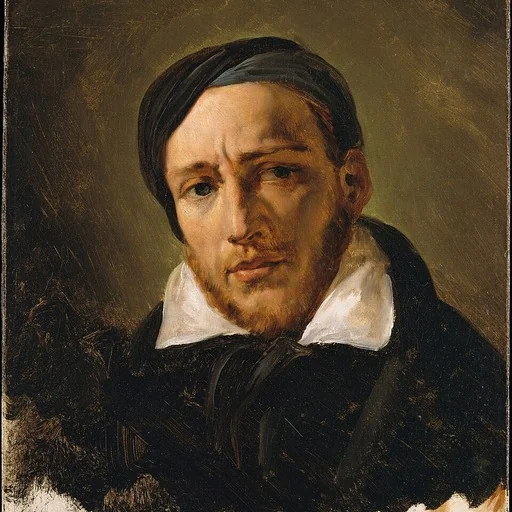
Jean-Louis André Théodore Géricault (French: ; 26 September 1791 – 26 January 1824) was a French painter and lithographer.

 Sled Loaded with Flour Led by an Isvoschik
 Une halte
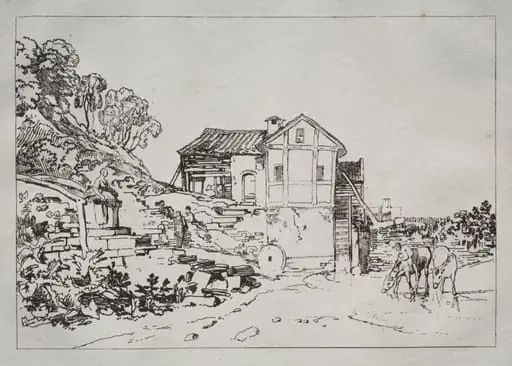 Liber Studiorum: Watermill
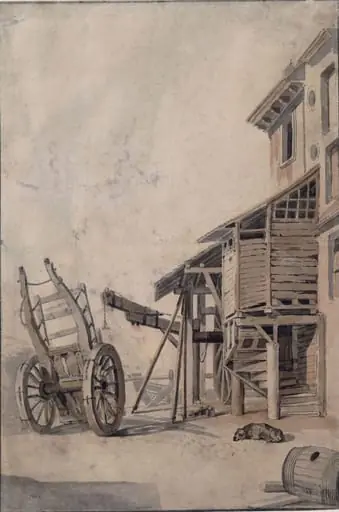 Old East India Wharf at London Bridge
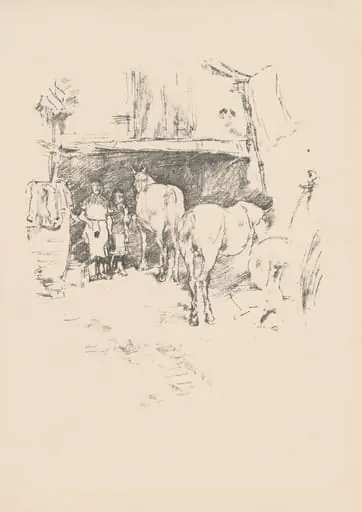 The Smith's Yard
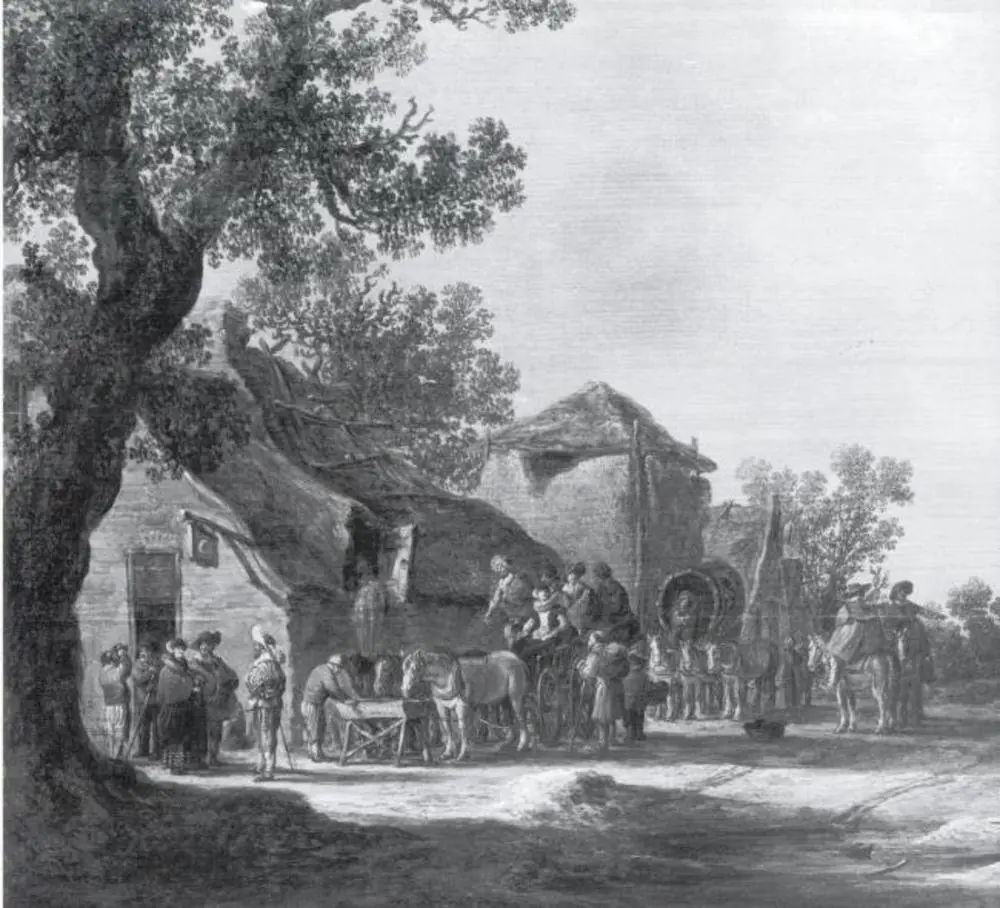 Resting at a Tavern
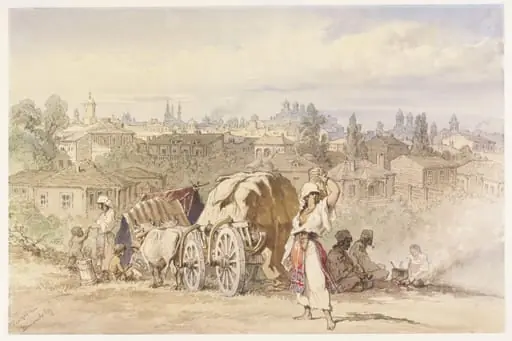 A Gipsy Encampment at Filaret outside Bucharest
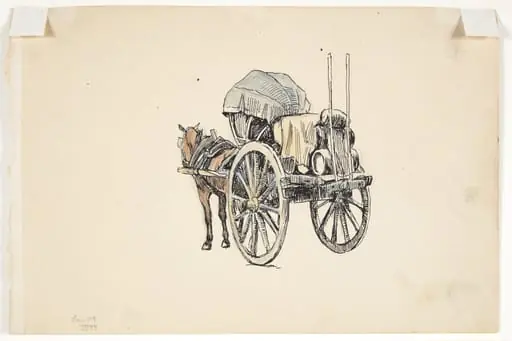 Italiensk fragtvogn
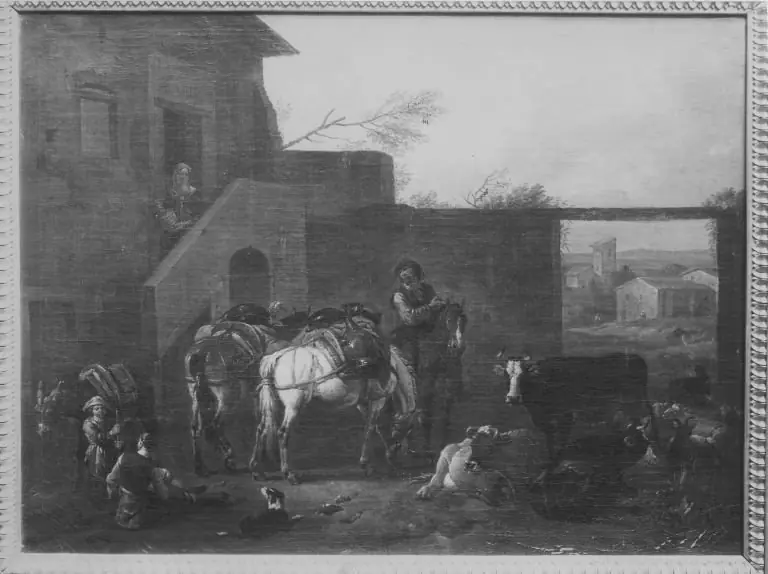 Vor der Schenke
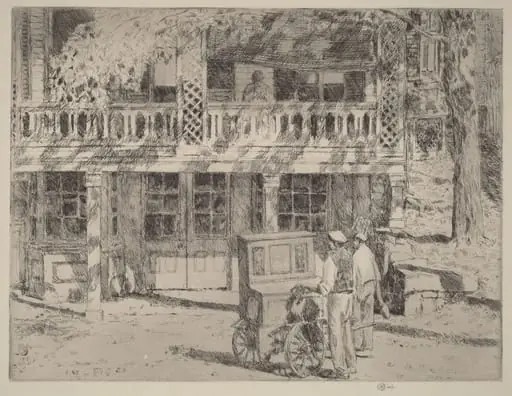 Toby's, Cos Cob
 Cheval de charrette sorti des Limons
 Les dernière Rayons de Soleil