Artwork
Liber Studiorum: Watermill
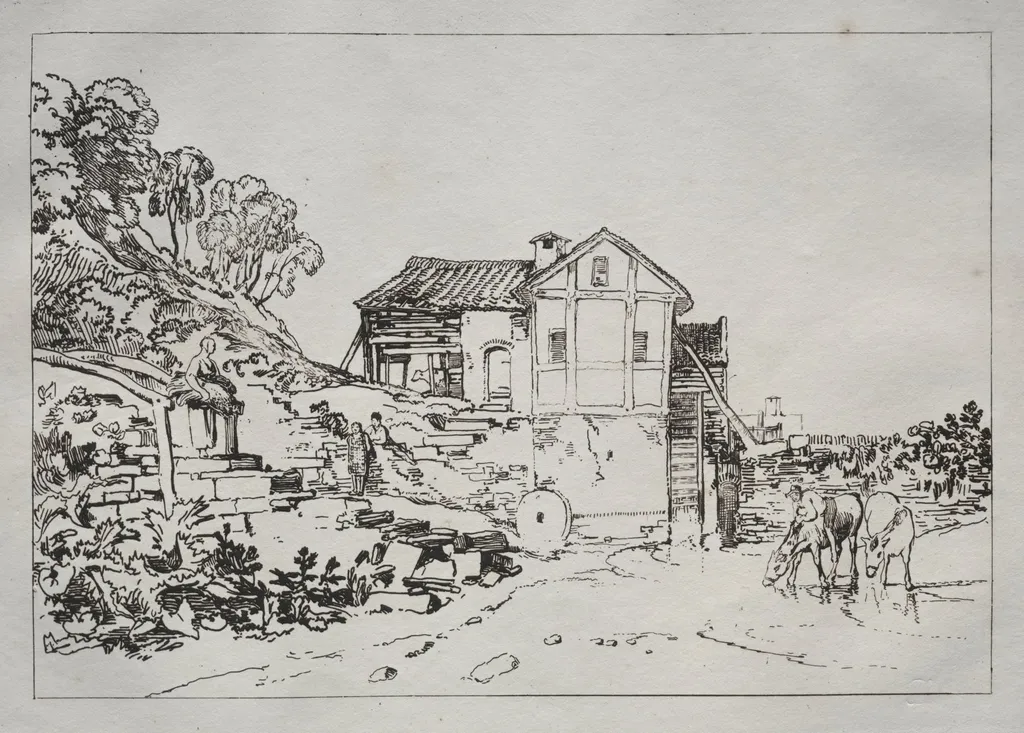
Liber Studiorum: Watermill is a print by Joseph Mallord William Turner. It dates from 1823 and is held in the collection of the Cleveland Museum of Art.
About this work
Overview
Unlike grand historical scenes, this work focuses on a modest rural setting, reflecting Turner’s interest in everyday natural environments.
Created around 1823 by Joseph Mallord William Turner, *Liber Studiorum: Watermill* is an etching from a larger series intended to classify and explore landscape composition. Unlike grand historical scenes, this work focuses on a modest rural setting, reflecting Turner’s interest in everyday natural environments. The print belongs to a project that sought to elevate landscape art through systematic study, blending observation with poetic restraint.
Subject & Meaning
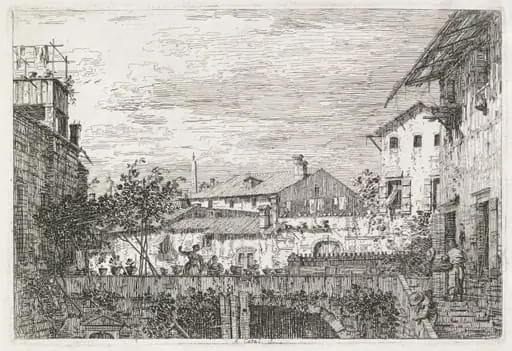
The scene depicts a quiet watermill beside a slow-moving river, with two modest buildings, a turning waterwheel, and a few figures and animals engaged in quiet activity. A solitary figure sits on a stone ledge beneath a tree, gazing outward. The composition avoids drama, instead emphasizing the rhythm of labor and nature. The stillness suggests contemplation, framing the mill not as a symbol of industry but as a quiet fixture in the landscape.
Technique & Style
Turner employed fine, controlled etching lines to suggest light, texture, and depth without heavy shading. The absence of bold contrasts creates a subdued, atmospheric tone. Details like the ladder, roof angles, and waterwheel are rendered with precision but remain unobtrusive, allowing the overall mood to dominate. The technique reflects his shift toward expressive simplicity, prioritizing mood over narrative detail.
History & Provenance
Part of Turner’s *Liber Studiorum* series, published between 1807 and 1819 with additions through the 1820s, this print was produced as a study for landscape classification. Though originally intended for private circulation among artists and patrons, the series gained wider recognition posthumously. The Cleveland Museum of Art holds one of the surviving impressions, acquired as part of a broader collection of Turner’s graphic works.
Context
In early 19th-century Britain, landscape art was often seen as secondary to history painting. Turner’s *Liber Studiorum* challenged this hierarchy by presenting landscapes as subjects worthy of intellectual and aesthetic rigor. His focus on humble, working environments aligned with Romanticism’s reverence for nature, while subtly anticipating later movements through its emphasis on light and atmosphere over detail.
Legacy
Though Turner’s contemporaries viewed him primarily as a Romantic painter, his later works, including prints like this one, laid groundwork for 19th-century developments in tonal painting and abstraction. The *Liber Studiorum* series demonstrated how mood and light could carry meaning without narrative. Its influence became clearer in the decades after his death, particularly among artists seeking to capture transient effects of nature.
Own this work as a print
Artist & collection
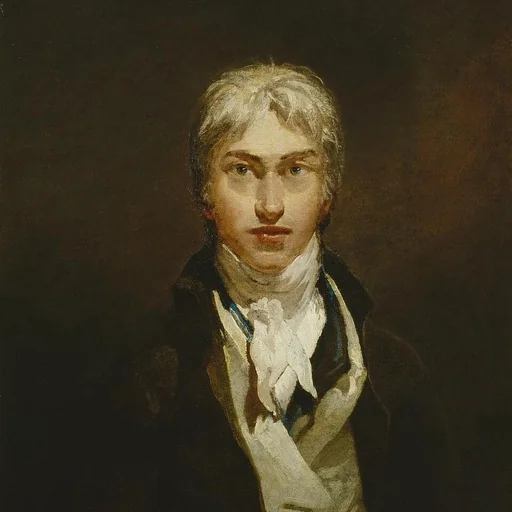
Artist
Joseph Mallord William Turner was born in 1775 at Maiden Lane, Covent Garden, where his father kept a barber and wig-making shop.

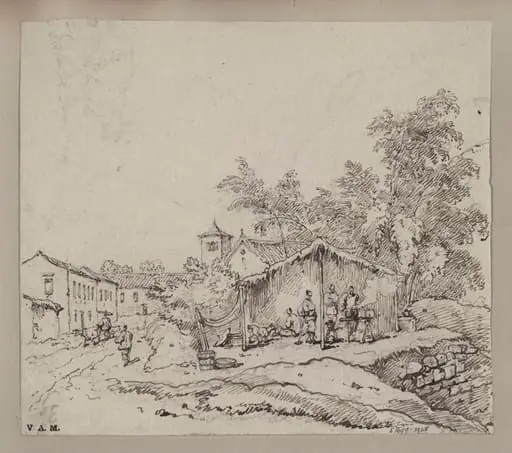 Blacksmiths beneath a thatched shelter, with the church of S. Antonio, Macau
![A Village Scene in India [verso], by George Chinnery](https://artifactworldgallery.com/img/george-chinnery--a-village-scene-in-india-verso--a3b8d6327e2fa0d5-w320.webp) A Village Scene in India [verso]
A Village Scene in India [verso]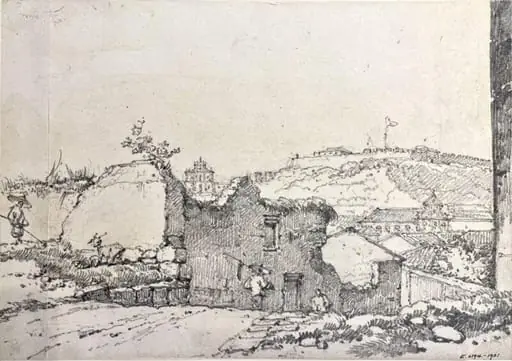 Ruinous buildings, Macau, with distant views of the façade of S. Paulo, Monte Fort and S. Domingos Church
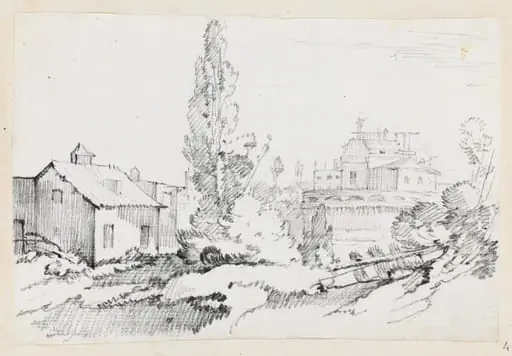 Castel Sant'Angelo from the Northwest
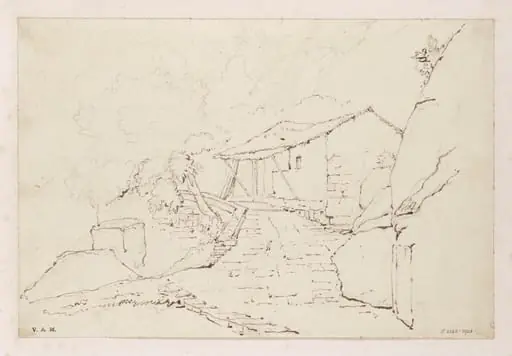 A small building on a rocky hillside, Macau
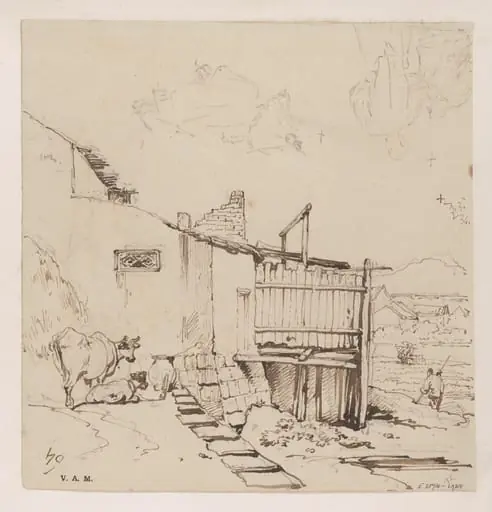 Cattle grazing by a ruinous building
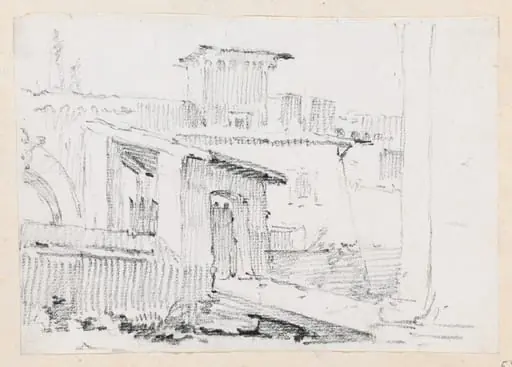 Roman Buildings with an Open Shed
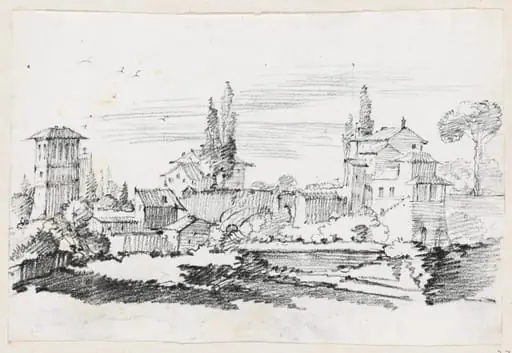 Houses in Italy
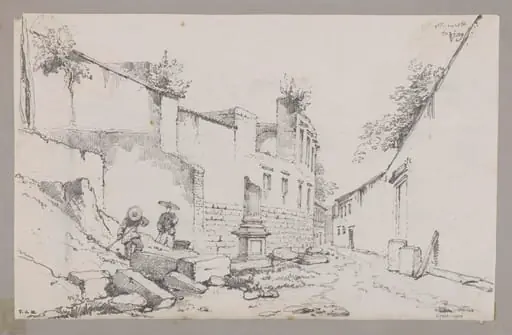 Ruins of the Dutch Factory at Macao
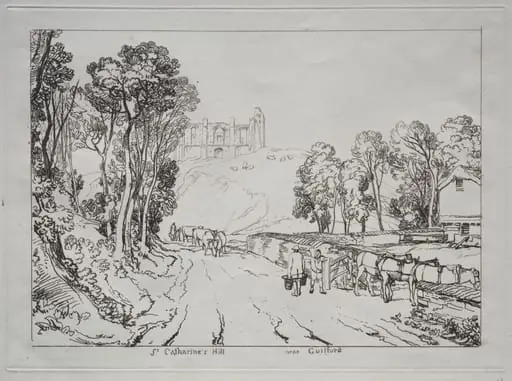 Liber Studiorum: St. Catherine's Hill, near Guilford
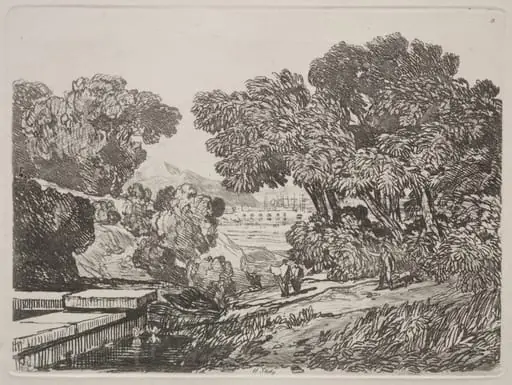 Liber Studiorum: A Study
 Views: The Terrace