Artwork
Horse from Hanover
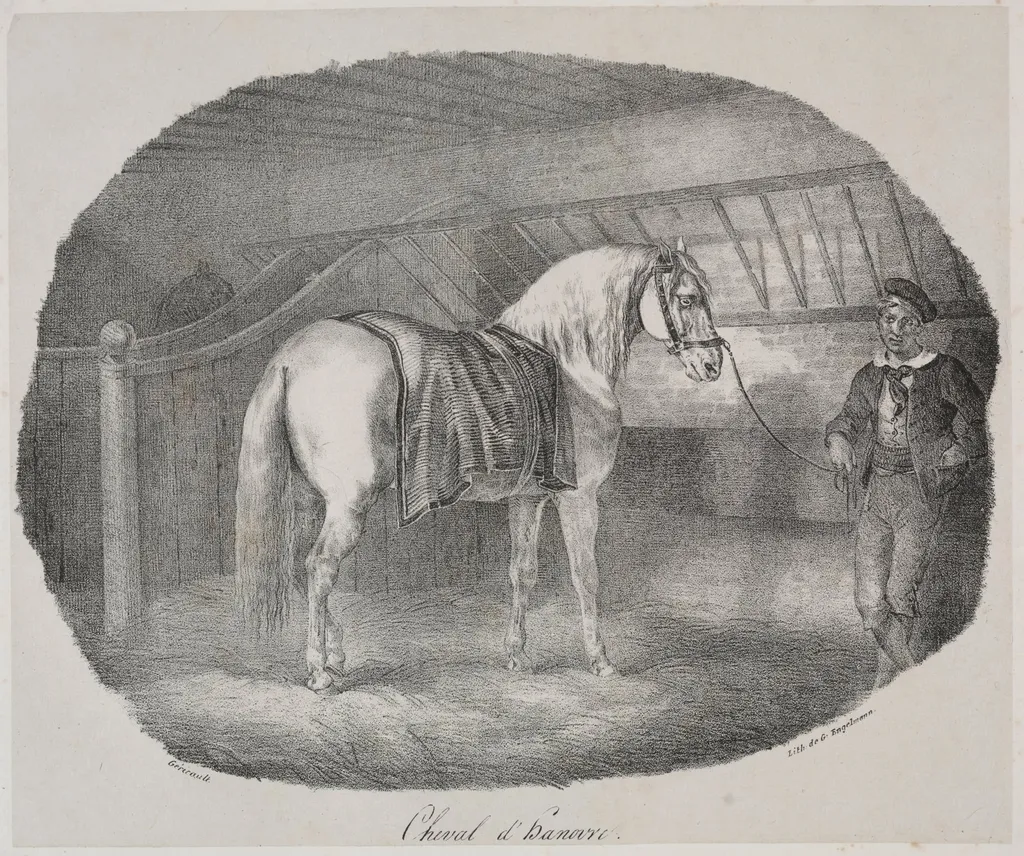
Horse from Hanover is a print by the Romanticist artist Théodore Géricault. It dates from 1822 and is held in the collection of the Cleveland Museum of Art.
About this work
Overview
It resides in the collection of The Cleveland Museum of Art, alongside other studies from his travels and observations of animals in controlled environments.
Created in 1822 by French artist Théodore Géricault, this lithograph depicts a white horse from Hanover standing quietly in a dim stable. Executed shortly before his death at age 32, the work reflects Géricault’s sustained interest in equine anatomy and movement. It resides in the collection of The Cleveland Museum of Art, alongside other studies from his travels and observations of animals in controlled environments.
Subject & Meaning
The horse, labeled 'Cheval d’Hanovre,' is portrayed with quiet dignity, its body covered by a patterned blanket, suggesting it is a valued, possibly aristocratic, animal. The figure holding the reins, turned away, adds a sense of stillness and solitude. Rather than dramatizing motion, Géricault emphasizes presence—inviting contemplation of the animal’s quiet strength and the subdued atmosphere of its enclosure.
Technique & Style
Géricault employed lithography to achieve subtle tonal gradations, using soft contrasts to model the horse’s form and the rough wooden walls. The lighting is muted, casting deep shadows that enhance the sense of enclosure. Lines are deliberate but not overly detailed, focusing on mass and posture rather than ornamentation. This restrained approach aligns with his scientific interest in anatomy and observation over theatricality.
History & Provenance
Géricault produced this work during a period of intense study of horses, following his travels in Germany and England. He sketched numerous animals in stables and military enclosures, seeking to understand their structure and behavior. 'Horse from Hanover' likely stems from one of these sessions. The print entered The Cleveland Museum of Art’s collection in the 20th century, preserved as part of his broader graphic oeuvre.
Context
In early 19th-century Europe, horses symbolized power, nobility, and military might. Géricault’s focus on individual animals, rather than grand equestrian scenes, reflects a shift toward intimate, observational realism. While Romanticism often emphasized drama, his work here favors quietude, aligning with his broader practice of documenting subjects with precision and emotional restraint.
Legacy
Though less known than 'The Raft of the Medusa,' Géricault’s equine studies, including this lithograph, influenced later artists interested in animal anatomy and naturalistic representation. His method of combining close observation with expressive simplicity helped bridge academic tradition and Romantic sensibility, leaving a quiet but enduring mark on 19th-century graphic art.
Artist & collection
Artist
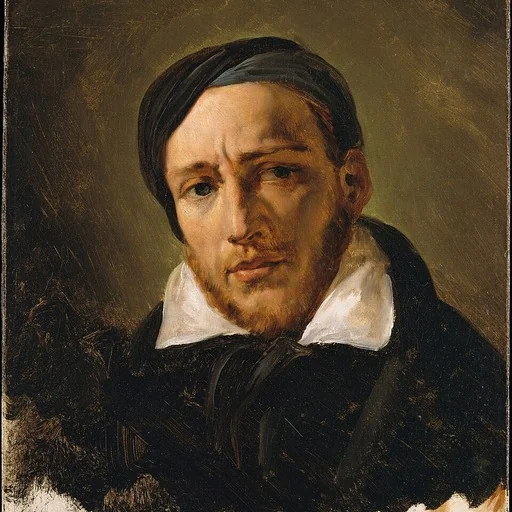
Jean-Louis André Théodore Géricault (French: ; 26 September 1791 – 26 January 1824) was a French painter and lithographer.

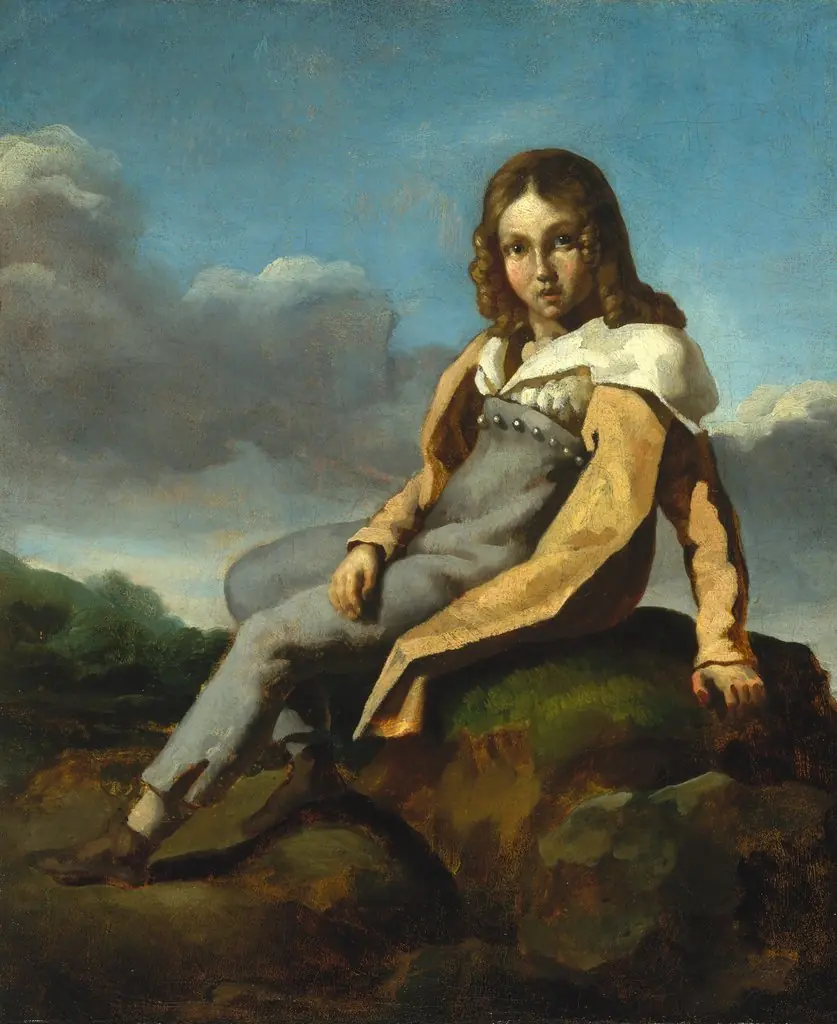
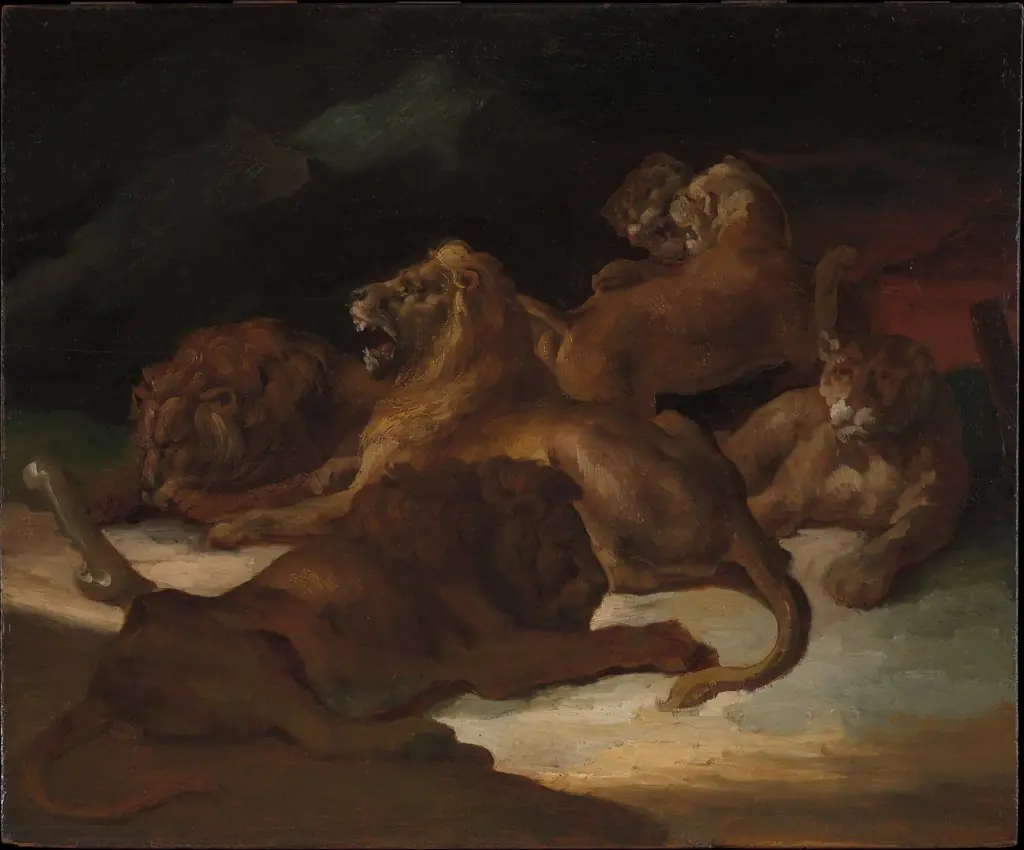
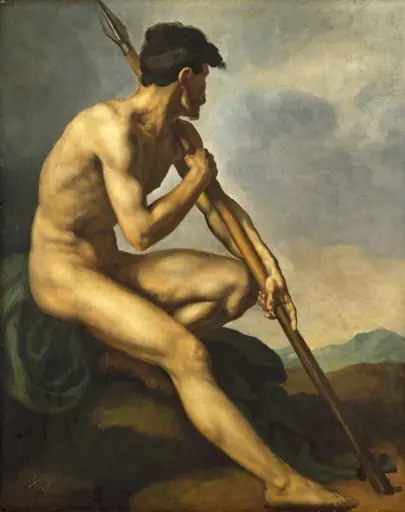
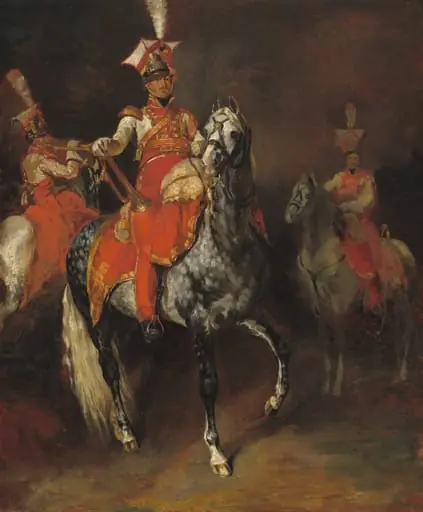
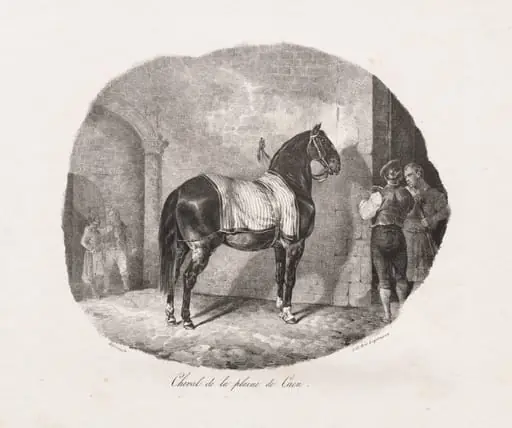 Lithographed Studies of Horses: Pl. 7, Horse from the Caen Plain
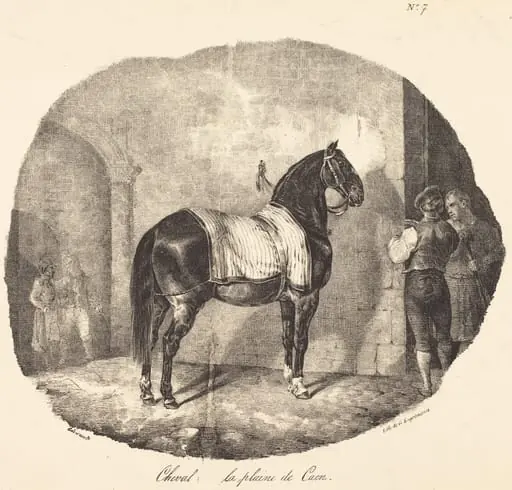 Cheval de la plaine de Caen
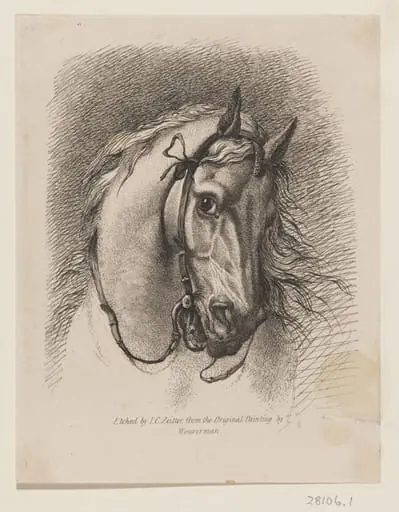 Untitled
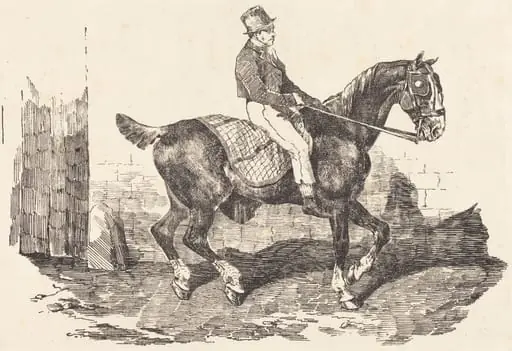 Groom Mounted on a Carriage-Horse (Cheval de carrosse monte par un palfrenier)
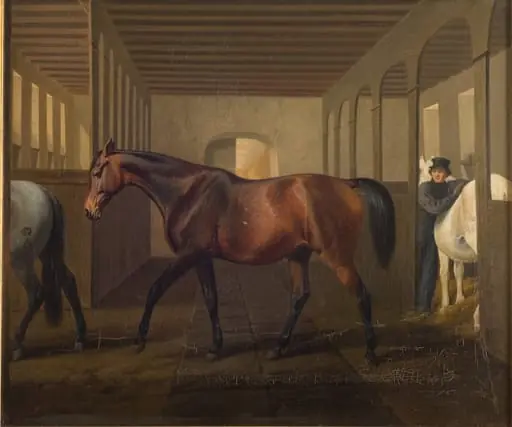 Rosetta
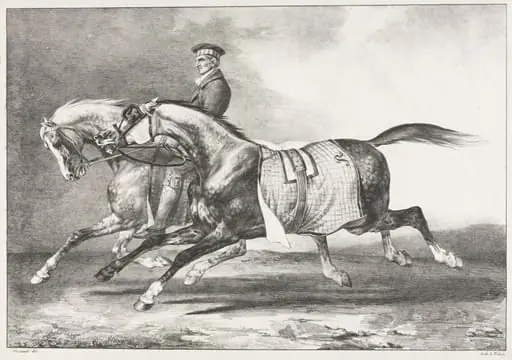 Two Dappled Horses Exercising
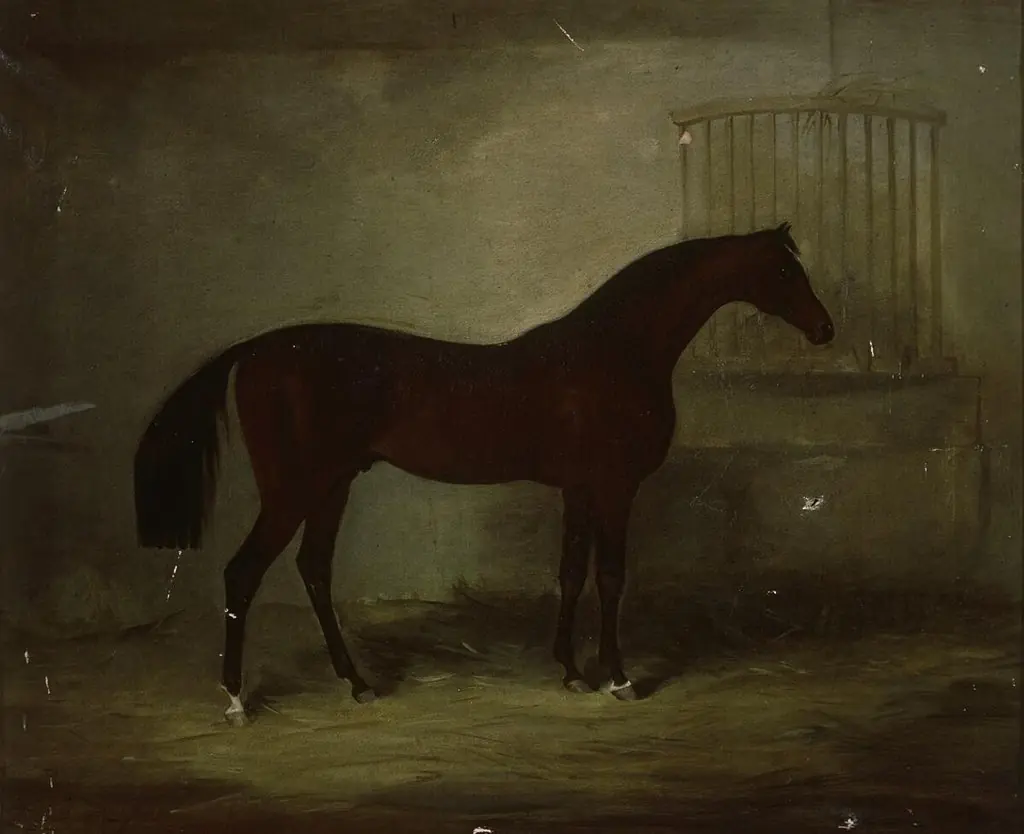 Buscot Buck in stable
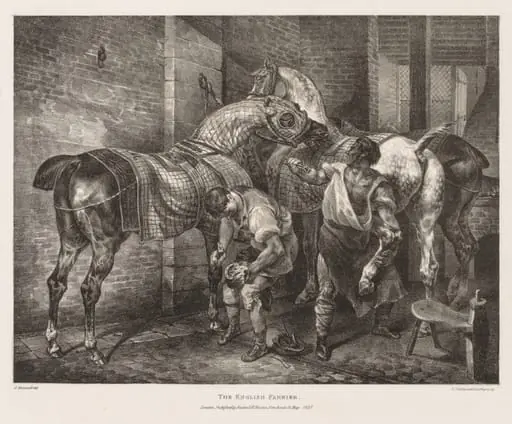 Various Subjects Drawn from Life and on Stone: The English Farrier
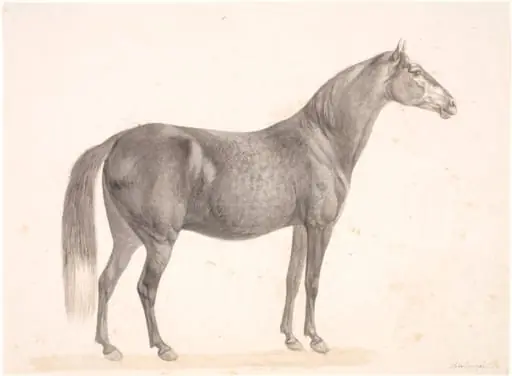 Sort hest