Artwork
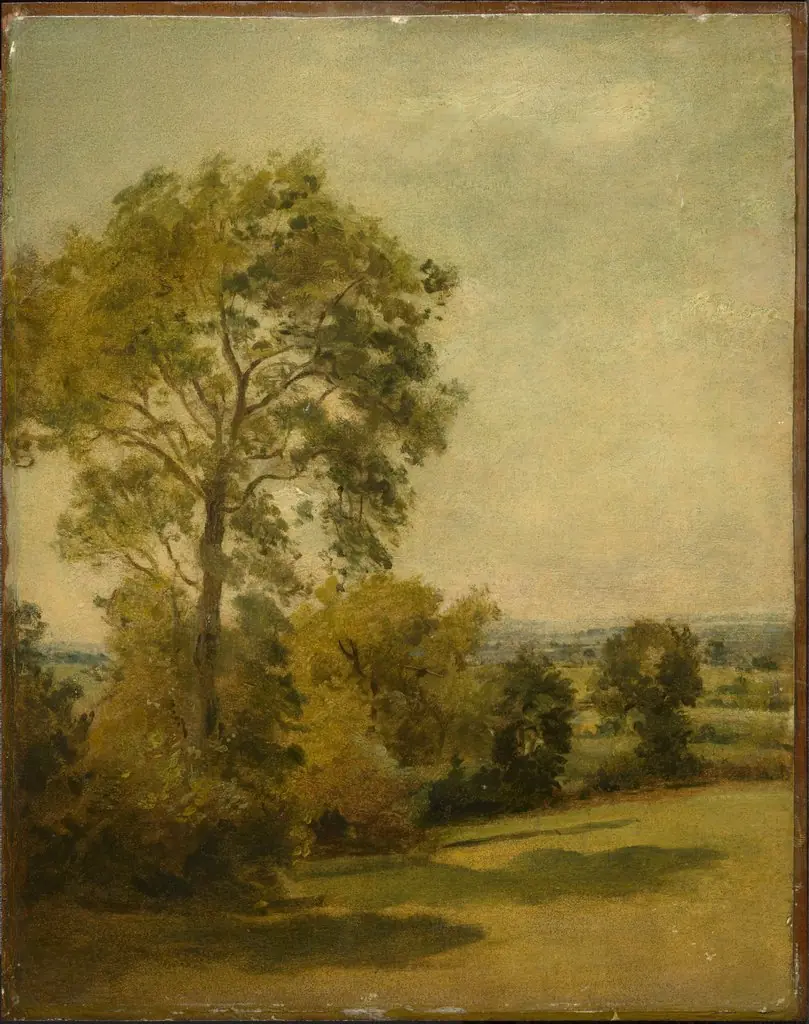
Tree in a Meadow
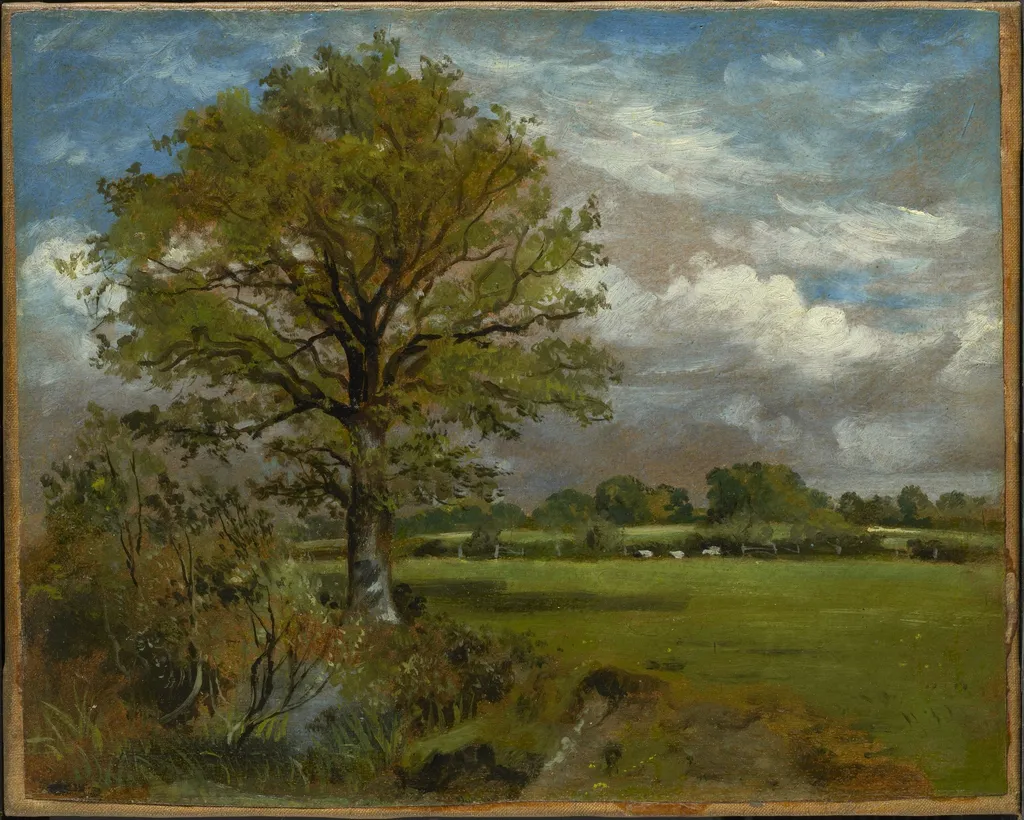
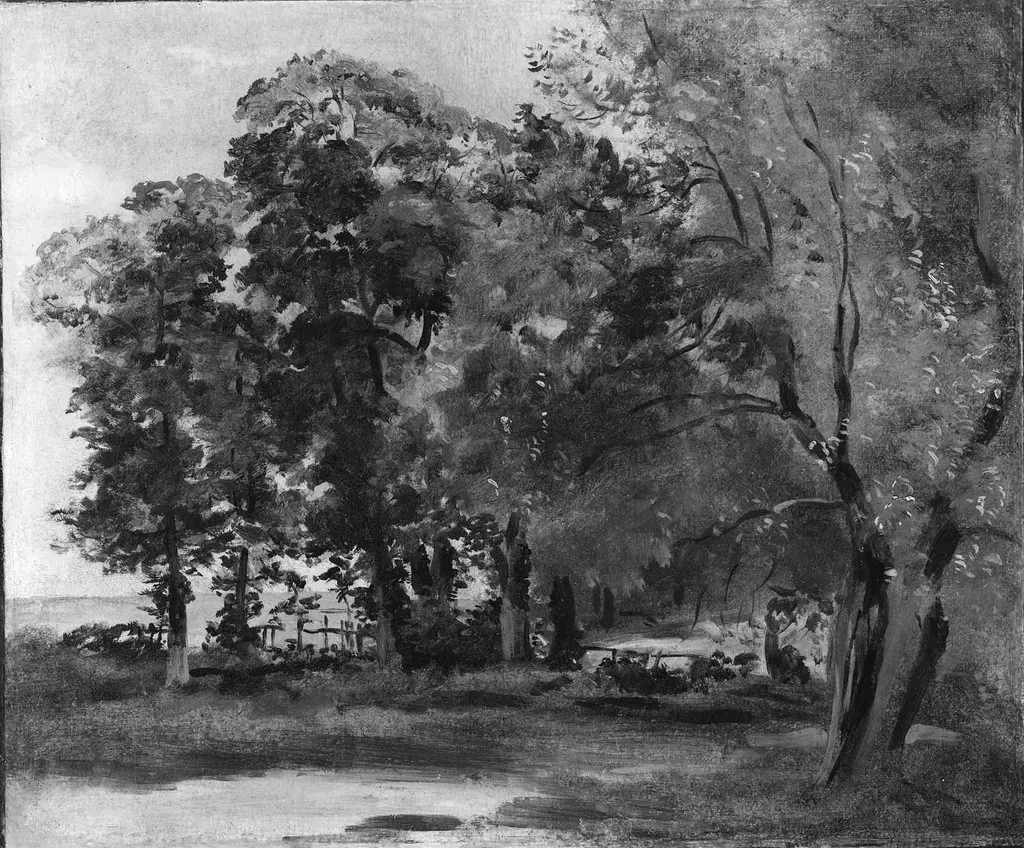
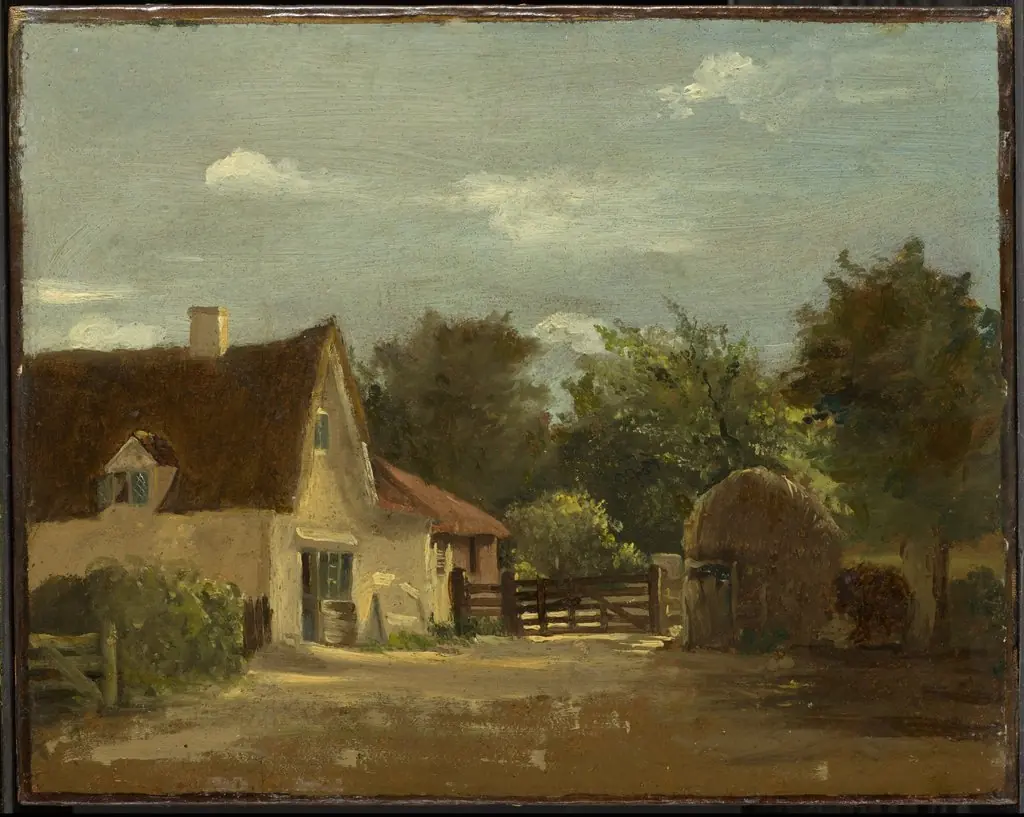
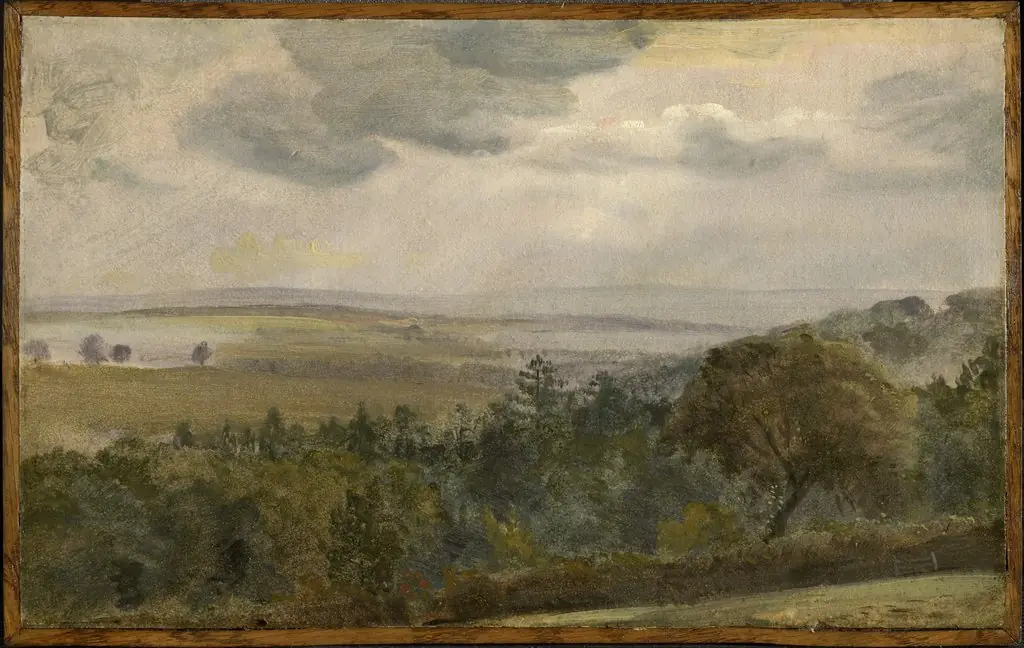
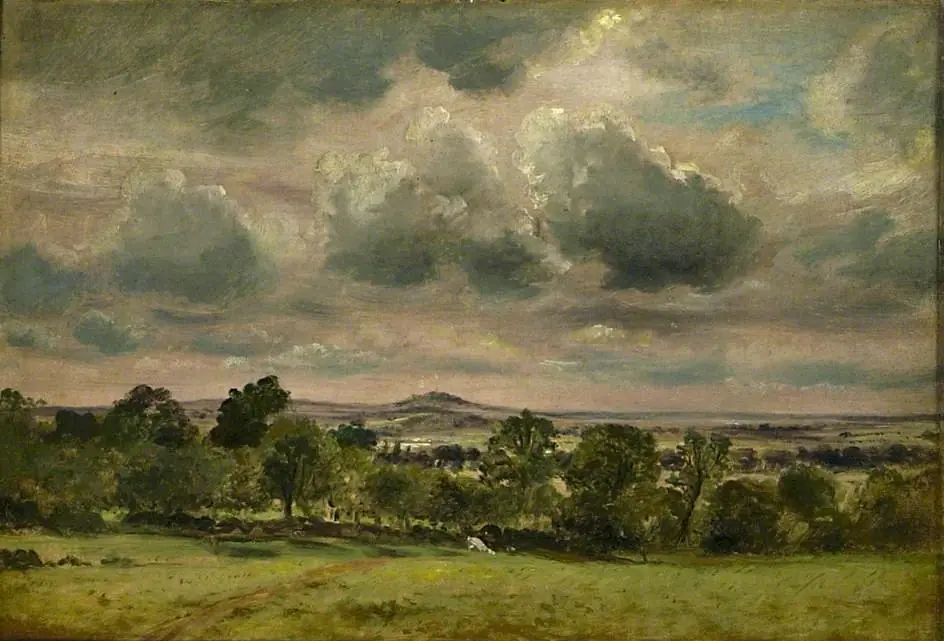
Tree in a Meadow is an unspecified painting by Lionel Bicknell Constable. It dates from 1850 and is held in the collection of the Clark Art Institute.
About this work
Overview
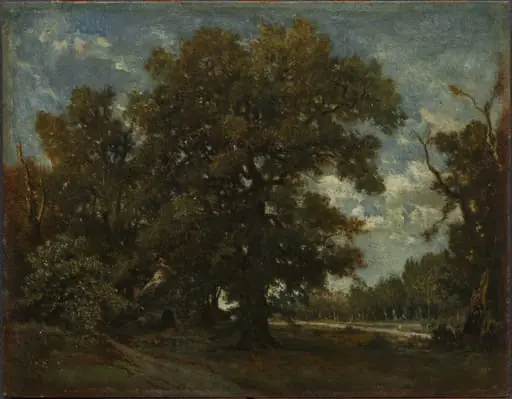
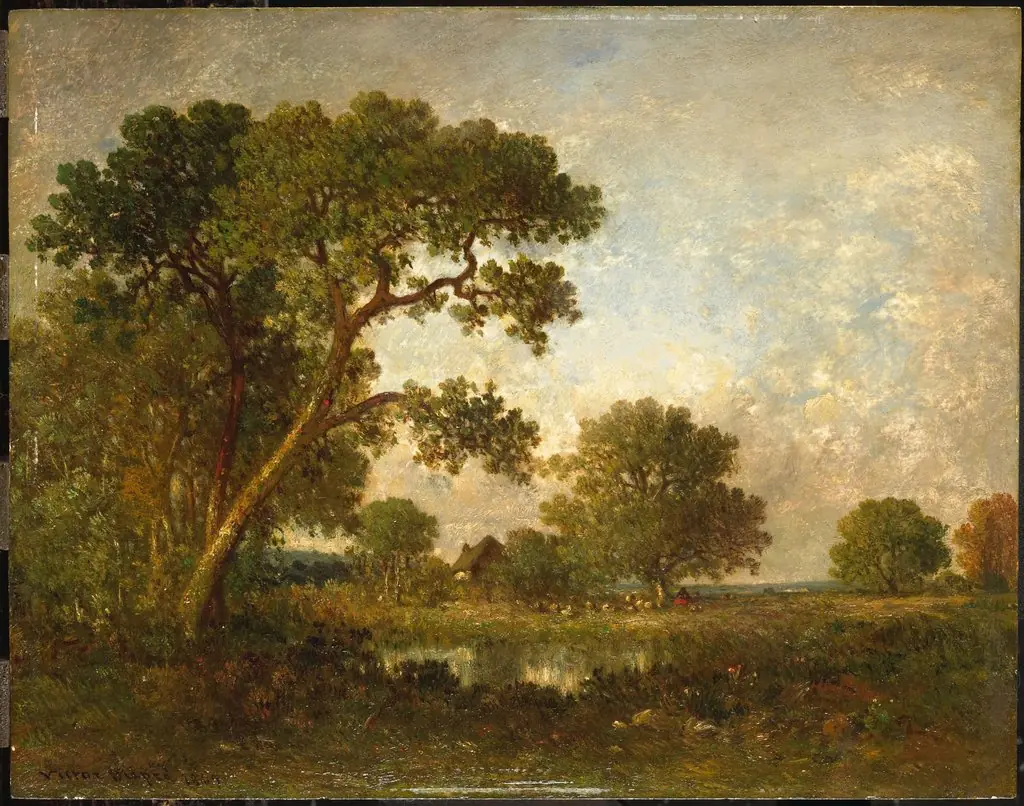
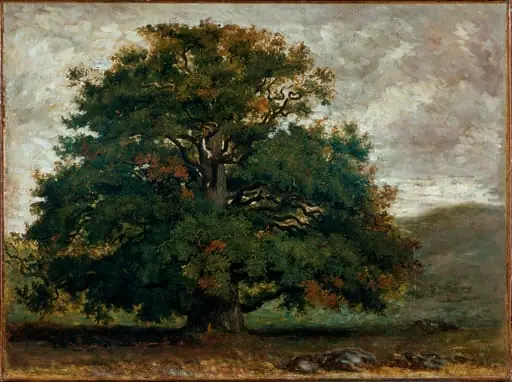
Lionel Bicknell Constable’s mid‑nineteenth‑century canvas, Tree in a Meadow, depicts a solitary tree dominating a verdant field beneath a clear sky. Executed around 1850, the work now belongs to the collection of the Clark Art Institute, where it is displayed as an example of the period’s pastoral genre.
Subject & Meaning
The composition centers on a mature tree whose expansive canopy spreads across the canvas, anchoring a tranquil meadow that stretches toward the horizon. The open landscape, softened by gentle clouds, evokes a quiet, contemplative atmosphere, inviting viewers to consider the harmony between nature’s stillness and the passing of time.
Technique & Style
Constable employs a nuanced palette of greens and blues, layering varied tones to convey depth and atmospheric perspective. Fine brushwork renders the tree’s foliage with intricate detail, while broader strokes suggest the meadow’s texture. Subtle contrasts of light and shadow create a modest chiaroscuro effect, enhancing the three‑dimensional illusion without overt dramatization.
History & Provenance
Painted circa 1850, Tree in a Meadow entered the Clark Art Institute’s holdings through acquisition in the mid‑twentieth century, though earlier ownership records remain limited. Its presence in the museum’s collection reflects the institution’s focus on American landscape painting and the broader 19th‑century tradition of idyllic rural scenes.
Context
Created during a period when American artists often looked to European pastoral models, Constable’s work aligns with the Hudson River School’s emphasis on natural beauty and moral reflection. While less grandiose than some contemporaneous vistas, the painting shares the era’s interest in rendering specific locales with fidelity and emotional resonance.
Artist & collection
Artist
Lionel Bicknell Constable (1828–1887) was an artist, born in Hampton.