Artwork
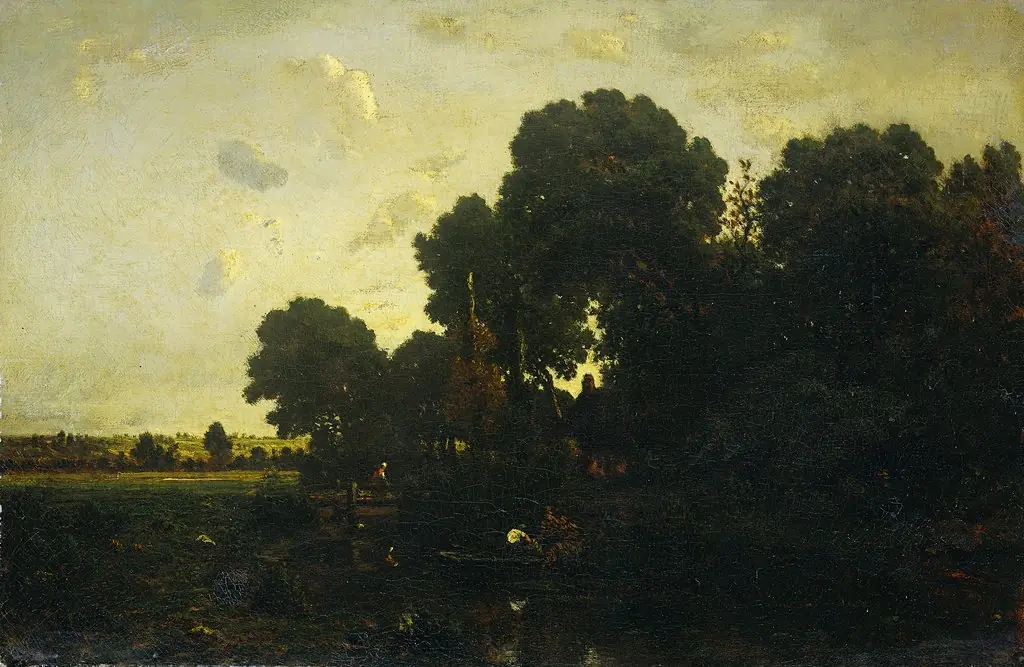
The Farm (Cottage at the Edge of a Marsh)
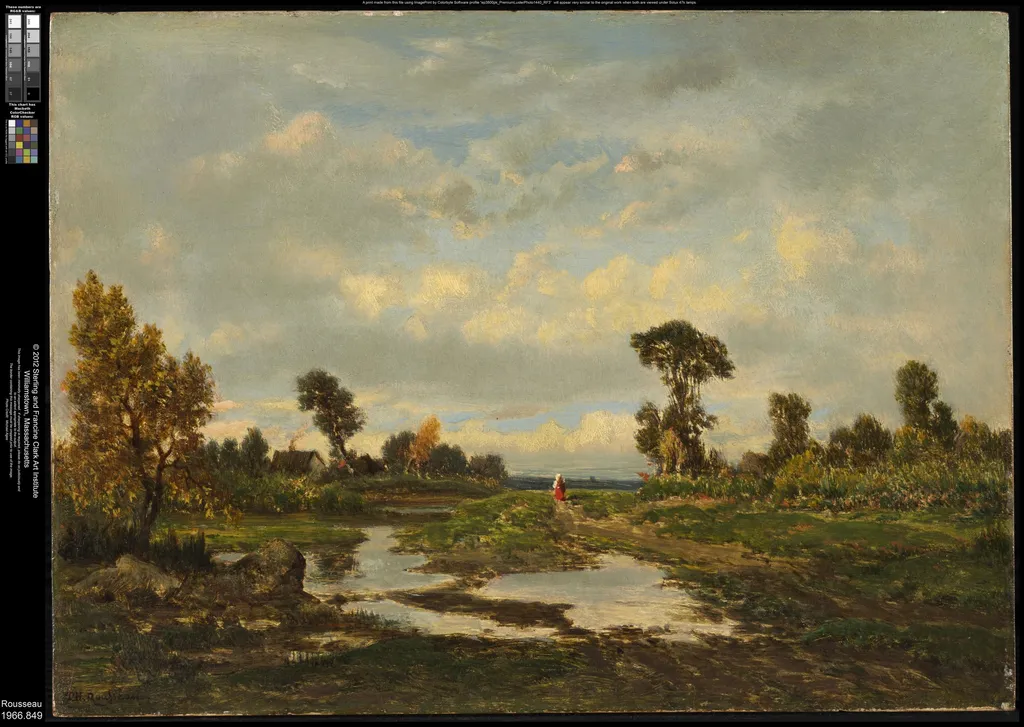
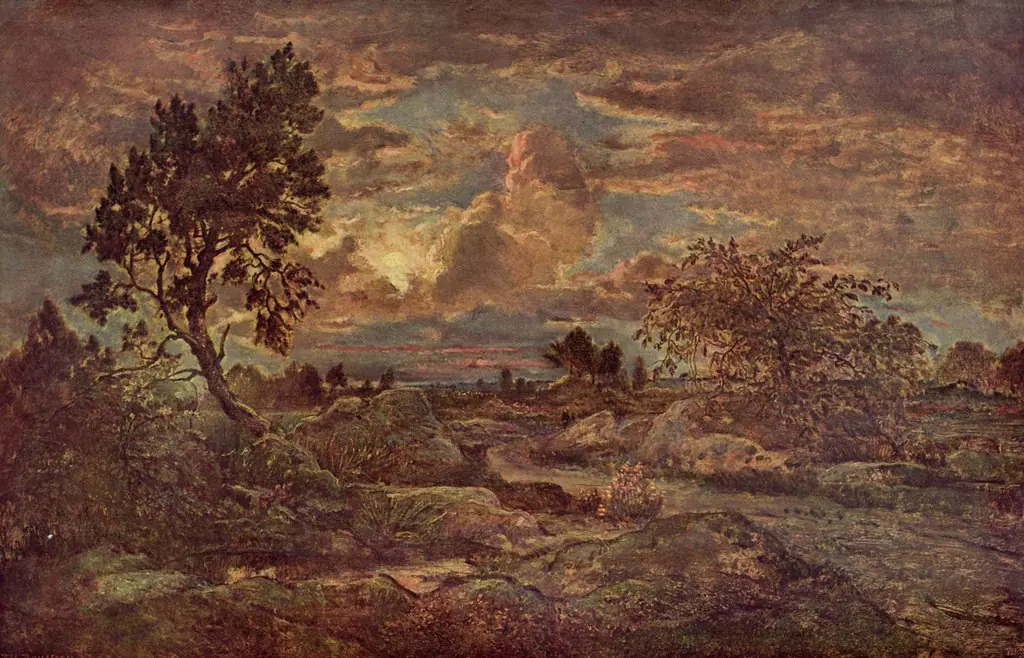
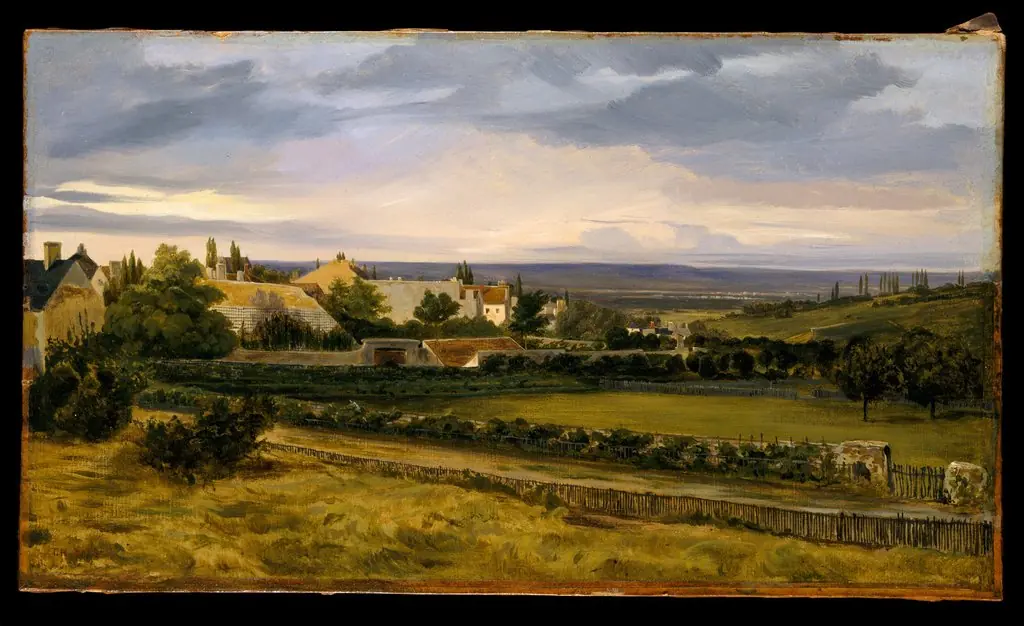
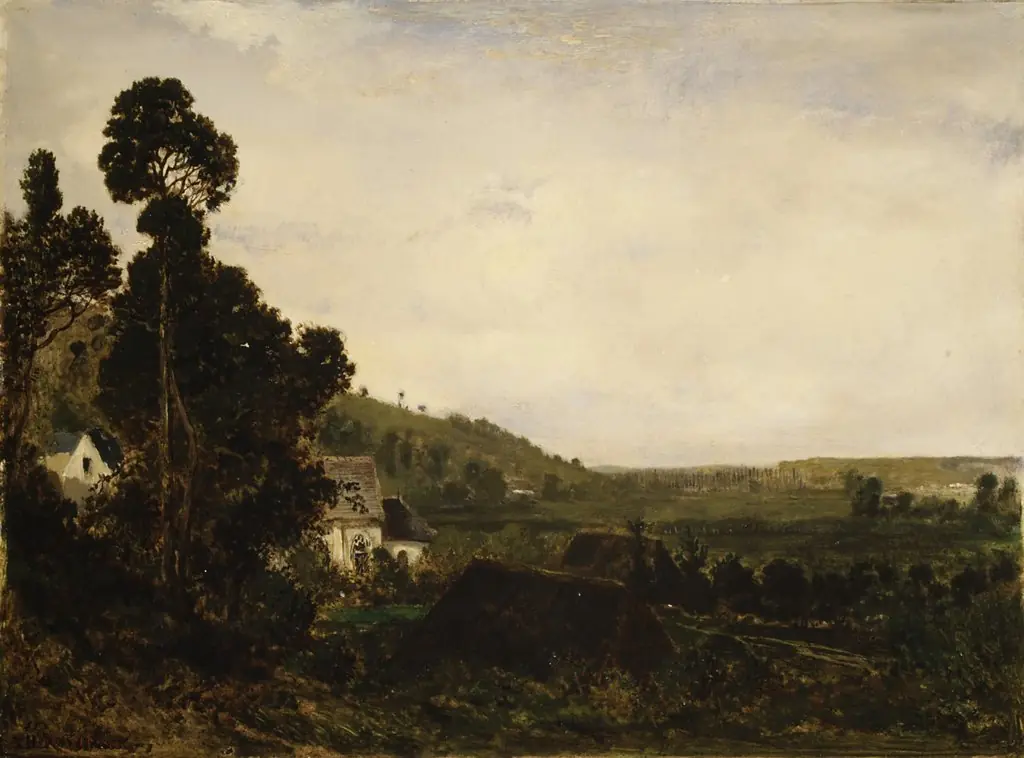
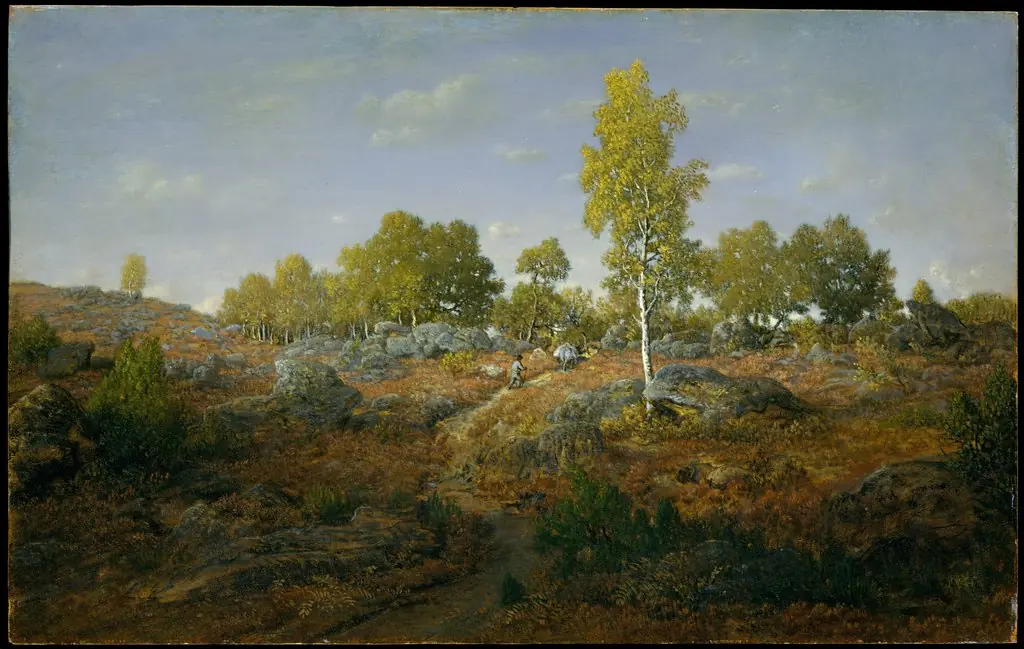
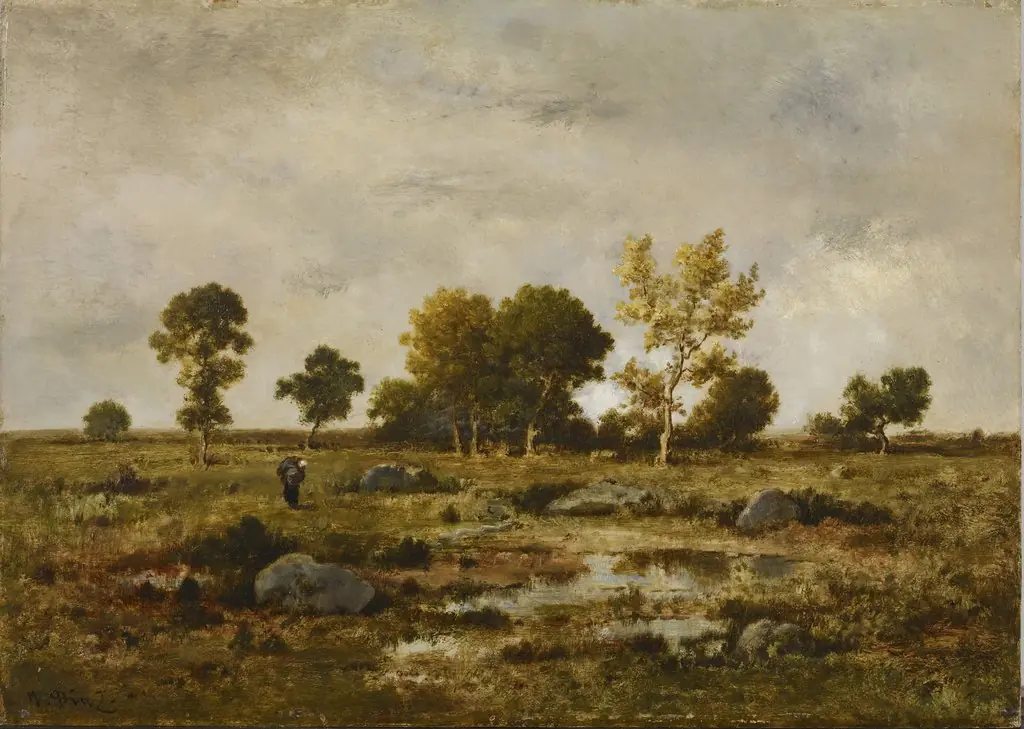
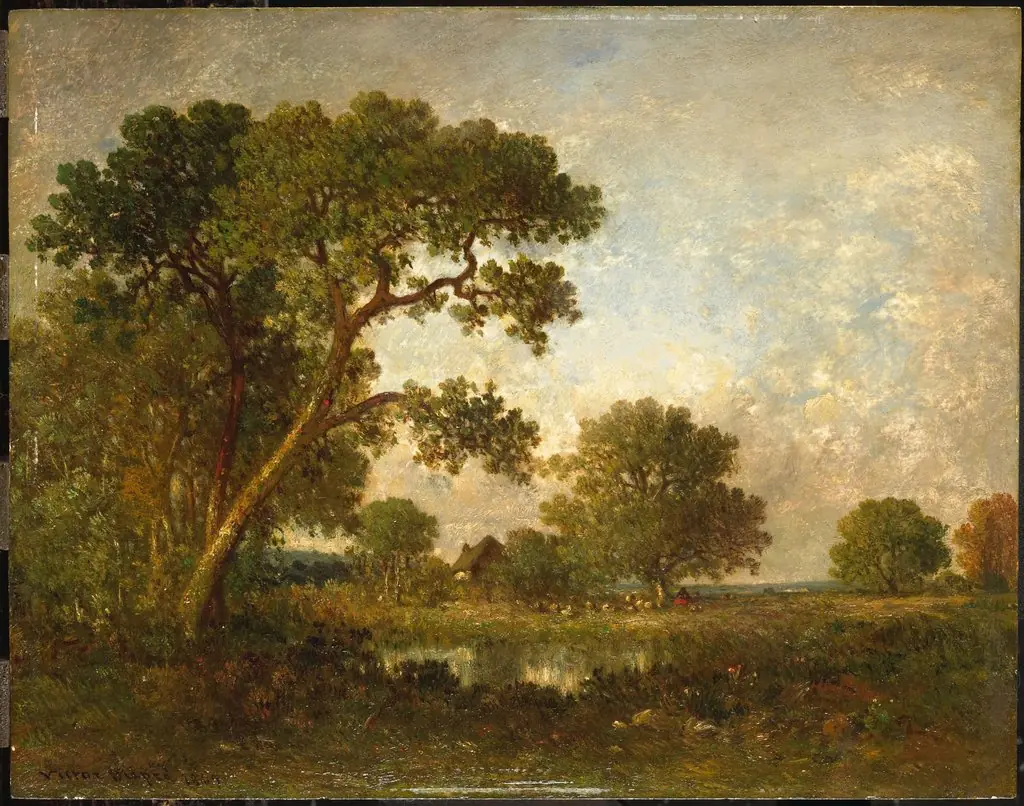
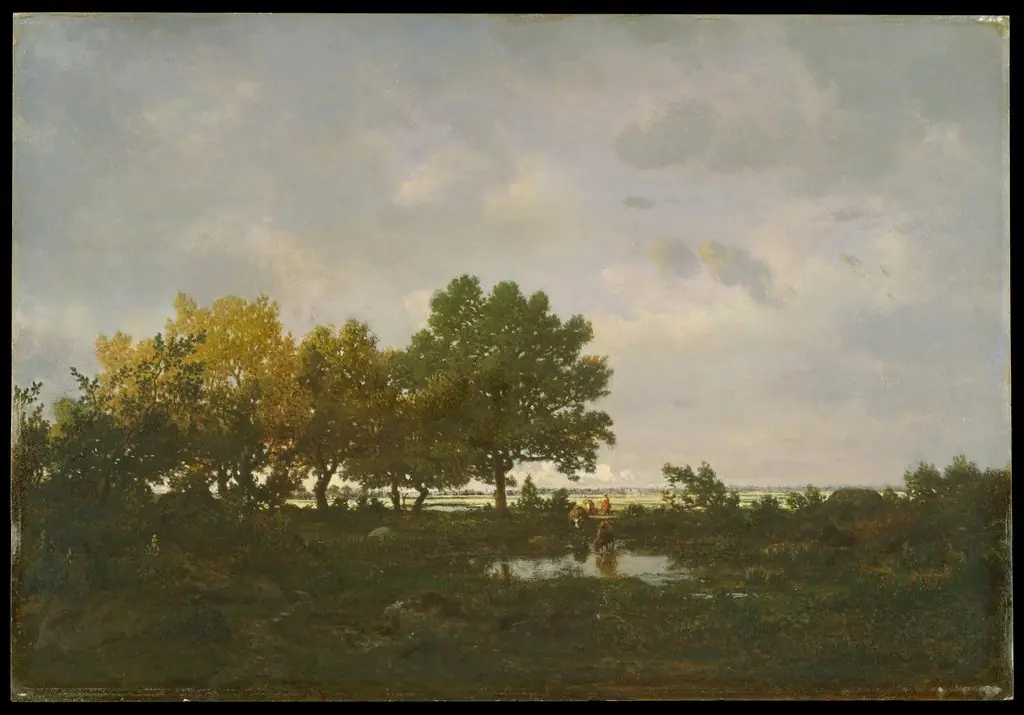
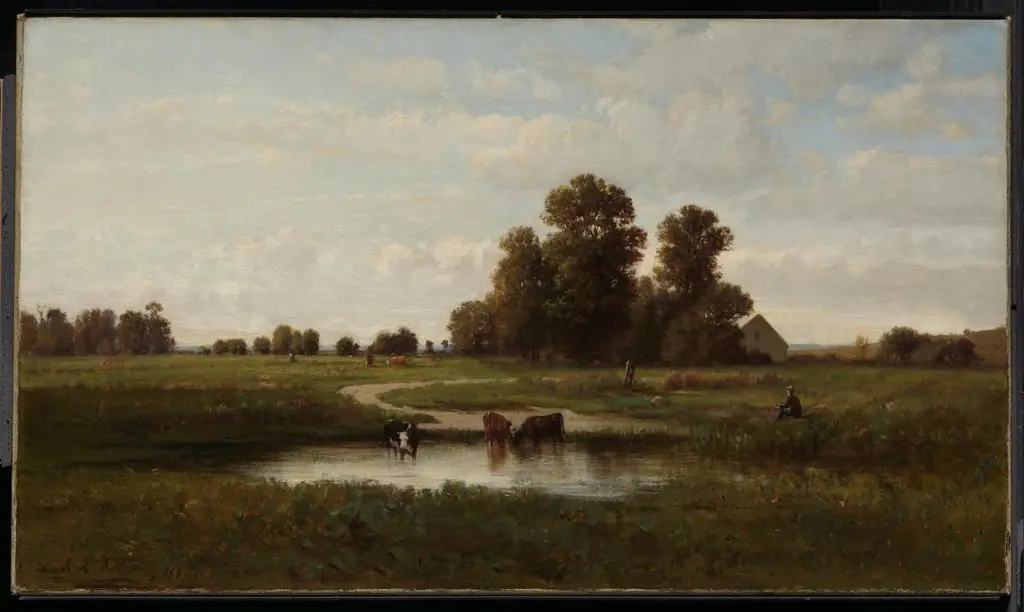
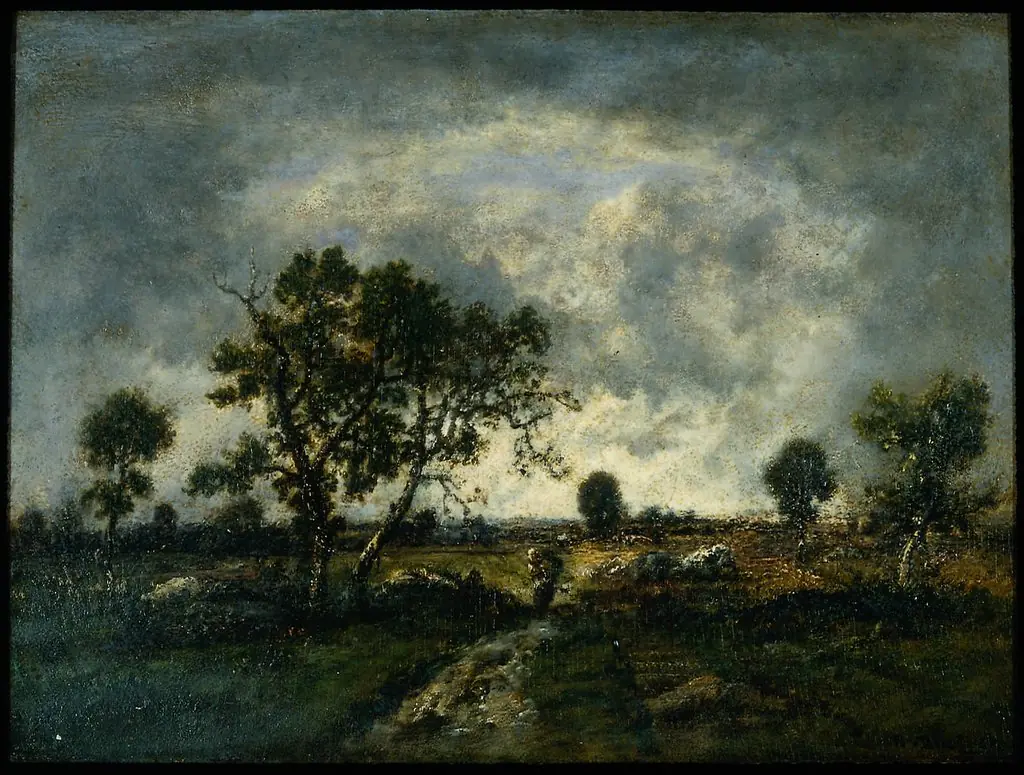
The Farm (Cottage at the Edge of a Marsh) is an oil painting by the Barbizon school artist Théodore Rousseau. It dates from 1860 and is held in the collection of the Clark Art Institute.
About this work
Overview
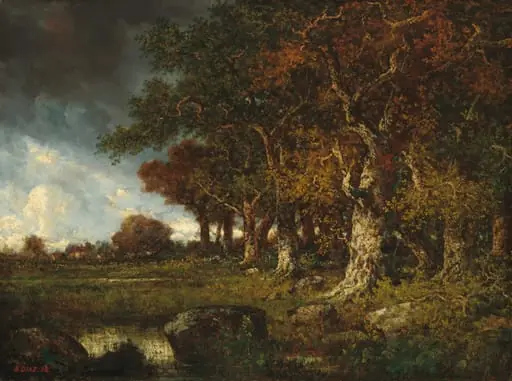
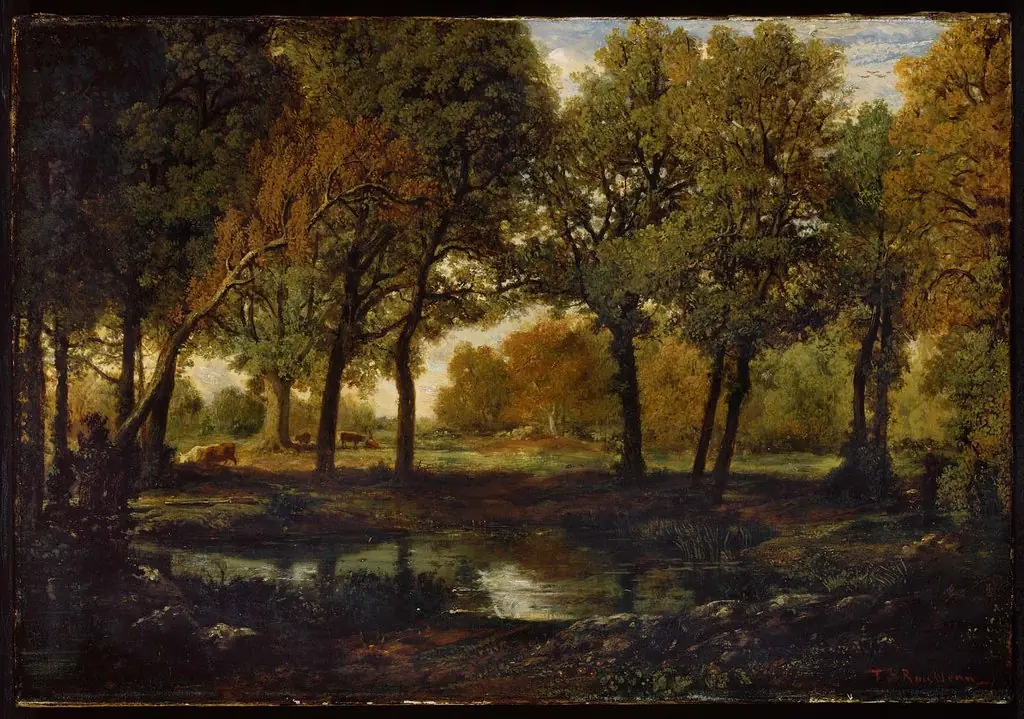
The Farm (Cottage at the Edge of a Marsh) is an 1860 oil painting by Théodore Rousseau, a key figure in the Barbizon school. It captures a serene rural scene, characteristic of the movement's emphasis on naturalistic depictions of the countryside.
Subject & Meaning
The painting portrays a humble farm cottage at the edge of a marsh, highlighting the unassuming beauty of everyday rural life. The composition conveys a sense of tranquility and peaceful coexistence with nature.
Technique & Style
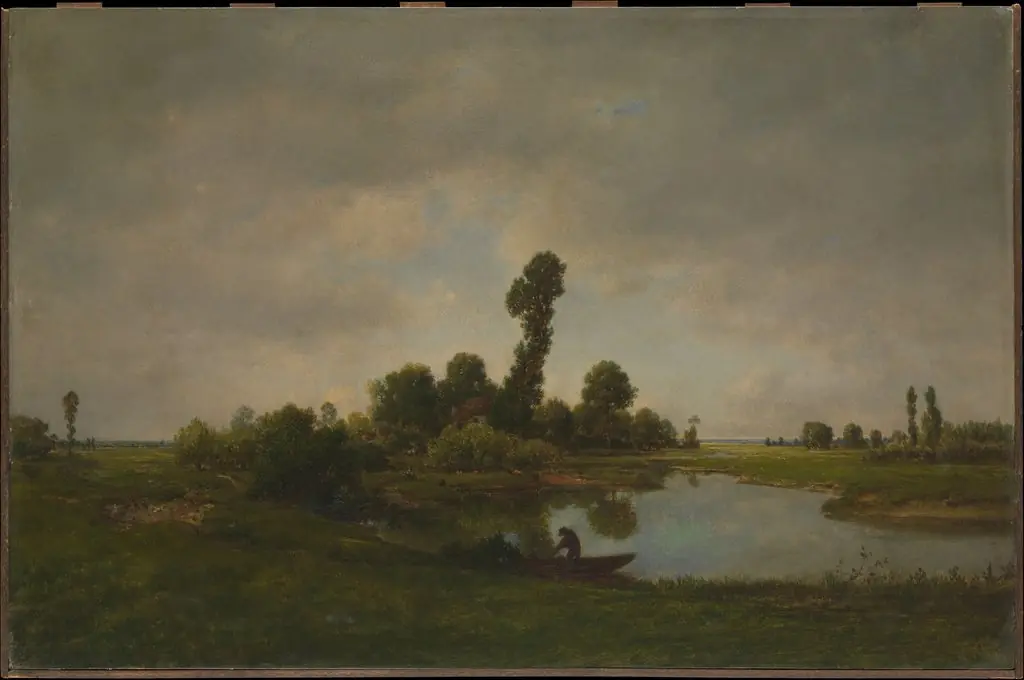
Rousseau employed warm colors and soft brushstrokes to evoke serenity. Notably, the work showcases his skill in capturing light effects, particularly in the subtle reflections and ripples on the marsh's water surface.
History & Provenance
Created in 1860, the painting exemplifies Rousseau's contribution to defining the Barbizon school's aesthetic through detailed, atmospheric landscapes.
Context
Emerging from the Barbizon school, this piece reflects a 19th-century shift towards valuing the beauty in ordinary, unidealized rural landscapes, contrasting with more romanticized or classical subjects prevalent at the time.
Legacy
While specific legacy details of 'The Farm' are not provided, as a work by Rousseau, it contributes to the broader influence of the Barbizon school on subsequent landscape painting movements, emphasizing naturalism and everyday life.
Artist & collection
Artist
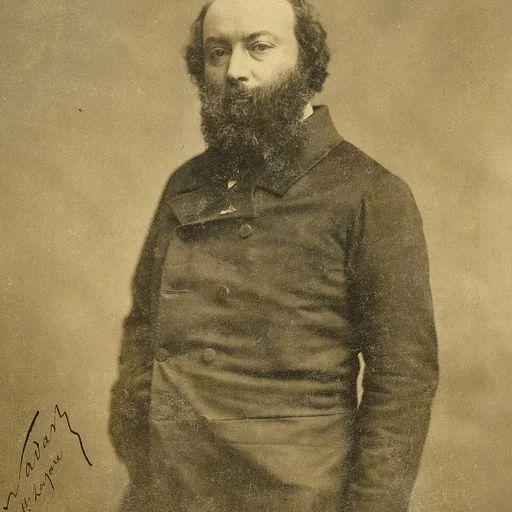
Étienne Pierre Théodore Rousseau (French pronunciation: ; 15 April 1812 – 22 December 1867) was a French painter of the Barbizon school.